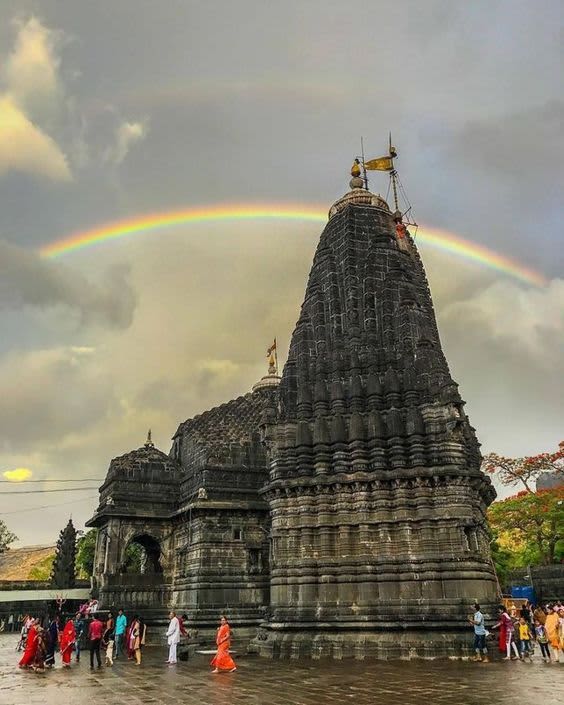
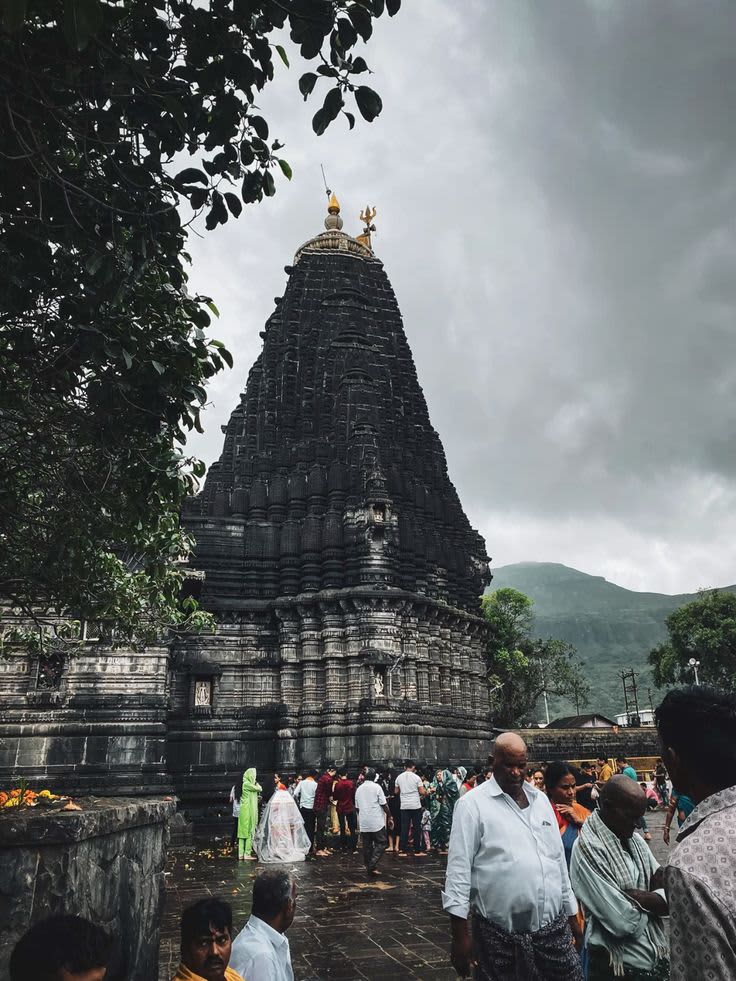
Tadoba Andhari Tiger Reserve, Maharashtra's oldest and largest national park located in the Chandrapur district, is increasingly recognized as one of India's best tiger reserves and offers some of the...

Tadoba
Land of the Tigers
Maharashtra, India
4.7
Tiger ReserveWildlife SafariBiodiversityTadoba Lake
wildlife
Duration: 2–3 Days
Budget/day: ₹3,000 – ₹10,000
Best season: Mar – Jun
Altitude: 370 m
Nearest airport: Nagpur Airport (140 km)
Nearest railway: Chandrapur Railway Station (45 km)
Best places to visit in Tadoba


Best Time to Visit and Weather Info
Best time: March to June
Unlike most parks, Tadoba's summer months offer the best tiger sightings. Park is open year-round but core zone access is restricted during monsoon.
Summer (Best for Tigers)
Best for Tigers ⭐Mar – Jun
25°C – 47°C
Intense heat drives tigers and other animals to waterholes — making sightings extremely reliable. May–June has highest probability but temperatures can reach 45°C+.
- April–May offers the most consistent tiger sightings in India
- Safari timings: 6 AM and 3 PM (morning and evening only)
Winter
Good 🟡Oct – Feb
8°C – 32°C
Pleasant weather. Good wildlife sightings though tigers are more elusive in cooler weather with dense vegetation.
- Good for birdwatching and other wildlife besides tigers
- Leopards and sloth bears are commonly spotted
Monsoon
Avoid 🔴Jul – Sep
25°C – 35°C
Core zones are closed. Buffer zones remain open but dense vegetation makes sightings very difficult.
- Only buffer zone open
- Lush green landscape but poor sighting conditions
How to Reach
✈️By Air
Airport: Dr. Babasaheb Ambedkar International Airport, Nagpur (140 km from Tadoba)
Duration: ~3.5 hrs by road
Fly to Nagpur, then taxi to Chandrapur/Tadoba. Many resorts offer airport transfers.
Taxi: ₹3,000 – ₹5,000 (Nagpur to Tadoba)
Airlines: IndiGo, Air India, SpiceJet
🚂By Train
Station: Chandrapur Railway Station (45 km from the park)
Trains from Nagpur, Mumbai, and Hyderabad to Chandrapur. Taxis available from Chandrapur to the park gates.
- Gondwana Express — Delhi / Nagpur (~4 hrs from Nagpur to Chandrapur)
- Vidarbha Express — Mumbai (CST) (~16 hrs to Chandrapur)
🚌By Road
Well-connected by road from Nagpur. NH-930 connects Nagpur to Chandrapur.
- Nagpur: 140 km, 3–3.5 hrs via Wardha – Chandrapur
- Chandrapur: 45 km, 1 hr via Tadoba road
- Hyderabad: 480 km, 8 hrs via Adilabad – Chandrapur
Itineraries
Local Food
Tadoba's food is available at safari resort restaurants and in Chandrapur town. Vidarbha cuisine is the local specialty.
Vidarbha Mutton Saoji Curry
Intensely spiced black mutton curry — Vidarbha's signature dish with 21+ spices, unique to this region.
Where: Saoji restaurants in Chandrapur
₹200 – ₹380
Pithla Bhakri
Thick jowar roti with gram flour curry — the Vidarbha farmer's meal.
Where: Local dhabas near Tadoba park gates
₹80 – ₹140
Varhadi Masala Chicken
Dry-spiced Varhadi-style chicken with ground dry coconut and aromatic spices.
Where: Non-veg restaurants in Chandrapur
₹180 – ₹320
Shengayi Chutney with Dal Khichdi
Peanut chutney with rice and lentil porridge — simple, nourishing camp food.
Where: Safari camp kitchens
₹100 – ₹180
Resort Bonfire Dinner
Most Tadoba safari lodges offer campfire dinners with multi-course Indian meals in the jungle setting.
Where: Premium safari resorts
₹800 – ₹2,000 per person
Orange and Local Fruits
Vidarbha is India's orange heartland — fresh oranges from the region are exceptional.
Where: Markets in Chandrapur and roadside stalls
₹30 – ₹80 per kg
Premium tiger safari lodges (Svasara, Irai Safari Camp, Tadoba Jungle Resort) include all meals. Budget travelers should eat in Chandrapur town.
FAQs
- Tadoba Andhari Tiger Reserve is Maharashtra's largest and oldest national park — famous for its exceptional tiger sightings (considered the best in India after Bandhavgarh), leopards, sloth bears, gaurs, and the large Tadoba Lake with mugger crocodiles.
Best Places Similar
Kanha National Park
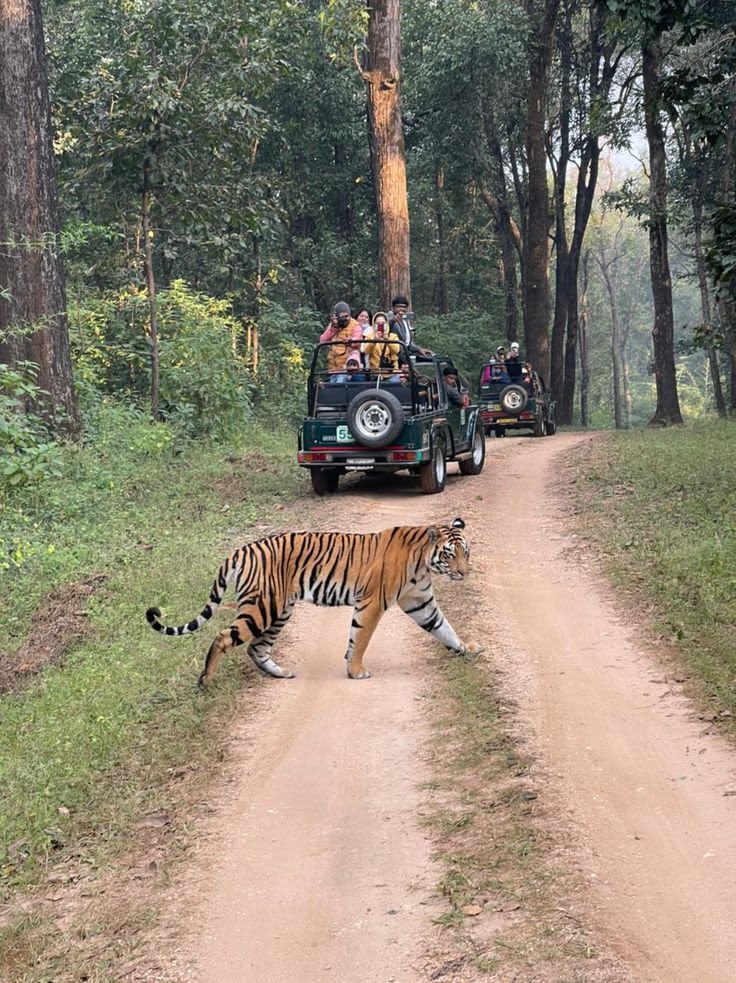
Kanha National Park, one of India's finest and largest tiger reserves spread across the Maikal Hills of Madhya Pradesh, was the inspiration for Rudyard Kipling's 'The Jungle Book' and remains one of the subcontinent's most pristine and biodiverse wilderness areas. The park is renowned not only for tiger sightings but for successfully reviving the critically endangered Barasingha (swamp deer) from the brink of extinction. Kanha's vast meadow-filled valleys, called maidans, teeming with spotted deer and gaur, and its dense sal forests make it one of India's most rewarding national park experiences.
Bandhavgarh National Park
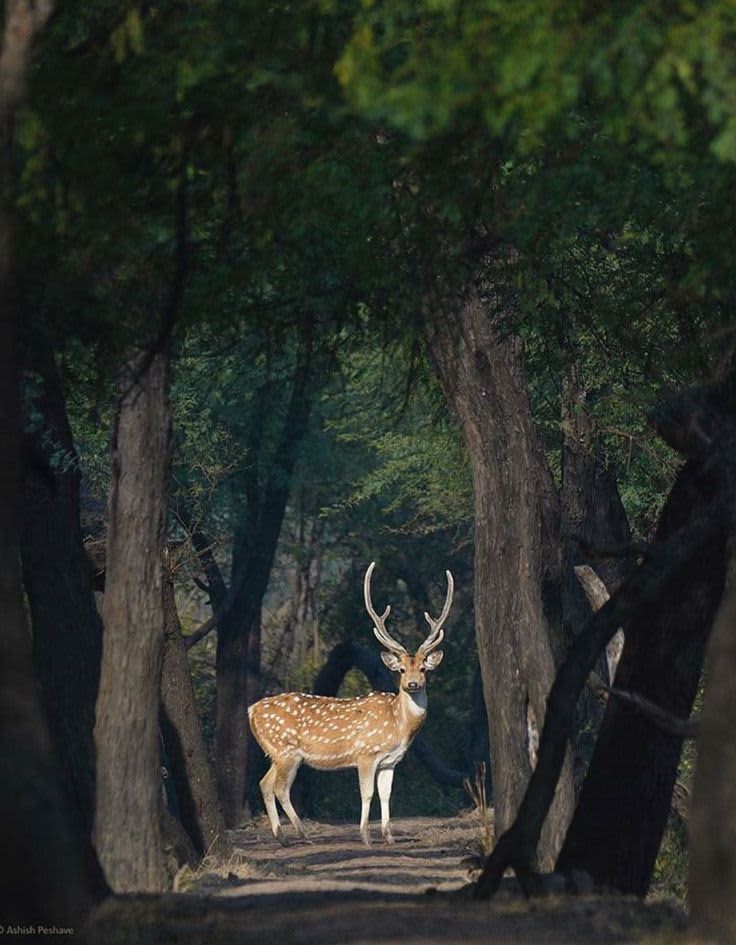
Bandhavgarh National Park in Madhya Pradesh boasts the highest density of Bengal tigers of any national park in India, making it one of the most thrilling destinations for big cat enthusiasts and wildlife photographers. The park's diverse terrain of dense sal forests, meadows, and bamboo groves is dominated by the ancient Bandhavgarh Fort, which according to legend was built by the Hindu god Rama. Multiple daily safari zones, including the highly sought-after Tala zone, ensure excellent opportunities to witness tigers, leopards, sloth bears, and abundant birdlife in their natural environment.

Ranthambore National Park
Ranthambore National Park in Rajasthan is one of India's largest and most famous tiger reserves, renowned for offering some of the most reliable tiger sightings in the country, particularly around its ancient lakes. The ruined 10th-century Ranthambore Fort, a UNESCO World Heritage Site, rises dramatically above the forest and adds a unique historical dimension to wildlife safaris. Beyond tigers, the park shelters leopards, sloth bears, striped hyenas, and abundant birdlife, making every game drive an adventure in this iconic Rajasthani wilderness.
Nearby destinations
Kanha National Park
269 km · Kanha National Park, one of India's finest and largest tiger reserves spread across the Maikal Hills of Madhya Pradesh, was the inspiration for Rudyard Kipling's 'The Jungle Book' and remains one of the subcontinent's most pristine and biodiverse wilderness areas. The park is renowned not only for tiger sightings but for successfully reviving the critically endangered Barasingha (swamp deer) from the brink of extinction. Kanha's vast meadow-filled valleys, called maidans, teeming with spotted deer and gaur, and its dense sal forests make it one of India's most rewarding national park experiences.

Lonar Lake
295 km · Lonar Lake in Maharashtra is one of only four known hyper-velocity impact craters in basaltic rock on earth, formed approximately 50,000 years ago when a meteor struck the Deccan Plateau — making it one of the planet's most extraordinary geological wonders. The lake's water is a unique combination of saltwater and alkaline water, supporting rare extremophilic microorganisms and attracting flamingos and other migratory birds. Surrounded by dense forest and ancient temples dating back to the Chalukya and Yadava dynasties, Lonar is a fascinating convergence of natural wonder, biodiversity, and historical heritage.

Ajanta Caves
380 km · The Ajanta Caves, a UNESCO World Heritage Site in Maharashtra, comprise 30 rock-cut Buddhist cave monuments excavated between the 2nd century BCE and 480 CE containing the finest surviving examples of ancient Indian art — murals and sculptures of extraordinary refinement and beauty that depict the life of Buddha and Jataka tales with a naturalism and emotional depth that influenced Buddhist art across Asia. The paintings, preserved in remarkable condition within the caves' controlled environment, are considered among the greatest works of art in human history. Rediscovered by a British hunting party in 1819 after centuries of jungle overgrowth, Ajanta remains one of the most awe-inspiring artistic and archaeological treasures in India.