Places to visit near Munnar
Places to visit near Munnar
Munnar, perched at 1,600 meters in the Western Ghats of Kerala, is one of South India's most stunning hill stations, famous for its endless rolling carpets of tea plantations, misty mountains, and biodiversity-rich forests. The Eravikulam National Park near Munnar is the last stronghold of the endangered Nilgiri Tahr and transforms into a floral wonderland when the rare Neelakurinji flowers bloom every 12 years. Tea museum visits, plantation walks, sunrise at Meesapulimala peak, and stays in colonial-era tea estate bungalows make Munnar a quintessential Kerala highlands experience.
50 km
Kodaikanal
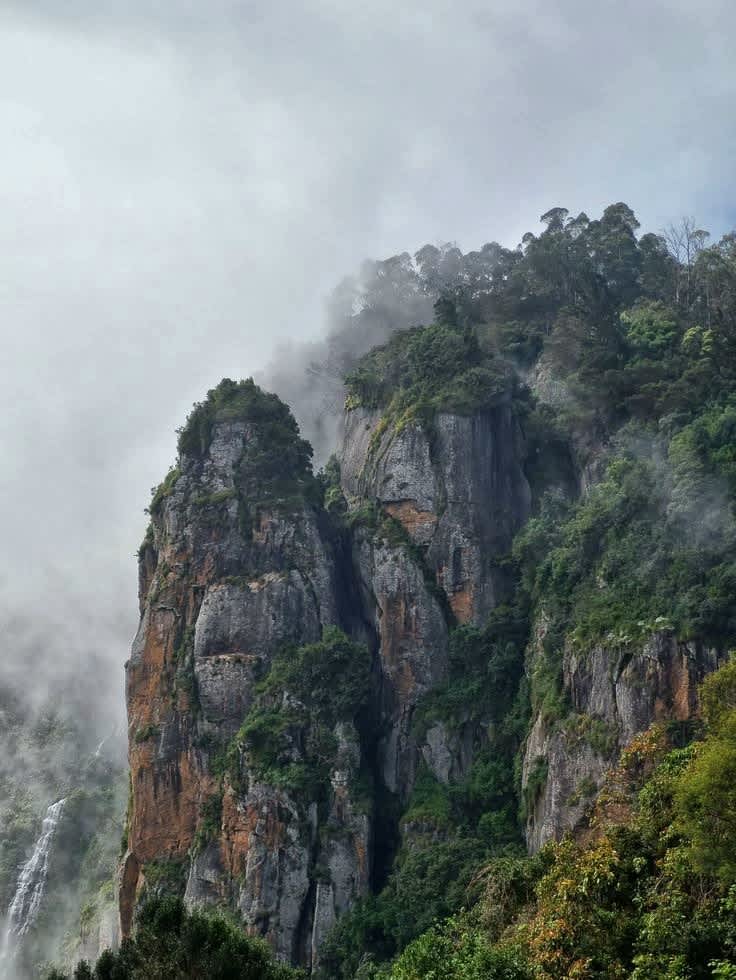
→Kodaikanal, the "Princess of Hill Stations" in Tamil Nadu's Palani Hills, sits at 2,133 meters and enchants visitors with its star-shaped Kodai Lake, shola forests, dramatic cliff-top viewpoints, and the rare Kurinji flowers that bloom in purple waves across the hillsides every 12 years. The Pillar Rocks — three vertical rock pillars rising 122 meters above a wooded valley — and the Bear Shola Falls are among the natural highlights, while the lake promenade lined with rental boats and picnicking families captures the town's leisurely atmosphere. Kodaikanal's cool, misty climate, flower nurseries, and home-made chocolates and eucalyptus oil make it a uniquely charming South Indian hill retreat.
73 km
Sabarimala
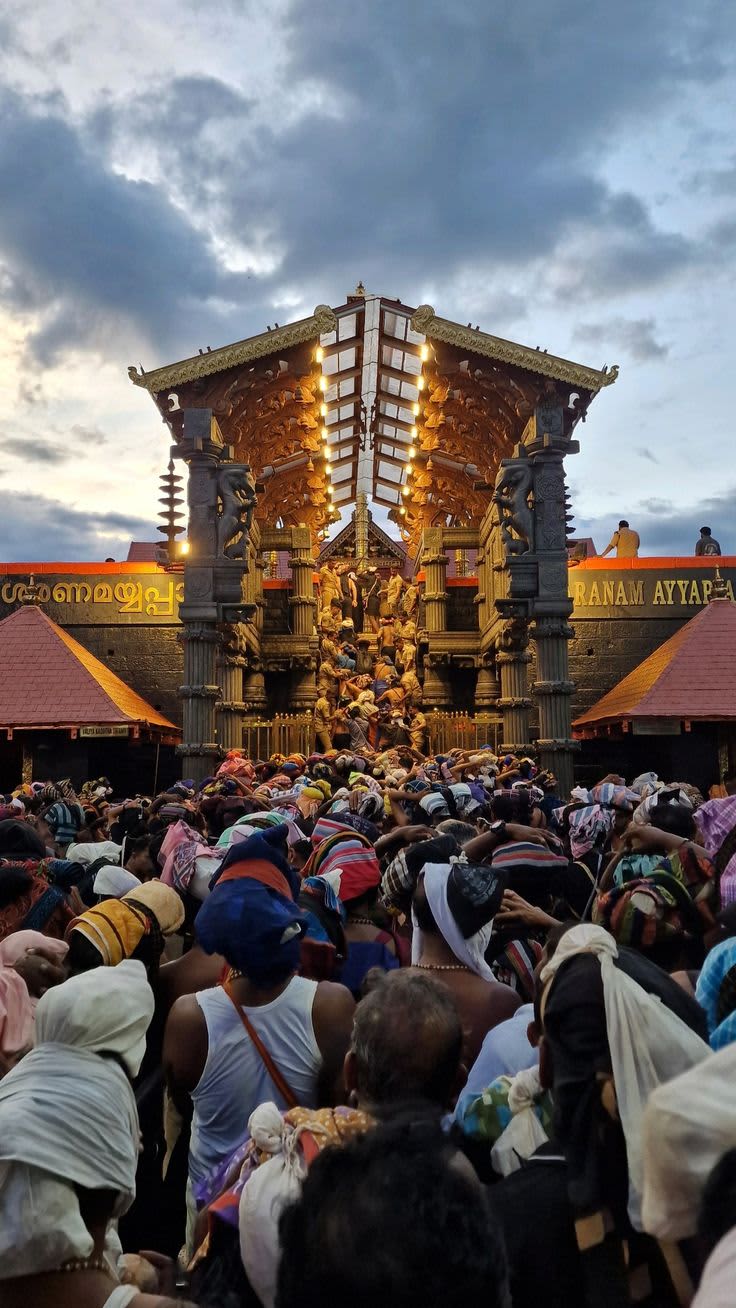
→Sabarimala, nestled in the forested hills of the Western Ghats in Kerala, is one of the largest Hindu pilgrimage sites in the world and the abode of Lord Ayyappa — a deity embodying dharma, celibacy, and universal brotherhood. The annual pilgrimage season from November to January sees millions of devotees, clad in traditional black attire, undertaking the challenging 5-kilometer trek through dense jungle to reach the hilltop shrine. The journey to Sabarimala is as much a physical and spiritual ordeal as it is an act of devotion, passing through the sacred 18 golden steps before reaching the temple.
98 km
Marari
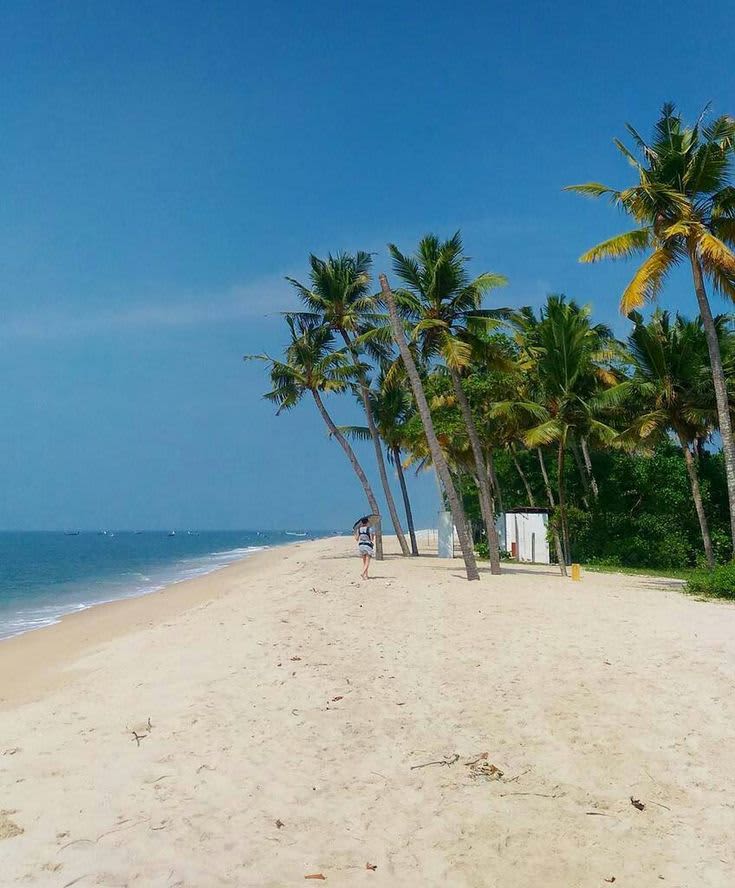
→Marari, a tranquil fishing village on Kerala's coast between Kochi and Alleppey (Alappuzha), is home to one of India's most pristine and uncrowded beaches — a long, flat stretch of powdery white sand backed by casuarina groves and coconut palms, where the only disturbance is the gentle lapping of the Arabian Sea. Unlike the more tourist-heavy beaches of Kovalam, Marari retains the authentic character of a Kerala fishing village, with traditional wooden boats drawn up on the sand and local fishermen mending their nets. Eco-friendly beach resorts offering authentic Kerala cuisine, Ayurvedic treatments, and yoga retreats make Marari a perfect slow-travel destination.
103 km
Alleppey
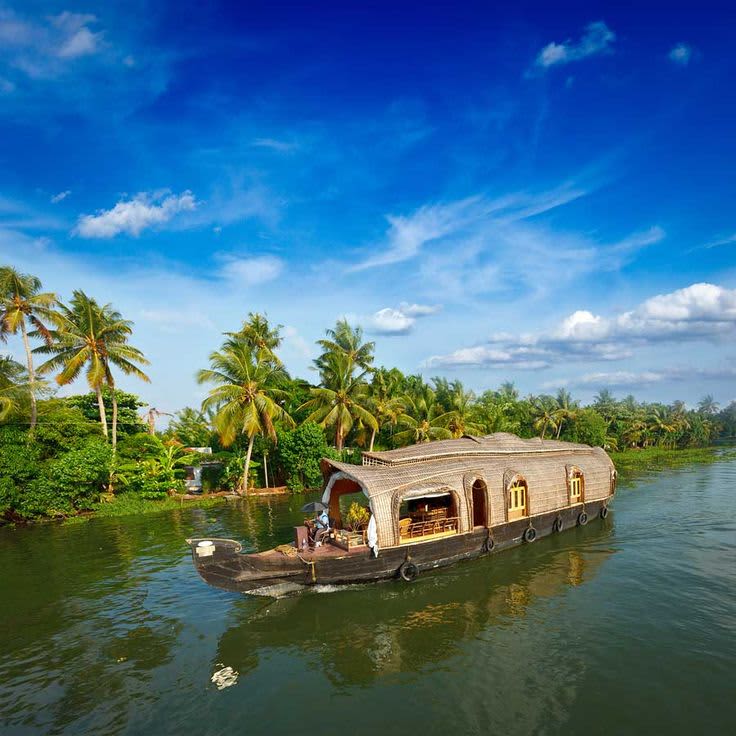
→Alleppey, officially Alappuzha and known as the Venice of the East, is the gateway to Kerala's celebrated backwaters — a 900-kilometer network of lakes, rivers, and canals that form one of the most enchanting and photogenic landscapes in India. A houseboat cruise through the palm-fringed waterways of the Kuttanad region, gliding past paddy fields, coconut groves, and traditional villages accessible only by water, is one of India's most quintessential travel experiences. The Nehru Trophy Boat Race held on Punnamada Lake in August, the beautiful Alleppey Beach, and the region's delectable Kerala seafood cuisine complete the backwater experience.
118 km
Madurai
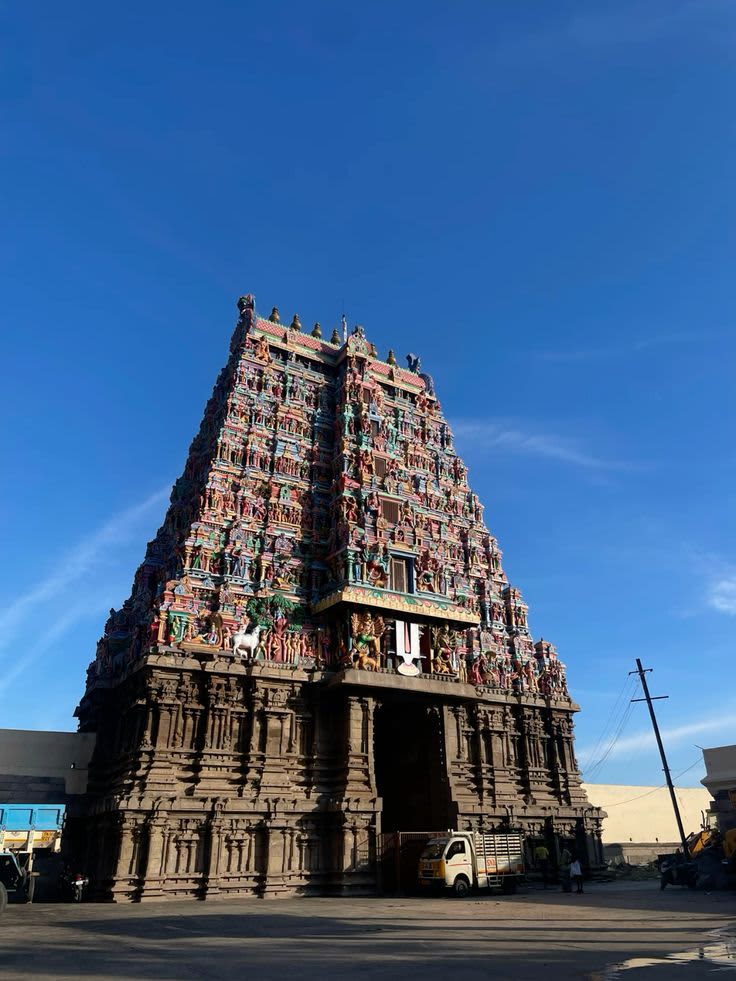
→Madurai, one of the oldest continuously inhabited cities in the world and a major pilgrimage hub in Tamil Nadu, is centered on the awe-inspiring Meenakshi Amman Temple — a Dravidian architectural masterpiece with 14 elaborately sculpted gopurams that tower over the city's skyline. Dedicated to the goddess Meenakshi and her consort Sundareswarar (Shiva), the temple complex with its celebrated Hall of Thousand Pillars and sacred Golden Lotus Tank draws millions of devotees and travelers each year. Madurai's vibrant jasmine flower markets, street food culture, and the evening temple ceremony make it one of South India's most atmospheric and spiritually alive cities.
144 km
Coonoor
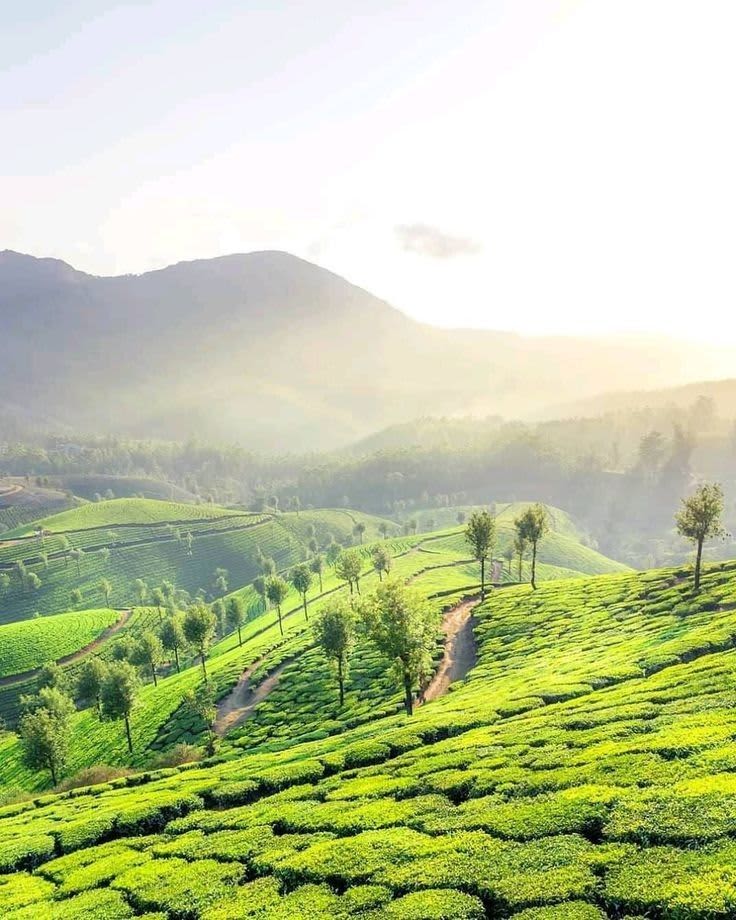
→Coonoor, the second-largest hill station in the Nilgiris after Ooty, is a tranquil retreat in Tamil Nadu known for its rolling tea plantations, colonial-era bungalows, and a refreshingly unhurried pace of life. The iconic Nilgiri Mountain Railway — a UNESCO World Heritage toy train — connects Coonoor to Ooty through breathtaking scenery of tea estates and forests. Sim's Park with its impressive botanical collection, the dramatic Dolphin's Nose viewpoint, and proximity to the organic tea gardens of the Nilgiris make Coonoor an ideal offbeat hill station getaway.

152 km
Ooty
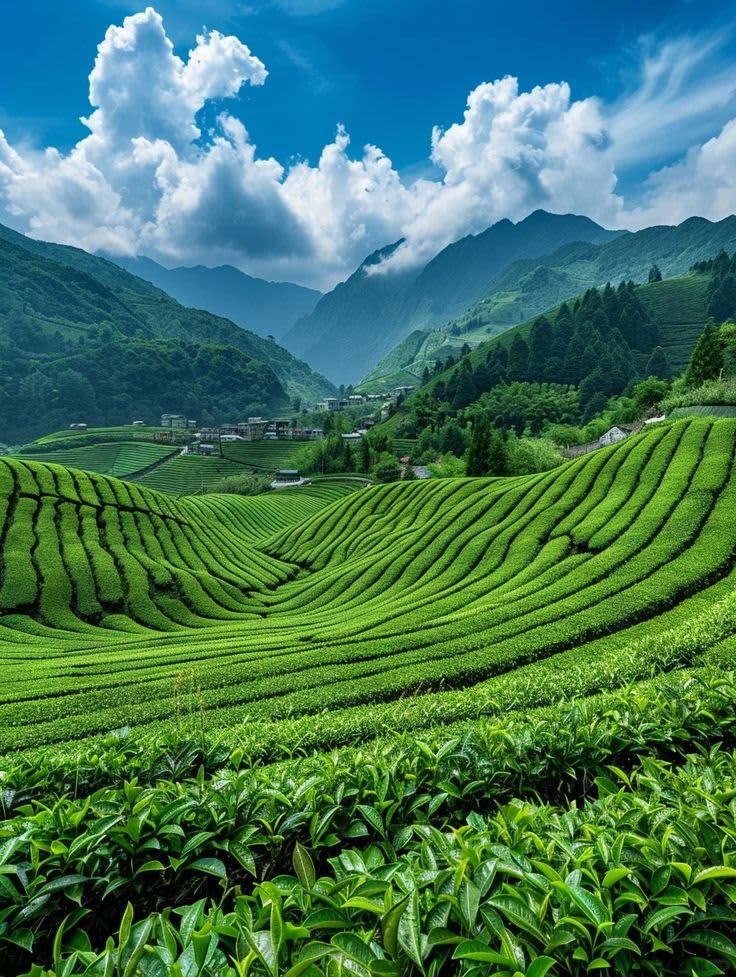
→Ooty, officially Udhagamandalam and fondly called the "Queen of Hill Stations," is the crown jewel of Tamil Nadu's Nilgiri Hills, famed for its lush botanical gardens, shimmering Ooty Lake, and the iconic UNESCO-listed Nilgiri Mountain Railway toy train. The cool climate, eucalyptus and pine forests, and terraced tea gardens make Ooty a perennial summer escape and a popular honeymoon destination. The Government Botanical Gardens with over 650 plant species, Doddabetta Peak with panoramic Nilgiri views, and the charming colonial bazaars make Ooty one of South India's most enduring travel classics.

155 km
Varkala
→Varkala, perched on dramatic red laterite cliffs above the Arabian Sea in Kerala, is unlike any other beach destination in India — a bohemian clifftop promenade of yoga centers, Ayurvedic treatment centers, seafood restaurants, and beach boutiques overlooking the strikingly beautiful Papanasam Beach below. According to Hindu belief, a dip in the Papanasam Beach's waters washes away sins, and the ancient Janardhanaswamy Temple overlooking the sea adds deep spiritual significance to this natural paradise. Varkala's unique clifftop character, the mesmerizing Arabian Sea sunsets, and the availability of traditional Kerala Ayurveda make it one of South India's most distinctive beach destinations.
188 km
Kovalam
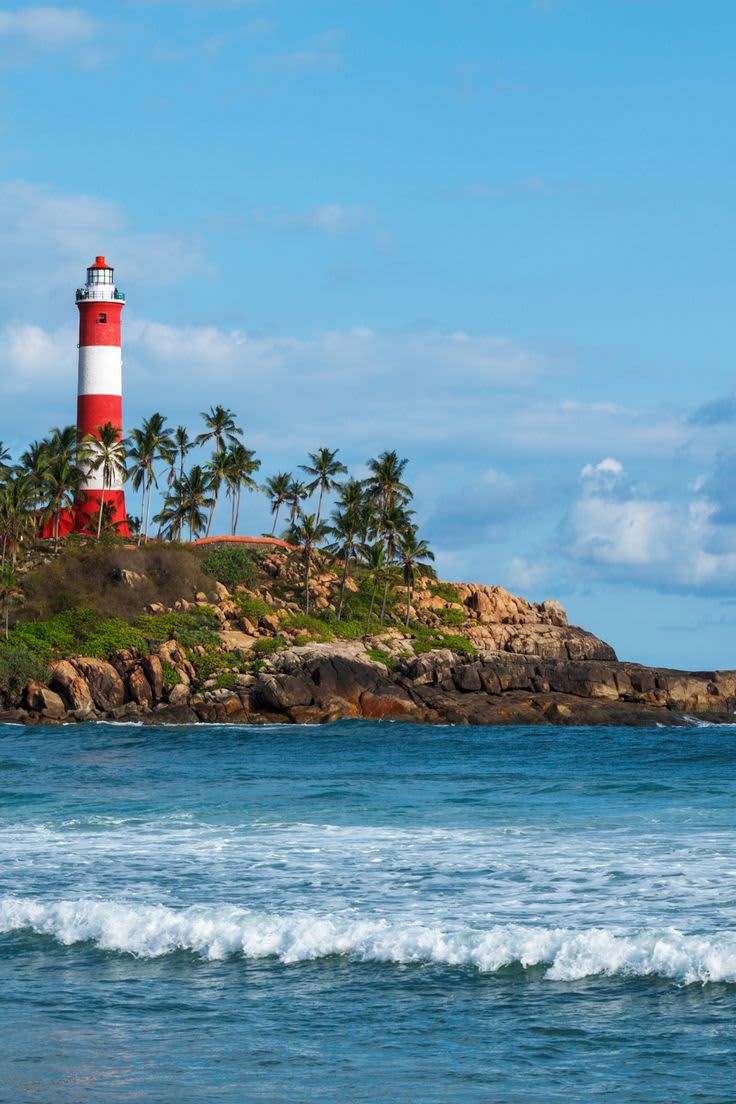
→Kovalam, a crescent-shaped beach town on Kerala's Thiruvananthapuram coast, is one of South India's most celebrated beach destinations, famed for its trio of palm-lined beaches — Lighthouse Beach, Hawa Beach, and Samudra Beach — each offering a distinct character from vibrant and bustling to quiet and serene. The iconic red-and-white striped lighthouse on the headland between Lighthouse and Hawa Beach is the symbol of Kovalam and offers panoramic views of the coastline. World-class Ayurvedic treatment centers, fresh seafood restaurants, sunset boat rides, and the proximity to the cultural riches of Thiruvananthapuram make Kovalam the ideal Kerala beach holiday destination.
204 km
Wayanad
→Wayanad, a verdant district in Kerala's northeastern highlands bordering Karnataka and Tamil Nadu, is a treasure chest of biodiversity, ancient tribal culture, and misty plantation landscapes. The Wayanad Wildlife Sanctuary, part of the Nilgiri Biosphere Reserve, shelters elephants, tigers, leopards, and a spectacular variety of birds. Bamboo rafting on the Kabini River, exploring the prehistoric Edakkal Caves with their neolithic carvings, and trekking to the majestic Chembra Peak — the highest in Wayanad — are experiences that make this district an extraordinary eco-tourism destination.