Things to do in Mumbai
Things to do in Mumbai
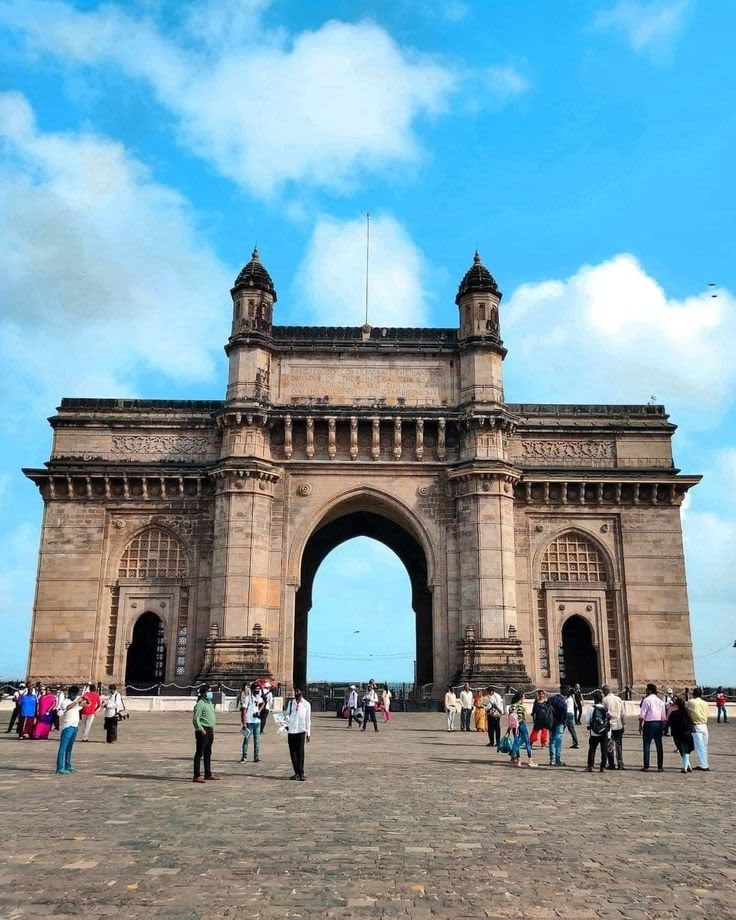
Mumbai, India's Maximum City and financial capital, is a teeming, dynamic metropolis of 20 million people where Bollywood glamour, colonial grandeur, cutting-edge fashion, and ancient fishing villages all collide in an exhilarating urban tapestry unlike anywhere else on earth. The iconic Gateway of India overlooking the Arabian Sea, the UNESCO-listed Chhatrapati Shivaji Maharaj Terminus railway station, and the elegant promenade of Marine Drive are symbols of Mumbai's unique civic pride. From the street food heaven of Mohammed Ali Road and Juhu Beach to the art deco architecture of Oval Maidan and the vibrant gallery scene of Colaba, Mumbai is a city that rewards every type of curious traveler.
- No photoLeisure / SightseeingView full guide
1–2 hours
Marine Drive Walk
Stroll the 3.6 km Queen's Necklace — Marine Drive's sweeping art-deco promenade curving along the Arabian Sea. The boulevard is lined with 1930s–40s Art Deco buildings (the world's largest intact Art Deco ensemble outside Miami), making it a UNESCO aspirant site. The view of the crescent bay lit by street lamps at night forms a perfect necklace of light.
- No photoHeritage / SightseeingView full guide
Full day
Heritage Tour
Explore Mumbai's extraordinary architectural layering — the Gateway of India (1924, Indo-Saracenic arch), Chhatrapati Shivaji Maharaj Terminus (1887, UNESCO — Gothic-meets-Mughal architecture), the Rajabai Clock Tower, Mumbai High Court, and the recently restored Art Deco Regal Cinema on Colaba Causeway.
- No photoCulinaryView full guide
2–4 hours
Street Food Tour
Devour Mumbai's legendary street food — vada pav (Mumbai's own potato dumpling burger), pav bhaji (buttery vegetable mash with soft buns) at Trishna or Cannon, bhel puri and sev puri at Chowpatty Beach, Juhu's mixed-cuisine street food strip, Sarvi restaurant's Mughlai cuisine in Byculla, and the iconic Irani cafes (Kyani & Co., Café Britannia).
- No photoEntertainment / CulturalView full guide
3–4 hours
Bollywood Studio Visit
Tour Film City (Goregaon) — Mumbai's 520-acre sprawling film production complex where most Bollywood films are shot. Behind-the-scenes tours show active film sets, costume departments, and studios. Alternatively, visit the Film Heritage Foundation's archive for a deeper look at Indian cinema history.
- No photoHeritageView full guide
4–5 hours (including ferry)
Elephanta Caves
Take a ferry to Elephanta Island (9 km from Gateway of India) — a UNESCO World Heritage Site containing extraordinary 5th–8th century rock-cut cave temples dedicated to Shiva. The massive Trimurti (Shiva with three faces — Creator, Preserver, Destroyer) sculpture in Cave 1 is considered one of Indian sculpture's supreme masterpieces.
- No photoCultural / SocialView full guide
2–3 hours
Dharavi Tour
Experience the human ingenuity and entrepreneurial spirit of Dharavi — one of Asia's largest informal settlements and a powerhouse economy generating ₹700 crore annually. Responsible guided tours reveal pottery workshops, leather tanneries, recycling units, bakeries, and the residential lanes of a self-sustaining micro-city within the city.