Best Places Similar in Mumbai
Best Places Similar to Mumbai
Mumbai, India's Maximum City and financial capital, is a teeming, dynamic metropolis of 20 million people where Bollywood glamour, colonial grandeur, cutting-edge fashion, and ancient fishing villages all collide in an exhilarating urban tapestry unlike anywhere else on earth. The iconic Gateway of India overlooking the Arabian Sea, the UNESCO-listed Chhatrapati Shivaji Maharaj Terminus railway station, and the elegant promenade of Marine Drive are symbols of Mumbai's unique civic pride. From the street food heaven of Mohammed Ali Road and Juhu Beach to the art deco architecture of Oval Maidan and the vibrant gallery scene of Colaba, Mumbai is a city that rewards every type of curious traveler.
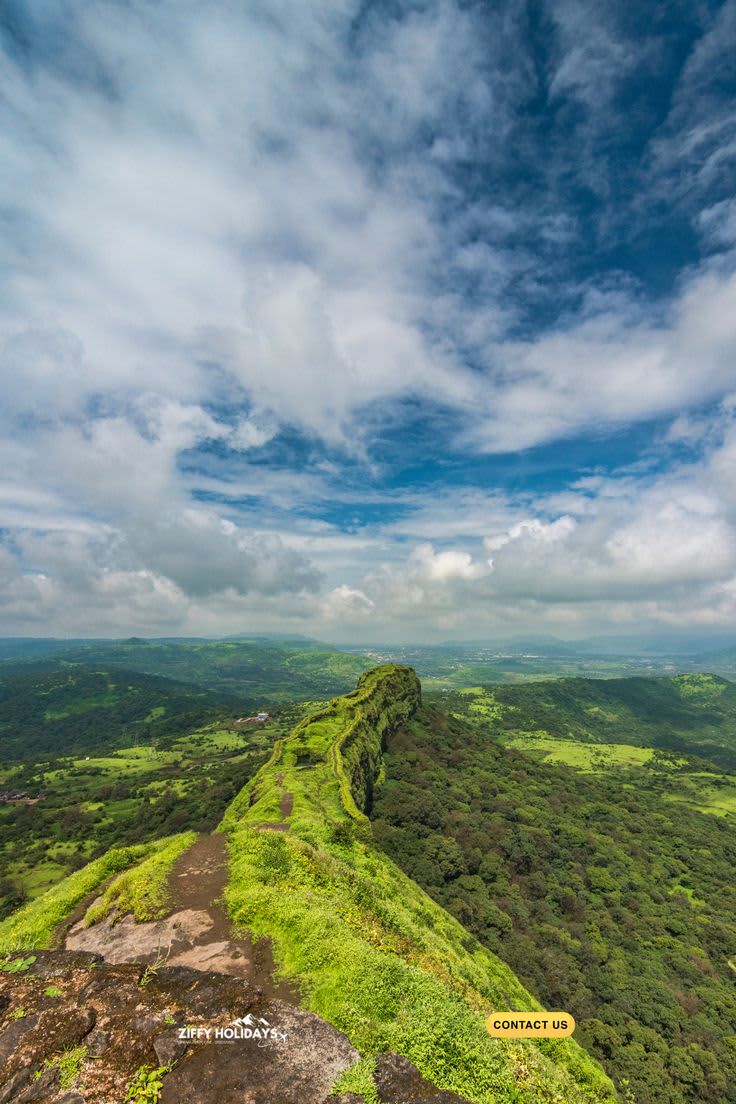
Lonavala
→Lonavala, a popular hill station in Maharashtra's Sahyadri range midway between Mumbai and Pune, is famous across Maharashtra for two things above all else: its spectacular monsoon waterfalls and the irresistible sticky chikki candy made from jaggery and nuts that is synonymous with the town. The Bhushi Dam, Kune Falls, and the dramatic Rajmachi Fort trek are the most beloved attractions, while the mysterious Karla and Bhaja rock-cut Buddhist caves dating back to the 2nd century BCE add surprising historical depth to what might otherwise be seen as a weekend getaway destination. Lonavala's proximity to Mumbai and Pune makes it perpetually popular, but its natural beauty rewards every visit.
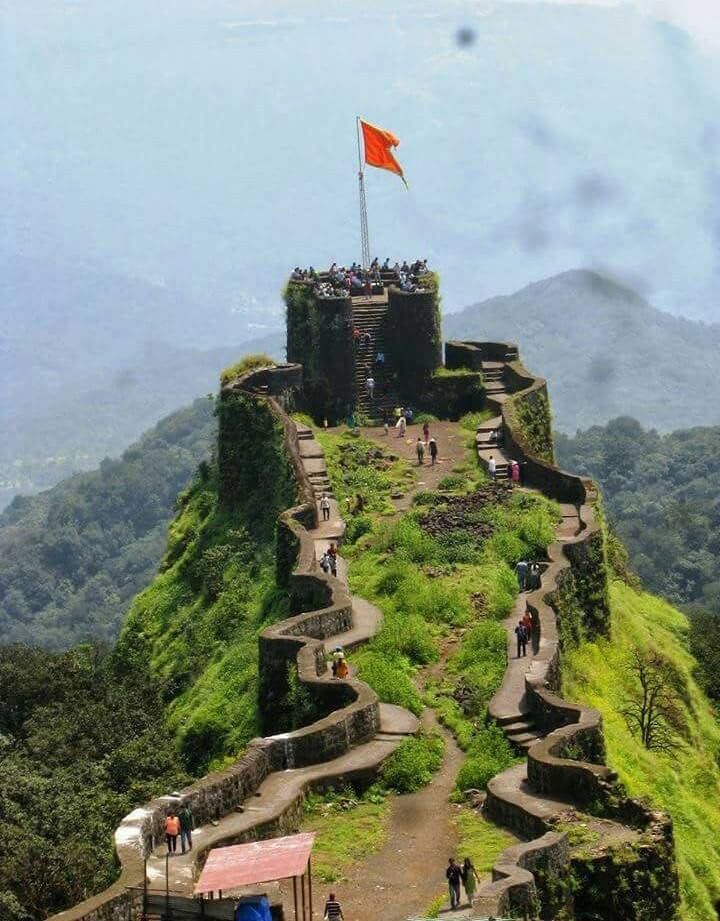
Mahabaleshwar
→Mahabaleshwar, at 1,353 meters in the Sahyadri Hills of Maharashtra, is the state's most popular hill station and the summer capital of the Bombay Presidency during British times, renowned for its spectacular valley viewpoints, lush strawberry farms, and the panoramic Wilson Point from which the sunrise over the Western Ghats is one of Maharashtra's most beautiful sights. The Arthur's Seat viewpoint, known as the Queen of all Points, the sacred Krishnabai Temple at the source of the Krishna River, and the old colonial town of Old Mahabaleshwar with its charming 16th-century stone church add historical depth to the scenic beauty. Fresh strawberries, cream, and the local chikki candy make Mahabaleshwar's food as memorable as its views.
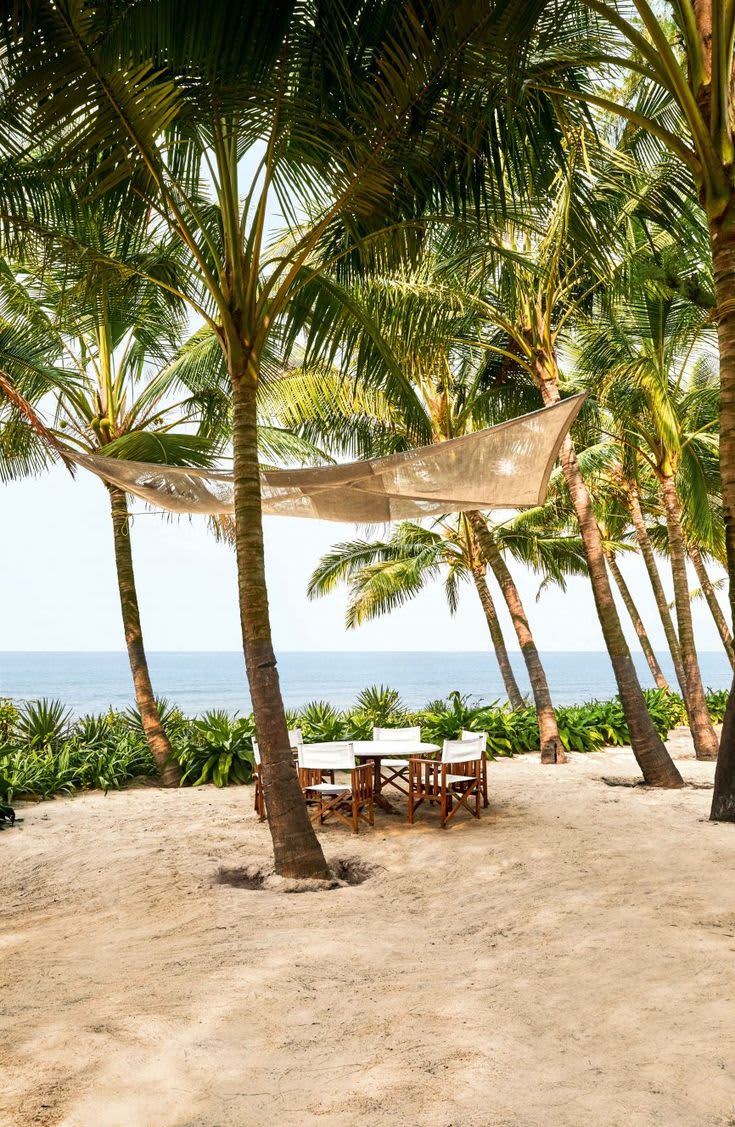
Alibaug
→Alibaug, a coastal town in Maharashtra's Raigad district just 100 kilometers south of Mumbai and accessible by a scenic ferry ride from the Gateway of India, is the preferred beach escape for Mumbaikars and is increasingly popular for its luxury beach resorts, water sports, and historic Maratha coastal forts. The Kulaba Fort rising dramatically from the sea near Alibaug beach, the beautiful Kashid Beach, and the forested hillsides of the Konkan coastline make Alibaug a scenic destination beyond its role as a city escape. The region's fresh seafood, particularly the Alibag seafood thali, and the lush Konkan landscape in monsoon make Alibaug particularly enchanting from June to September.
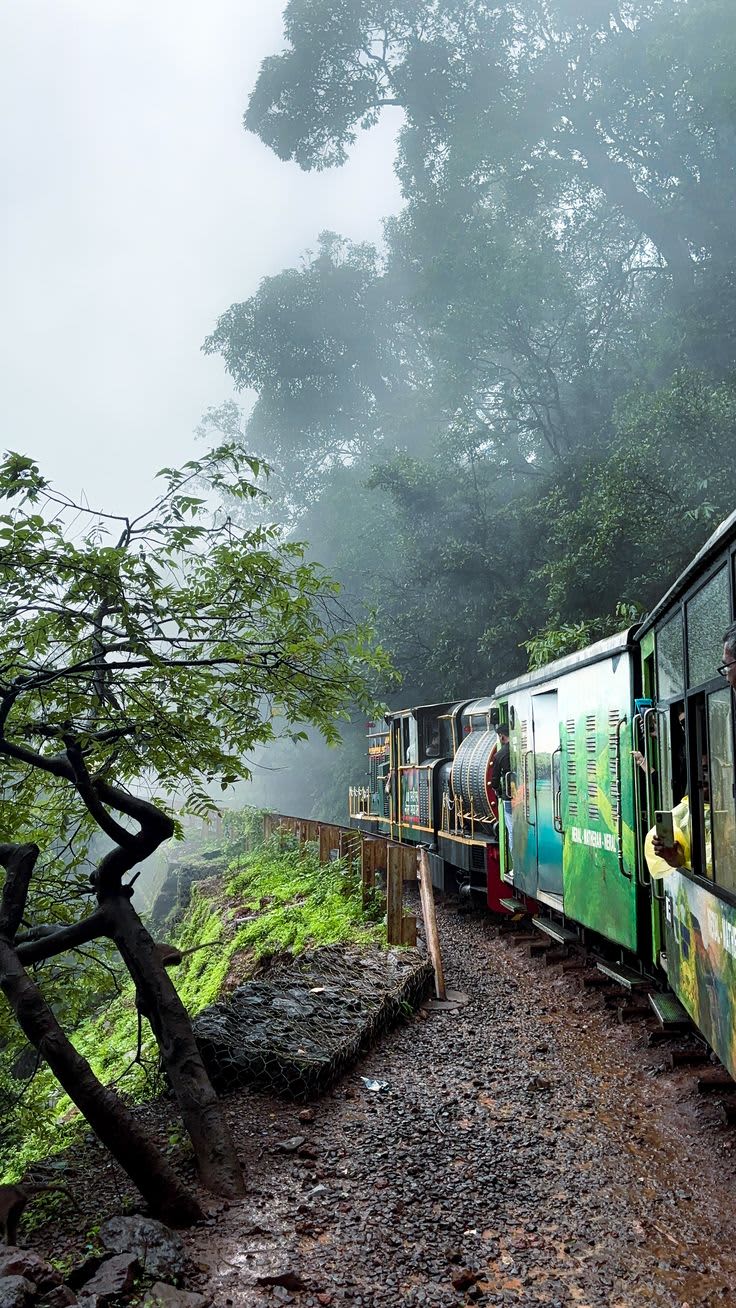
Matheran
→Matheran, nestled in the Sahyadri Hills at 800 meters just 90 kilometers from Mumbai, holds the unique distinction of being Asia's only automobile-free hill station — a haven of absolute peace where the only sounds are birdsong, rustling leaves, and the charming whistle of the narrow-gauge toy train from Neral. The 38 viewpoints around the town, including Echo Point, Porcupine Point, and the One Tree Hill panorama, offer spectacular views of the Sahyadri valleys below, particularly magical during and after the monsoon. Matheran's car-free lanes, horse rides, red laterite paths through dense forests, and the heritage toy train journey make it a uniquely restorative escape from urban Maharashtra.
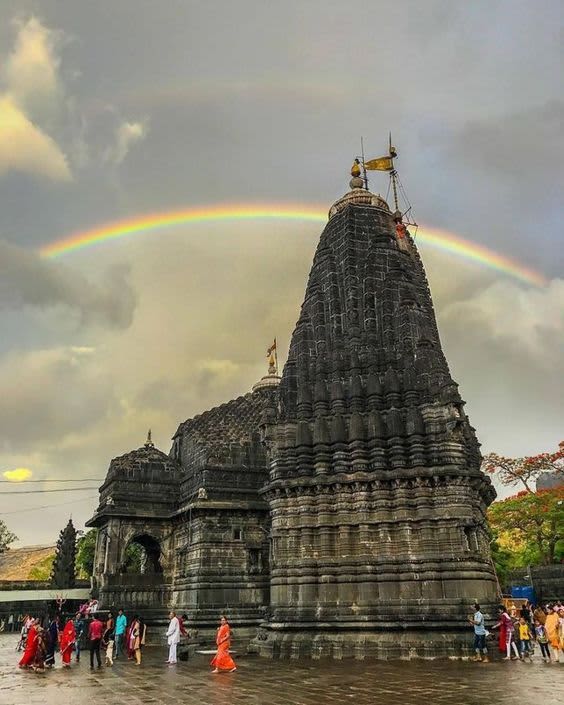
Nashik
→Nashik, situated on the banks of the holy Godavari River in Maharashtra, is one of India's most important pilgrimage cities and one of the four sacred venues for the Kumbh Mela, the world's largest human gathering. The city is famous for its ghats along the Godavari, the Panchavati area associated with the Ramayana, and the ancient cave temples of Pandavleni. Nashik also sits at the heart of India's most celebrated wine country, the Sula Vineyards and surrounding wine region, making it a uniquely dual destination that appeals to both pilgrims and modern lifestyle travelers.
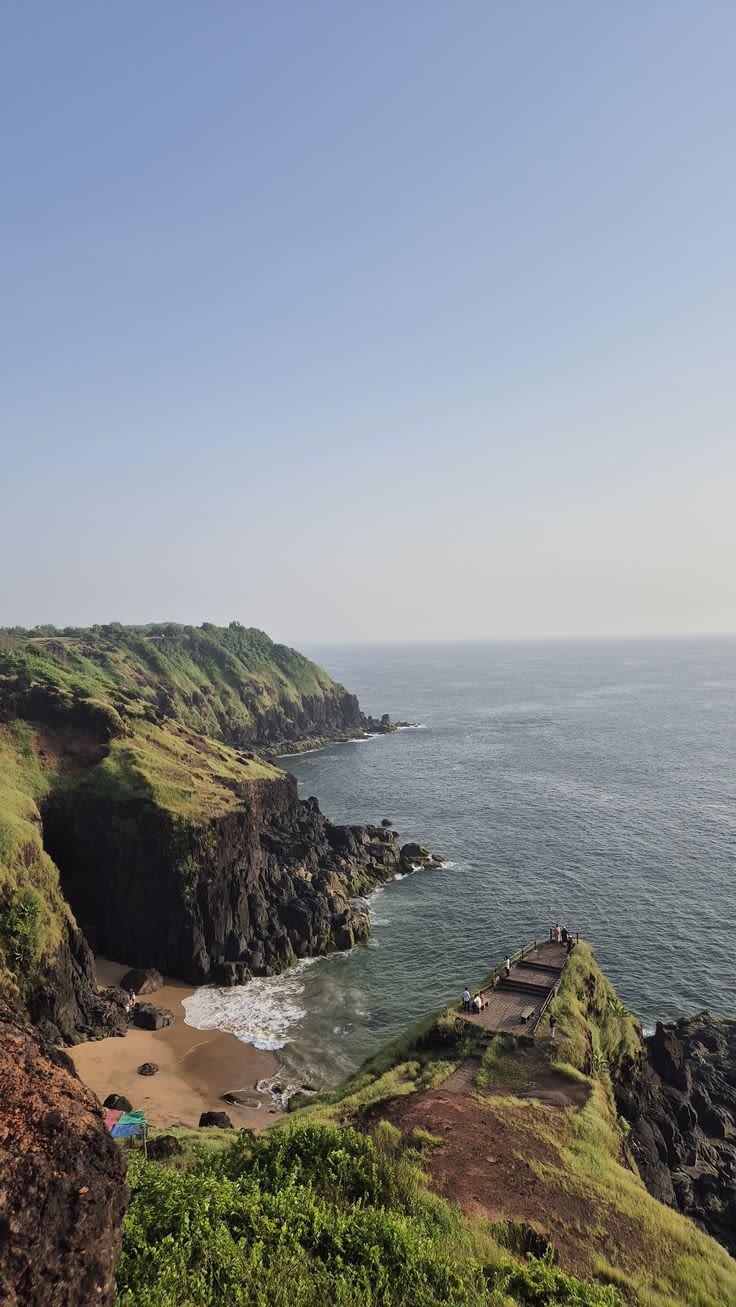
Tarkarli
→Tarkarli, a pristine beach destination in Maharashtra's Sindhudurg district, is one of India's best-kept coastal secrets — a hidden paradise of white sand beaches, the clearest shallow waters on the Konkan coast, and a rich underwater world that has earned it the nickname of the "Poor Man's Andaman." The spectacular scuba diving and snorkeling in the crystal-clear waters off Tarkarli Beach, the backwater boat rides on the Karli River estuary through dense mangroves, and the centuries-old Sindhudurg Fort built by Chhatrapati Shivaji Maharaj on an island offshore are the destination's crown jewels. Tarkarli's fresh cashew feni, Malvani seafood cuisine, and unhurried pace make it a destination of authentic Konkan charm.
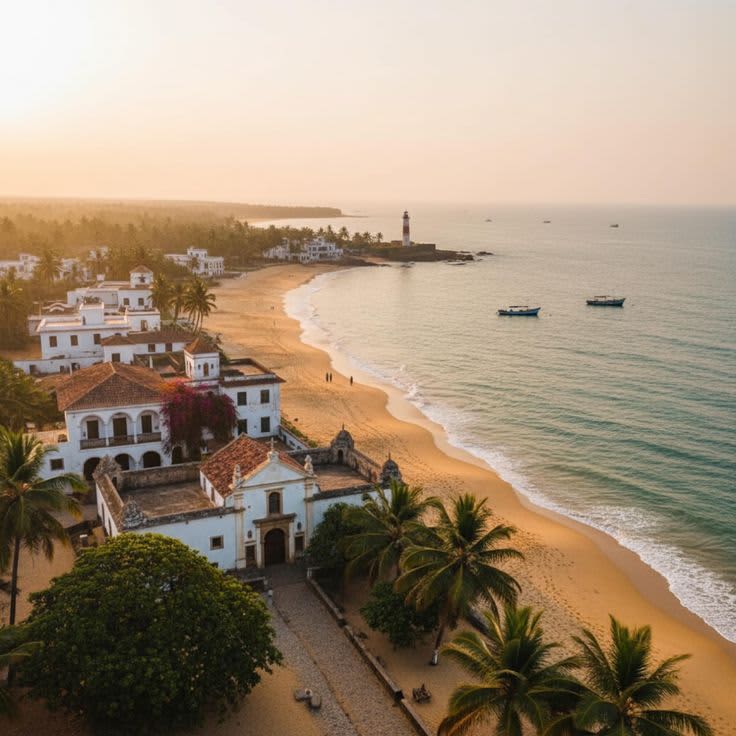
Daman
→Daman, a Union Territory on India's western coast north of Mumbai, is a compact beach destination with a distinctive Portuguese colonial heritage visible in its old churches, forts, and cobbled streets. The Moti Daman Fort and Nani Daman Fort, both well-preserved Portuguese bastions from the 16th century, flank the Damanganga River mouth and reflect Daman's four centuries of Portuguese rule before independence in 1961. The relatively uncrowded Jampore and Devka beaches, the Church of Bom Jesus, and the duty-free liquor policy that makes Daman popular with visitors from neighboring dry state Gujarat add to the town's laid-back beach holiday appeal.
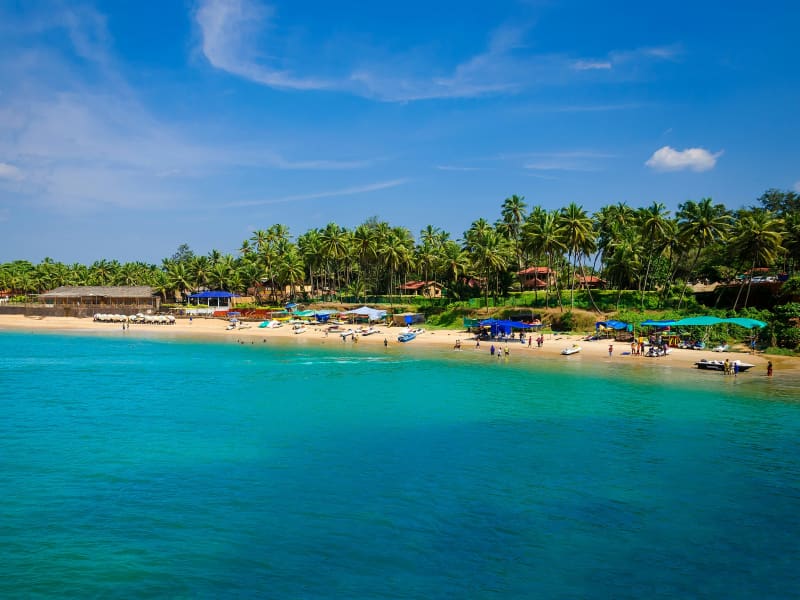
Goa
→Goa, India's smallest state nestled on the Konkan Coast, is the country's premier beach destination and a unique cultural fusion of Portuguese colonial heritage, vibrant Hindu traditions, and a cosmopolitan party spirit that draws millions of domestic and international tourists year-round. From the lively club scene of Baga and Calangute in North Goa to the serene palm-fringed shores of Palolem and Agonda in the south, Goa caters to every type of traveler. The spice markets of Old Goa, the baroque cathedrals and churches of Portuguese heritage, the seafood shacks on the beach, and the legendary Goa Carnival make this coastal paradise endlessly appealing.
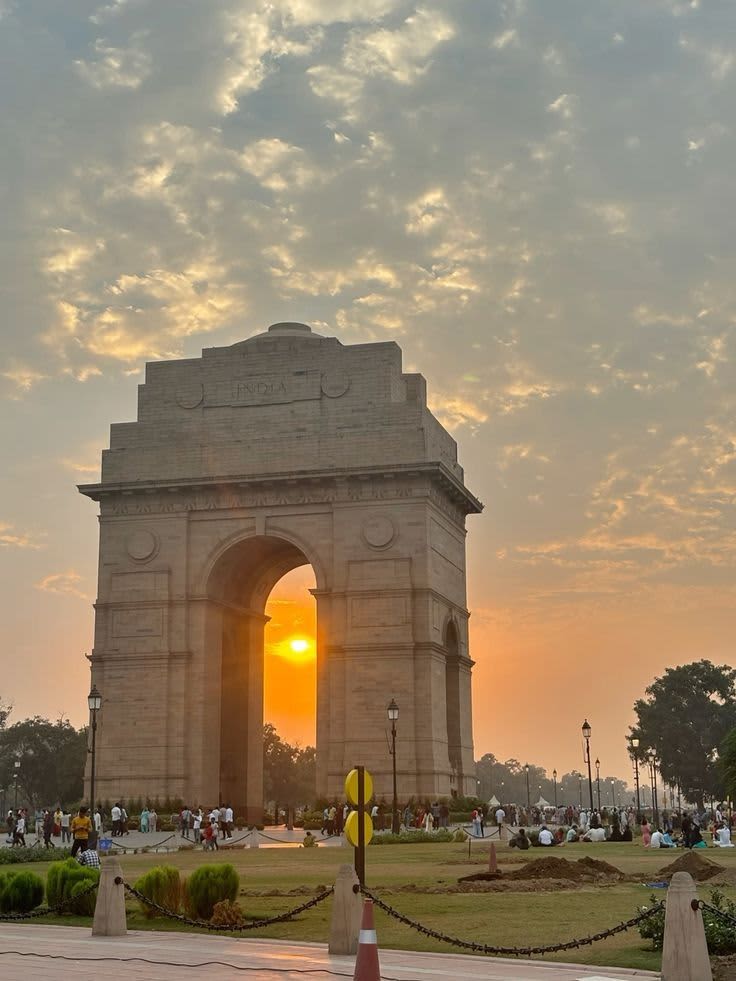
Delhi
→Delhi, India's sprawling national capital, is one of the world's oldest continuously inhabited cities and a living tapestry of civilizations spanning 5,000 years, from the medieval lanes of Shahjahanabad to the wide boulevards of Lutyens' Delhi. UNESCO World Heritage Sites like the Red Fort, Humayun's Tomb, and the Qutub Minar stand alongside the modern parliament buildings and a world-class metro system. Delhi's extraordinary street food scene — from Old Delhi's parathas to Chandni Chowk's jalebis — and its vibrant markets, Mughal monuments, and cultural institutions make it an endlessly compelling destination.

Ajanta Caves
→The Ajanta Caves, a UNESCO World Heritage Site in Maharashtra, comprise 30 rock-cut Buddhist cave monuments excavated between the 2nd century BCE and 480 CE containing the finest surviving examples of ancient Indian art — murals and sculptures of extraordinary refinement and beauty that depict the life of Buddha and Jataka tales with a naturalism and emotional depth that influenced Buddhist art across Asia. The paintings, preserved in remarkable condition within the caves' controlled environment, are considered among the greatest works of art in human history. Rediscovered by a British hunting party in 1819 after centuries of jungle overgrowth, Ajanta remains one of the most awe-inspiring artistic and archaeological treasures in India.