Best Places Similar in Kedarnath
Best Places Similar to Kedarnath
Kedarnath, one of the twelve Jyotirlingas of Shiva and the highest of the four Char Dham pilgrimage sites, sits at a staggering altitude of 3,583 meters in the Garhwal Himalayas of Uttarakhand, accessible only by an 18-kilometer trek through breathtaking Himalayan scenery. The ancient Kedarnath Temple, believed to have been originally built by the Pandavas of the Mahabharata and reconstructed by Adi Shankaracharya in the 8th century, stands surrounded by glaciers and snow-capped peaks — a setting of overwhelming natural grandeur and spiritual power. The temple is open only from May to November, and the annual opening ceremony with the Shiva idol's arrival is a profoundly moving experience.
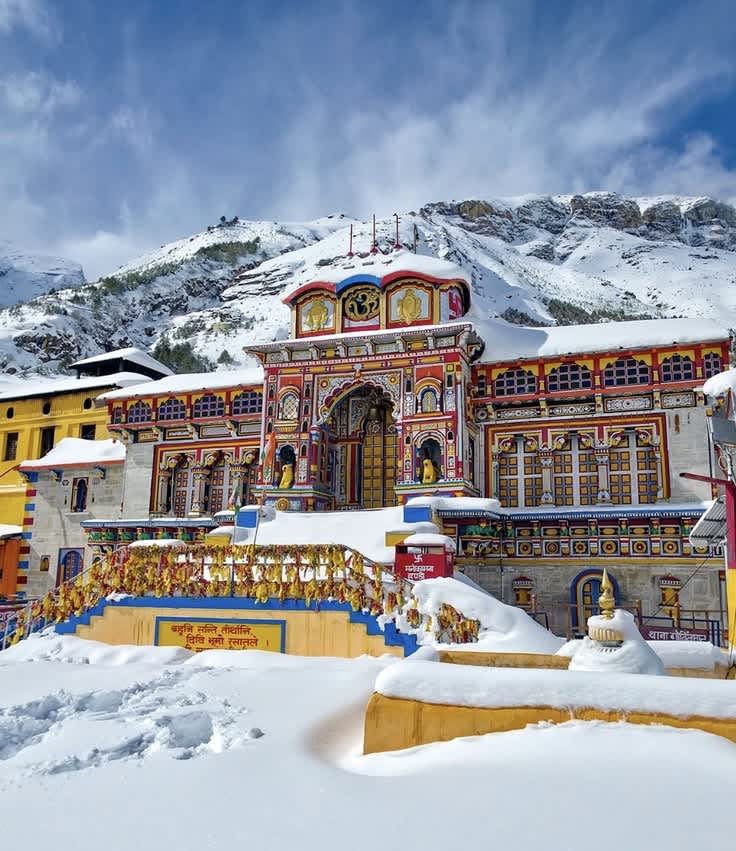
Badrinath
→Badrinath, one of the most revered Vishnu shrines in Hinduism and the final destination on the Char Dham pilgrimage circuit, sits at 3,133 meters in the Garhwal Himalayas of Uttarakhand on the banks of the Alaknanda River. The colorful Badrinath Temple, framed by the towering Nilkantha Peak, draws hundreds of thousands of pilgrims during its six-month opening season each year. The nearby Tapt Kund hot springs for ritual bathing, the mythologically significant Brahma Kapal ghat, and the Valley of Flowers and Hemkund Sahib nearby make Badrinath a destination of extraordinary spiritual and natural richness.
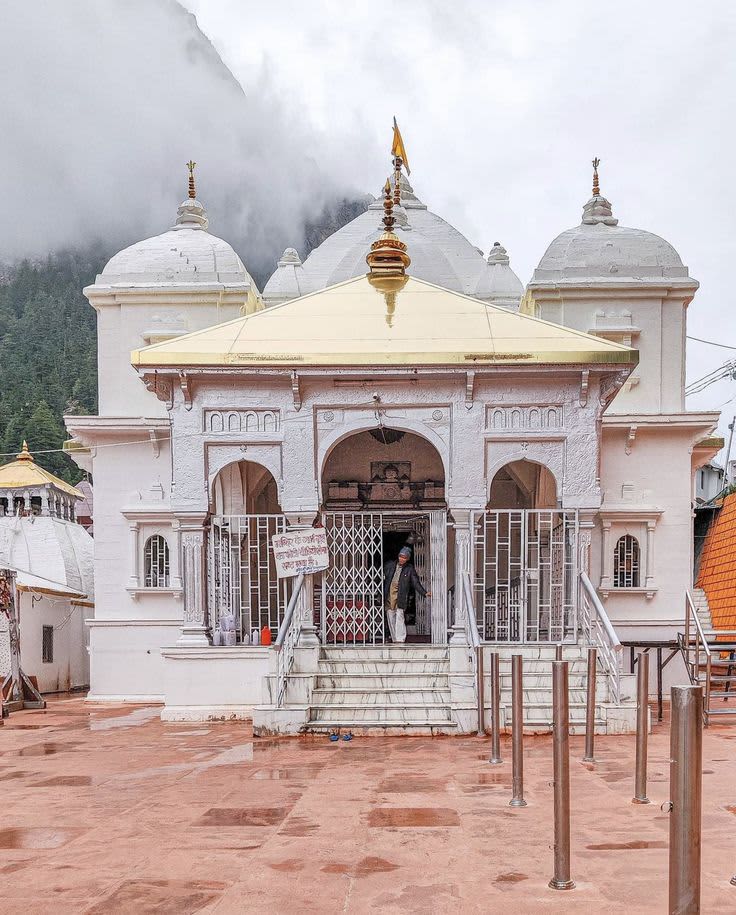
Gangotri
→Gangotri, situated at 3,100 meters in the Uttarkashi district of Uttarakhand, is the site of the Gangotri Temple dedicated to the River Goddess Ganga and the starting point for the trek to Gaumukh — the actual glacial source of the holy Ganges River. One of the four sacred Char Dham pilgrimage sites, Gangotri is believed to be the place where the sage Bhagirath meditated for thousands of years to bring the divine river Ganga to earth. The dramatic setting amid soaring Himalayan peaks, including the magnificent Bhagirathi group visible from the temple, makes Gangotri as visually awe-inspiring as it is spiritually significant.
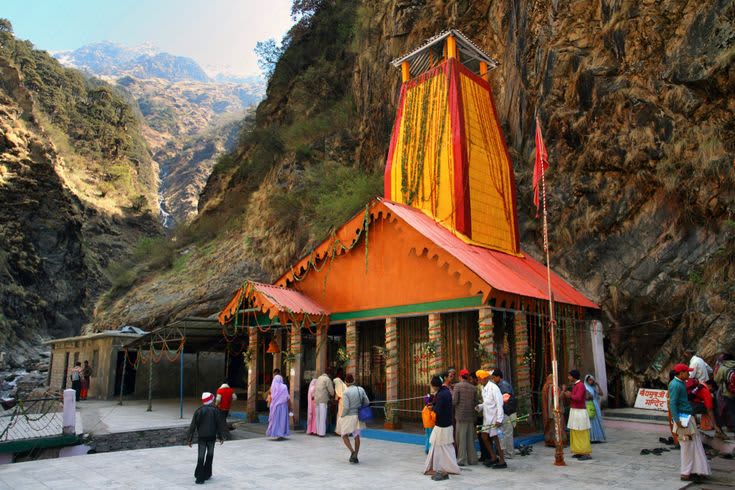
Yamunotri
→Yamunotri, the source of the sacred Yamuna River and the first stop on the Char Dham pilgrimage circuit in Uttarakhand, sits at 3,293 meters in the Garhwal Himalayas and can only be reached by a 6-kilometer trek from Janki Chatti through majestic mountain scenery. The Yamunotri Temple, dedicated to the goddess Yamuna, is flanked by natural thermal springs where pilgrims cook rice and potatoes in the boiling water as a sacred offering. The Divya Shila rock pillar near the temple and the dramatic glacial Champasar Glacier above form a setting of raw Himalayan grandeur that leaves a lasting spiritual impression.
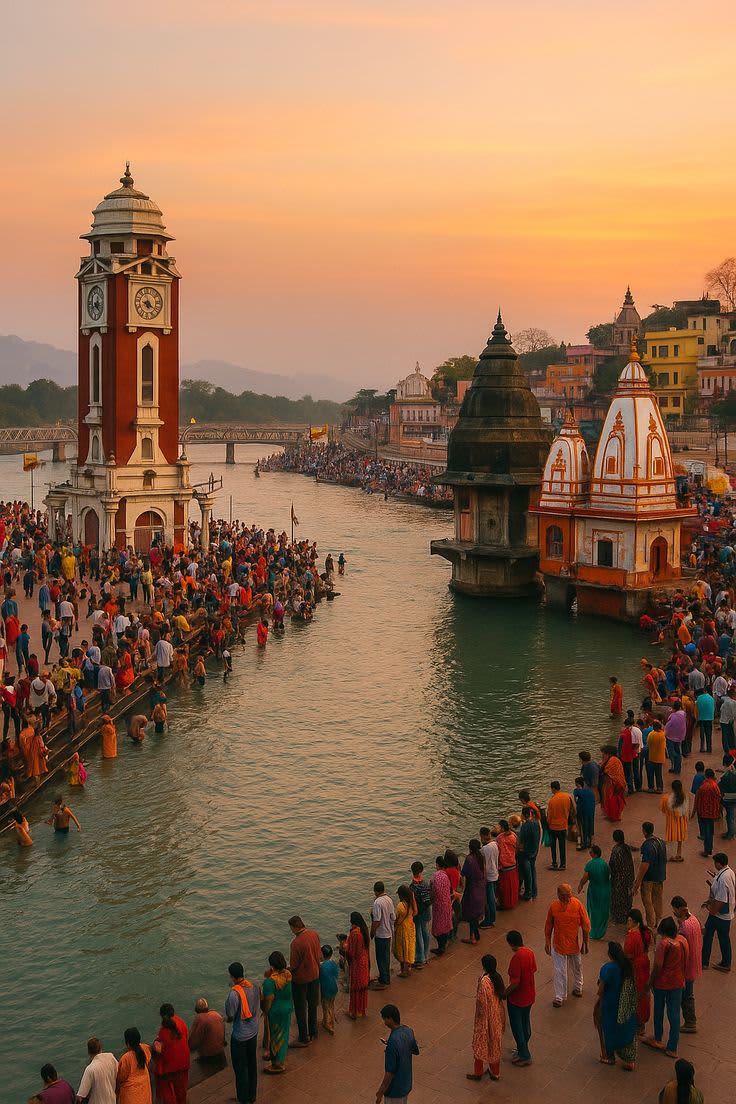
Haridwar
→The holy city of Haridwar translates to "Gateway to God," and this breathtaking destination, replete with ancient temples and sacred ghats, is a magnet for religious pilgrims from all over the globe. Religious festivals like Kumbh Mela and Kanwar Yatra hold further draw, and visitors can't help but be compelled by the city's aura of intense spirituality. Don't miss the iconic Har ki Pauri ghat and the hilltop Chandi Devi Temple.
Rishikesh
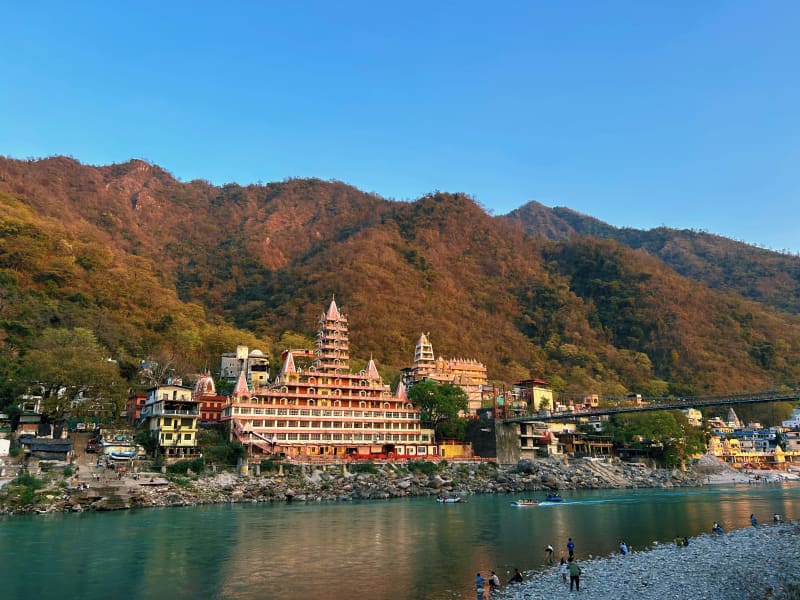
→Nestled in the foothills of the Himalayas along the banks of the sacred Ganges, Rishikesh is celebrated as the Yoga Capital of the World and a premier adventure destination in India. Spiritual seekers flock here for ashrams, meditation retreats, and the mesmerizing Ganga Aarti at Triveni Ghat, while thrill-seekers come for world-class white-water rafting, bungee jumping, and trekking. The iconic Lakshman Jhula suspension bridge and the vibrant café culture of the Beatles Ashram make Rishikesh an unmissable stop on any northern India itinerary.
Chopta
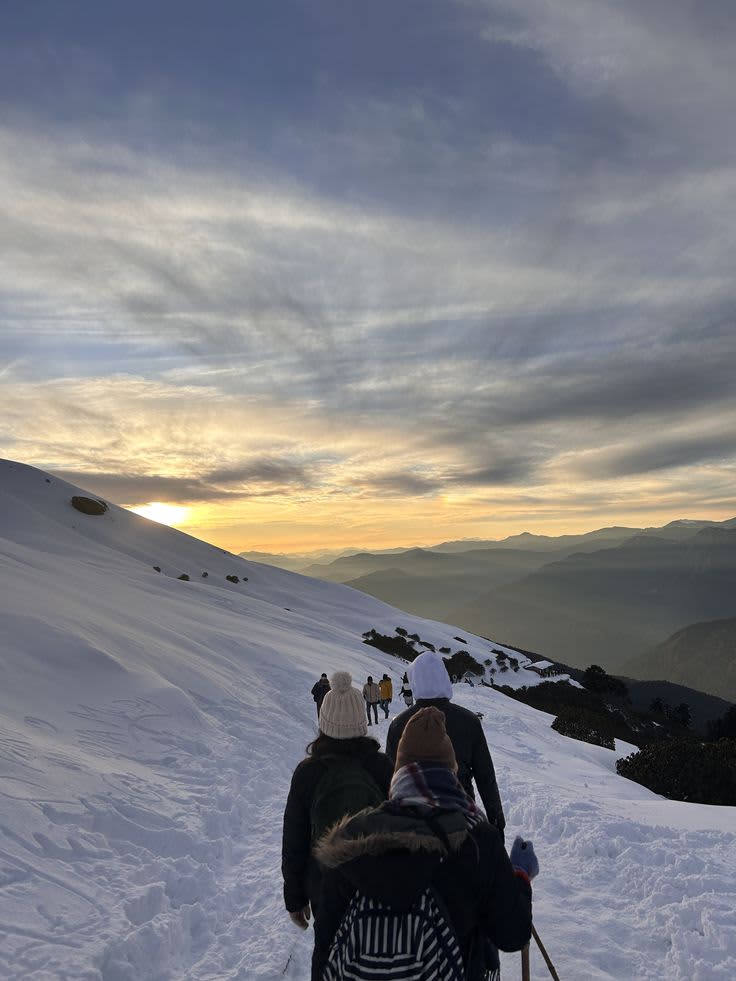
→Chopta, often called the "Mini Switzerland of Uttarakhand," is a serene meadow destination in the Rudraprayag district at an altitude of 2,700 meters and one of the best-kept secrets of the Garhwal Himalayas. It serves as the base camp for the highly revered trek to Tungnath — the world's highest Shiva temple — and further up to the Chandrashila Peak, which offers jaw-dropping panoramic views of peaks like Kedarnath, Chaukhamba, Trishul, and Nanda Devi. Chopta's dense rhododendron forests and undisturbed natural beauty make it a paradise for birdwatchers, trekkers, and nature photographers.
Auli
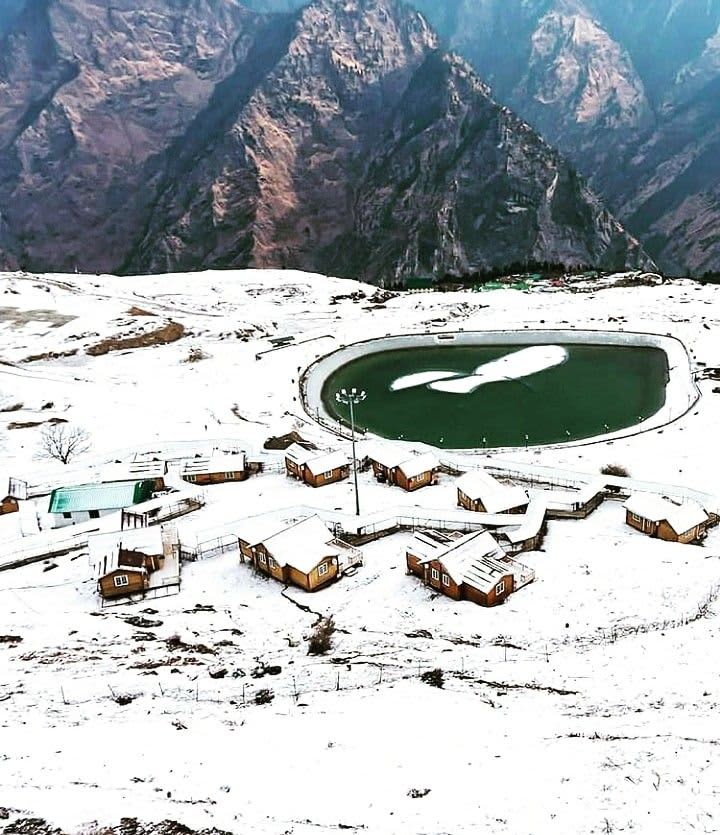
→Auli, a pristine Himalayan ski resort in Uttarakhand at an altitude of 2,519 meters, is India's premier skiing destination, blessed with deep powder snow from December to March and some of the most dramatic views of Nanda Devi, Mana Parbat, and Dunagiri peaks. The Asia's highest and longest cable car (gondola) from Joshimath to Auli is a must-ride whether you visit in winter for skiing or in summer when the meadows bloom with wildflowers. Auli also serves as the base for the famous Gurso Bugyal trek, making it a year-round mountain destination in the Garhwal Himalayas.
Valley of Flowers
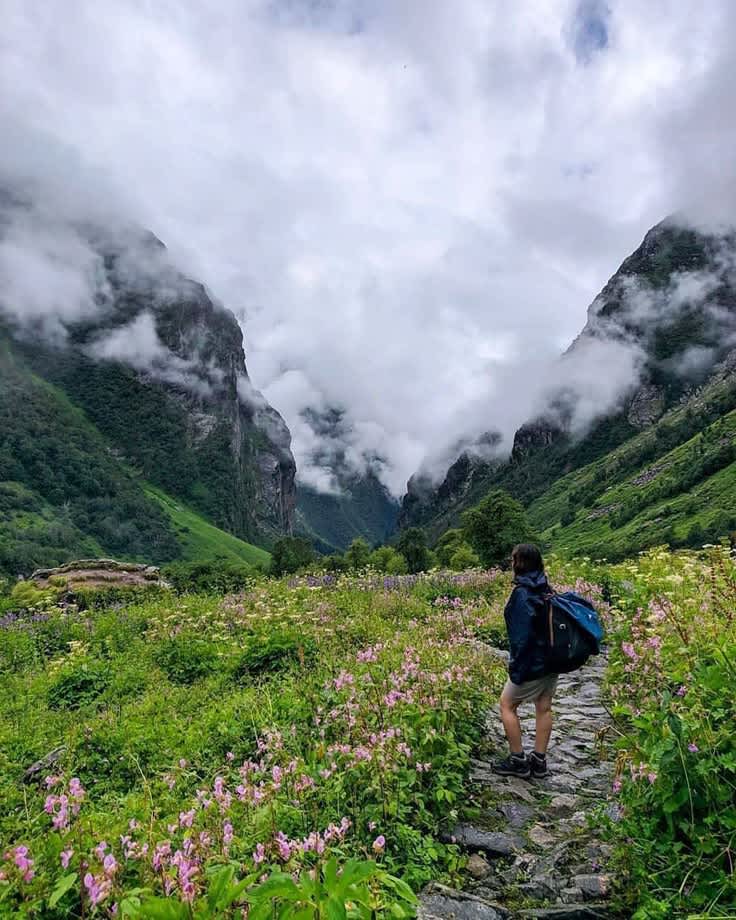
→The Valley of Flowers National Park, a UNESCO World Heritage Site in Uttarakhand's Chamoli district, is a high-altitude Himalayan valley that transforms into a breathtaking carpet of hundreds of alpine wildflower species each monsoon season from July to September. Accessible via a scenic trek from Govindghat through dense forests and alongside glacial streams, the valley sits at 3,352 meters beneath towering snow-capped peaks. The trail also passes through Ghangaria, the gateway to the sacred Hemkund Sahib Gurudwara, making it a journey that combines natural wonder with spiritual significance.

Vaishno Devi
→Vaishno Devi, one of the most visited Hindu pilgrimage sites in India, is a sacred cave shrine nestled in the Trikuta Mountains of Jammu & Kashmir at an altitude of 1,560 meters, dedicated to the manifestation of the Mother Goddess (Shakti). The 13-kilometer pilgrimage trek from Katra through pine forests and mountain terrain to the holy cave, where the goddess is worshipped in the form of three natural rock formations (pindies), is undertaken by millions of devotees annually. The journey is as much about spiritual dedication as it is about the beauty of the Himalayan landscape through which the pilgrimage route winds.

Tirupati
→Tirupati, in Andhra Pradesh, is home to the Tirumala Venkateswara Temple atop the Tirumala Hills — the most visited place of worship on earth, receiving an average of 60,000 to 100,000 pilgrims daily. Dedicated to Lord Venkateswara, a form of Vishnu, the temple is not only the world's richest religious institution but also one of the most spiritually charged destinations in Hinduism. The famous 'Tirupati laddu' prasad, the tradition of tonsuring one's head as an offering, and the breathtaking view of the gilded gopuram rising above the Nallamala Hills make a Tirupati pilgrimage an unforgettable experience.