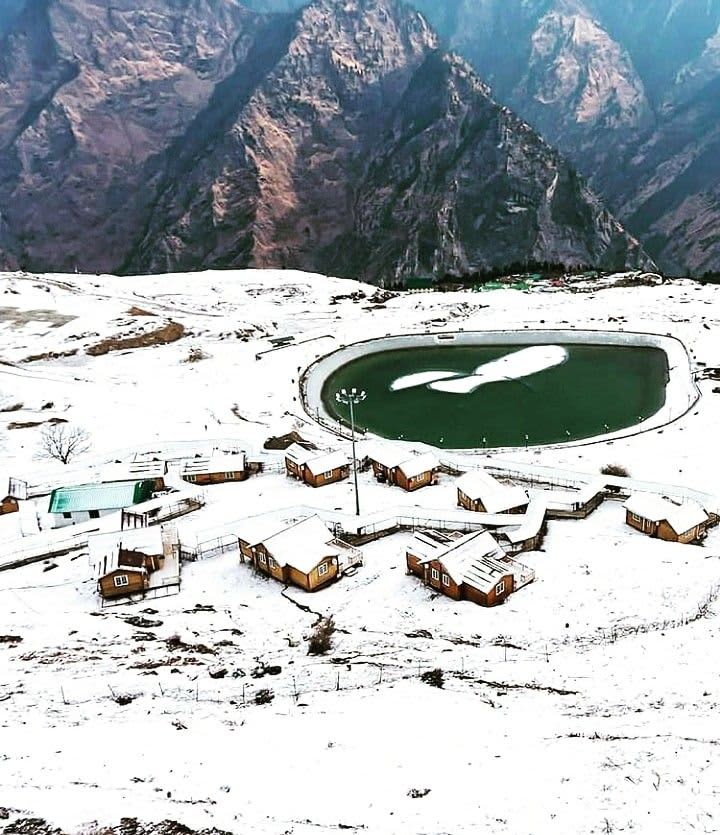
Auli, a pristine Himalayan ski resort in Uttarakhand at an altitude of 2,519 meters, is India's premier skiing destination, blessed with deep powder snow from December to March and some of the most dr...
Auli
Skiing Paradise of India
4.7
SkiingCable CarNanda Devi Views
snowhillStation
Duration: 2–4 Days
Budget/day: ₹2,000 – ₹6,000
Best season: Dec – Feb (skiing) & Apr – Jun (trekking)
Altitude: 2,519 m
Nearest airport: Jolly Grant Airport, Dehradun (279 km)
Nearest railway: Haridwar Junction (253 km)
Best places to visit in Auli

Things to do in Auli
- No photoAdventure / Winter SportsView full guide
Full day or multi-day
Skiing and Snowboarding
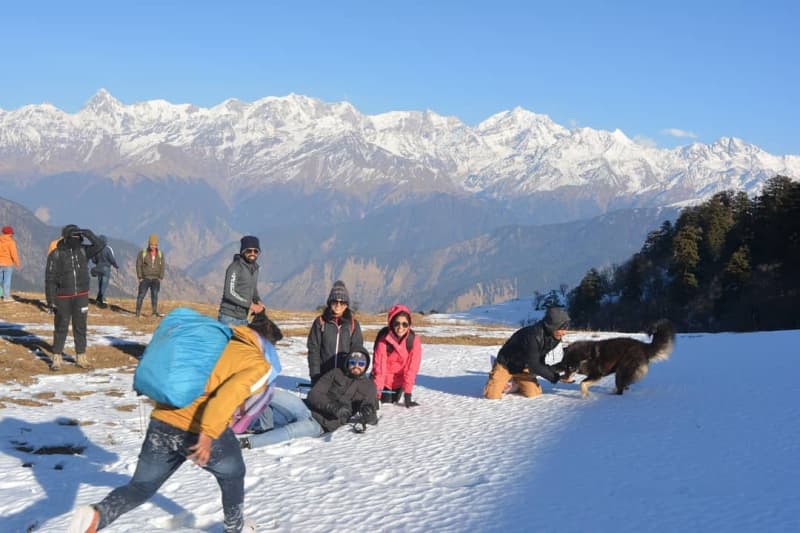
Auli is India's premier ski resort and one of the best skiing destinations in Asia, with slopes ranging from gentle beginner runs to challenging black-diamond trails across 500 metres of vertical drop. The ski season from January to March offers consistent powdery snow against the most dramatic Himalayan backdrop you will find at any ski resort anywhere in the world — the Nanda Devi and Trishul peaks form an extraordinary natural panorama from every slope.
- No photoTrekking / NatureView full guide
3–4 hours (round trip)
Gorson Bugyal Trek
Gorson Bugyal (alpine meadow) is a vast rolling grassland at 3,056 metres, just a few kilometres from Auli, and one of the most beautiful high-altitude meadows in Uttarakhand. The 3-km trail from Auli winds through oak and rhododendron forests exploding with red and pink blooms in spring, emerging onto open meadows with unobstructed views of the Nanda Devi range. In winter the entire bugyal becomes a pristine snowfield.
- No photoAdventure / ScenicView full guide
30–45 minutes (one way)
Auli Ropeway (Cable Car)
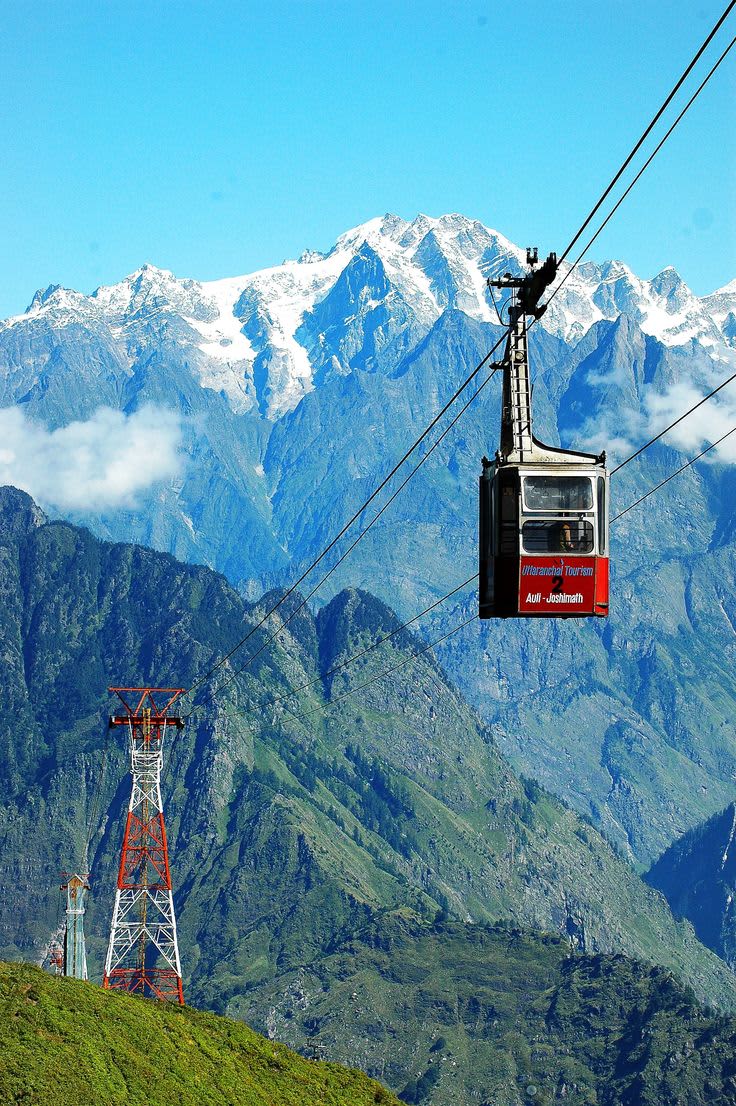
The Auli Ropeway is the longest and highest cable car in Asia at 4 km, connecting Joshimath to Auli and offering one of the most spectacular aerial rides in the Indian Himalayas. The gondola floats above dense deodar forests with a growing panorama of snow-capped peaks — Nanda Devi, Mana, Kamet, and Dronagiri — spread across the horizon. Even if you are not there for skiing, this ropeway ride is worth the trip to Auli alone.
Best Time to Visit and Weather Info
Best time: December to February for skiing; April to June for trekking
Monsoon (July–September) brings rain and landslide risk. The ski slopes are best between December and February.
Winter (Ski Season)
Best for Skiing ⭐Dec – Feb
-8°C – 5°C
The slopes are blanketed in deep snow. The Garhwal Mandal Vikas Nigam (GMVN) runs ski courses for beginners and advanced skiers. Nanda Devi and other peaks look magnificent.
- Book GMVN ski courses in advance
- Rent equipment from GMVN — personal gear is expensive to bring
Summer
Good for Trekking 🟡Apr – Jun
10°C – 25°C
The snow melts to reveal carpets of alpine flowers. Kuari Pass and Gorson Bugyal treks are excellent. Clear Himalayan panoramas.
- Kuari Pass trek offers stunning views
- Gorson Bugyal meadows are perfect for camping
Monsoon
Avoid 🔴Jul – Sep
12°C – 22°C
Heavy rains, landslides, and road closures make access difficult. Meadows are lush but trekking is risky.
- Landslides frequently block the Joshimath road
- Avoid trekking on slippery trails
How to Reach
✈️By Air
Airport: Jolly Grant Airport, Dehradun (279 km from Auli)
Duration: ~8 hrs by road
Fly to Dehradun, then taxi to Joshimath (266 km, 8 hrs), then ropeway or road to Auli.
Taxi: ₹5,000 – ₹8,000 (Dehradun to Joshimath)
Airlines: IndiGo, Air India, SpiceJet
🚂By Train
Station: Haridwar Junction (253 km) or Rishikesh (260 km)
Train to Haridwar, then bus or taxi to Joshimath (10–12 hrs), then ropeway to Auli.
- Shatabdi Express — Delhi (4.5 hrs to Haridwar)
- Jan Shatabdi — Delhi (5 hrs to Haridwar)
🚌By Road
UPSRTC buses run from Rishikesh to Joshimath. From Joshimath, take the ropeway (4 km) or drive to Auli (13 km by road).
- Rishikesh: 250 km to Joshimath, 8–10 hrs via Devprayag – Rudraprayag – Chamoli
- Haridwar: 270 km, 9–10 hrs via Rishikesh – NH-58
- Dehradun: 295 km, 9–10 hrs via Rishikesh – Joshimath
Itineraries
Local Food
Food options in Auli are limited to hotel restaurants and GMVN canteens. Most good eating is available in nearby Joshimath.
Aloo ke Gutke
Tangy, spiced baby potatoes sautéed with cumin and dry red chilies — a Garhwali staple.
Where: Dhabas in Joshimath and GMVN canteen
₹80 – ₹130
Kafuli
Thick green leafy curry made from fenugreek and spinach — a traditional Garhwali superfood.
Where: Local dhabas
₹80 – ₹150
Gahat Dal
Horse gram dal cooked with local spices — rich in protein, a Uttarakhand winter staple.
Where: Dhabas in Joshimath
₹100 – ₹150
Bal Mithai
Dark chocolate-like fudge rolled in white sugar balls — Uttarakhand's signature sweet.
Where: Sweet shops in Joshimath
₹200 – ₹400 per kg
Jhangora Kheer
Barnyard millet pudding with milk and jaggery — a traditional Garhwali dessert.
Where: Local dhabas
₹80 – ₹120
Maggi and Chai
In the ski season, a hot cup of spiced chai and a bowl of steaming Maggi by a fireplace is the ultimate Auli comfort.
Where: Every tea stall in Auli
₹40 – ₹80
Most hotels in Auli are GMVN-managed or small lodges. For better restaurant variety, eat in Joshimath before heading up to Auli by ropeway.
FAQs
- Auli is India's premier ski destination, famous for its GMVN ski slopes, Asia's longest gondola (ropeway), panoramic views of Nanda Devi and Mana Peak, and access to the Kuari Pass trek.
Best Places Similar
Chopta
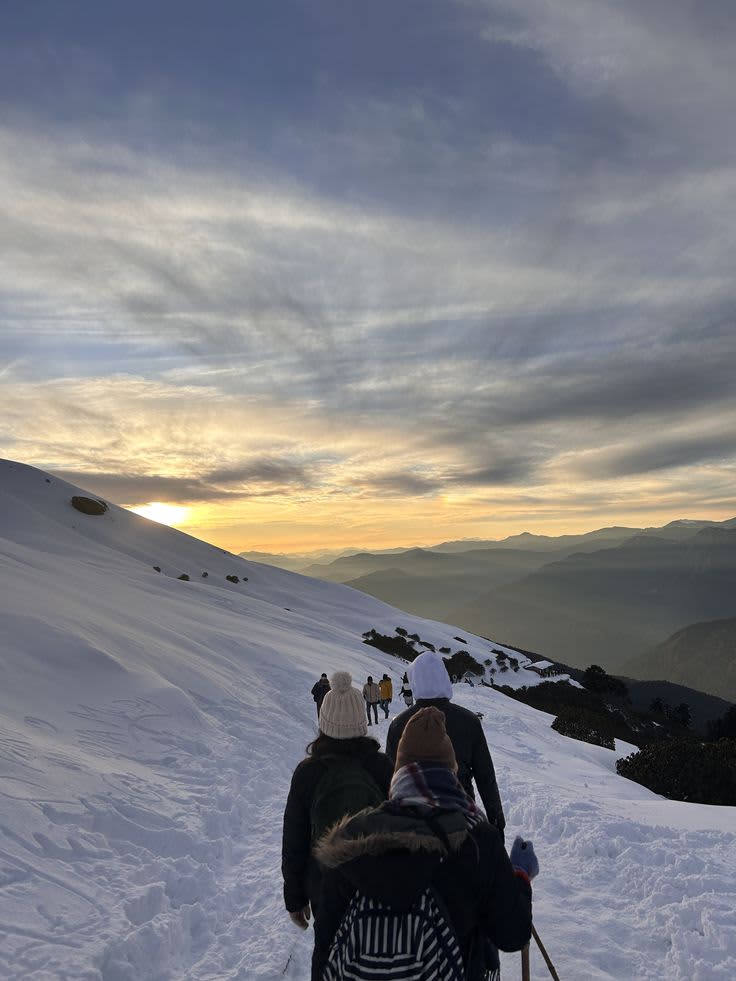
Chopta, often called the "Mini Switzerland of Uttarakhand," is a serene meadow destination in the Rudraprayag district at an altitude of 2,700 meters and one of the best-kept secrets of the Garhwal Himalayas. It serves as the base camp for the highly revered trek to Tungnath — the world's highest Shiva temple — and further up to the Chandrashila Peak, which offers jaw-dropping panoramic views of peaks like Kedarnath, Chaukhamba, Trishul, and Nanda Devi. Chopta's dense rhododendron forests and undisturbed natural beauty make it a paradise for birdwatchers, trekkers, and nature photographers.
Gulmarg
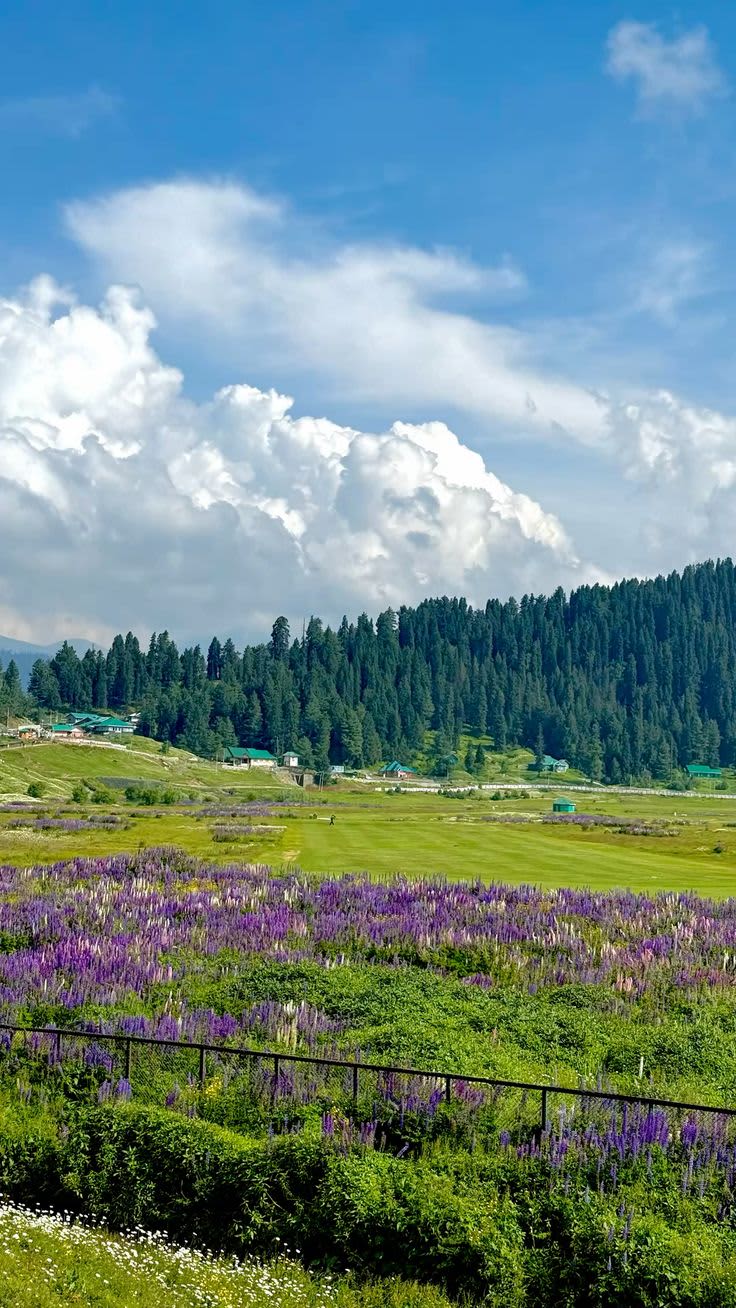
Gulmarg, meaning "Meadow of Flowers," sits in the Pir Panjal range of the Himalayas in Jammu & Kashmir and is one of Asia's premier ski destinations, receiving some of the deepest powder snow in the region. In winter it transforms into a world-class skiing and snowboarding resort, while summer reveals a breathtaking green meadow carpeted with wildflowers perfect for golfing, horse riding, and trekking. The Gondola cable car ride to Apharwat Peak offers jaw-dropping views of the Himalayan peaks, making Gulmarg a year-round paradise.
Kedarnath
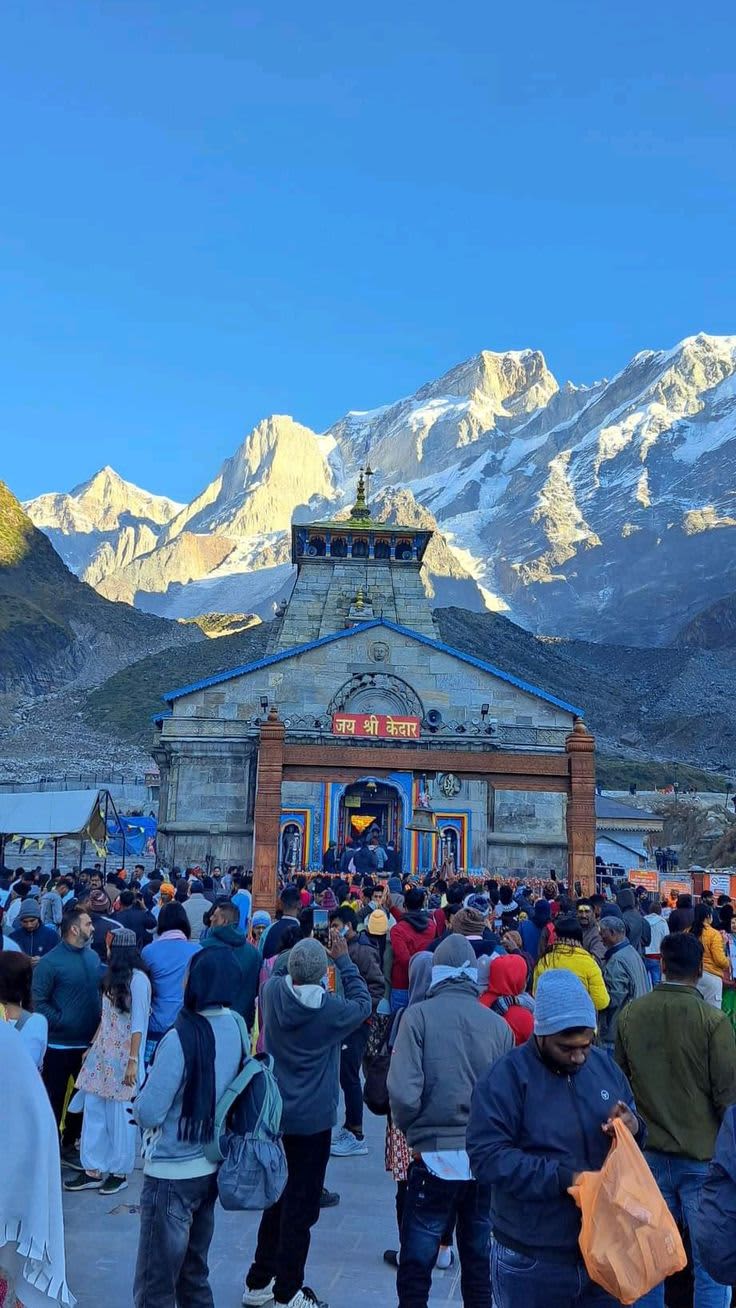
Kedarnath, one of the twelve Jyotirlingas of Shiva and the highest of the four Char Dham pilgrimage sites, sits at a staggering altitude of 3,583 meters in the Garhwal Himalayas of Uttarakhand, accessible only by an 18-kilometer trek through breathtaking Himalayan scenery. The ancient Kedarnath Temple, believed to have been originally built by the Pandavas of the Mahabharata and reconstructed by Adi Shankaracharya in the 8th century, stands surrounded by glaciers and snow-capped peaks — a setting of overwhelming natural grandeur and spiritual power. The temple is open only from May to November, and the annual opening ceremony with the Shiva idol's arrival is a profoundly moving experience.
Nearby destinations
Valley of Flowers
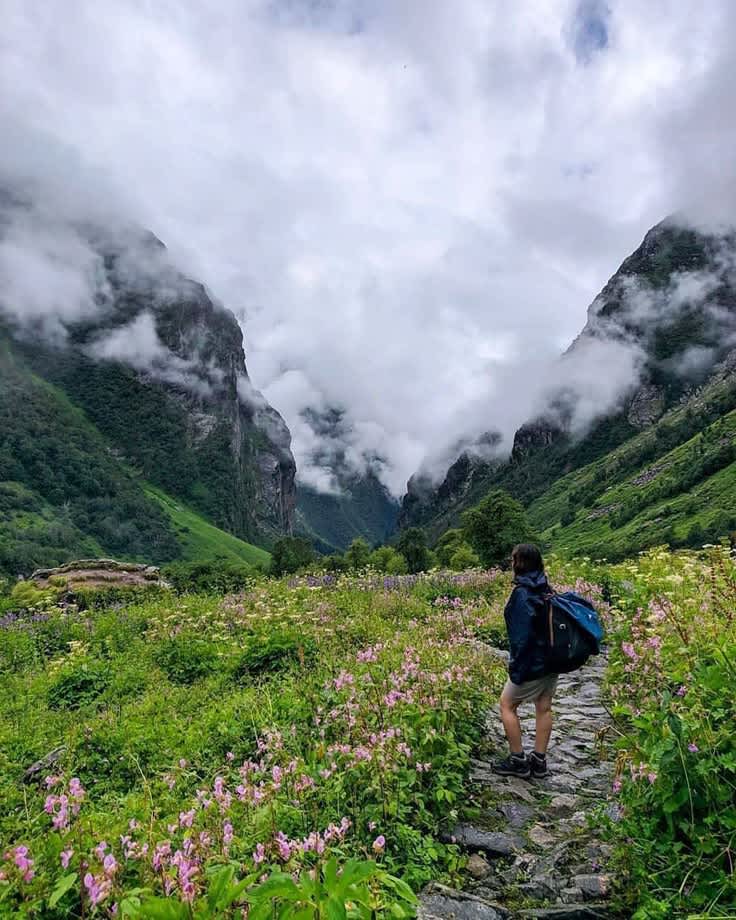
20 km · The Valley of Flowers National Park, a UNESCO World Heritage Site in Uttarakhand's Chamoli district, is a high-altitude Himalayan valley that transforms into a breathtaking carpet of hundreds of alpine wildflower species each monsoon season from July to September. Accessible via a scenic trek from Govindghat through dense forests and alongside glacial streams, the valley sits at 3,352 meters beneath towering snow-capped peaks. The trail also passes through Ghangaria, the gateway to the sacred Hemkund Sahib Gurudwara, making it a journey that combines natural wonder with spiritual significance.
Badrinath
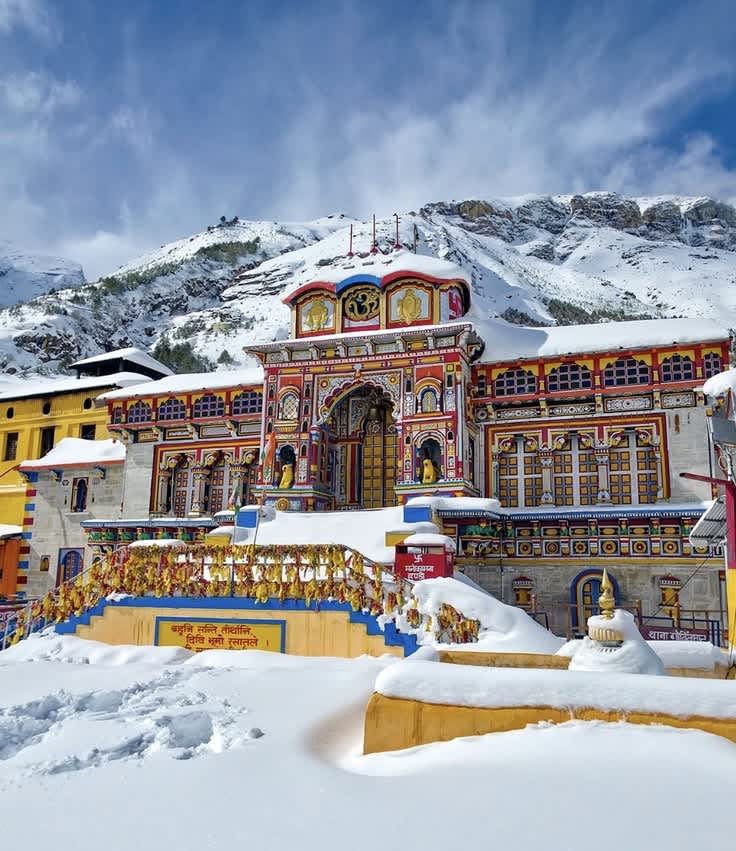
25 km · Badrinath, one of the most revered Vishnu shrines in Hinduism and the final destination on the Char Dham pilgrimage circuit, sits at 3,133 meters in the Garhwal Himalayas of Uttarakhand on the banks of the Alaknanda River. The colorful Badrinath Temple, framed by the towering Nilkantha Peak, draws hundreds of thousands of pilgrims during its six-month opening season each year. The nearby Tapt Kund hot springs for ritual bathing, the mythologically significant Brahma Kapal ghat, and the Valley of Flowers and Hemkund Sahib nearby make Badrinath a destination of extraordinary spiritual and natural richness.
Chopta
45 km · Chopta, often called the "Mini Switzerland of Uttarakhand," is a serene meadow destination in the Rudraprayag district at an altitude of 2,700 meters and one of the best-kept secrets of the Garhwal Himalayas. It serves as the base camp for the highly revered trek to Tungnath — the world's highest Shiva temple — and further up to the Chandrashila Peak, which offers jaw-dropping panoramic views of peaks like Kedarnath, Chaukhamba, Trishul, and Nanda Devi. Chopta's dense rhododendron forests and undisturbed natural beauty make it a paradise for birdwatchers, trekkers, and nature photographers.