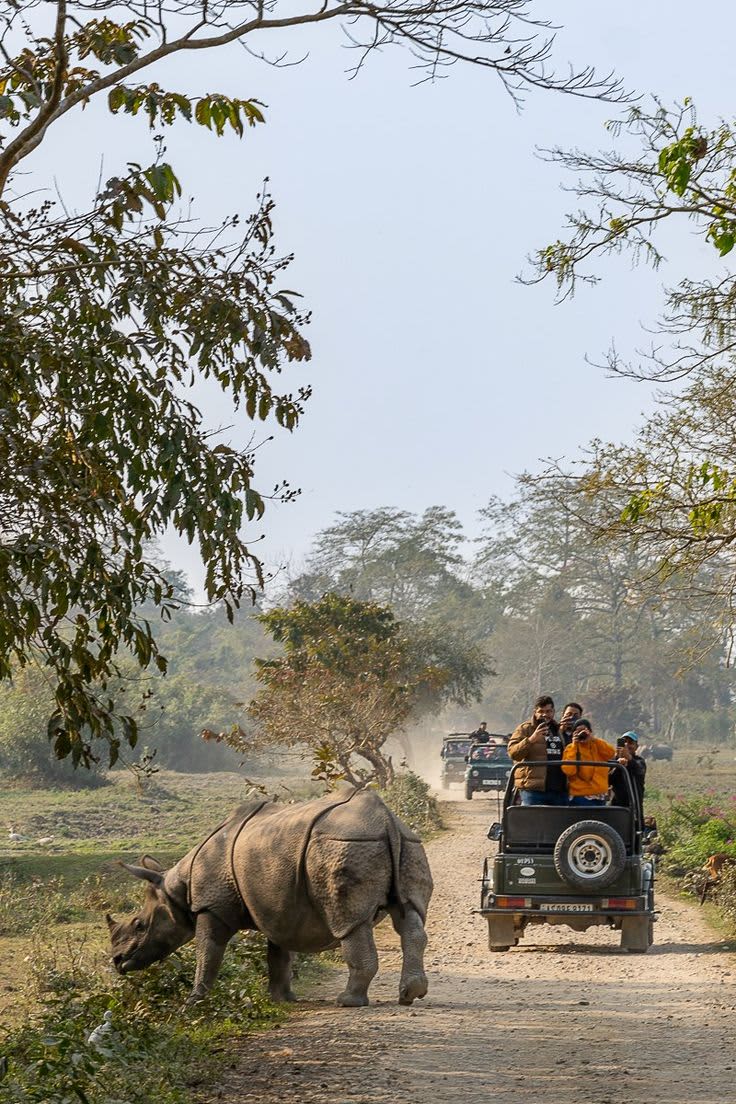
Kaziranga National Park, a UNESCO World Heritage Site in Assam, is the world's most important refuge for the endangered one-horned rhinoceros, sheltering more than two-thirds of the global population....
Kaziranga National Park
Home of the One-Horned Rhinoceros
4.9
One-Horned RhinoElephant SafariBird Watching
wildlife
Duration: 2–3 Days
Budget/day: ₹2,000 – ₹6,000
Best season: Nov – Apr
Altitude: 40 m – 80 m
Nearest airport: Lokpriya Gopinath Bordoloi International Airport, Guwahati (220 km)
Nearest railway: Furkating Railway Station (75 km); Jakhalabandha (15 km)
Best places to visit in Kaziranga National Park


Things to do in Kaziranga National Park
- No photoWildlifeView full guide
1–1.5 hours
Elephant safari for one-horned rhinos
There is no better way to move through Kaziranga's tall elephant grass and marsh than on the back of a trained elephant, and there is no better animal to find at the end of that journey than the Indian one-horned rhinoceros. Kaziranga is home to two-thirds of the world's entire great one-horned rhino population, and an elephant safari in the early morning takes you quietly right into their territory — close enough to feel the sheer prehistoric scale of these animals.
- No photoWildlifeView full guide
3–4 hours per safari
Jeep safari across the central and western ranges
Kaziranga has four distinct ranges — Central, Western, Eastern, and Burapahar — each with a different character and wildlife density. The Central Range is the most famous for rhino and tiger sightings, while the Western Range draws birders for its exceptional wetland species. A jeep safari through either range passes through golden grasslands, swampy lowlands, and dense sal forest, with wild buffalo, wild elephants, and Gangetic dolphins all regularly spotted.
- No photoBirdingView full guide
2–3 hours (best at dawn)
Bird watching along the Brahmaputra floodplains
Kaziranga's wetlands and grasslands sit along the Brahmaputra river floodplain and host over 478 species of birds — including the rare Pallas's fish eagle, bar-headed geese that migrate over the Himalayas, and the endangered greater adjutant stork. For serious birders, this is one of the finest wetland birding destinations in the entire Indian subcontinent, rivalling even Bharatpur at its peak.
Best Time to Visit and Weather Info
Best time: November to April
Park closes from May to October due to Brahmaputra flooding. The best wildlife viewing is November to April.
Winter
Best Time ⭐Nov – Feb
8°C – 25°C
Ideal for rhino, elephant, and tiger sightings. Migratory birds are present. The famous elephant safaris operate in morning mist.
- Book elephant safaris through the Forest Department (very limited slots)
- Western range is best for rhino density
Spring
Good 🟡Mar – Apr
18°C – 32°C
Last season before closure. Vegetation is lower, making wildlife easy to spot. Temperature rises but sightings remain excellent.
- Book well in advance as this is the final month before closure
- Tiger sightings increase in March–April
Monsoon
Closed 🔴May – Oct
25°C – 35°C
The Brahmaputra floods two-thirds of the park every year. The park is completely closed to visitors.
- Park is officially closed
- Guwahati and Majuli River Island are alternative Assam destinations in this period
How to Reach
✈️By Air
Airport: Lokpriya Gopinath Bordoloi International Airport, Guwahati (220 km from Kaziranga (Kohora gate))
Duration: ~4.5 hrs by road
Direct flights from Delhi, Mumbai, Kolkata. Taxis and buses available from Guwahati to Kaziranga.
Taxi: ₹3,500 – ₹6,000 (Guwahati Airport to Kaziranga)
Airlines: IndiGo, Air India, SpiceJet
🚂By Train
Station: Jakhalabandha (15 km) or Furkating (75 km)
Take a train from Guwahati to Jakhalabandha (2.5 hrs) then taxi to the park. Guwahati to Furkating trains are also an option.
- Rajdhani Express — Delhi (~28 hrs to Guwahati)
- Saraighat Express — Kolkata (~14 hrs to Guwahati)
🚌By Road
NH-37 (now NH-715) runs through Kaziranga, making it easy to reach by bus or car from Guwahati.
- Guwahati: 220 km, 4.5–5 hrs via NH-37
- Jorhat: 97 km, 2.5 hrs via NH-37
- Tezpur: 80 km, 2 hrs via NH-37
Itineraries
Local Food
Assamese cuisine near Kaziranga is simple, fresh, and unique — featuring river fish, bamboo shoot preparations, and rice-based dishes.
Masor Tenga
Assamese sour fish curry cooked with tomatoes, lemon, or elephant apple — light and refreshing.
Where: Local Assamese restaurants near Kohora
₹150 – ₹280
Bamboo Shoot Curry
Tender bamboo shoots cooked with pork or dried fish — an Assamese forest delicacy.
Where: Homestays and local eateries
₹120 – ₹200
Khar
Traditional Assamese alkaline curry made with raw papaya and pulses — unique in Indian cuisine.
Where: Assamese restaurants
₹80 – ₹150
Poita Bhat
Fermented overnight rice with mustard oil and onion — a traditional Assamese summer morning meal.
Where: Local homes and dhabas
₹50 – ₹90
Duck Meat Curry
Assam's favourite festive dish — duck cooked in mustard oil with lauki (bottle gourd).
Where: Non-veg restaurants in Kohora
₹200 – ₹350
Pitha
Assamese rice cakes — steamed or pan-fried, stuffed with coconut and jaggery.
Where: Local markets and homestays
₹30 – ₹80
The small market at Kohora (the main tourist hub near Kaziranga) has several good Assamese restaurants. Resort restaurants offer a mix of Indian and Assamese cuisine.
FAQs
- Kaziranga is a UNESCO World Heritage Site famous for housing two-thirds of the world's Indian one-horned rhinoceros population. It also has the highest density of Bengal tigers of any protected area in the world.
Best Places Similar
Sundarbans
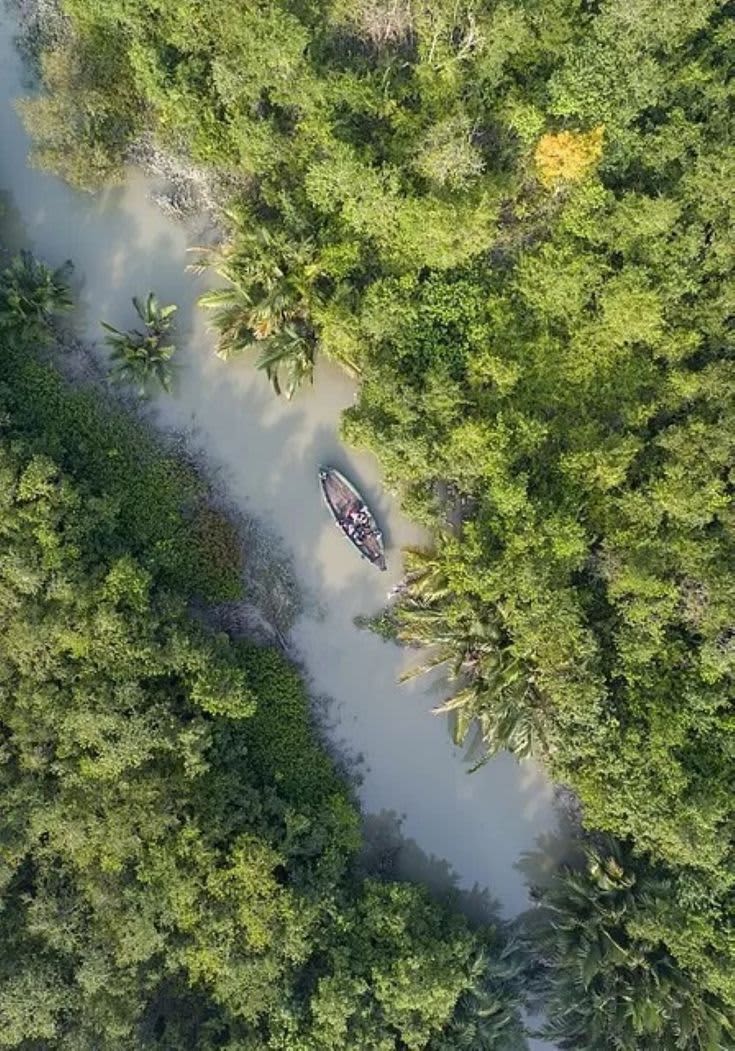
The Sundarbans, a UNESCO World Heritage Site and the world's largest mangrove delta shared between India and Bangladesh, is one of the most unique and mysterious wildlife habitats on earth. Home to the Bengal tiger — uniquely adapted to swimming between islands — as well as saltwater crocodiles, Irrawaddy dolphins, and the endangered Gangetic dolphin, the Sundarbans is a biodiversity hotspot unlike any other. Boat safaris through the labyrinthine network of tidal creeks and mangrove channels in the West Bengal delta offer an eerie, exhilarating, and deeply memorable wildlife experience.
Gir National Park
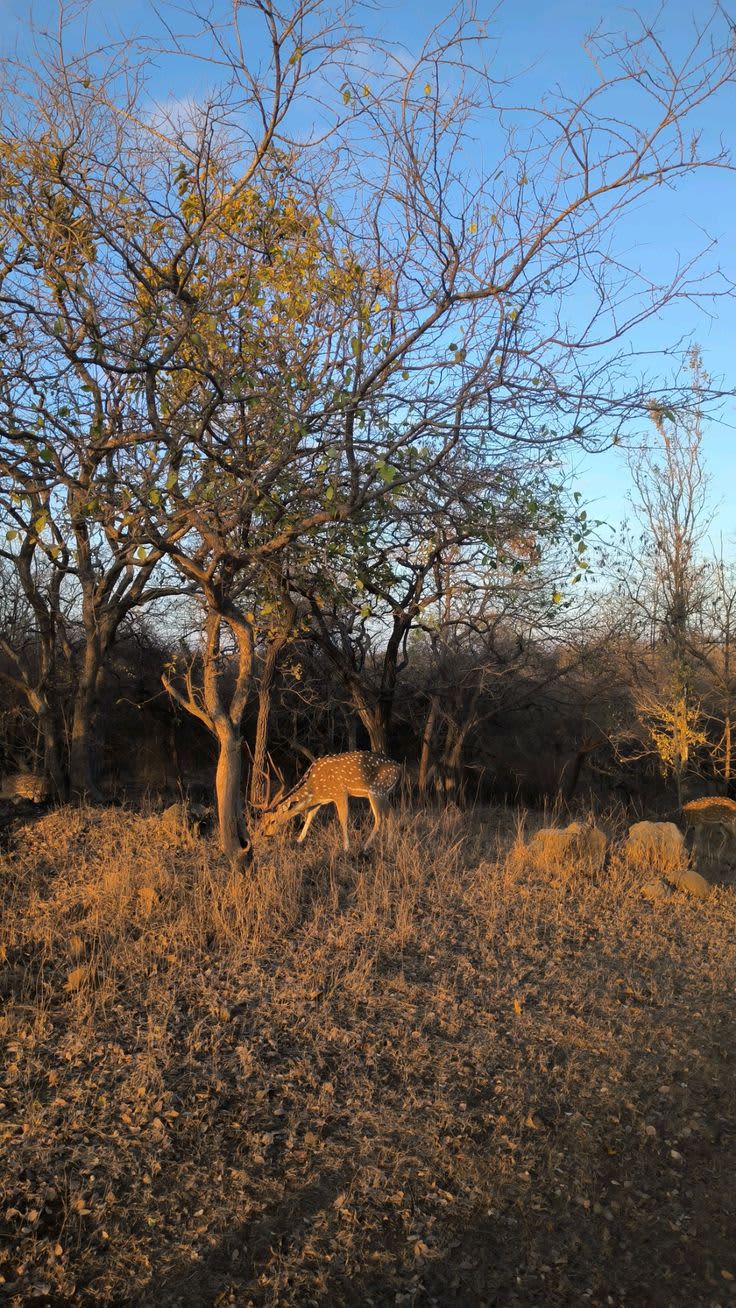
Gir National Park and Wildlife Sanctuary in Gujarat is the last wild refuge of the majestic Asiatic lion, a subspecies once on the brink of extinction that has made a remarkable comeback thanks to dedicated conservation efforts. Covering over 1,400 square kilometers of dry deciduous forest, scrubland, and grassland in the Saurashtra region, Gir also harbors leopards, hyenas, jackals, and over 300 bird species. Guided jeep safaris through the forest offer genuinely exciting encounters with the regal Asiatic lion and the rich biodiversity of this unique protected area.
Jim Corbett National Park
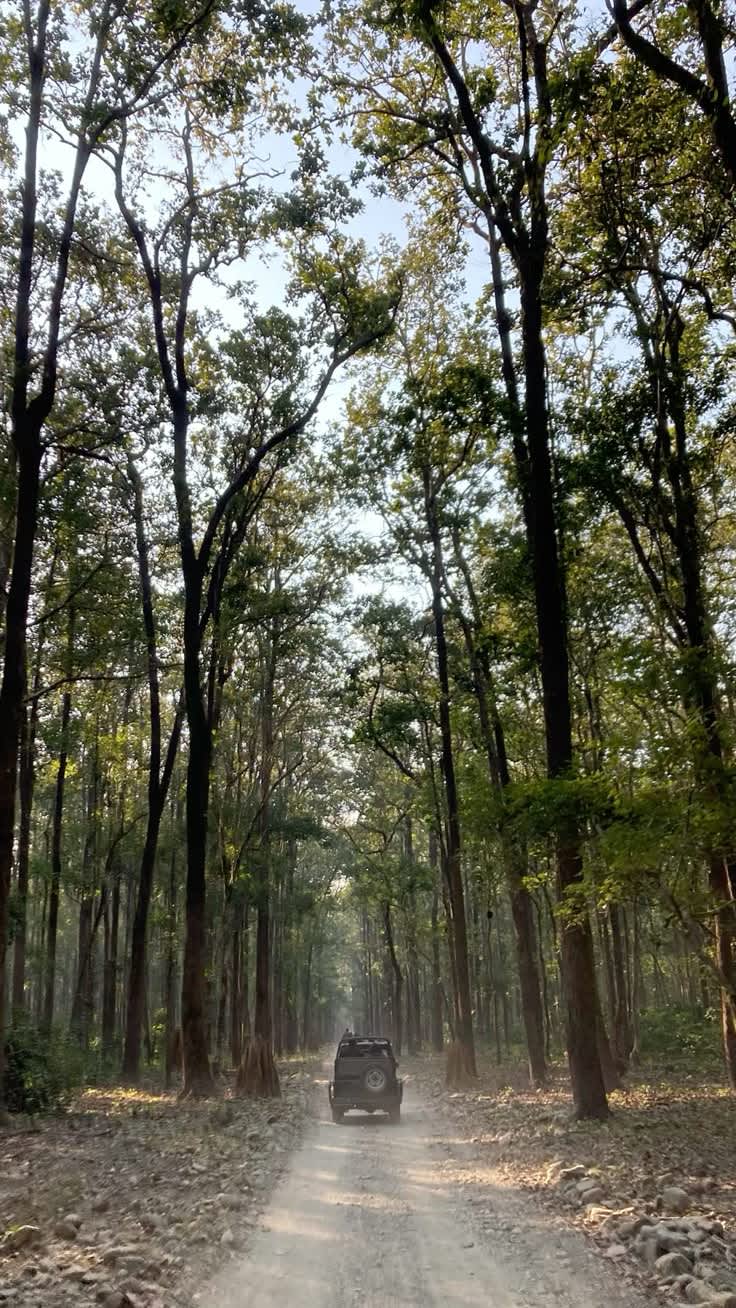
Jim Corbett National Park, established in 1936 as India's first national park and named after the legendary hunter-turned-conservationist Jim Corbett, is one of the best places in the world to spot the majestic Bengal tiger in its natural habitat. Spread across over 1,300 square kilometers in the Shivalik foothills of Uttarakhand, the park encompasses dense sal forests, grasslands, and the Ramganga River, supporting rich biodiversity including elephants, leopards, gharials, and over 600 bird species. Jeep safaris into the Dhikala and Bijrani zones offer thrilling wildlife encounters in a remarkably pristine natural setting.
Nearby destinations
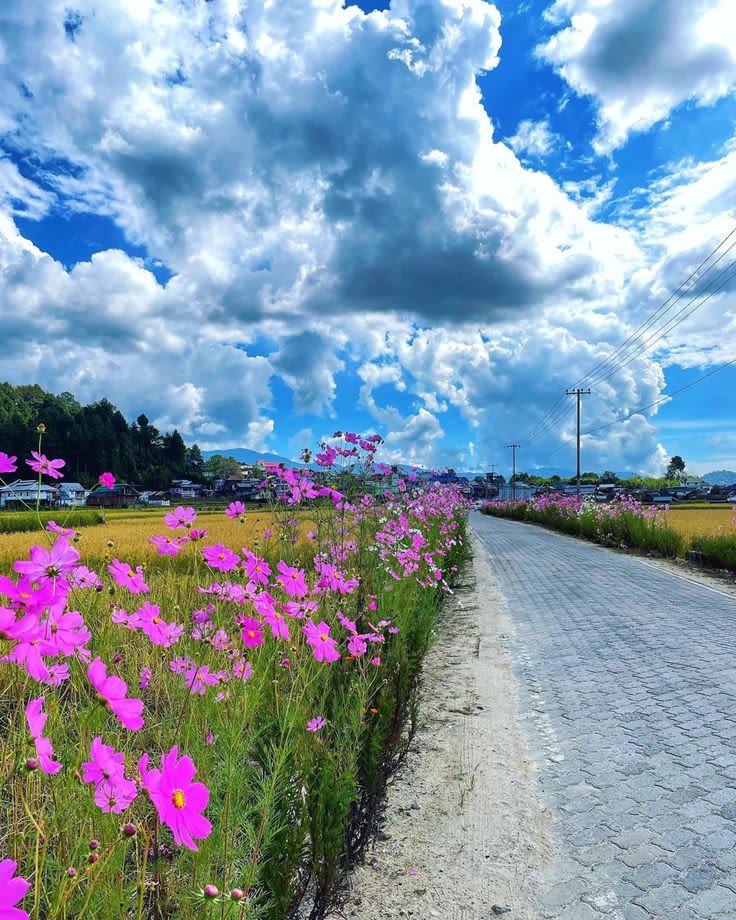
Ziro
126 km · Ziro, a picturesque valley town in Arunachal Pradesh's Lower Subansiri district, is home to the indigenous Apatani tribe and their unique cultural landscape of terraced paddy fields and pine forests, recognized as a UNESCO Tentative World Heritage Site. The Apatani people's traditional agricultural system, intricate face tattoos, and distinctive bamboo architecture make Ziro one of the most culturally fascinating destinations in Northeast India. Every September, the Ziro Music Festival — held against the backdrop of misty mountains and paddy fields — transforms this remote valley into a celebrated gathering of independent musicians from across India and beyond.
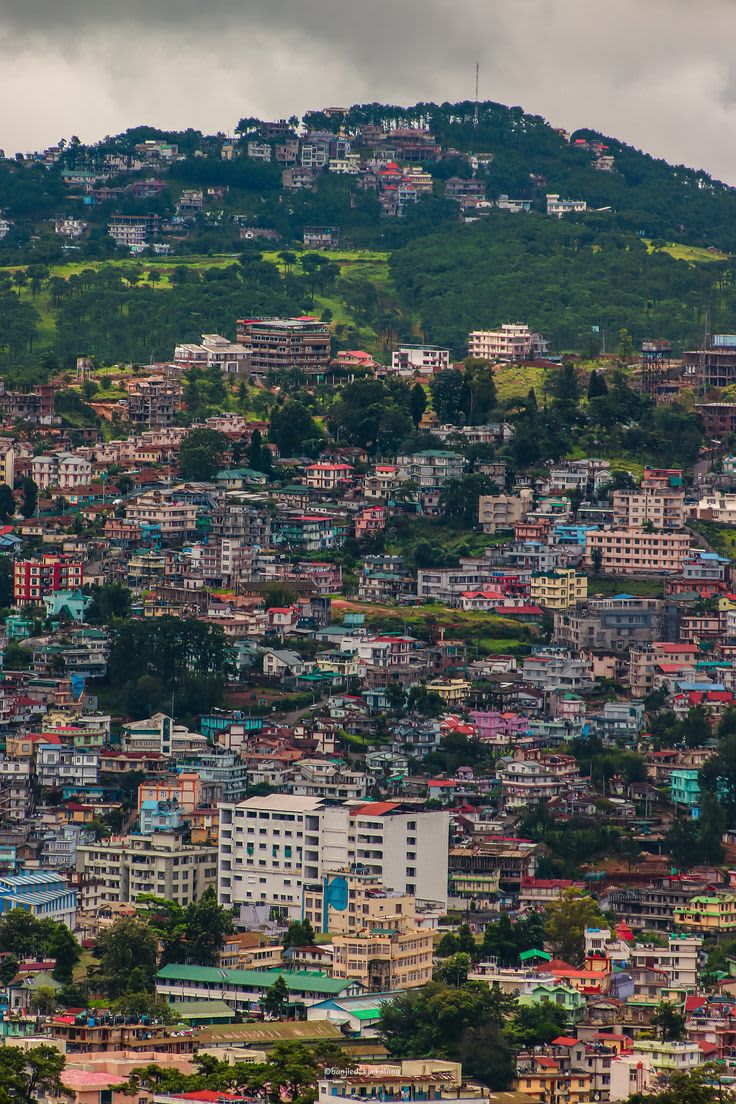
Shillong
169 km · Shillong, the capital of Meghalaya and known as the "Scotland of the East," is a vibrant, rolling hill city at 1,496 meters surrounded by pine-clad hills and waterfalls that formed the backdrop for many a beloved Bollywood romantic scene. The city boasts a unique blend of British colonial architecture, indigenous Khasi culture, and a legendary live music scene that has produced some of India's finest rock musicians. Ward's Lake in the city center, the stunning Elephant Falls, the Cathedral of Mary Help of Christians, and easy day trips to the living root bridges of Cherrapunji make Shillong one of Northeast India's most captivating destinations.
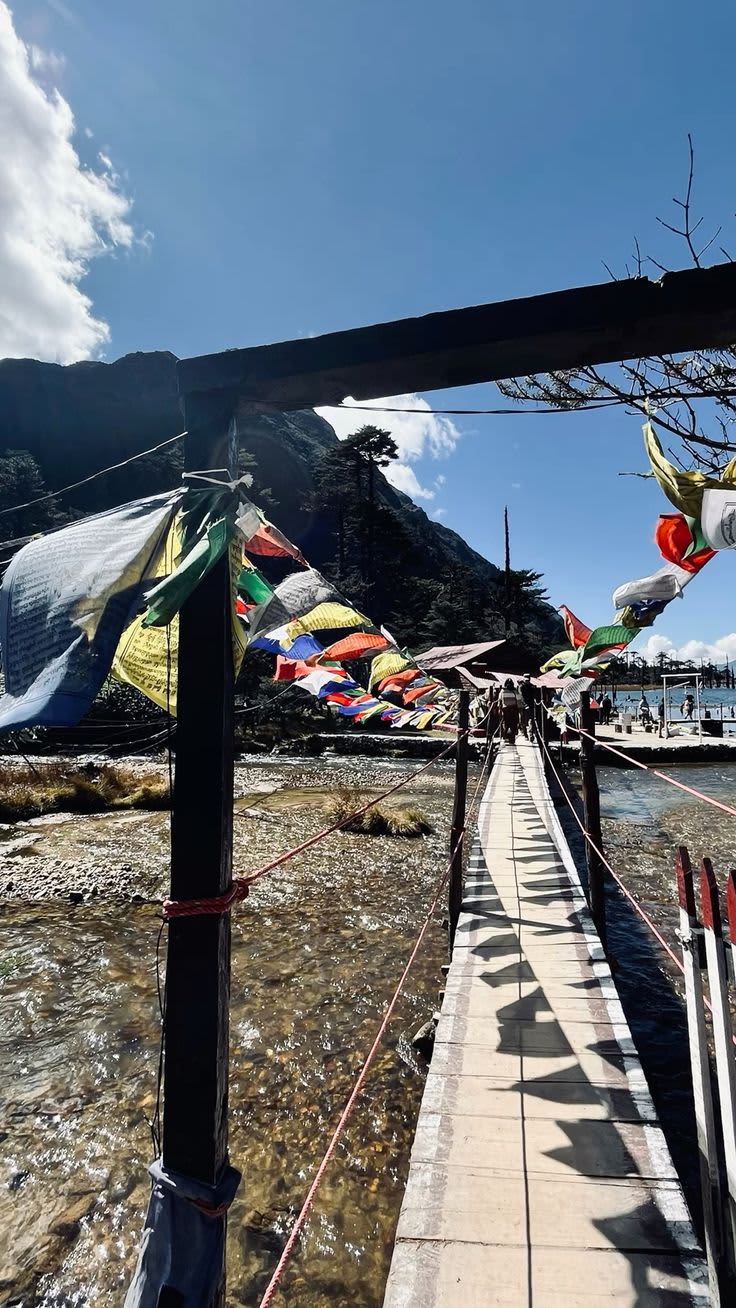
Tawang
172 km · Tawang, nestled at 3,048 meters in the western corner of Arunachal Pradesh bordering Bhutan and China, is a remote and deeply sacred Buddhist destination home to the Tawang Monastery — the largest Buddhist monastery in India and the second largest in the world after Potala Palace in Lhasa. The monastery, perched dramatically on a ridge overlooking the Tawang Valley, was founded in 1680 and is the birthplace of the 6th Dalai Lama, making it one of Tibetan Buddhism's most revered centers. The breathtaking Sela Pass at 4,170 meters, the pristine Madhuri Lake (Shungetser Lake), and the warm hospitality of the Monpa people make Tawang an unforgettable frontier adventure.