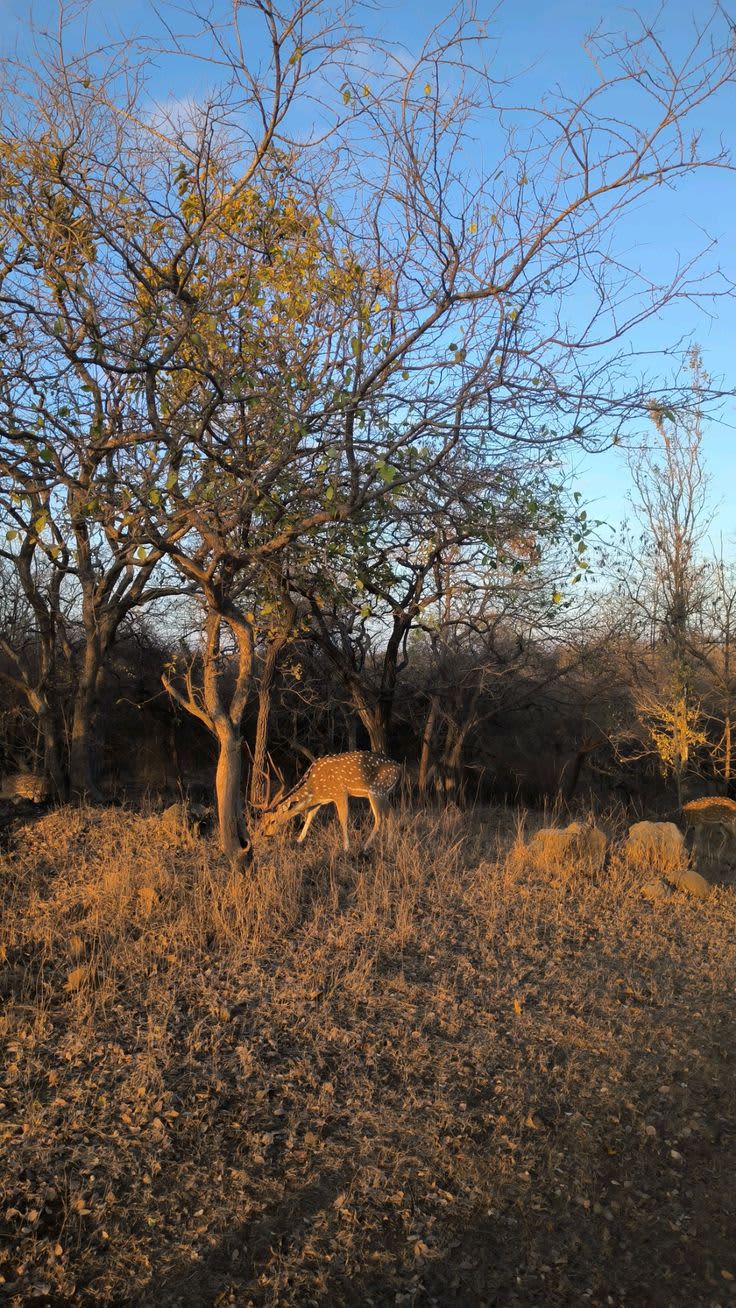
Gir National Park and Wildlife Sanctuary in Gujarat is the last wild refuge of the majestic Asiatic lion, a subspecies once on the brink of extinction that has made a remarkable comeback thanks to ded...
Gir National Park
Last Abode of Asiatic Lions
4.7
Asiatic LionsWildlife SafariKamleshwar Dam
wildlife
Duration: 2–3 Days
Budget/day: ₹2,000 – ₹6,000
Best season: Dec – Apr
Altitude: 30 m – 640 m
Nearest airport: Rajkot International Airport (160 km); Keshod Airport (75 km)
Nearest railway: Junagadh Railway Station (65 km); Sasan Gir Station (1 km from park)
Best places to visit in Gir National Park
Sasan Gir Safari Zone
Main safari zone with highest probability of Asiatic lion sightings.
Kamleshwar Dam
Scenic reservoir attracting lions, crocodiles, and numerous bird species.
Devaliya Safari Park (Gir Interpretation Zone)
Enclosed area offering guaranteed wildlife sightings for time-limited visitors.


Things to do in Gir National Park
- No photoWildlifeView full guide
3–3.5 hours per safari
Safari to see Asiatic lions
The Gir Forest is the last place on earth where Asiatic lions roam wild — a fact that makes every safari here something genuinely historic. These lions are slightly smaller and shaggier than their African cousins, with a distinctive belly fold, and they are far more open to being observed, often walking right past safari vehicles with magnificent indifference. Sighting rates at Gir are among the highest of any big cat reserve in India.
- No photoWildlifeView full guide
1–2 hours
Crocodile sanctuary visit at Kamleshwar Dam
Kamleshwar Dam inside the Gir sanctuary hosts a remarkable concentration of marsh mugger crocodiles — often 300 or more basking on the banks and shallows at any given time. It is an astonishing sight, and the dam also attracts a huge variety of waterbirds, making it one of the most productive wildlife spots in all of Gujarat even for visitors who have already done the lion safari.
- No photoWildlifeView full guide
1.5 hours
Gir Interpretation Zone (Devalia Safari Park)
For travellers who cannot secure a permit to the main forest or who want a guaranteed lion sighting, the Devalia Interpretation Zone offers an enclosed safari within a fenced section of genuine Gir habitat. Lions, cheetals, sambar, and other animals live here in natural conditions and sightings are effectively guaranteed — making it a worthwhile backup option or a good addition to a main park safari day.
Best Time to Visit and Weather Info
Best time: December to April
Park closes from June 15 to October 15. Peak lion sightings are February to April when vegetation is sparse.
Winter
Best Time ⭐Dec – Feb
12°C – 28°C
Ideal weather for safaris. Lions, leopards, and crocodiles are easily spotted. Dry vegetation makes sightings excellent.
- Book safari permits in advance at the Gir Forest Department website
- Sasan Gir is the base village — stay here for early morning access
Spring
Best for Lion Sightings 🟡Mar – Jun
25°C – 42°C
Hottest months but the most reliable for lion sightings as animals congregate near water. Very popular with wildlife photographers.
- March–April are the best months for lion sightings
- Carry water — it gets very hot
Monsoon
Closed 🔴Jun – Oct
28°C – 38°C
Park officially closes from June 16 to October 15 for the breeding season and monsoon.
- Park is closed — visit Somnath or Diu nearby
- Park reopens October 16
How to Reach
✈️By Air
Airport: Keshod Airport (75 km) or Rajkot Airport (160 km) (75 km from Keshod Airport)
Duration: ~2 hrs by road
Keshod has limited flights. Rajkot is better connected. Alternatively, fly to Ahmedabad and drive to Gir (380 km).
Taxi: ₹1,500 – ₹2,500 (Keshod to Sasan Gir)
Airlines: Air India, IndiGo
🚂By Train
Station: Sasan Gir Railway Station (1 km) or Junagadh Junction (65 km)
Sasan Gir has its own station on the Junagadh–Veraval line. Limited trains stop here — Junagadh is better connected.
- Saurashtra Express — Mumbai (~14 hrs to Junagadh)
- Somnath Express — Ahmedabad (~6 hrs to Junagadh)
🚌By Road
GSRTC buses connect Sasan Gir to Junagadh and Rajkot. Private taxis are readily available.
- Junagadh: 65 km, 1.5 hrs via SH-8
- Rajkot: 160 km, 3.5 hrs via NH-27
- Ahmedabad: 380 km, 6–7 hrs via NH-47
- Somnath: 42 km, 1 hr via SH-8
Itineraries
Local Food
Gir and surrounding Saurashtra region is predominantly vegetarian, with Gujarati cuisine famous for its balance of sweet, salty, and spicy.
Gir Kesar Mango
The world-famous Kesar mango grown in Gir's orchards — sweet, saffron-coloured, and uniquely aromatic. Available April–July.
Where: Mango orchards and stalls near Sasan Gir
₹100 – ₹300 per kg
Gujarati Thali
Complete vegetarian feast with dal, kadhi, shaak, rice, rotli, and mithai.
Where: Restaurants in Sasan Gir and Junagadh
₹150 – ₹300
Bajra Rotla
Thick pearl millet flatbread served with ghee and jaggery — a Saurashtra staple.
Where: Local dhabas
₹40 – ₹70
Undhiyu
Slow-cooked winter vegetable casserole — a Gujarati seasonal specialty.
Where: Gujarati thali restaurants
₹150 – ₹250
Sev Tameta
Crispy sev (gram flour noodles) in a tangy tomato curry — simple and flavourful.
Where: Local dhabas
₹80 – ₹120
Rabdi & Shrikhand
Thick reduced milk (rabdi) and strained yogurt with saffron (shrikhand) — Gujarati dairy sweets.
Where: Sweet shops in Junagadh and Sasan Gir
₹60 – ₹120
Gir is a predominantly vegetarian area. The region is also famous for Gir cow's A2 milk — buy fresh milk and ghee from local dairy farms.
FAQs
- Gir is the world's only natural habitat of the Asiatic lion, with a current population of over 670 lions. It's also home to leopards, Indian cobras, marsh crocodiles, and 300+ bird species.
Best Places Similar

Ranthambore National Park
Ranthambore National Park in Rajasthan is one of India's largest and most famous tiger reserves, renowned for offering some of the most reliable tiger sightings in the country, particularly around its ancient lakes. The ruined 10th-century Ranthambore Fort, a UNESCO World Heritage Site, rises dramatically above the forest and adds a unique historical dimension to wildlife safaris. Beyond tigers, the park shelters leopards, sloth bears, striped hyenas, and abundant birdlife, making every game drive an adventure in this iconic Rajasthani wilderness.
Kanha National Park
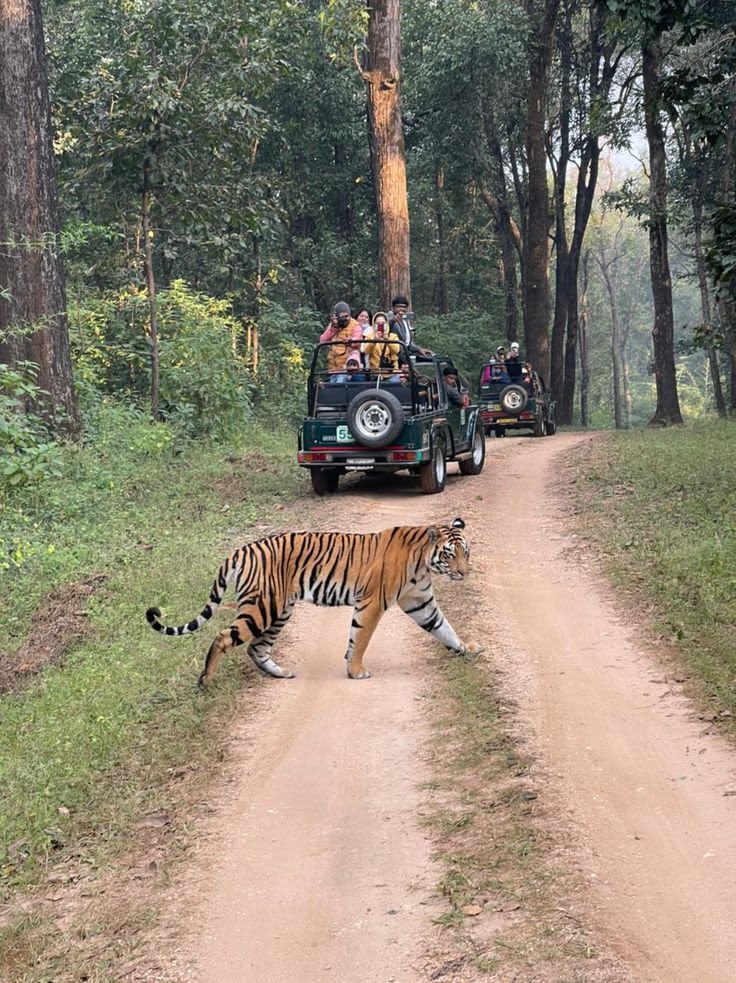
Kanha National Park, one of India's finest and largest tiger reserves spread across the Maikal Hills of Madhya Pradesh, was the inspiration for Rudyard Kipling's 'The Jungle Book' and remains one of the subcontinent's most pristine and biodiverse wilderness areas. The park is renowned not only for tiger sightings but for successfully reviving the critically endangered Barasingha (swamp deer) from the brink of extinction. Kanha's vast meadow-filled valleys, called maidans, teeming with spotted deer and gaur, and its dense sal forests make it one of India's most rewarding national park experiences.
Bandhavgarh National Park
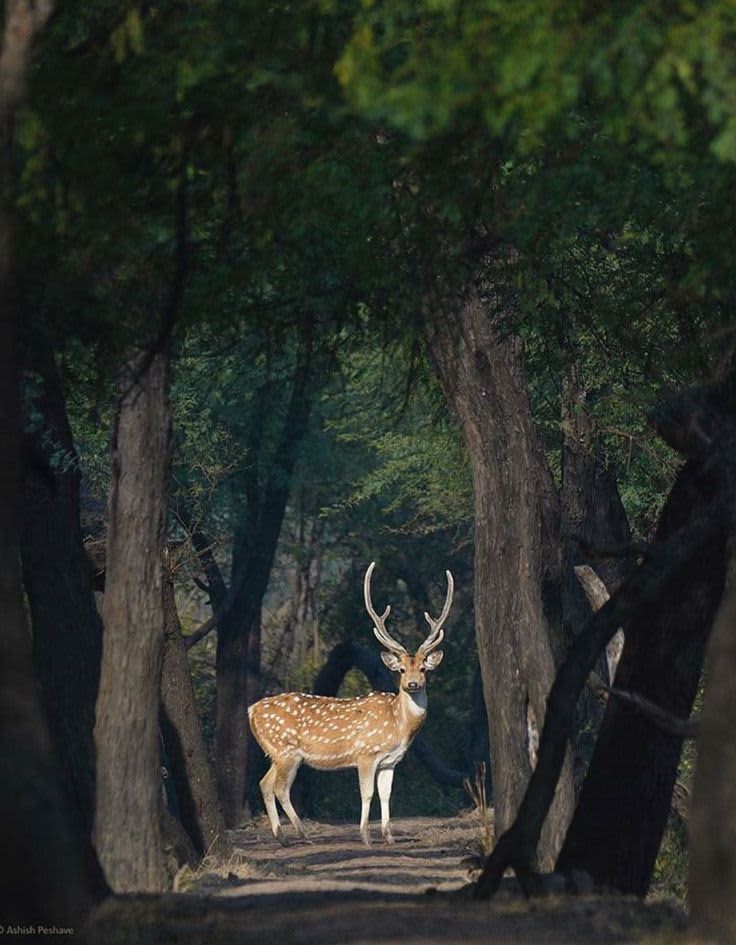
Bandhavgarh National Park in Madhya Pradesh boasts the highest density of Bengal tigers of any national park in India, making it one of the most thrilling destinations for big cat enthusiasts and wildlife photographers. The park's diverse terrain of dense sal forests, meadows, and bamboo groves is dominated by the ancient Bandhavgarh Fort, which according to legend was built by the Hindu god Rama. Multiple daily safari zones, including the highly sought-after Tala zone, ensure excellent opportunities to witness tigers, leopards, sloth bears, and abundant birdlife in their natural environment.
Nearby destinations
Somnath
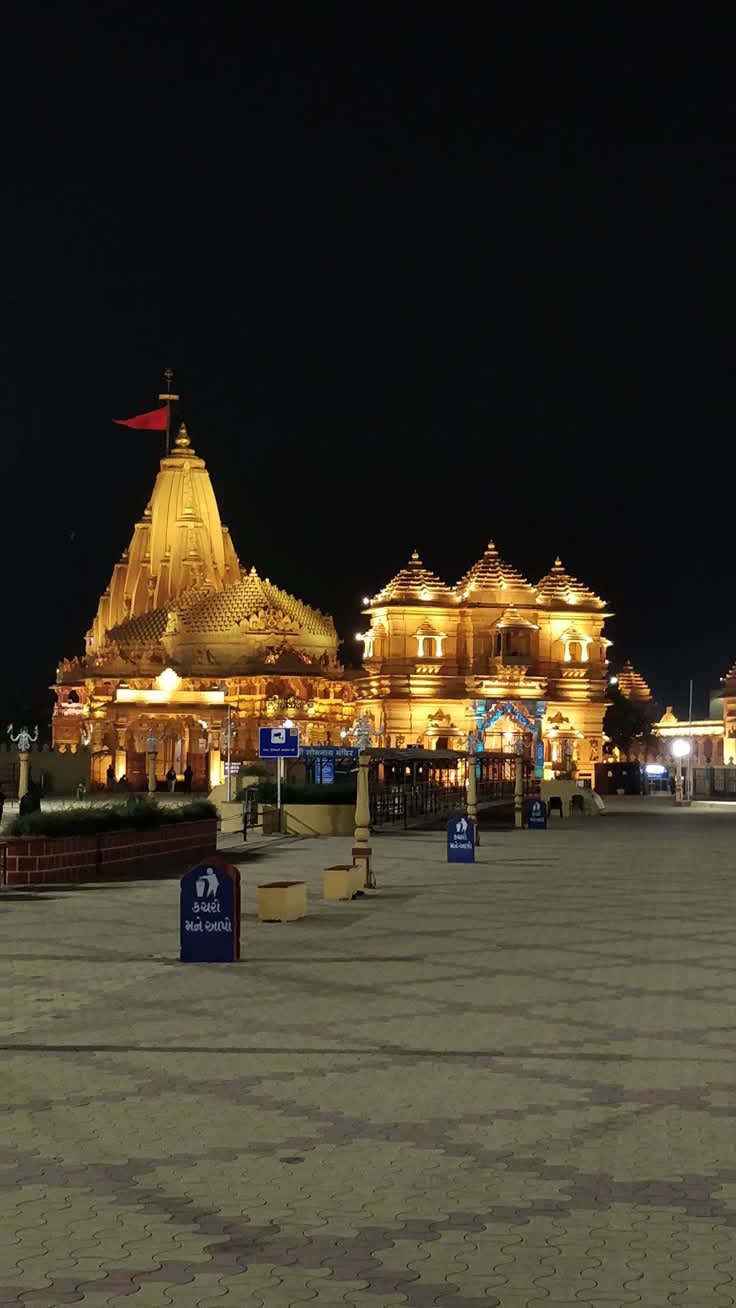
49 km · Somnath, on the southern coast of Gujarat's Saurashtra region, is home to the Somnath Temple — the first and most sacred of the twelve Jyotirlingas of Lord Shiva and one of the most revered pilgrimage sites in all of Hinduism. The current magnificent temple, rebuilt for the seventh time after repeated historical destruction, stands proudly on the shores of the Arabian Sea in what is described in ancient texts as the eternal Prabhasa Tirth. The sea-facing location, the nightly sound-and-light show narrating the temple's turbulent history, and the proximity to Gir Forest make Somnath a compelling destination for pilgrims and history lovers alike.

Diu
50 km · Diu, a small island Union Territory connected to Gujarat's southern coast by two bridges, is one of India's hidden coastal gems — a quiet, charming destination with gorgeous beaches, a magnificent Portuguese fort, colonial churches, and a distinctly Mediterranean atmosphere entirely different from the rest of Gujarat. The imposing Diu Fort on the southeastern tip of the island, the pristine Nagoa Beach lined with hoka palms, and the beautiful Church of St. Paul with its impressive baroque facade are the island's highlights. Diu's relaxed pace, excellent seafood, and status as one of India's least crowded beach destinations make it an ideal escape for those seeking a peaceful coastal retreat.
Dwarka
226 km · Dwarka, located on the western tip of Gujarat's Saurashtra coast, is one of the seven sacred pilgrimage cities (Sapta Puri) in Hinduism and the legendary kingdom of Lord Krishna, making it one of the most revered destinations for Vaishnava devotees. The magnificent Dwarkadhish Temple, rising five stories and topped with a 78.3-meter high flag, stands majestically near the Arabian Sea and is the spiritual centerpiece of the town. Archaeological excavations have revealed submerged structures offshore that some researchers associate with the mythological sunken city of Dwarka, adding a fascinating layer of mystery to this ancient pilgrimage destination.
