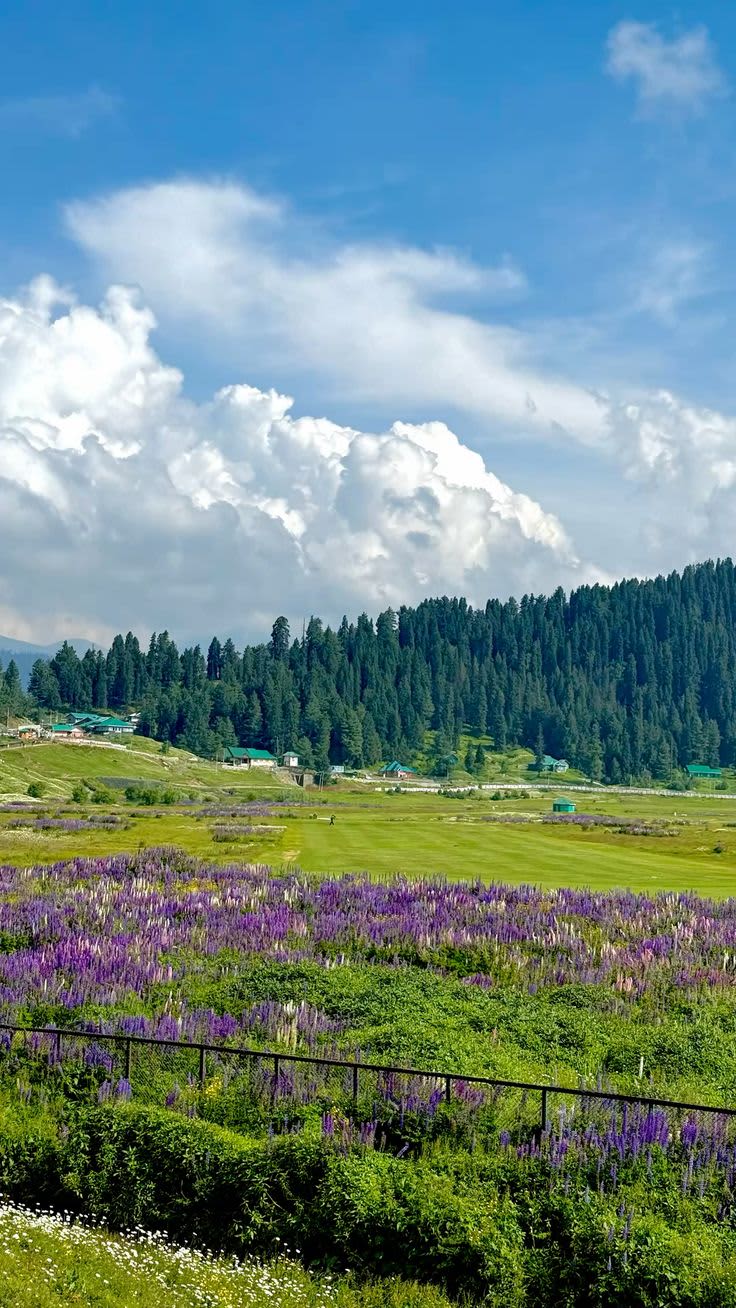
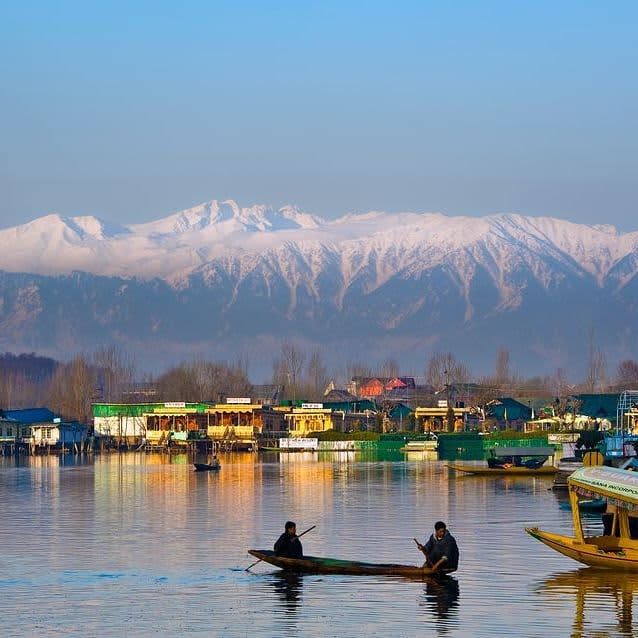
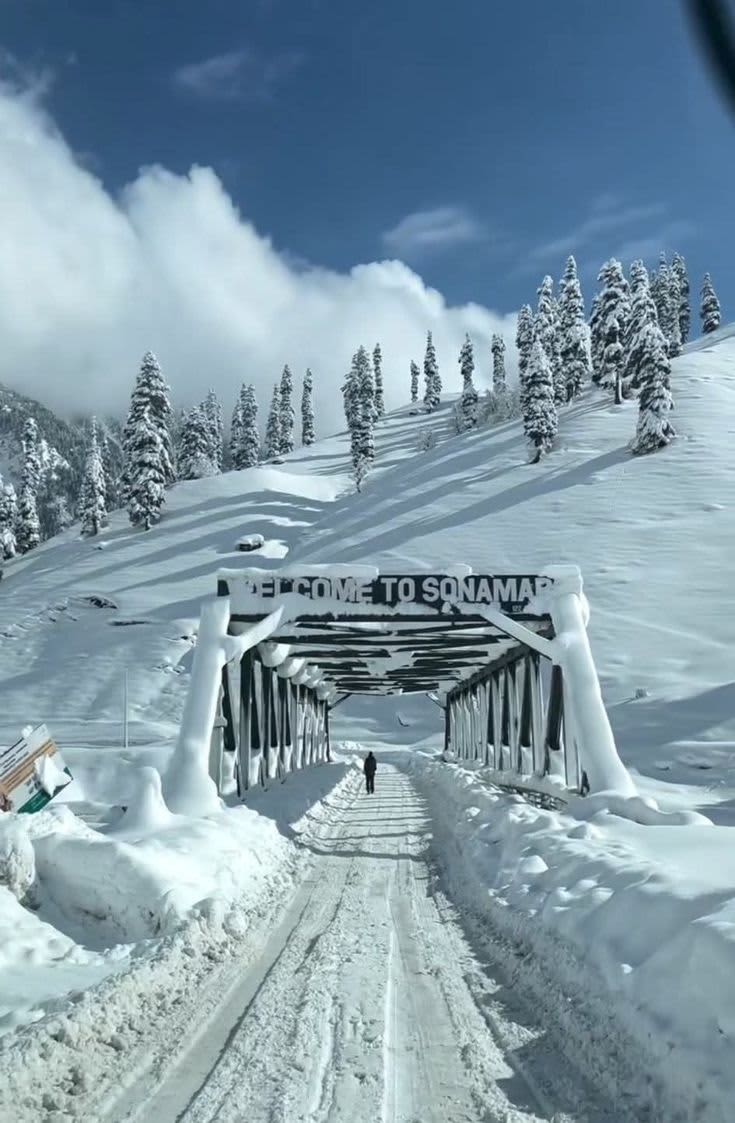
Katra is the base camp town in Jammu & Kashmir for the pilgrimage to the revered Vaishno Devi shrine, one of the most visited Hindu pilgrimage sites in India attracting millions of devotees every year...
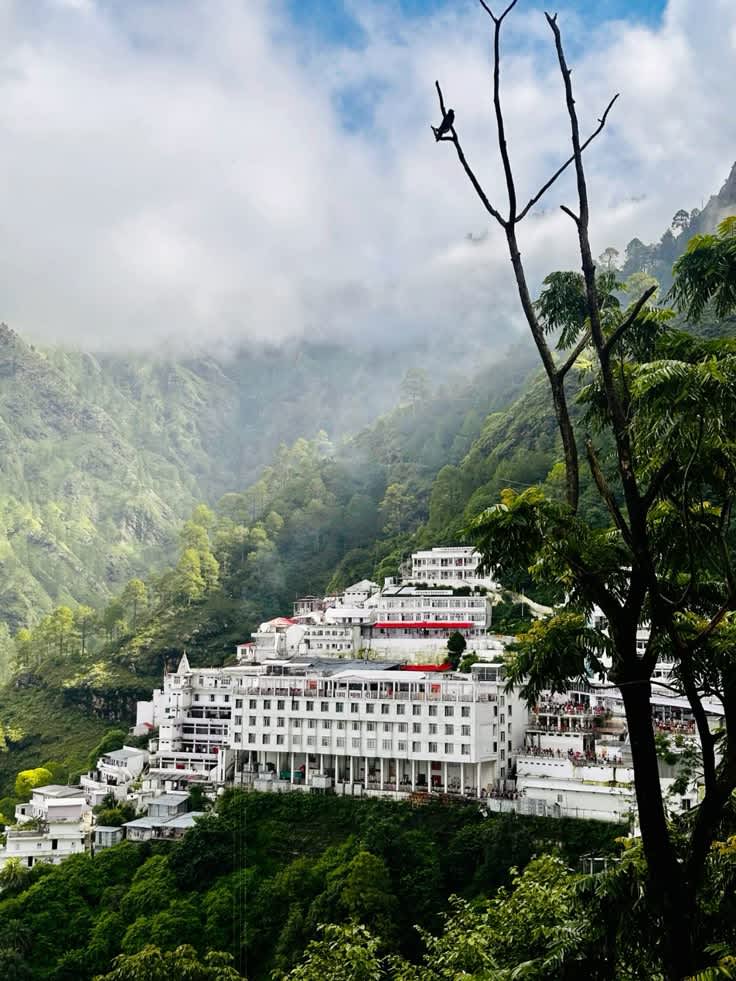
Katra
Base Camp for Vaishno Devi
Jammu and Kashmir, India
4.6
Pilgrimage HubShoppingMountain Views
spiritual
Duration: 1–3 Days
Budget/day: ₹1,000 – ₹4,000
Best season: Year-round (Mar – Jun & Sep – Nov are peak)
Altitude: 755 m
Nearest airport: Jammu Airport (50 km)
Nearest railway: Katra Railway Station (within town)
Best places to visit in Katra


Things to do in Katra
- No photoSpiritual & TrekView full guide
8–12 hours (14 km one way; return by same route or alternate path)
Vaishno Devi pilgrimage trek
One of the most visited pilgrimage sites in India, the Vaishno Devi shrine sits at 5,200 feet in the Trikuta Mountains, accessible by a 14-kilometre trek from Katra. The trail winds through forested mountain terrain past the holy sites of Banganga, Charan Paduka, and Ardh Kwari before reaching the sacred cave shrine where the three natural rock formations of Mata Rani are worshipped. Millions of pilgrims make this journey each year, and the atmosphere on the trail — particularly at night with the line of lamp-bearing devotees stretching up the mountain — is deeply moving.
- No photoSpiritualView full guide
1–2 hours (accessed after Vaishno Devi shrine, adds 2 km to route)
Bhairavnath Temple visit
Perched at 2,457 metres — the highest point of the Vaishno Devi pilgrimage circuit — the Bhairavnath Temple is visited after the main shrine and considered the completion of the pilgrimage by devout Hindus. The views from this elevation over the surrounding Trikuta Mountains and valley below are extraordinary, and the sense of accomplishment after completing the full circuit is difficult to describe.
- No photoSpiritual & AdventureView full guide
3–4 hours (including drive from Katra)
Shiv Khori Cave Temple excursion
A remarkable natural cave temple dedicated to Lord Shiva, Shiv Khori is about 65 kilometres from Katra in the Reasi district. The cave is 1.5 kilometres long and houses a naturally formed Shivling as well as figures of other deities emerging from the rock walls. The cave trek through low passages to the sanctum is an extraordinary experience that combines geological wonder with spiritual power.
Best Time to Visit and Weather Info
Best time: March to June and September to November
The shrine is open all year. Summer and autumn are most pleasant for the trek. Winters (December–February) can be cold and foggy.
Spring & Summer
Best Time ⭐Mar – Jun
15°C – 30°C
The most popular pilgrimage season. Pleasant weather for the 14 km trek to Vaishno Devi. The Navratri festival (March/April) sees millions of pilgrims.
- Book helicopter in advance for Vaishno Devi shrine (Netra helicopter service)
- Obtain RFID registration card on arrival in Katra — mandatory for all pilgrims
Autumn
Good 🟡Sep – Nov
10°C – 25°C
Post-monsoon clarity and pleasant weather. The October Navratri is the year's biggest pilgrimage rush.
- October Navratri is the busiest period — expect large crowds
- Weather is ideal for the trek
Winter
Quieter 🟡Dec – Feb
5°C – 18°C
Fewer pilgrims, shorter queues, and a peaceful experience. The trek can be cold but is manageable.
- Carry warm clothes for the overnight trek
- Snowfall can occur on the upper route
How to Reach
✈️By Air
Airport: Jammu Airport (Satwari Airport) (50 km from Katra)
Duration: ~1.5 hrs by road
Flights from Delhi, Mumbai, and Chandigarh to Jammu. Taxis and buses connect Jammu to Katra.
Taxi: ₹1,000 – ₹1,500 (Jammu Airport to Katra)
Airlines: IndiGo, Air India, SpiceJet
🚂By Train
Station: Katra Railway Station (within town — Udhampur-Katra-Banihal line)
Katra is now connected by rail to Jammu (via the new Udhampur-Srinagar-Baramulla Rail Link). Trains from Delhi go to Jammu, then change to Katra.
- Vande Bharat Express — Delhi (New Delhi) (~6.5 hrs to Katra)
- Uttar Sampark Kranti — Delhi (~9 hrs to Jammu, then train to Katra)
🚌By Road
NH-44 connects Jammu to Katra. J&K SRTC and private buses run frequently from Jammu.
- Jammu: 50 km, 1.5 hrs via NH-44
- Delhi: 730 km, 13 hrs via NH-44 via Chandigarh – Jammu
Local Food
Katra's food is simple Dogri and North Indian pilgrimage food — largely vegetarian, affordable, and filling.
Dogri Rajma Chawal
Jammu-style red kidney bean curry with rice — the Dogra community's daily staple, richer and spicier than the Punjabi version.
Where: Dhabas near Katra Bus Stand
₹80 – ₹140
Ambal (Pumpkin Curry)
Sweet-sour pumpkin curry cooked with tamarind — a traditional Dogri dish.
Where: Local Dogri restaurants
₹80 – ₹140
Khatta Meat
Sour mutton curry cooked with dry mango powder and yogurt — a Dogra specialty.
Where: Non-veg dhabas in Katra town
₹200 – ₹350
Kaladi Cheese
Soft, stretchy local Dogri cottage cheese — pan-fried and eaten with roti.
Where: Local eateries in Katra
₹80 – ₹150
Chole Bhature (Pilgrim Style)
Fluffy fried bread with chickpeas — the most commonly eaten meal by pilgrims along the Vaishno Devi trekking route.
Where: Dhabas along the trekking path
₹60 – ₹100
Pinni
Dense wheat flour ladoo with ghee and dry fruits — traditional Dogra energy food, perfect before the trek.
Where: Sweet shops in Katra
₹200 – ₹400 per kg
No meat or eggs are sold within the Vaishno Devi shrine area. All food on the 14 km trekking route is vegetarian. Katra town has both vegetarian and non-vegetarian options.
FAQs
- Katra is the base town for the Vaishno Devi pilgrimage — one of the most visited Hindu shrines in India. The cave shrine of Goddess Vaishno Devi in the Trikuta Hills receives over 8 million pilgrims annually.
Best Places Similar

Vaishno Devi
Vaishno Devi, one of the most visited Hindu pilgrimage sites in India, is a sacred cave shrine nestled in the Trikuta Mountains of Jammu & Kashmir at an altitude of 1,560 meters, dedicated to the manifestation of the Mother Goddess (Shakti). The 13-kilometer pilgrimage trek from Katra through pine forests and mountain terrain to the holy cave, where the goddess is worshipped in the form of three natural rock formations (pindies), is undertaken by millions of devotees annually. The journey is as much about spiritual dedication as it is about the beauty of the Himalayan landscape through which the pilgrimage route winds.
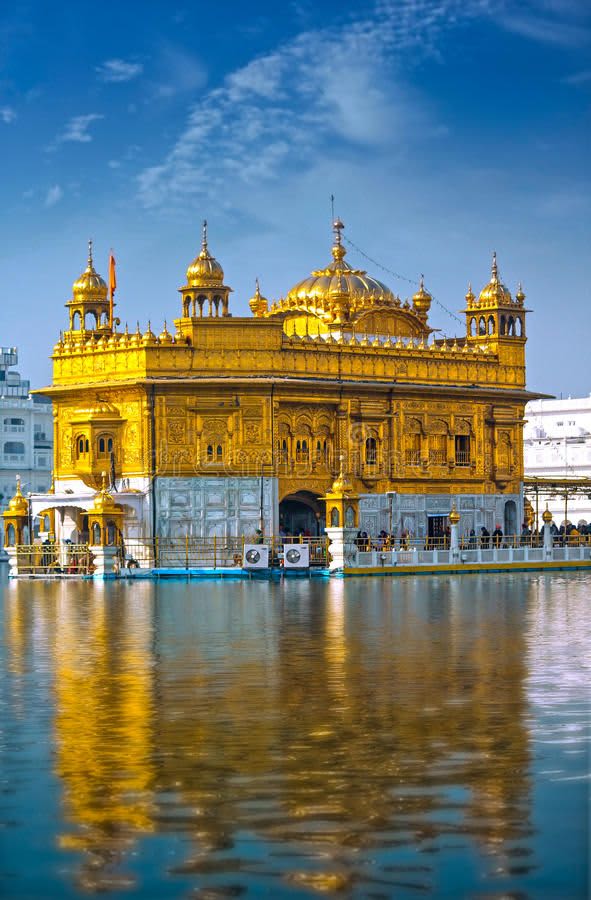
Amritsar
Amritsar, Punjab's holiest city, is home to the Harmandir Sahib — commonly known as the Golden Temple — the most sacred shrine in Sikhism and one of the most breathtakingly beautiful religious sites in the world, its golden facade reflected in the sacred Amrit Sarovar (Pool of Nectar) that surrounds it. The temple's langar, where up to 100,000 free meals are served daily regardless of caste, religion, or nationality, embodies the Sikh values of equality and service. The Wagah Border ceremony, the historic Jallianwala Bagh garden, and the delectable Amritsari cuisine of kulcha-chhole and lassi make Amritsar a destination that nourishes both body and soul.
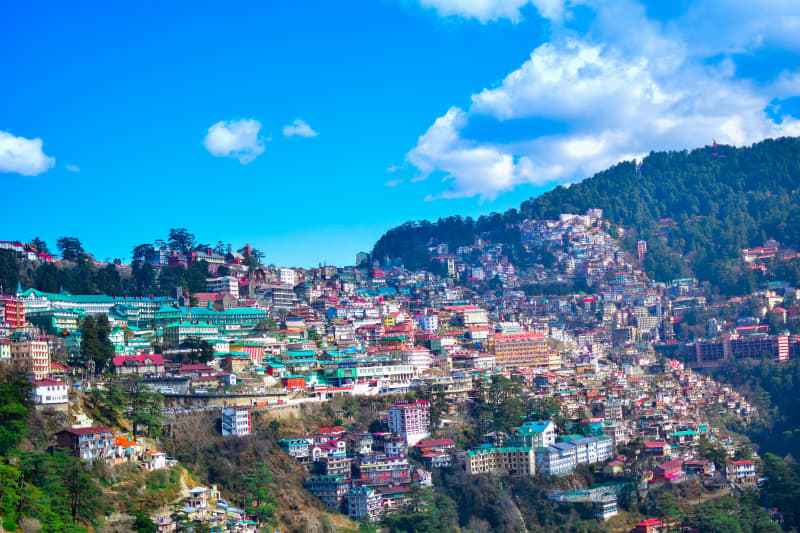
Shimla
Shimla, the former summer capital of British India and now the capital of Himachal Pradesh, enchants visitors with its Victorian-era architecture, crisp mountain air, and sweeping Himalayan vistas. The iconic Ridge and Mall Road at the heart of the town bustle with activity year-round, while the UNESCO-listed Kalka-Shimla toy train journey is a scenic marvel in itself. From adventure activities like skiing and trekking to exploring colonial-era buildings and temples, Shimla is one of India's most beloved hill station destinations.
Nearby destinations
Vaishno Devi
5 km · Vaishno Devi, one of the most visited Hindu pilgrimage sites in India, is a sacred cave shrine nestled in the Trikuta Mountains of Jammu & Kashmir at an altitude of 1,560 meters, dedicated to the manifestation of the Mother Goddess (Shakti). The 13-kilometer pilgrimage trek from Katra through pine forests and mountain terrain to the holy cave, where the goddess is worshipped in the form of three natural rock formations (pindies), is undertaken by millions of devotees annually. The journey is as much about spiritual dedication as it is about the beauty of the Himalayan landscape through which the pilgrimage route winds.
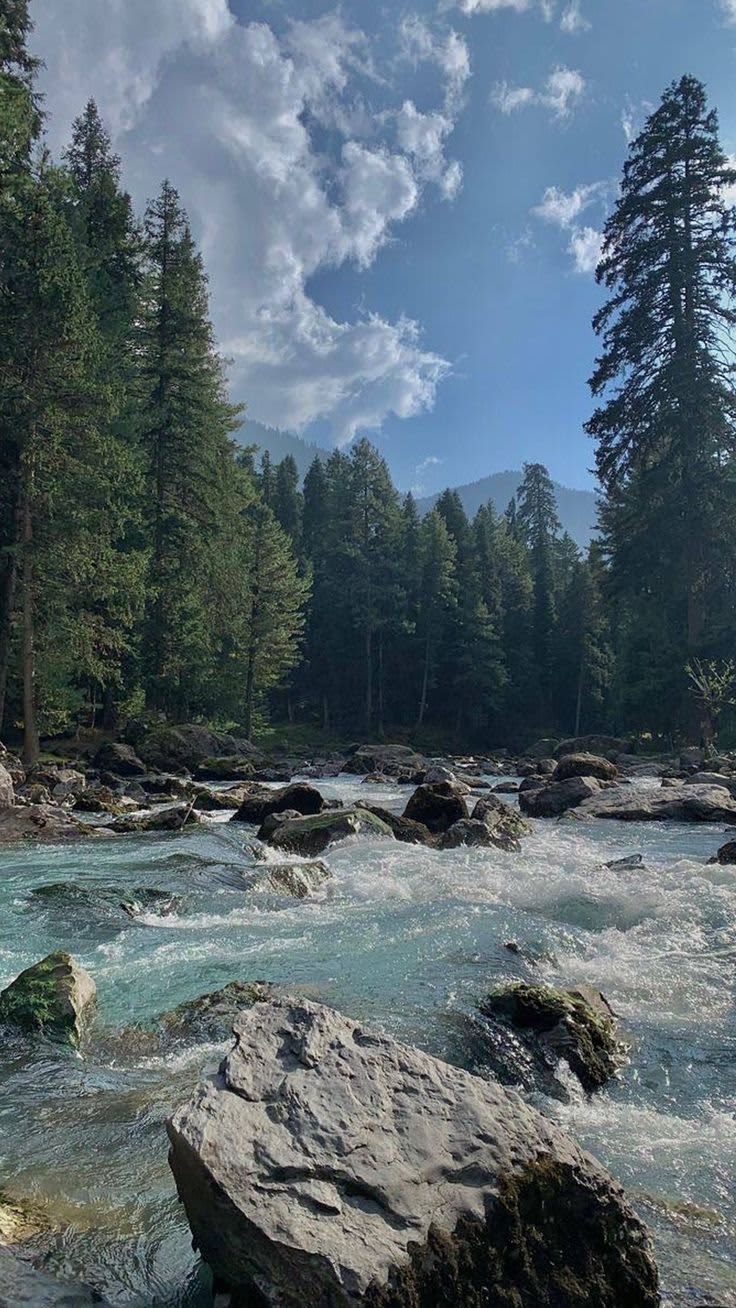
Doodhpathri
104 km · Doodhpathri, meaning "Valley of Milk," is a pristine meadow destination in the Budgam district of Jammu & Kashmir, famous for its milky white streams flowing through lush green meadows and dense conifer forests, creating an almost ethereally beautiful landscape. Unlike the more commercialized destinations in Kashmir, Doodhpathri retains its unspoiled character and offers a genuinely peaceful retreat amid grazing grounds, wildflowers, and mountain streams. The surrounding forests of fir, pine, and birch, and the backdrop of distant snow-capped peaks, make Doodhpathri one of Kashmir's most enchanting yet underrated natural getaways.
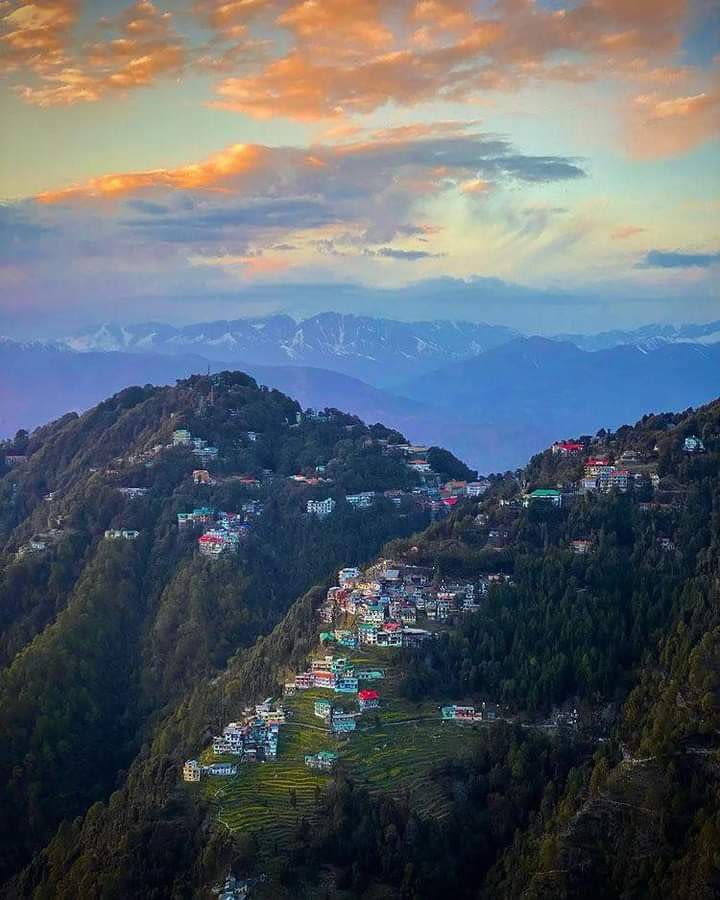
Dalhousie
107 km · Dalhousie, a charming hill station in Himachal Pradesh named after Lord Dalhousie, sits across five hills at altitudes ranging from 1,525 to 2,036 meters and retains much of its Scottish and Victorian colonial character through its architecture and churches. The panoramic Dainkund Peak, the beautiful Khajjiar — India's mini Switzerland — and the cascading Satdhara Falls are among the most visited attractions in the area. Dalhousie's pine-scented air, colonial bungalows, and proximity to the ancient Chamba Valley make it an enchanting and often-overlooked hill station destination.