Chittorgarh, in southern Rajasthan, is home to the largest hill fort in India — the magnificent Chittorgarh Fort, a UNESCO World Heritage Site — a testament to the supreme valor and sacrifice of the R...

Chittorgarh
Fort of Valor and Sacrifice
Rajasthan, India
4.7
Chittorgarh FortVijay StambhRani Padmini Palace
heritage
Duration: 1–2 Days
Budget/day: ₹1,000 – ₹3,000
Best season: Oct – Mar
Altitude: 394 m
Nearest airport: Udaipur Airport (115 km)
Nearest railway: Chittorgarh Junction (3 km)
Best places to visit in Chittorgarh

Things to do in Chittorgarh
- No photoHeritage / HistoricalView full guide
4–6 hours
Chittorgarh Fort Exploration
Spread over 700 acres on a flat-topped mesa rising 180 metres above the plains, Chittorgarh Fort is the largest fort in India and carries within it some of the most heartbreaking and heroic stories in Rajput history. Walking its 13-kilometre perimeter past towers, temples, palaces, and memorials is a deeply moving historical journey.
- No photoHeritage / HistoricalView full guide
1–1.5 hours
Vijay Stambha (Tower of Victory) Climb
Climb the 9-storey, 37-metre Vijay Stambha — a 15th-century victory tower built by Maharana Kumbha to celebrate his military triumph over the Malwa Sultanate. Every surface of this tower is covered in intricate carvings of Hindu deities, and the view from the top over the plains of Rajasthan is extraordinary.
- No photoHeritage / SpiritualView full guide
30–45 minutes
Kirti Stambha (Tower of Fame) Visit
The older of Chittorgarh's two great towers, the Kirti Stambha, was built in the 12th century by a Jain merchant and is dedicated to Adinath, the first Jain Tirthankara. Its exterior is covered in stunning Jain iconography and it stands as a testament to the flourishing of Jainism under Rajput patronage.
Best Time to Visit and Weather Info
Best time: October to March
Rajasthani summer (Apr–Jun) is very hot. Winter is ideal for exploring the massive hilltop fort.
Winter
Best Time ⭐Oct – Mar
8°C – 25°C
Perfect for exploring the vast Chittorgarh Fort and its 7 gates, towers, temples, and palaces.
- Allocate a full day for the fort — it's massive (700+ acres)
- Vijay Stambha (Victory Tower) is the centrepiece
Summer
Avoid 🔴Apr – Jun
28°C – 44°C
Extremely hot Rajasthani summer. The exposed fort provides little shade.
- Start at sunrise if visiting in summer
- Carry sunscreen, hat, and plenty of water
How to Reach
✈️By Air
Airport: Udaipur Airport (Maharana Pratap Airport) (115 km)
Duration: ~2.5 hrs
Fly to Udaipur, then taxi to Chittorgarh.
Taxi: ₹2,000 – ₹3,000
Airlines: IndiGo, Air India, SpiceJet
🚂By Train
Station: Chittorgarh Junction
Direct trains from Delhi, Jaipur, Udaipur, and Mumbai. Centrally located station.
- Chetak Express — Delhi (12 hrs)
- Mewar Express — Delhi (14 hrs)
🚌By Road
RSRTC buses and private cabs from Udaipur, Ajmer, and Jaipur.
- Udaipur: 115 km, 2.5 hrs via NH-27
- Ajmer: 190 km, 3.5 hrs via NH-48
- Jaipur: 305 km, 5.5 hrs via NH-48
Itineraries
Local Food
Chittorgarh offers traditional Rajasthani cuisine. Local dhabas and small restaurants serve authentic Marwari-Rajasthani food.
Dal Baati Churma
The definitive Rajasthani dish — baked wheat balls with lentils and sweetened churma.
Where: Local dhabas near the fort
₹100 – ₹180
Gatte ki Sabzi
Chickpea flour dumplings in spiced yogurt gravy — a Rajasthani classic.
Where: Local restaurants in Chittorgarh town
₹80 – ₹130
Pyaaz Kachori
Crispy deep-fried pastry stuffed with spiced onion filling.
Where: Morning snack stalls near bus stand
₹20 – ₹40/piece
Makhaniya Lassi
Thick, creamy butter-rich lassi — a Rajasthani specialty that's both filling and refreshing.
Where: Lassi shops in the main market
₹40 – ₹70
Chittorgarh is a smaller town — the best food is at local dhabas. The fort area has basic food stalls.
FAQs
- Chittorgarh is home to the largest fort in India (Chittorgarh Fort, 700 acres) — a UNESCO World Heritage Site. It is the symbol of Rajput valor and sacrifice, linked with legends of Rani Padmini and Maharana Pratap.
Best Places Similar
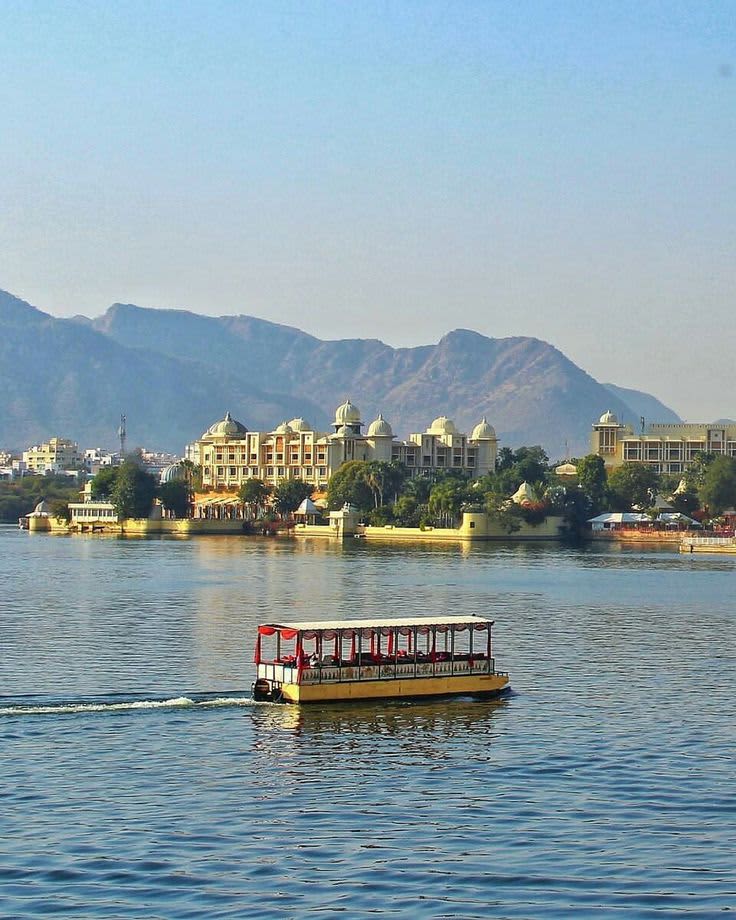
Udaipur
Udaipur, the City of Lakes in Rajasthan, is widely considered one of the most romantic cities in India, a dreamlike destination of shimmering lake palaces, white marble temples, and haveli-lined ghats reflected in the placid waters of Lake Pichola. The iconic Lake Palace — seemingly floating on the waters of Pichola — and the grand City Palace complex are among the finest examples of Rajput architecture anywhere in India. Udaipur's vibrant arts scene, exquisite handicrafts, and the mesmerizing evening boat rides on the lake make it a city that captures hearts and refuses to let go.
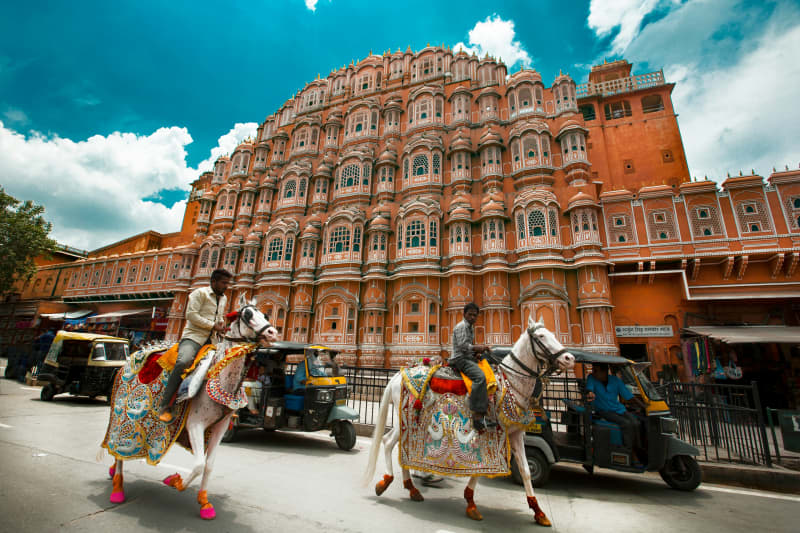
Jaipur
Jaipur, the Pink City and capital of Rajasthan, is one of India's most vibrant and photogenic destinations, famous for its rose-tinted heritage architecture, colorful bazaars overflowing with textiles and jewelry, and the formidable Amer Fort. Built by Maharaja Jai Singh II in 1727 as India's first planned city, Jaipur's geometric street layout and magnificent palaces — including the City Palace and the iconic Hawa Mahal — reflect the opulence of Rajput royalty. The city is the gateway to Rajasthan's royal heartland and forms the third vertex of India's legendary Golden Triangle alongside Delhi and Agra.
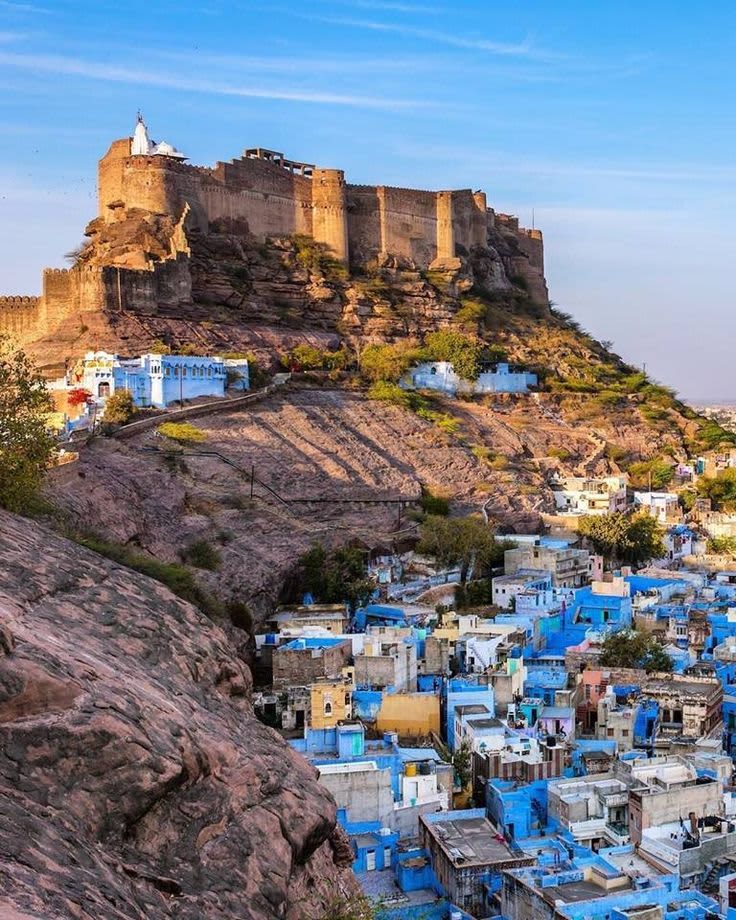
Jodhpur
Jodhpur, the Blue City of Rajasthan, is dominated by the magnificent Mehrangarh Fort — one of India's largest and best-preserved forts — rising 150 meters above a sea of indigo-painted houses in the old city below, creating one of the most dramatic urban vistas on earth. The city's blue color, traditionally used by Brahmin residents to distinguish their homes, has now been adopted across the old city, giving it its poetic nickname. The bustling Clock Tower market, the ornate Umaid Bhawan Palace, and the narrow lanes of the old city teeming with spice merchants and craftspeople make Jodhpur an unmissable Rajasthani experience.
Nearby destinations
Udaipur
98 km · Udaipur, the City of Lakes in Rajasthan, is widely considered one of the most romantic cities in India, a dreamlike destination of shimmering lake palaces, white marble temples, and haveli-lined ghats reflected in the placid waters of Lake Pichola. The iconic Lake Palace — seemingly floating on the waters of Pichola — and the grand City Palace complex are among the finest examples of Rajput architecture anywhere in India. Udaipur's vibrant arts scene, exquisite handicrafts, and the mesmerizing evening boat rides on the lake make it a city that captures hearts and refuses to let go.
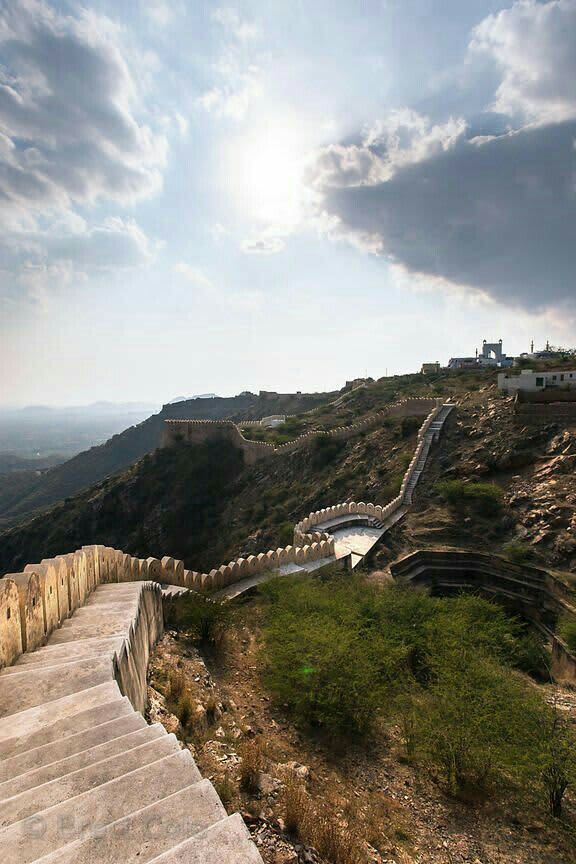
Ajmer
174 km · Ajmer, a city in the heart of Rajasthan, is one of the most important Islamic pilgrimage sites in South Asia, home to the Dargah Sharif — the tomb of the Sufi saint Khwaja Moinuddin Chishti, who is revered by Muslims and Hindus alike as a symbol of love, tolerance, and universal brotherhood. Millions of pilgrims visit the Dargah each year, particularly during the annual Urs festival, to seek blessings at the shrine's gilded tomb. The 12th-century Adhai Din Ka Jhonpra mosque and the stunning Ana Sagar Lake, where Emperor Jahangir built a beautiful marble pavilion, make Ajmer a city of remarkable composite heritage and spiritual significance.
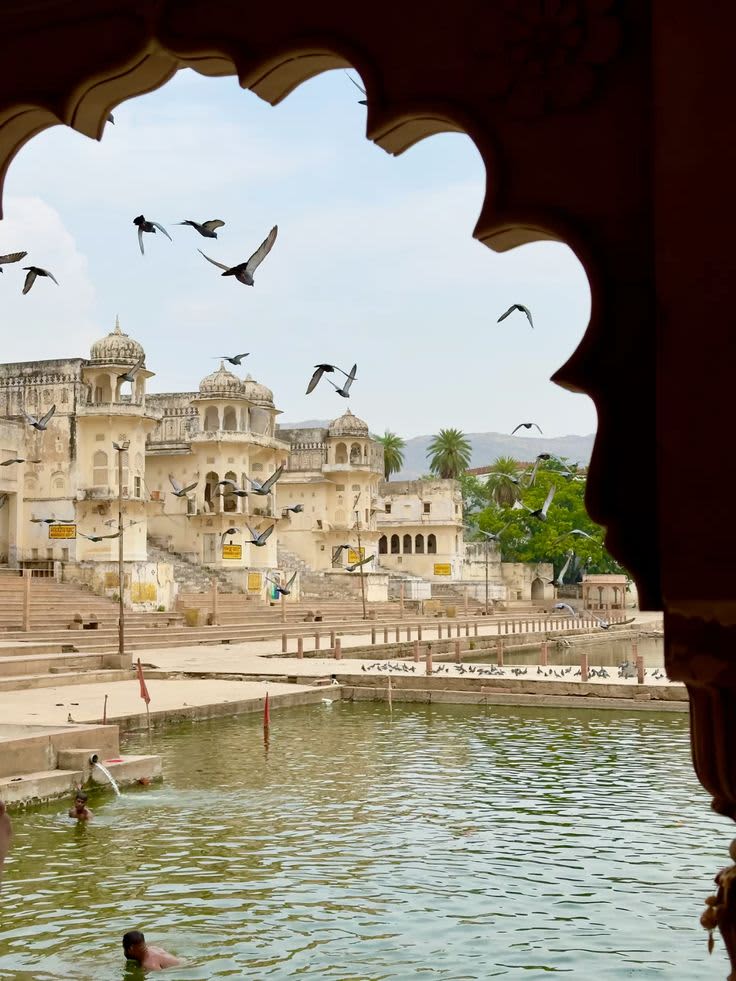
Pushkar
178 km · Pushkar, a sacred lake town in Rajasthan's Ajmer district, is built around the holy Pushkar Lake and is one of the five sacred dhams (pilgrimage sites) in Hinduism, home to the Brahma Temple — one of the very few temples in the world dedicated to the creator god Brahma. The 52 ghats surrounding the lake are the scene of continuous ritual activity and evening aarti ceremonies, while the flower-filled bazaars and the proliferation of ashrams and yoga centers give Pushkar a genuinely spiritual and otherworldly atmosphere. Every November, the Pushkar Camel Fair transforms the desert surrounds into the world's largest camel fair and a spectacular pageant of Rajasthani folk culture.