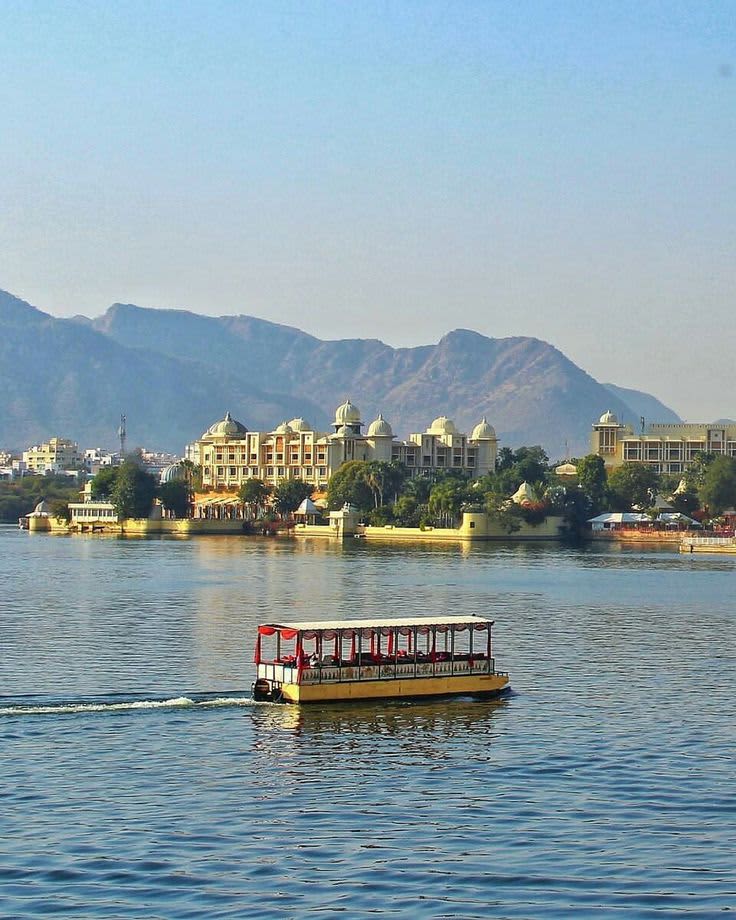
Bikaner, a royal desert city in northern Rajasthan founded in 1488, is an oft-overlooked gem that rewards visitors with its stunning sandstone architecture, the formidable Junagarh Fort, and a distinc...
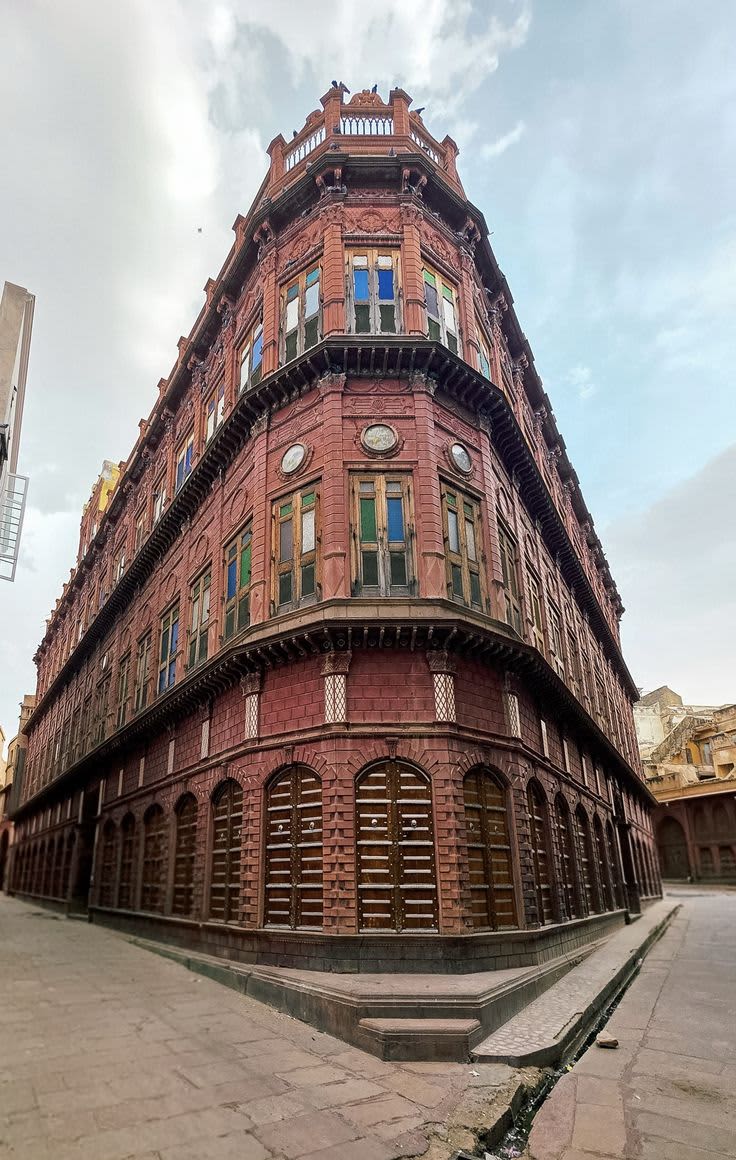
Bikaner
The Camel Country
Rajasthan, India
4.5
Junagarh FortKarni Mata TempleCamel Safari
desertheritage
Duration: 1–2 Days
Budget/day: ₹1,000 – ₹4,000
Best season: Oct – Feb
Altitude: 242 m
Nearest airport: Nal Airport, Bikaner (13 km from city)
Nearest railway: Bikaner Junction (city centre)
Best places to visit in Bikaner

Things to do in Bikaner
- No photoHeritageView full guide
2–3 hours
Junagarh Fort exploration
Unlike most Rajasthan forts, Junagarh was never conquered — a record that speaks to both its engineering brilliance and its fearsome reputation. The fort complex is an extraordinary assemblage of royal palaces built across five centuries, each one layered onto the next in a progression from early Rajput to Mughal to colonial influences. The interior rooms are among the most ornately decorated in all of Rajasthan, with mirrored halls, carved sandstone screens, and painted ceilings at every turn.
- No photoSpiritualView full guide
1–1.5 hours
Karni Mata Temple (rat temple) visit
Thirty kilometres from Bikaner, the Karni Mata Temple at Deshnoke is one of the most singular religious experiences in India — a temple where over 20,000 rats are considered sacred, fed, and revered as incarnations of Karni Mata's devotees. Walking barefoot through the temple while rats move freely around your feet is deeply disorienting, strangely peaceful, and utterly unlike anything else in the country.
- No photoNature & CultureView full guide
1.5–2 hours
Camel research centre and ride
Bikaner is famous as the camel capital of Rajasthan, and the National Research Centre on Camel just outside the city is the only institution of its kind in Asia — a working research station studying camel biology, milk production, and genetics. You can walk among the herds, learn about different camel breeds, and take a short riding experience across the scrub desert. The camel milk ice cream sold here is also genuinely delicious.
Best Time to Visit and Weather Info
Best time: October to February
Summer (March–June) is extremely hot — 48°C+. The Camel Festival is held in January.
Winter
Best Time ⭐Oct – Feb
5°C – 25°C
The only comfortable time to explore the city. The Bikaner Camel Festival (January) is the city's main cultural event — a spectacle of decorated camels, races, and folk performances.
- Bikaner Camel Festival (January) is a highlight
- Visit Junagarh Fort — remarkably well-preserved and not situated on a hill
How to Reach
✈️By Air
Airport: Nal Airport, Bikaner (13 km from city centre)
Duration: ~30 mins
Very limited flights. Most visitors come by train from Delhi or Jaipur.
Taxi: ₹300 – ₹500
Airlines: Air India (limited schedule)
🚂By Train
Station: Bikaner Junction
Good rail connectivity from Delhi (8 hrs), Jaipur (7 hrs), and Jodhpur (5 hrs).
- Bikaner Express — Delhi (Sarai Rohilla) (~8 hrs)
- Jodhpur-Bikaner Express — Jodhpur (~5 hrs)
🚌By Road
RSRTC buses from Jaipur, Jodhpur, and Jaisalmer. National highways connect Bikaner well.
- Jaipur: 335 km, 6 hrs via NH-11
- Jodhpur: 250 km, 4.5 hrs via NH-62
- Jaisalmer: 335 km, 5–6 hrs via NH-15
Itineraries
Local Food
Bikaner is particularly famous for its Bhujia (spiced gram flour snack), Rasgullas, and the overall namkeen (savoury snack) industry that has put the city on India's culinary map.
Bikaneri Bhujia
World-famous spiced moth bean flour noodle snack — the original and best comes from Bikaner. Haldiram's was born here.
Where: Haldiram Bhujiawala (original), Station Road
₹100 – ₹400 per kg
Rasgulla
Bikaner is surprisingly famous for its soft, spongy Bengali-style rasgullas — brought by Marwari traders.
Where: Sweet shops near Kote Gate
₹20 – ₹40 per piece
Laal Maas
Spicy red mutton curry — the Rajasthani non-veg essential.
Where: Local restaurants
₹280 – ₹450
Dal Baati Churma
Rajasthan's signature meal with ghee-soaked wheat balls and five-lentil dal.
Where: Dhabas near Junagarh Fort
₹180 – ₹350
Kulfi
Dense Indian ice cream with pistachio and cardamom — popular at sweet stalls in Bikaner's market.
Where: Sweet stalls in Kote Gate market
₹30 – ₹60
Gajak
Sesame and jaggery brittle — a classic Bikaner winter sweet.
Where: Local sweet shops
₹150 – ₹300 per kg
Bikaner Bhujia is the city's most famous export — buy directly from Haldiram's original Bikaner outlet (not a franchise) for the most authentic product.
FAQs
- Bikaner is famous for Junagarh Fort (one of the few Rajasthani forts not built on a hill), the Karni Mata Rat Temple, the Bikaner Camel Festival, the Bikaneri Bhujia snack (origin of Haldiram's empire), and its rich Rajput and Marwari heritage.
Best Places Similar
Jaisalmer
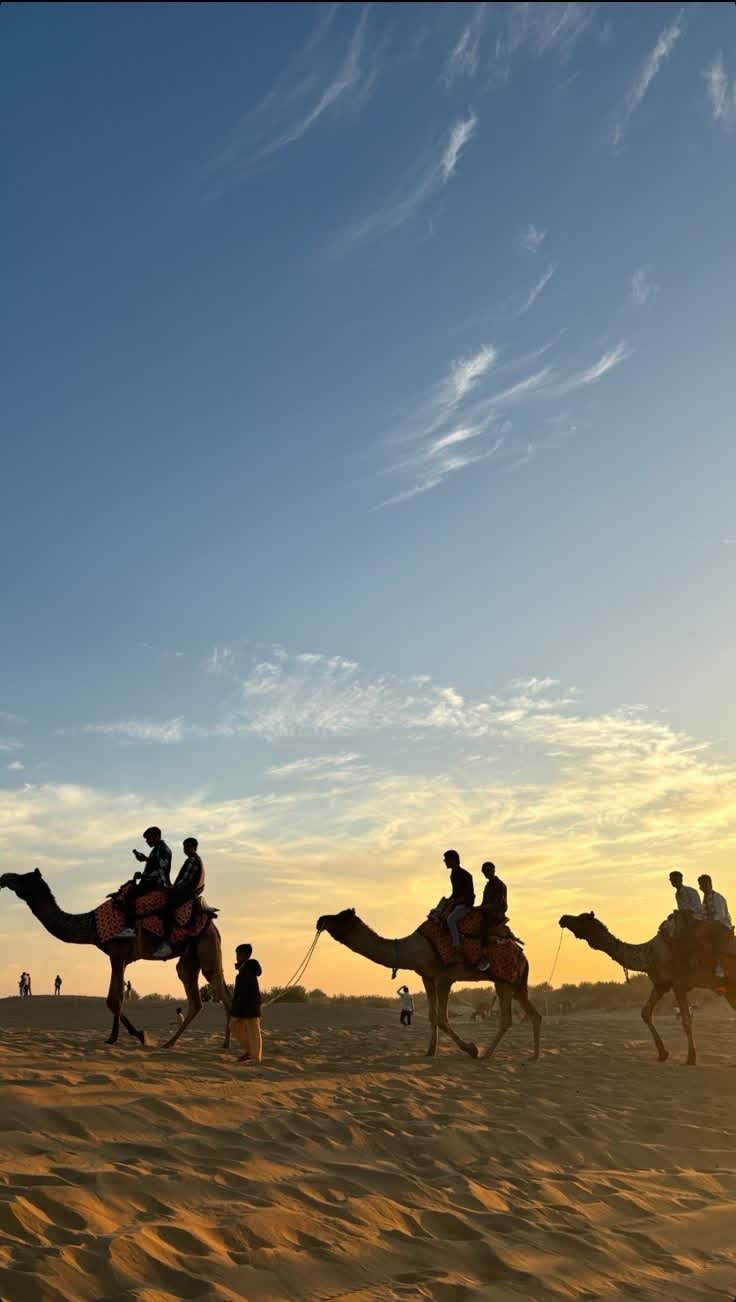
Jaisalmer, the Golden City of Rajasthan, rises like a mirage from the Thar Desert with its honey-colored sandstone fort, havelis, and temples that seem to glow in the desert light — earning it its poetic name. The living Jaisalmer Fort, one of the largest fully preserved fortified cities in the world and a UNESCO World Heritage Site, still houses a thriving community within its medieval ramparts. Camel safaris into the sweeping sand dunes of Sam and Khuri, overnight camps under the vast desert sky, and the intricately carved Patwon Ki Haveli make Jaisalmer a destination of extraordinary romance and adventure.
Jodhpur
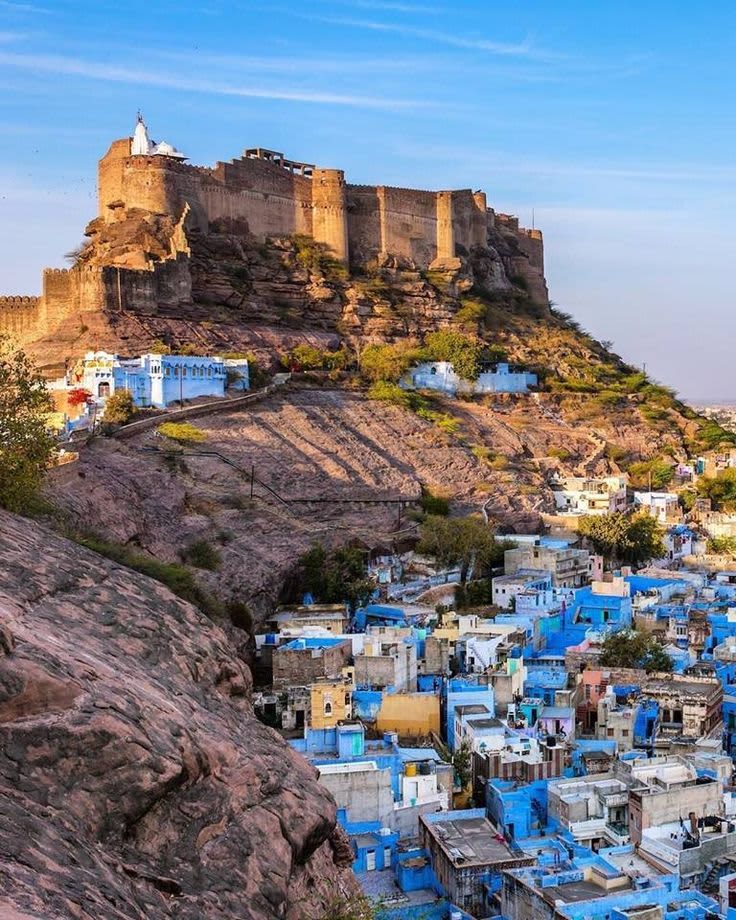
Jodhpur, the Blue City of Rajasthan, is dominated by the magnificent Mehrangarh Fort — one of India's largest and best-preserved forts — rising 150 meters above a sea of indigo-painted houses in the old city below, creating one of the most dramatic urban vistas on earth. The city's blue color, traditionally used by Brahmin residents to distinguish their homes, has now been adopted across the old city, giving it its poetic nickname. The bustling Clock Tower market, the ornate Umaid Bhawan Palace, and the narrow lanes of the old city teeming with spice merchants and craftspeople make Jodhpur an unmissable Rajasthani experience.
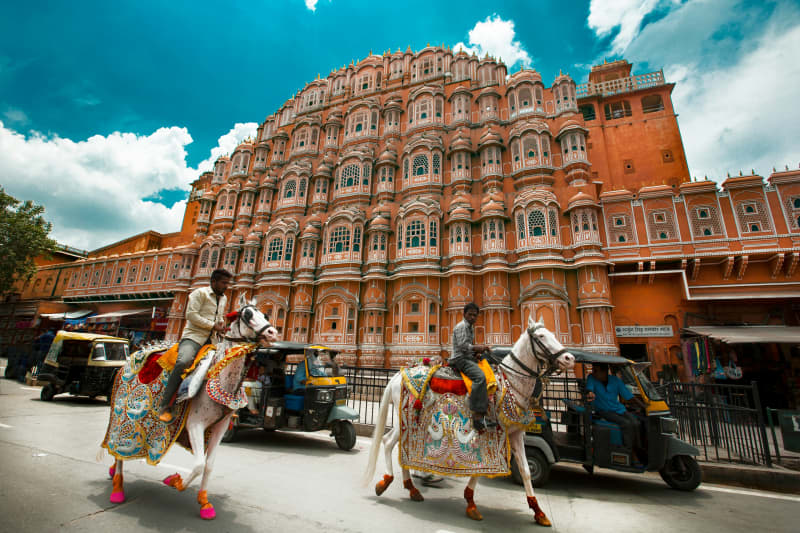
Jaipur
Jaipur, the Pink City and capital of Rajasthan, is one of India's most vibrant and photogenic destinations, famous for its rose-tinted heritage architecture, colorful bazaars overflowing with textiles and jewelry, and the formidable Amer Fort. Built by Maharaja Jai Singh II in 1727 as India's first planned city, Jaipur's geometric street layout and magnificent palaces — including the City Palace and the iconic Hawa Mahal — reflect the opulence of Rajput royalty. The city is the gateway to Rajasthan's royal heartland and forms the third vertex of India's legendary Golden Triangle alongside Delhi and Agra.
Nearby destinations
Jodhpur
200 km · Jodhpur, the Blue City of Rajasthan, is dominated by the magnificent Mehrangarh Fort — one of India's largest and best-preserved forts — rising 150 meters above a sea of indigo-painted houses in the old city below, creating one of the most dramatic urban vistas on earth. The city's blue color, traditionally used by Brahmin residents to distinguish their homes, has now been adopted across the old city, giving it its poetic nickname. The bustling Clock Tower market, the ornate Umaid Bhawan Palace, and the narrow lanes of the old city teeming with spice merchants and craftspeople make Jodhpur an unmissable Rajasthani experience.
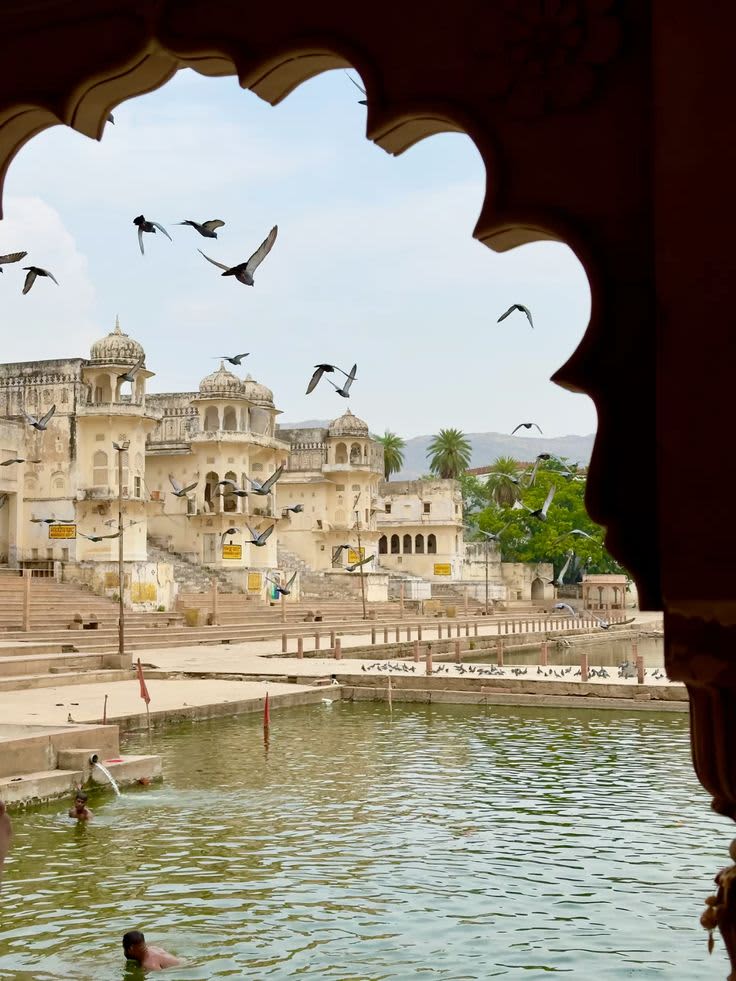
Pushkar
210 km · Pushkar, a sacred lake town in Rajasthan's Ajmer district, is built around the holy Pushkar Lake and is one of the five sacred dhams (pilgrimage sites) in Hinduism, home to the Brahma Temple — one of the very few temples in the world dedicated to the creator god Brahma. The 52 ghats surrounding the lake are the scene of continuous ritual activity and evening aarti ceremonies, while the flower-filled bazaars and the proliferation of ashrams and yoga centers give Pushkar a genuinely spiritual and otherworldly atmosphere. Every November, the Pushkar Camel Fair transforms the desert surrounds into the world's largest camel fair and a spectacular pageant of Rajasthani folk culture.
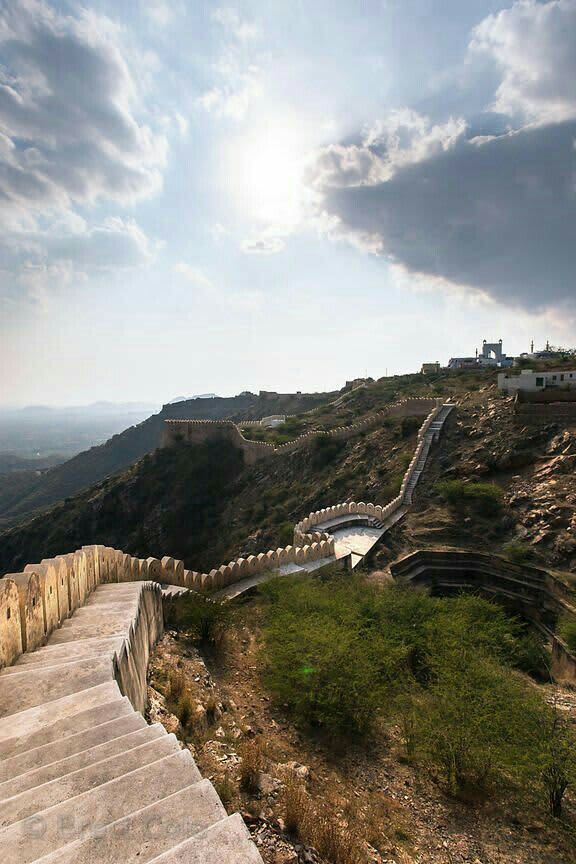
Ajmer
219 km · Ajmer, a city in the heart of Rajasthan, is one of the most important Islamic pilgrimage sites in South Asia, home to the Dargah Sharif — the tomb of the Sufi saint Khwaja Moinuddin Chishti, who is revered by Muslims and Hindus alike as a symbol of love, tolerance, and universal brotherhood. Millions of pilgrims visit the Dargah each year, particularly during the annual Urs festival, to seek blessings at the shrine's gilded tomb. The 12th-century Adhai Din Ka Jhonpra mosque and the stunning Ana Sagar Lake, where Emperor Jahangir built a beautiful marble pavilion, make Ajmer a city of remarkable composite heritage and spiritual significance.