Best Places Similar in Valley of Flowers
Best Places Similar to Valley of Flowers
The Valley of Flowers National Park, a UNESCO World Heritage Site in Uttarakhand's Chamoli district, is a high-altitude Himalayan valley that transforms into a breathtaking carpet of hundreds of alpine wildflower species each monsoon season from July to September. Accessible via a scenic trek from Govindghat through dense forests and alongside glacial streams, the valley sits at 3,352 meters beneath towering snow-capped peaks. The trail also passes through Ghangaria, the gateway to the sacred Hemkund Sahib Gurudwara, making it a journey that combines natural wonder with spiritual significance.
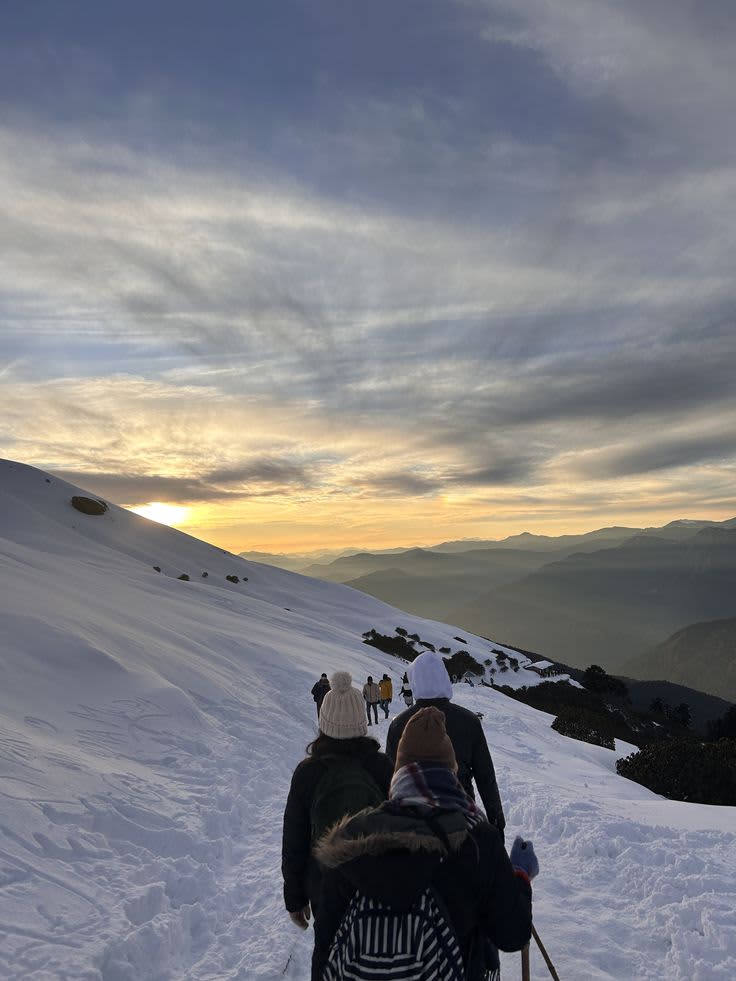
Chopta
→Chopta, often called the "Mini Switzerland of Uttarakhand," is a serene meadow destination in the Rudraprayag district at an altitude of 2,700 meters and one of the best-kept secrets of the Garhwal Himalayas. It serves as the base camp for the highly revered trek to Tungnath — the world's highest Shiva temple — and further up to the Chandrashila Peak, which offers jaw-dropping panoramic views of peaks like Kedarnath, Chaukhamba, Trishul, and Nanda Devi. Chopta's dense rhododendron forests and undisturbed natural beauty make it a paradise for birdwatchers, trekkers, and nature photographers.
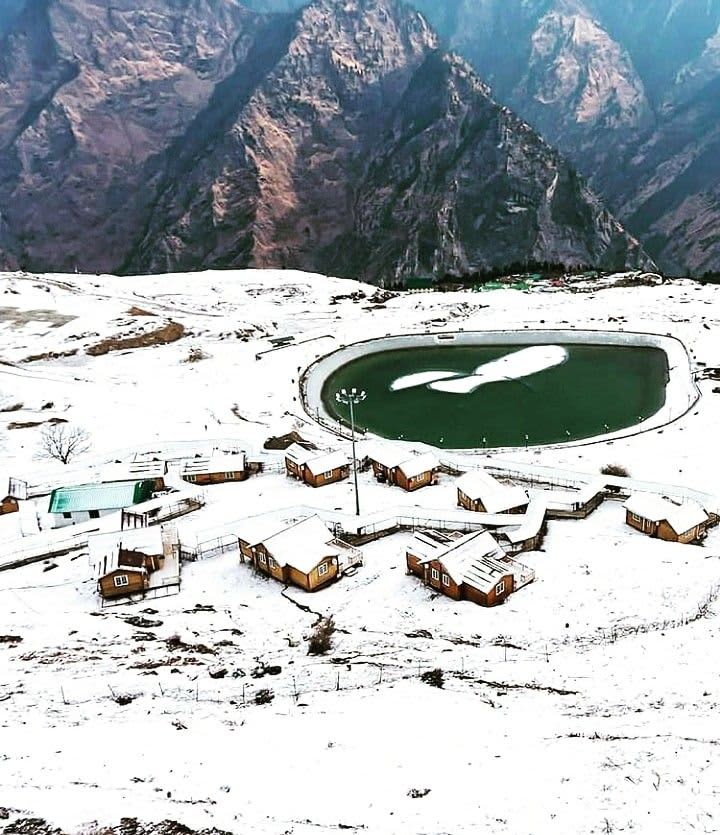
Auli
→Auli, a pristine Himalayan ski resort in Uttarakhand at an altitude of 2,519 meters, is India's premier skiing destination, blessed with deep powder snow from December to March and some of the most dramatic views of Nanda Devi, Mana Parbat, and Dunagiri peaks. The Asia's highest and longest cable car (gondola) from Joshimath to Auli is a must-ride whether you visit in winter for skiing or in summer when the meadows bloom with wildflowers. Auli also serves as the base for the famous Gurso Bugyal trek, making it a year-round mountain destination in the Garhwal Himalayas.
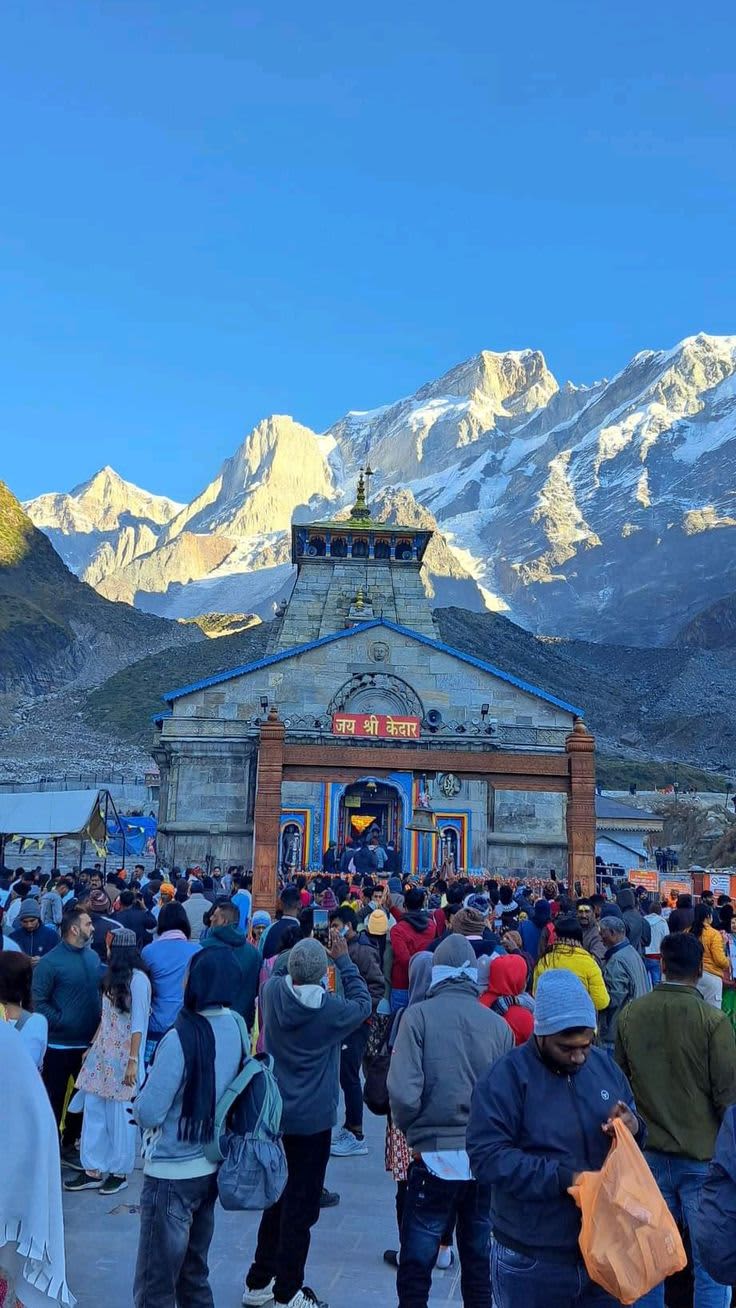
Kedarnath
→Kedarnath, one of the twelve Jyotirlingas of Shiva and the highest of the four Char Dham pilgrimage sites, sits at a staggering altitude of 3,583 meters in the Garhwal Himalayas of Uttarakhand, accessible only by an 18-kilometer trek through breathtaking Himalayan scenery. The ancient Kedarnath Temple, believed to have been originally built by the Pandavas of the Mahabharata and reconstructed by Adi Shankaracharya in the 8th century, stands surrounded by glaciers and snow-capped peaks — a setting of overwhelming natural grandeur and spiritual power. The temple is open only from May to November, and the annual opening ceremony with the Shiva idol's arrival is a profoundly moving experience.
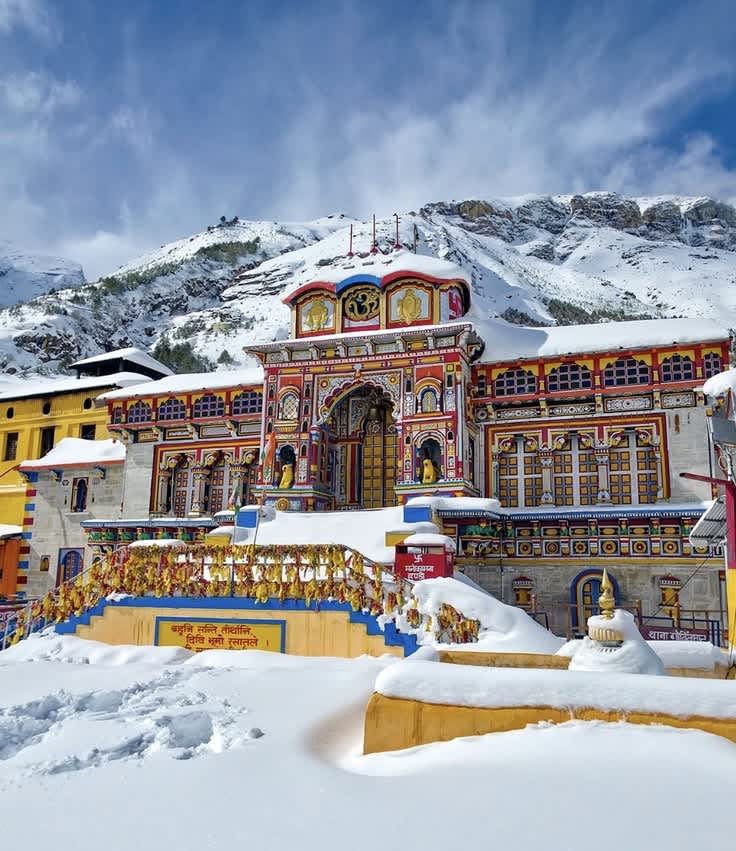
Badrinath
→Badrinath, one of the most revered Vishnu shrines in Hinduism and the final destination on the Char Dham pilgrimage circuit, sits at 3,133 meters in the Garhwal Himalayas of Uttarakhand on the banks of the Alaknanda River. The colorful Badrinath Temple, framed by the towering Nilkantha Peak, draws hundreds of thousands of pilgrims during its six-month opening season each year. The nearby Tapt Kund hot springs for ritual bathing, the mythologically significant Brahma Kapal ghat, and the Valley of Flowers and Hemkund Sahib nearby make Badrinath a destination of extraordinary spiritual and natural richness.
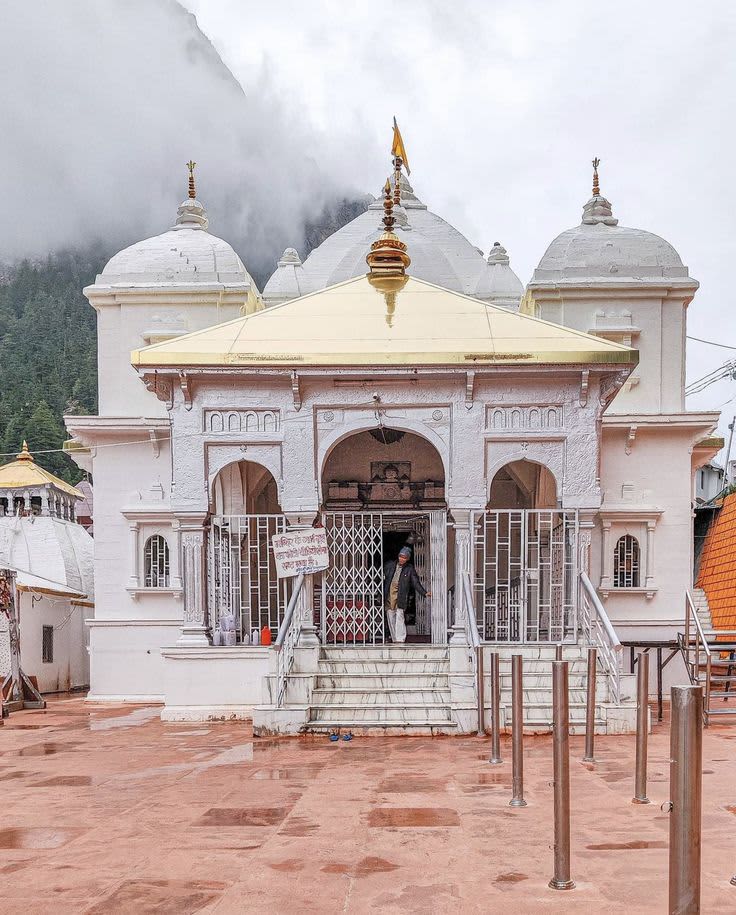
Gangotri
→Gangotri, situated at 3,100 meters in the Uttarkashi district of Uttarakhand, is the site of the Gangotri Temple dedicated to the River Goddess Ganga and the starting point for the trek to Gaumukh — the actual glacial source of the holy Ganges River. One of the four sacred Char Dham pilgrimage sites, Gangotri is believed to be the place where the sage Bhagirath meditated for thousands of years to bring the divine river Ganga to earth. The dramatic setting amid soaring Himalayan peaks, including the magnificent Bhagirathi group visible from the temple, makes Gangotri as visually awe-inspiring as it is spiritually significant.
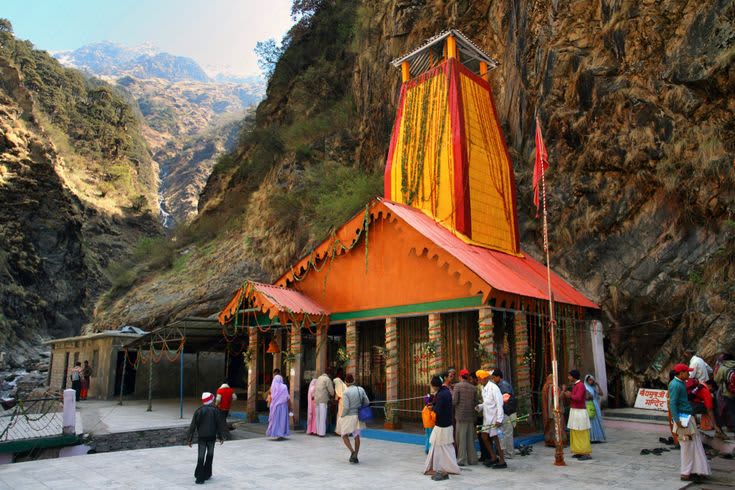
Yamunotri
→Yamunotri, the source of the sacred Yamuna River and the first stop on the Char Dham pilgrimage circuit in Uttarakhand, sits at 3,293 meters in the Garhwal Himalayas and can only be reached by a 6-kilometer trek from Janki Chatti through majestic mountain scenery. The Yamunotri Temple, dedicated to the goddess Yamuna, is flanked by natural thermal springs where pilgrims cook rice and potatoes in the boiling water as a sacred offering. The Divya Shila rock pillar near the temple and the dramatic glacial Champasar Glacier above form a setting of raw Himalayan grandeur that leaves a lasting spiritual impression.
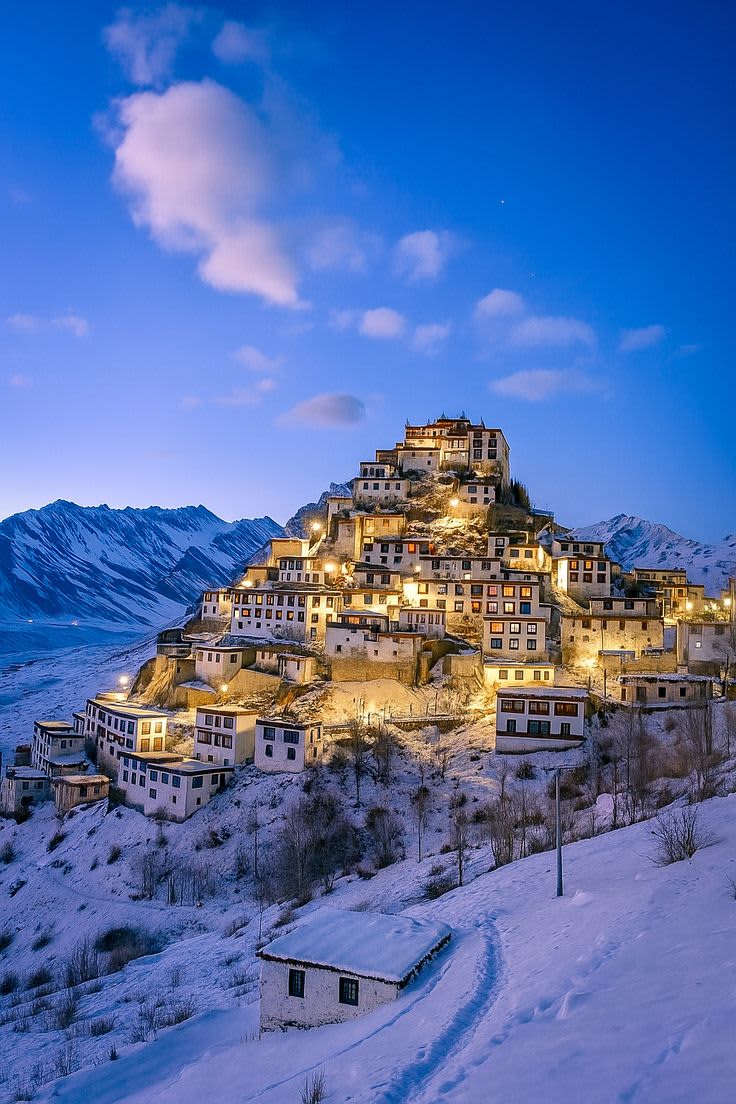
Spiti Valley
→Spiti Valley, a cold desert mountain valley in the trans-Himalayan region of Himachal Pradesh, is one of India's most remote and spectacular destinations. At an average altitude of 3,800 meters, the barren yet dramatic landscape of rugged peaks, ancient monasteries, and turquoise rivers feels otherworldly. The ancient Key Monastery, the tiny village of Kibber, the Chandratal Lake, and the iconic Kunzum Pass are highlights of this bucket-list destination accessible only a few months of the year due to heavy snowfall.

Nubra Valley
→Nubra Valley, a high-altitude cold desert in northern Ladakh accessible via the exhilarating Khardung La Pass — one of the world's highest motorable roads — is a surreal landscape of sand dunes, apple orchards, and Buddhist monasteries flanked by towering Himalayan peaks. The sight of double-humped Bactrian camels against the backdrop of golden sand dunes at Hunder is one of the most iconic and unexpected images in the Indian Himalayas. The ancient Diskit Monastery with its giant Maitreya Buddha statue overlooking the valley is a deeply moving cultural highlight of any Ladakh itinerary.
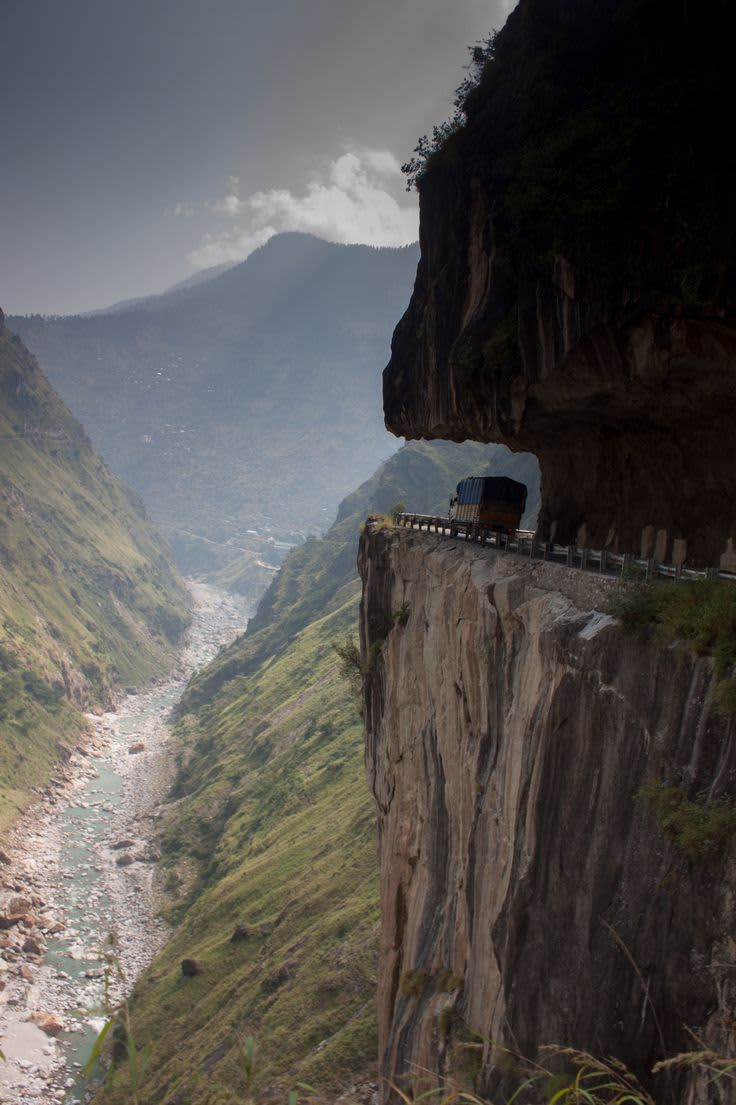
Kinnaur Valley
→Kinnaur Valley, nestled in the southeastern corner of Himachal Pradesh bordering Tibet, is a land of extraordinary contrasts where lush apple orchards meet barren Tibetan plateaus and ancient Hinduism blends seamlessly with Tibetan Buddhism. The spectacular Hindustan-Tibet Highway winds through the valley past cliff-hugging roads, deep gorges, and dramatically perched monasteries. Highlights include the sacred Kinnaur Kailash peak, the fortress-temple of Dhankar, and the charming village of Kalpa with its panoramic Kailash views.
Ranikhet
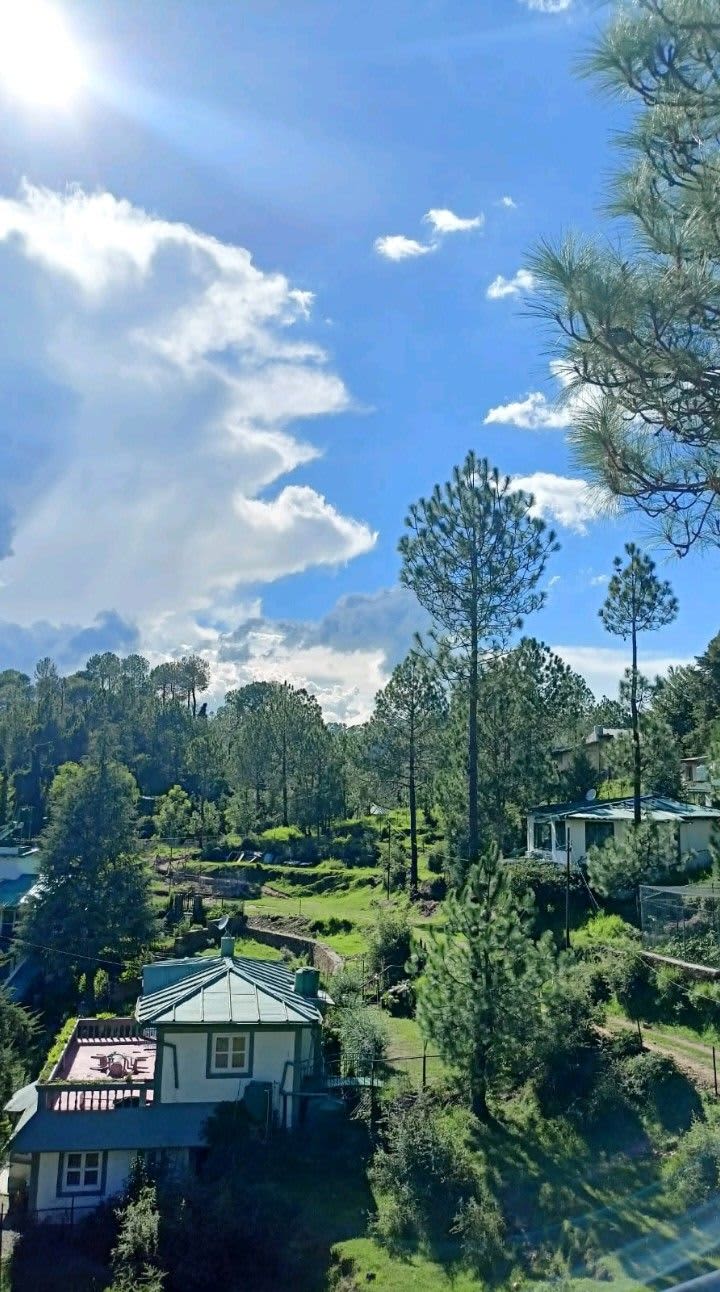
→Ranikhet, meaning "Queen's Meadow," is a tranquil British-era cantonment hill station in Uttarakhand's Kumaon region offering sweeping views of snow-clad Himalayan peaks including Nanda Devi, Trishul, and Nanda Ghunti. Unlike the more commercialized hill stations, Ranikhet has preserved its old-world charm through dense oak and rhododendron forests, apple orchards, and well-maintained colonial bungalows. The Jhula Devi Temple, Asia's highest golf course, and the scenic Chaubatia Gardens make Ranikhet a perfect off-the-beaten-path retreat for nature lovers.