Things to do in Sundarbans
Things to do in Sundarbans
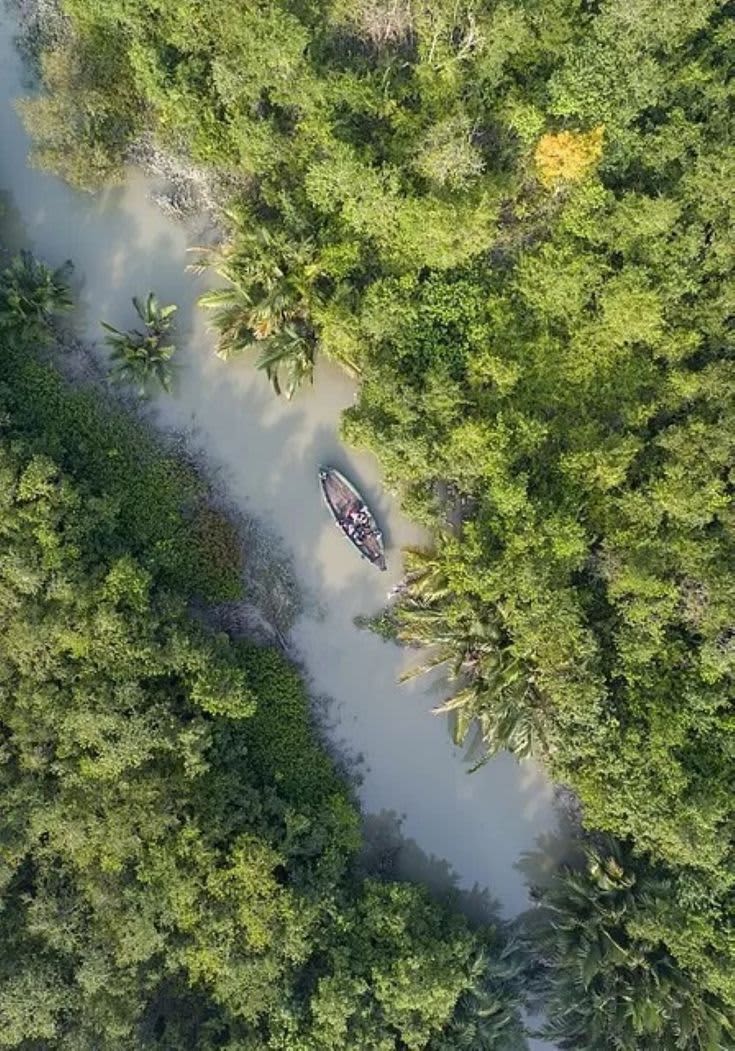
The Sundarbans, a UNESCO World Heritage Site and the world's largest mangrove delta shared between India and Bangladesh, is one of the most unique and mysterious wildlife habitats on earth. Home to the Bengal tiger — uniquely adapted to swimming between islands — as well as saltwater crocodiles, Irrawaddy dolphins, and the endangered Gangetic dolphin, the Sundarbans is a biodiversity hotspot unlike any other. Boat safaris through the labyrinthine network of tidal creeks and mangrove channels in the West Bengal delta offer an eerie, exhilarating, and deeply memorable wildlife experience.
- No photoWildlife & NatureView full guide
Full day (6–8 hours)
Boat safari through the mangrove delta
The Sundarbans is the world's largest mangrove forest — a maze of tidal rivers, mudflats, and dense Sundari trees stretching across the Bengal delta and into Bangladesh. The only way to explore it is by boat, gliding silently through narrow creeks where the trees close overhead, scanning the mudbanks for the pugmarks of Royal Bengal tigers that swim between islands, and watching the extraordinary inter-tidal wildlife that defines this UNESCO World Heritage ecosystem.
- No photoWildlifeView full guide
1–3 hours
Royal Bengal tiger watch from watchtowers
Strategically placed watchtowers at Sudhanyakhali, Sajnekhali, and Dobanki rise above the mangrove canopy and overlook freshwater ponds that tigers visit regularly to drink. Spending a patient hour or two in these towers in the early morning is the best — and safest — way to witness the Sundarbans tiger, an animal that has adapted to swimming long distances and hunting in tidal waters in a way no other tiger population on earth does.
- No photoBirding & NatureView full guide
2 hours
Sajnekhali Bird Sanctuary visit
The Sajnekhali Wildlife Sanctuary at the entrance to the Sundarbans core zone is home to a remarkable variety of birds — open-billed storks nesting in the treetops, kingfishers darting along every creek, white-bellied sea eagles soaring overhead, and waders working the mudflats at low tide. The sanctuary also has a small crocodile and turtle breeding centre and an interesting interpretive museum about Sundarbans ecology.
- No photoNature & AdventureView full guide
45 minutes to 1 hour
Dobanki canopy walk
A 600-metre long elevated walkway threading through the mangrove forest canopy at Dobanki, the canopy walk is enclosed by a chain-link cage — a reminder that you are in genuine tiger territory. It offers a completely different perspective on the forest from above, and the freshwater pond below is one of the most reliably productive spots in the Sundarbans for tiger, deer, and monitor lizard sightings.
- No photoSpiritual & ScenicView full guide
Half day
Gangasagar island visit
At the point where the Ganges meets the Bay of Bengal, Gangasagar is a sacred island and pilgrimage site of tremendous importance to Hindus across India. The annual Makar Sankranti mela here draws over one million devotees — one of the largest human gatherings on earth — who come to bathe in the confluence of river and sea. The island also has a beautiful lighthouse and peaceful beaches where you can watch the river current meet the ocean waves.