Best Places Similar in Somnath
Best Places Similar to Somnath
Somnath, on the southern coast of Gujarat's Saurashtra region, is home to the Somnath Temple — the first and most sacred of the twelve Jyotirlingas of Lord Shiva and one of the most revered pilgrimage sites in all of Hinduism. The current magnificent temple, rebuilt for the seventh time after repeated historical destruction, stands proudly on the shores of the Arabian Sea in what is described in ancient texts as the eternal Prabhasa Tirth. The sea-facing location, the nightly sound-and-light show narrating the temple's turbulent history, and the proximity to Gir Forest make Somnath a compelling destination for pilgrims and history lovers alike.

Dwarka
→Dwarka, located on the western tip of Gujarat's Saurashtra coast, is one of the seven sacred pilgrimage cities (Sapta Puri) in Hinduism and the legendary kingdom of Lord Krishna, making it one of the most revered destinations for Vaishnava devotees. The magnificent Dwarkadhish Temple, rising five stories and topped with a 78.3-meter high flag, stands majestically near the Arabian Sea and is the spiritual centerpiece of the town. Archaeological excavations have revealed submerged structures offshore that some researchers associate with the mythological sunken city of Dwarka, adding a fascinating layer of mystery to this ancient pilgrimage destination.

Diu
→Diu, a small island Union Territory connected to Gujarat's southern coast by two bridges, is one of India's hidden coastal gems — a quiet, charming destination with gorgeous beaches, a magnificent Portuguese fort, colonial churches, and a distinctly Mediterranean atmosphere entirely different from the rest of Gujarat. The imposing Diu Fort on the southeastern tip of the island, the pristine Nagoa Beach lined with hoka palms, and the beautiful Church of St. Paul with its impressive baroque facade are the island's highlights. Diu's relaxed pace, excellent seafood, and status as one of India's least crowded beach destinations make it an ideal escape for those seeking a peaceful coastal retreat.
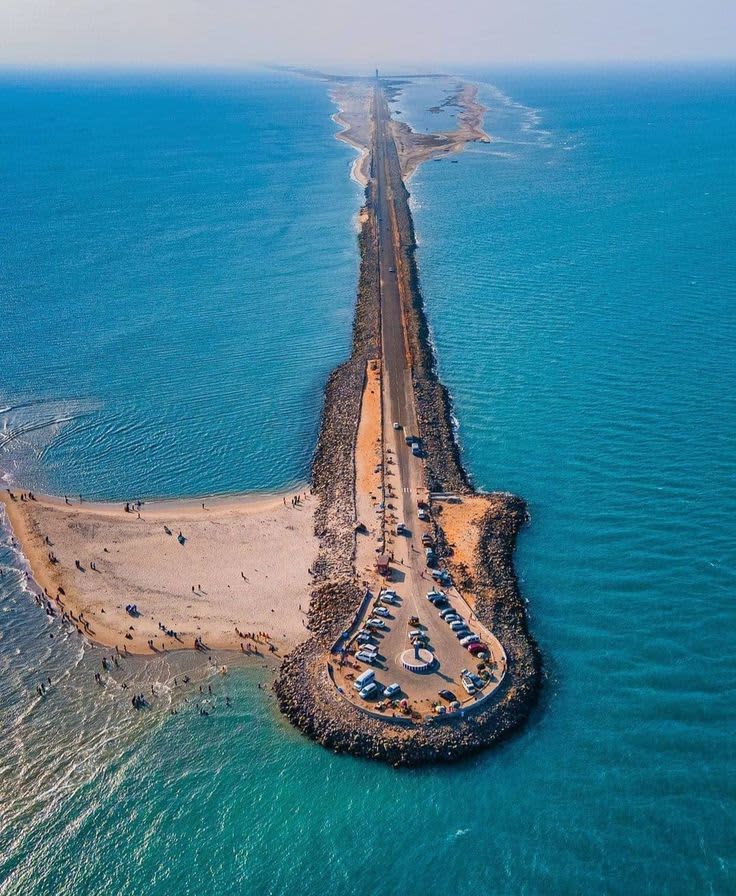
Rameswaram
→Rameswaram, an island town in Tamil Nadu connected to the mainland by the iconic Pamban Bridge, is one of the holiest sites in Hinduism and one of the four sacred dhams (Char Dham) that every devout Hindu aspires to visit. The Ramanathaswamy Temple, famous for its 1,200-meter-long ornate corridors — the longest in any Hindu temple in the world — and its 22 sacred theerthams (water tanks), is the spiritual heart of the island. The pristine beaches, the mythological connection to the Ramayana, and the dramatic vistas of the Pamban Railway Bridge make Rameswaram a unique confluence of faith, history, and natural beauty.
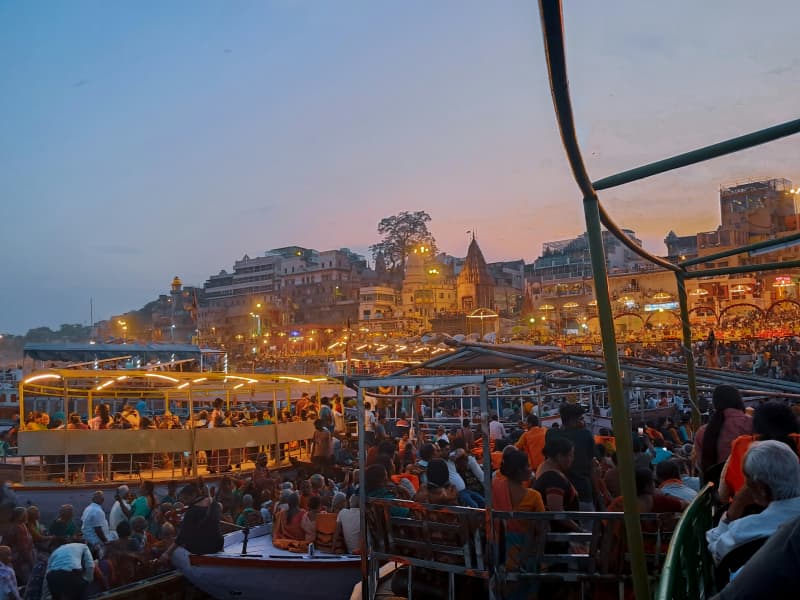
Varanasi
→Varanasi, one of the world's oldest continuously inhabited cities and Hinduism's most sacred destination, sits on the banks of the Ganges in Uttar Pradesh and is believed by Hindus to be the city where dying releases one from the cycle of rebirth. The ghats of Varanasi — 84 in all — are the spiritual heartbeat of India, where the faithful bathe at dawn, priests perform elaborate fire rituals, and funeral pyres burn perpetually at the Manikarnika Ghat. The ancient temples, the labyrinthine old city lanes, the evening Ganga Aarti ceremony, and the profound sense of mortality and transcendence make Varanasi the most spiritually intense city in India.
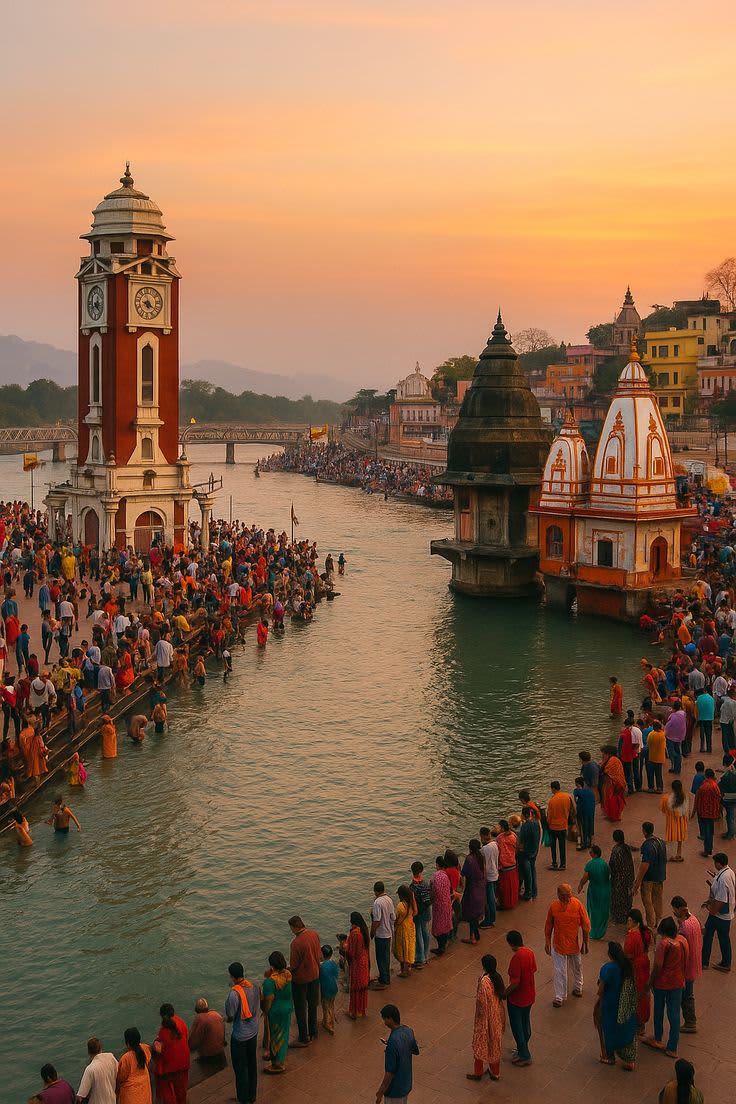
Haridwar
→The holy city of Haridwar translates to "Gateway to God," and this breathtaking destination, replete with ancient temples and sacred ghats, is a magnet for religious pilgrims from all over the globe. Religious festivals like Kumbh Mela and Kanwar Yatra hold further draw, and visitors can't help but be compelled by the city's aura of intense spirituality. Don't miss the iconic Har ki Pauri ghat and the hilltop Chandi Devi Temple.
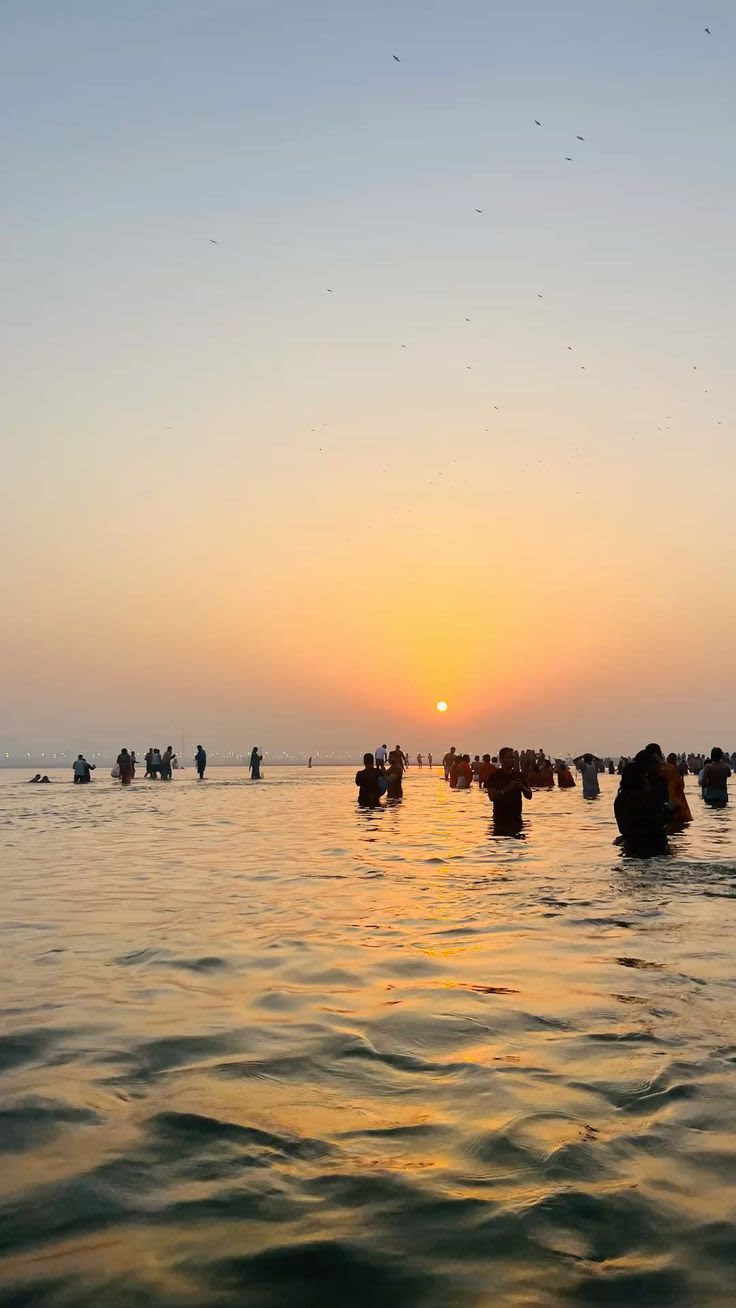
Prayagraj
→Prayagraj, formerly known as Allahabad, is one of Hinduism's most sacred cities, situated at the Triveni Sangam — the holy confluence of the Ganges, Yamuna, and the mythical Saraswati rivers — a site of such spiritual significance that bathing here is believed to wash away all sins. Every 12 years, the Maha Kumbh Mela held at Prayagraj becomes the world's largest human gathering, drawing over 100 million pilgrims in a single season. The Kumbh Mela 2026 and 2036 promises to be a once-in-a-generation event. Beyond the ghats, the Allahabad Fort, the Anand Bhawan museum (former home of the Nehru-Gandhi family), and the beautiful Khusro Bagh make Prayagraj a city of great historical depth.

Tirupati
→Tirupati, in Andhra Pradesh, is home to the Tirumala Venkateswara Temple atop the Tirumala Hills — the most visited place of worship on earth, receiving an average of 60,000 to 100,000 pilgrims daily. Dedicated to Lord Venkateswara, a form of Vishnu, the temple is not only the world's richest religious institution but also one of the most spiritually charged destinations in Hinduism. The famous 'Tirupati laddu' prasad, the tradition of tonsuring one's head as an offering, and the breathtaking view of the gilded gopuram rising above the Nallamala Hills make a Tirupati pilgrimage an unforgettable experience.
Gir National Park
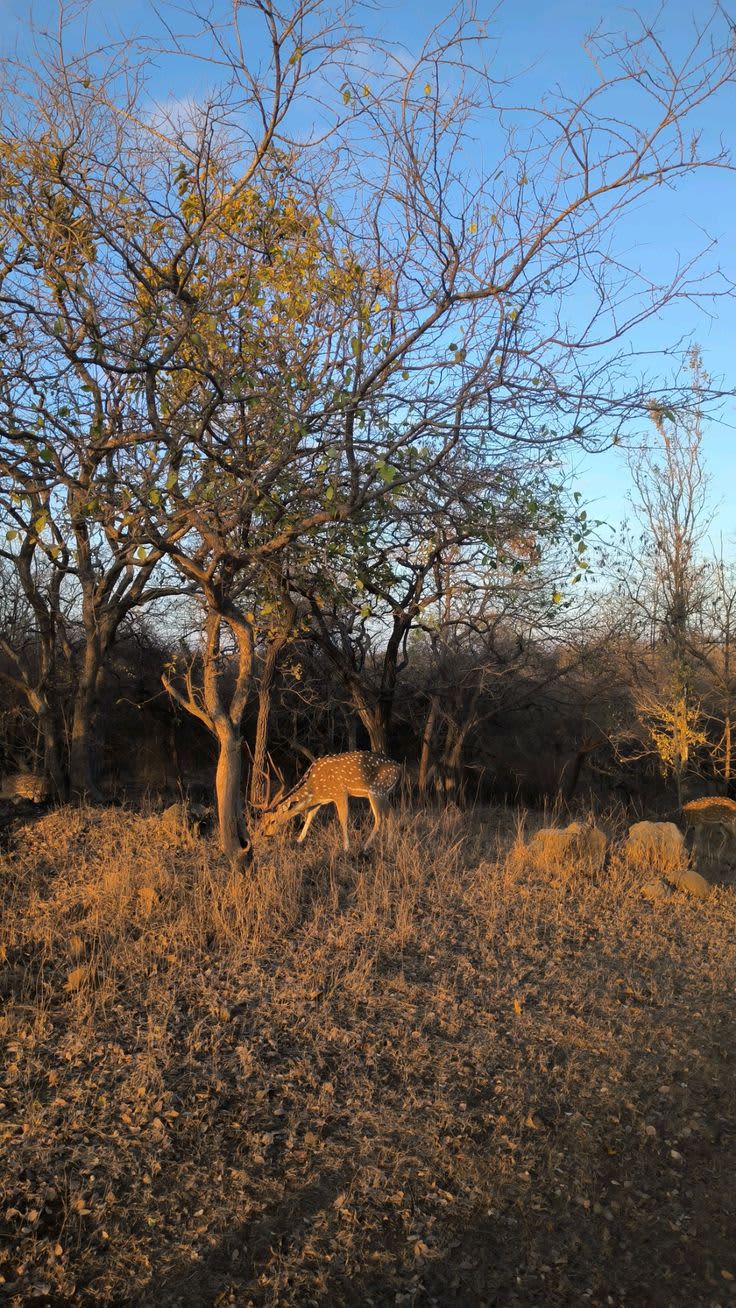
→Gir National Park and Wildlife Sanctuary in Gujarat is the last wild refuge of the majestic Asiatic lion, a subspecies once on the brink of extinction that has made a remarkable comeback thanks to dedicated conservation efforts. Covering over 1,400 square kilometers of dry deciduous forest, scrubland, and grassland in the Saurashtra region, Gir also harbors leopards, hyenas, jackals, and over 300 bird species. Guided jeep safaris through the forest offer genuinely exciting encounters with the regal Asiatic lion and the rich biodiversity of this unique protected area.
Daman
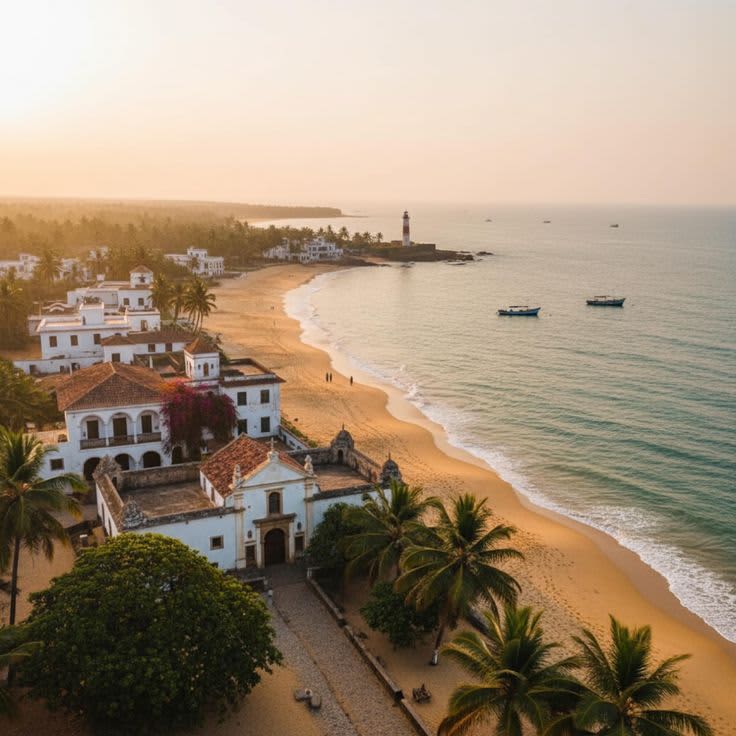
→Daman, a Union Territory on India's western coast north of Mumbai, is a compact beach destination with a distinctive Portuguese colonial heritage visible in its old churches, forts, and cobbled streets. The Moti Daman Fort and Nani Daman Fort, both well-preserved Portuguese bastions from the 16th century, flank the Damanganga River mouth and reflect Daman's four centuries of Portuguese rule before independence in 1961. The relatively uncrowded Jampore and Devka beaches, the Church of Bom Jesus, and the duty-free liquor policy that makes Daman popular with visitors from neighboring dry state Gujarat add to the town's laid-back beach holiday appeal.
Gokarna
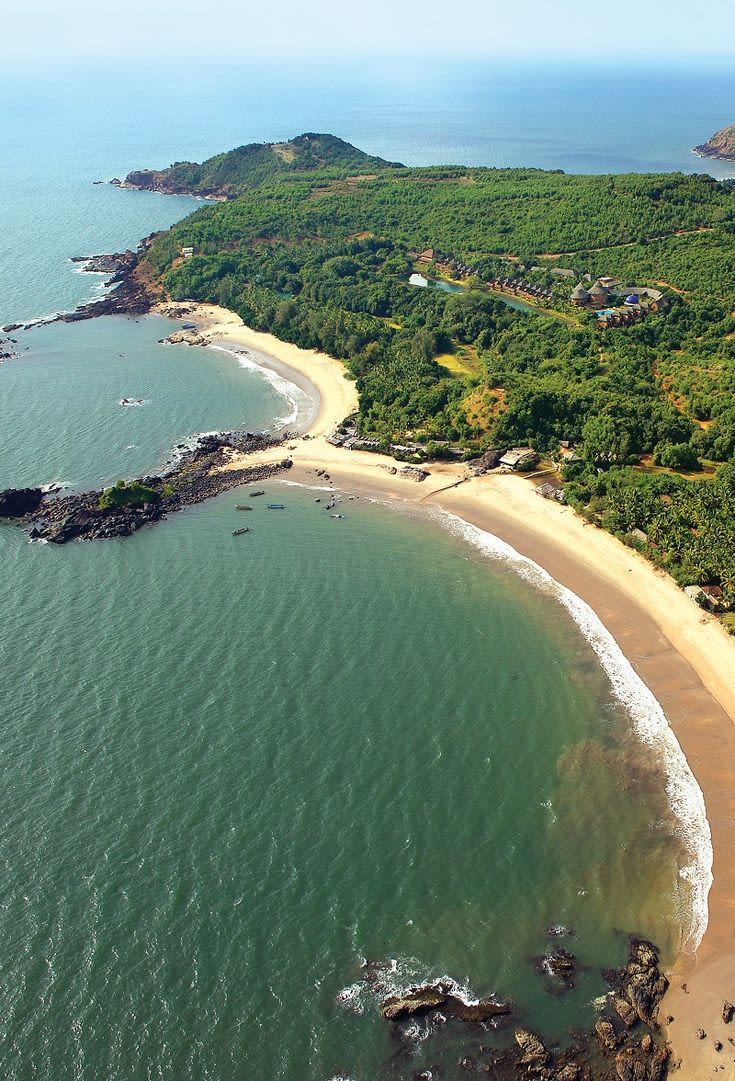
→Gokarna, a small sacred town on the Karnataka coast, is a rare destination where ancient Hindu pilgrimage and idyllic beach life coexist harmoniously, attracting both devout pilgrims and backpackers from across the world. The Mahabaleshwar Temple housing one of the most sacred Shiva lingas in South India stands at the town's spiritual center, while just a short hike over the forested headlands lie some of Karnataka's most beautiful and relatively uncrowded beaches — Om Beach, Half Moon Beach, Paradise Beach, and the main Gokarna Beach. The combination of sacred atmosphere, spectacular beaches, sea cliff sunsets, and affordable beach shacks makes Gokarna a uniquely compelling destination.