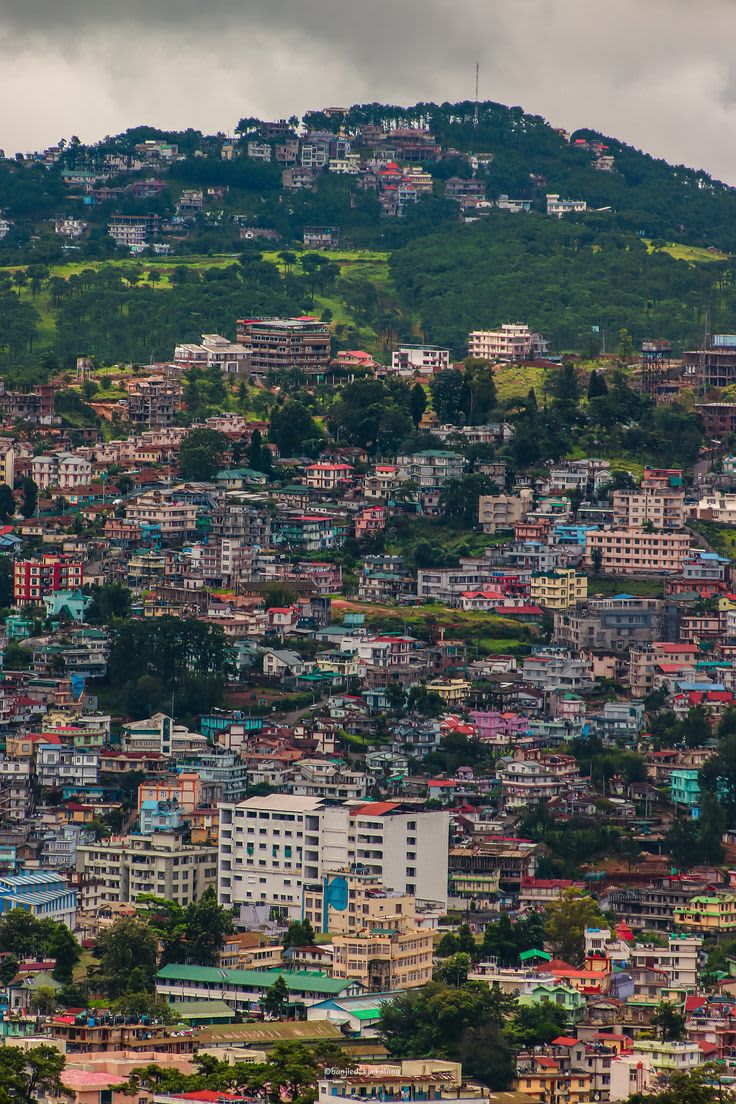
Shillong, the capital of Meghalaya and known as the "Scotland of the East," is a vibrant, rolling hill city at 1,496 meters surrounded by pine-clad hills and waterfalls that formed the backdrop for ma...
Shillong
Scotland of the East
Meghalaya, India
4.6
Living Root BridgesWaterfallsMusic Culture
hillStation
Duration: 3–4 Days
Budget/day: ₹1,500 – ₹5,000
Best season: Oct – May
Altitude: 1,491 m
Nearest airport: Umroi Airport (35 km) or Guwahati Airport (100 km)
Nearest railway: Guwahati Railway Station (100 km)
Best places to visit in Shillong
Things to do in Shillong
- No photoNatureView full guide
1–2 hours
Elephant Falls visit
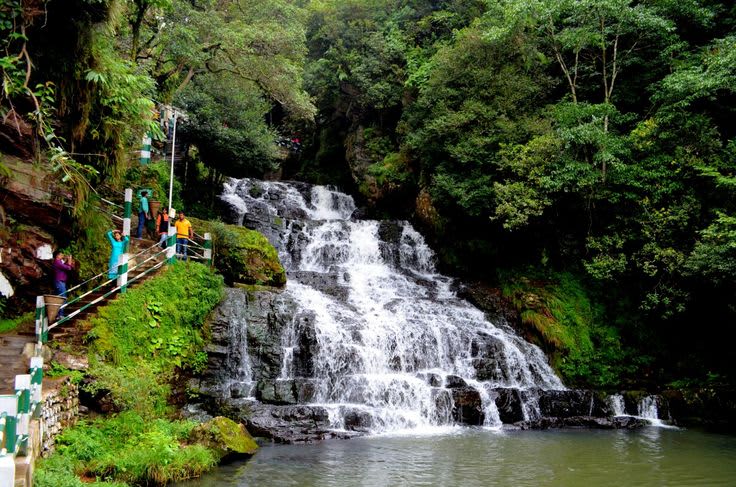
Step into Meghalaya's most iconic waterfall, a three-tiered cascade hidden inside a lush gorge just minutes from the city. The falls tumble dramatically over mossy rocks through thick subtropical forest, and the mist that hangs in the air gives the entire place a dream-like quality. It is one of those spots where you genuinely forget you are close to a capital city.
- No photoLeisureView full guide
1–2 hours
Ward's Lake stroll
A beautifully maintained colonial-era lake right in the heart of Shillong, Ward's Lake is the city's green lung and its most loved leisure spot. Row a pedal boat across the calm water, feed the fish that swarm near the banks, or simply walk the circular path through manicured gardens while the surrounding pine trees filter the cool highland air. It is calm, photogenic, and completely unhurried.
- No photoScenicView full guide
2–3 hours (including drive)
Shillong Peak viewpoint
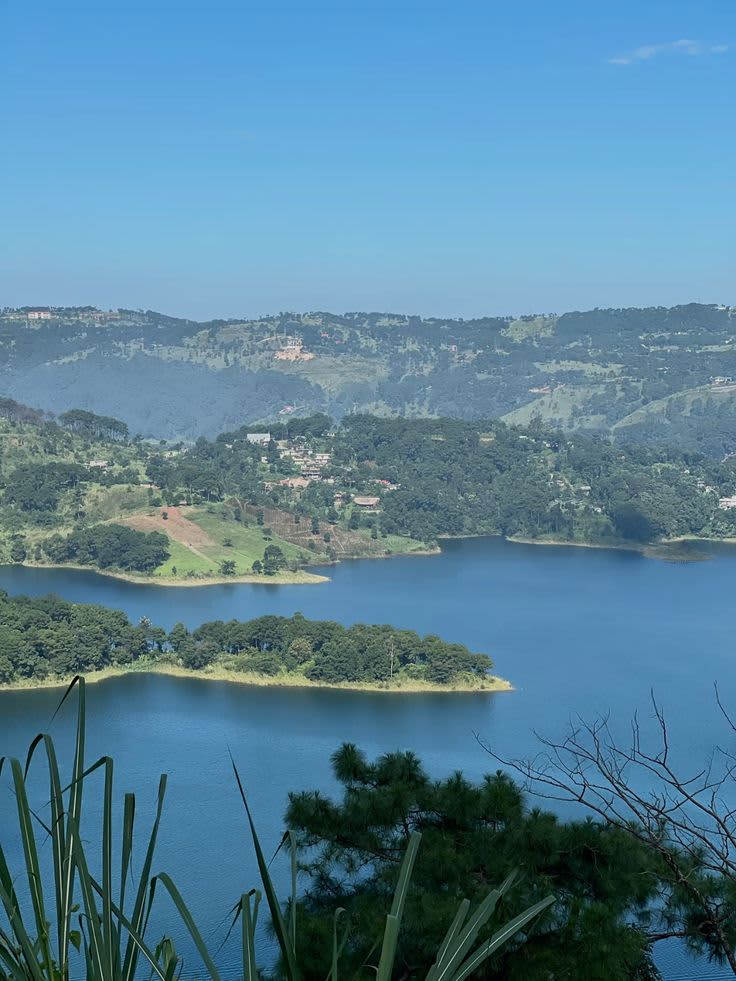
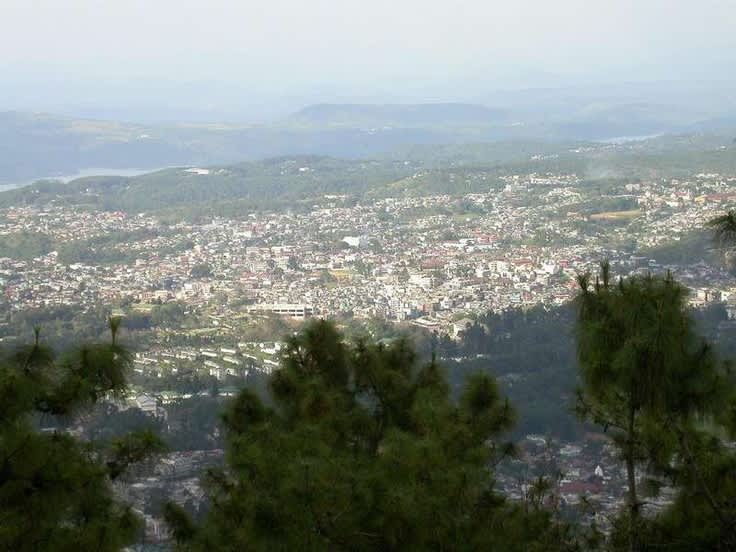
At 1,965 metres above sea level, Shillong Peak is the highest point in the state of Meghalaya and rewards you with a sweeping 360-degree panorama of the entire city, the surrounding blue-green hills, and on clear days, the plains of Bangladesh stretching out to the horizon. The drive up through pine forest is half the fun, and the viewpoint itself has a small Air Force radar station that adds an interesting edge to the landscape.
Best Time to Visit and Weather Info
Best time: October to May
Shillong is the wettest state capital in India. Monsoon (June–September) brings extremely heavy rainfall. October to May offers the best sightseeing conditions.
Winter
Best Time ⭐Oct – Feb
4°C – 20°C
Cool, clear, and comfortable. Waterfalls are full post-monsoon. The city's vibrant café and music scene is at its liveliest.
- Visit Elephant Falls and Shillong Peak early morning for clear views
- December–January evenings are cold — carry heavy woolens
Spring
Best Time ⭐Mar – May
12°C – 25°C
Cherry blossoms in March, wildflowers, and pleasant temperatures. Shillong is at its most scenic.
- Cherry blossom season (November and March) is spectacular
- Great time for trekking in the surrounding Khasi Hills
Monsoon
Avoid 🔴Jun – Sep
16°C – 24°C
Extremely heavy rainfall — Meghalaya receives some of the highest rainfall on earth. Flooding and landslides are common.
- Cherrapunji waterfalls are active but roads flood
- Landslide risk is high
How to Reach
✈️By Air
Airport: Umroi Airport (Shillong Airport) (35 km)
Duration: ~1 hr by road
Limited flights. Most visitors fly to Guwahati (100 km) and drive or take a shared cab to Shillong.
Taxi: ₹800 – ₹1,200 (Guwahati airport to Shillong)
Airlines: IndiGo, Air India
🚂By Train
Station: Guwahati Railway Station (100 km)
Train to Guwahati then shared cab or bus to Shillong via NH-6. Comfortable 2.5–3 hrs drive.
- Rajdhani Express — Delhi to Guwahati (17 hrs)
- Saraighat Express — Delhi to Guwahati (24 hrs)
- Intercity Express — Kolkata to Guwahati (12 hrs)
🚌By Road
State buses and shared cabs run frequently from Guwahati ISBT to Shillong. Private taxis offer the most comfortable option.
- Guwahati: 100 km, 2.5–3 hrs via NH-6
- Cherrapunji: 55 km, 1.5 hrs via Sohra Road
- Dawki: 95 km, 3 hrs via Jowai Road
Itineraries
Local Food
Shillong has one of Northeast India's most vibrant food scenes — from traditional Khasi cuisine to European-influenced cafés, Chinese street food, and Naga-style pork dishes.
Jadoh
Khasi-style red rice cooked with pork or chicken and local spices — the iconic dish of Meghalaya.
Where: Trattoria Restaurant, Daitari Restaurant, Police Bazaar
₹120 – ₹200
Tungrymbai
Fermented soybean preparation with pork fat — pungent, earthy, and uniquely Khasi.
Where: Local Khasi eateries
₹80 – ₹150
Pukhlein
Sweet fried rice cake made with jaggery — a popular Khasi snack.
Where: Local sweet stalls and markets
₹20 – ₹40 per piece
Dohneiiong
Pork cooked in black sesame paste — a rich, nutty Khasi delicacy.
Where: Khasi households and traditional restaurants
₹150 – ₹250
Shillong Momos
Northeastern-style dumplings with pork or chicken — the street food obsession of Shillong.
Where: Street stalls throughout Police Bazaar area
₹60 – ₹120
Café Culture
Shillong has a thriving European-influenced café scene with excellent coffee, baked goods, and live music evenings.
Where: Café Shillong Heritage, Cloud 9, Lamplighter Café
₹100 – ₹300
Shillong is a non-vegetarian-dominant city. Vegetarian options are available but limited. Pork is central to Khasi cuisine. The city has a strong café and music culture owing to its colonial heritage.
FAQs
- Shillong is the capital of Meghalaya and called the 'Scotland of the East'. It is famous for its rolling green hills, the Khasi tribal culture, living root bridges nearby, Elephant Falls, Umiam Lake, Shillong Peak, a thriving music and café scene, and its proximity to Cherrapunji — one of the wettest places on Earth.
Best Places Similar
Cherrapunji
Cherrapunji, locally known as Sohra, in the East Khasi Hills of Meghalaya holds the record for some of the highest rainfall ever recorded on earth and is a land of extraordinary waterfalls, dramatic gorges, and the most remarkable feat of human bio-engineering — the living root bridges grown by the indigenous Khasi people by training ficus tree roots across streams over centuries. The Nohkalikai Falls — India's tallest plunge waterfall dropping 340 meters into a turquoise pool — and the panoramic views across the Bangladesh plains from the plateau edge make Cherrapunji one of India's most dramatic natural destinations.
Ziro
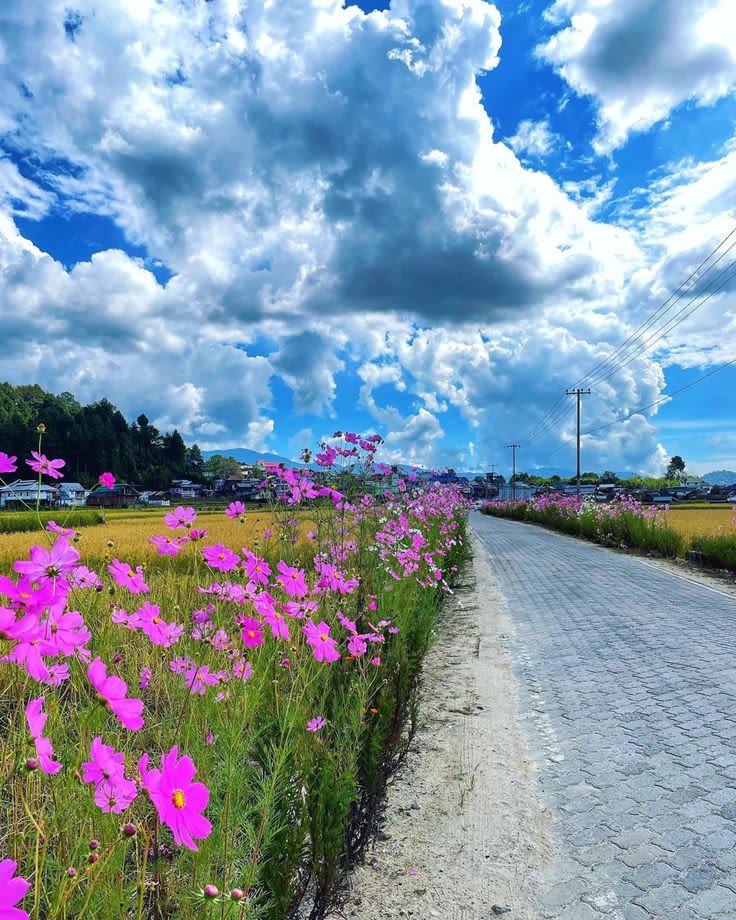
Ziro, a picturesque valley town in Arunachal Pradesh's Lower Subansiri district, is home to the indigenous Apatani tribe and their unique cultural landscape of terraced paddy fields and pine forests, recognized as a UNESCO Tentative World Heritage Site. The Apatani people's traditional agricultural system, intricate face tattoos, and distinctive bamboo architecture make Ziro one of the most culturally fascinating destinations in Northeast India. Every September, the Ziro Music Festival — held against the backdrop of misty mountains and paddy fields — transforms this remote valley into a celebrated gathering of independent musicians from across India and beyond.
Tawang
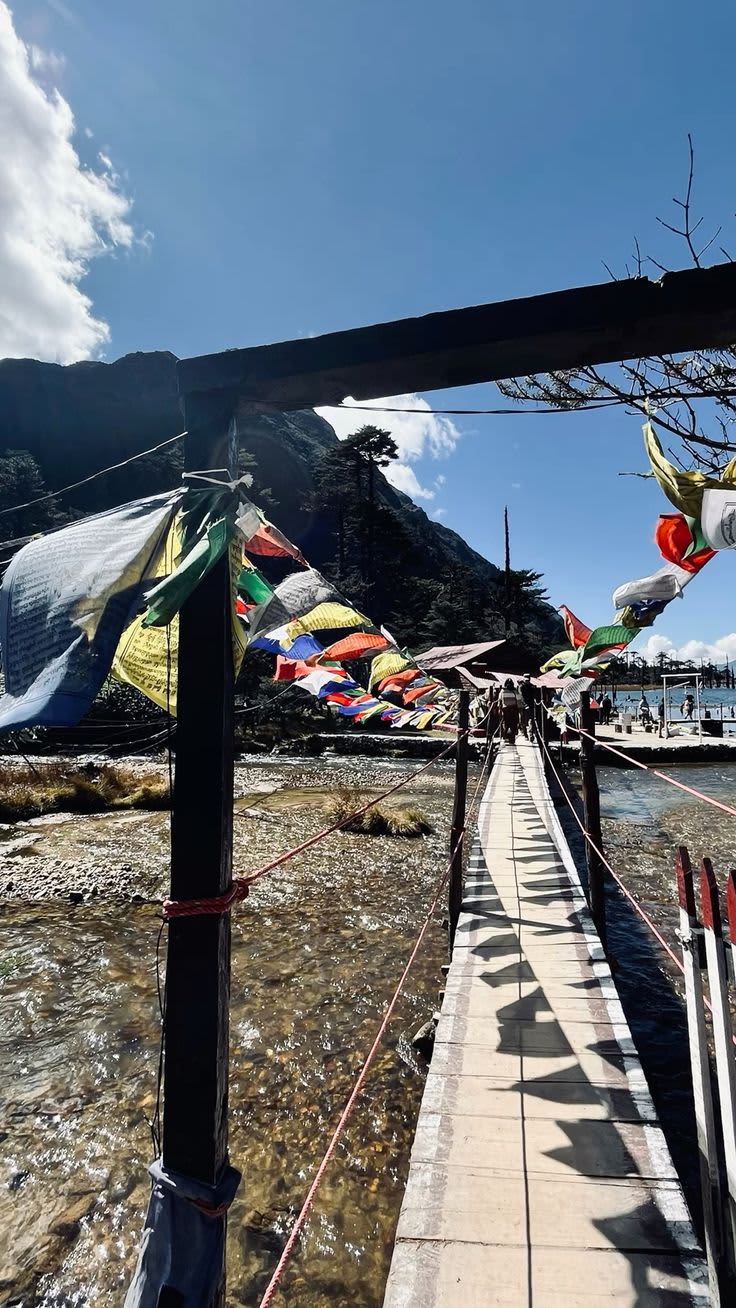
Tawang, nestled at 3,048 meters in the western corner of Arunachal Pradesh bordering Bhutan and China, is a remote and deeply sacred Buddhist destination home to the Tawang Monastery — the largest Buddhist monastery in India and the second largest in the world after Potala Palace in Lhasa. The monastery, perched dramatically on a ridge overlooking the Tawang Valley, was founded in 1680 and is the birthplace of the 6th Dalai Lama, making it one of Tibetan Buddhism's most revered centers. The breathtaking Sela Pass at 4,170 meters, the pristine Madhuri Lake (Shungetser Lake), and the warm hospitality of the Monpa people make Tawang an unforgettable frontier adventure.
Nearby destinations
Cherrapunji
39 km · Cherrapunji, locally known as Sohra, in the East Khasi Hills of Meghalaya holds the record for some of the highest rainfall ever recorded on earth and is a land of extraordinary waterfalls, dramatic gorges, and the most remarkable feat of human bio-engineering — the living root bridges grown by the indigenous Khasi people by training ficus tree roots across streams over centuries. The Nohkalikai Falls — India's tallest plunge waterfall dropping 340 meters into a turquoise pool — and the panoramic views across the Bangladesh plains from the plateau edge make Cherrapunji one of India's most dramatic natural destinations.
Kaziranga National Park
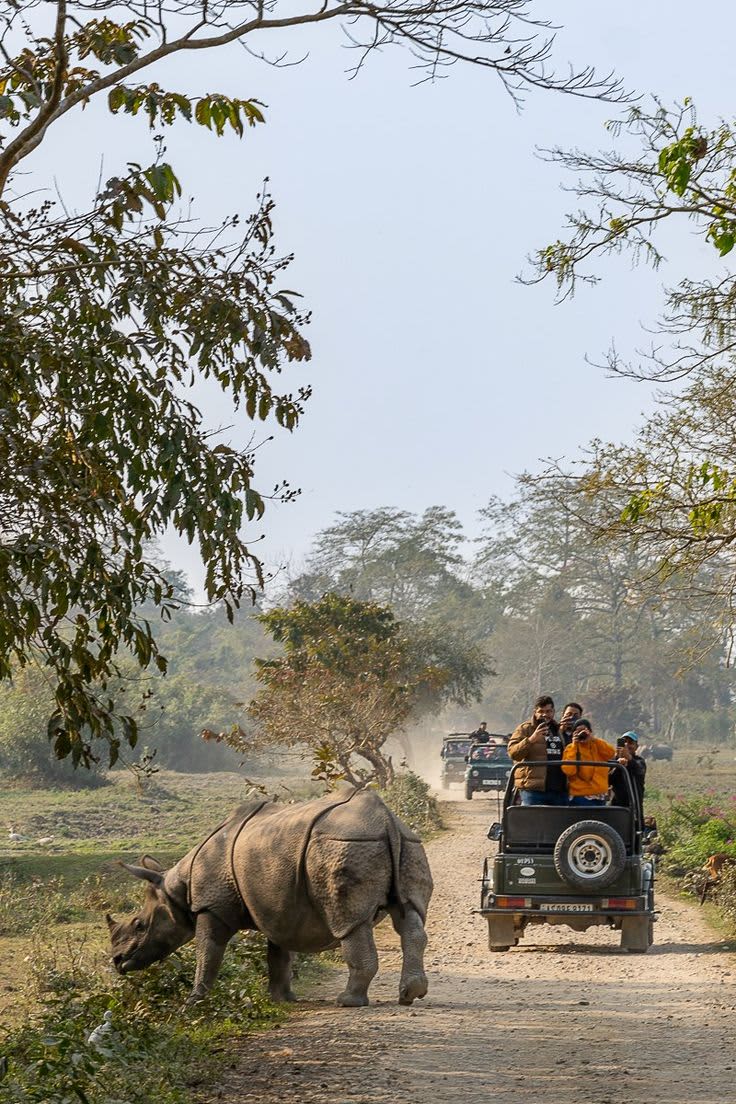
169 km · Kaziranga National Park, a UNESCO World Heritage Site in Assam, is the world's most important refuge for the endangered one-horned rhinoceros, sheltering more than two-thirds of the global population. The park's floodplain landscape of tall elephant grass, dense forests, and wetlands along the Brahmaputra River also supports the world's highest density of tigers, along with wild water buffalo, swamp deer, elephants, and thousands of migratory birds. Jeep and elephant safaris through Kaziranga offer an unparalleled wildlife experience in one of India's most biodiverse ecosystems.
Tawang
223 km · Tawang, nestled at 3,048 meters in the western corner of Arunachal Pradesh bordering Bhutan and China, is a remote and deeply sacred Buddhist destination home to the Tawang Monastery — the largest Buddhist monastery in India and the second largest in the world after Potala Palace in Lhasa. The monastery, perched dramatically on a ridge overlooking the Tawang Valley, was founded in 1680 and is the birthplace of the 6th Dalai Lama, making it one of Tibetan Buddhism's most revered centers. The breathtaking Sela Pass at 4,170 meters, the pristine Madhuri Lake (Shungetser Lake), and the warm hospitality of the Monpa people make Tawang an unforgettable frontier adventure.