Best Places Similar in Lonavala
Best Places Similar to Lonavala
Lonavala, a popular hill station in Maharashtra's Sahyadri range midway between Mumbai and Pune, is famous across Maharashtra for two things above all else: its spectacular monsoon waterfalls and the irresistible sticky chikki candy made from jaggery and nuts that is synonymous with the town. The Bhushi Dam, Kune Falls, and the dramatic Rajmachi Fort trek are the most beloved attractions, while the mysterious Karla and Bhaja rock-cut Buddhist caves dating back to the 2nd century BCE add surprising historical depth to what might otherwise be seen as a weekend getaway destination. Lonavala's proximity to Mumbai and Pune makes it perpetually popular, but its natural beauty rewards every visit.
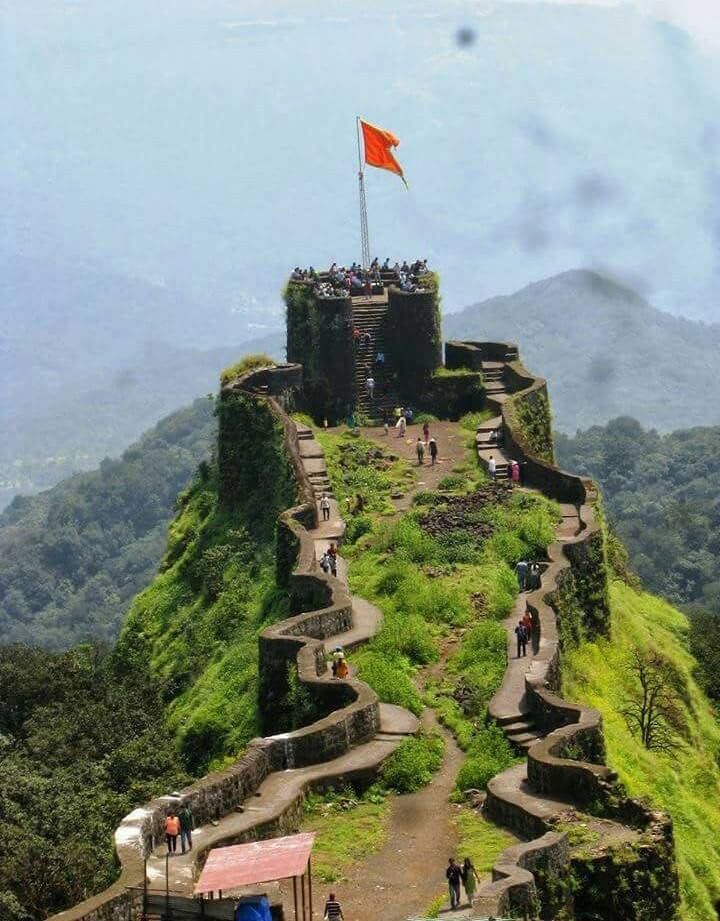
Mahabaleshwar
→Mahabaleshwar, at 1,353 meters in the Sahyadri Hills of Maharashtra, is the state's most popular hill station and the summer capital of the Bombay Presidency during British times, renowned for its spectacular valley viewpoints, lush strawberry farms, and the panoramic Wilson Point from which the sunrise over the Western Ghats is one of Maharashtra's most beautiful sights. The Arthur's Seat viewpoint, known as the Queen of all Points, the sacred Krishnabai Temple at the source of the Krishna River, and the old colonial town of Old Mahabaleshwar with its charming 16th-century stone church add historical depth to the scenic beauty. Fresh strawberries, cream, and the local chikki candy make Mahabaleshwar's food as memorable as its views.
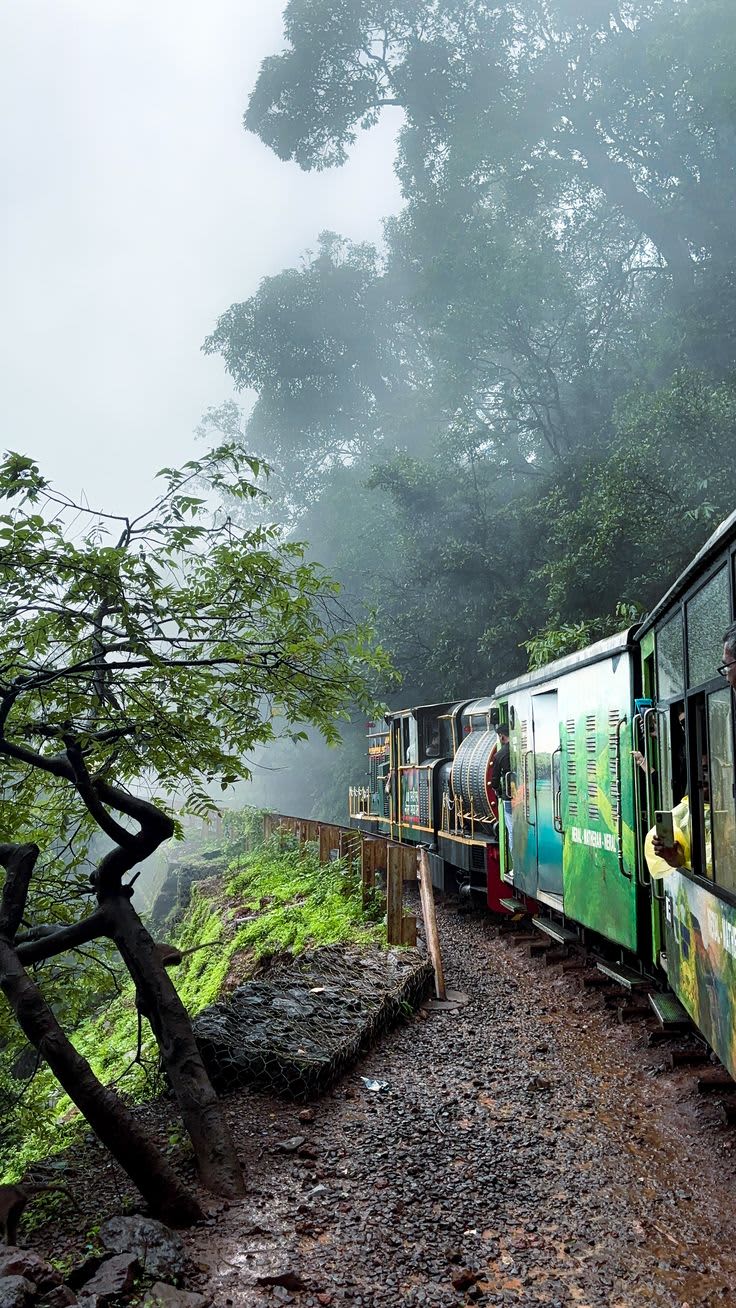
Matheran
→Matheran, nestled in the Sahyadri Hills at 800 meters just 90 kilometers from Mumbai, holds the unique distinction of being Asia's only automobile-free hill station — a haven of absolute peace where the only sounds are birdsong, rustling leaves, and the charming whistle of the narrow-gauge toy train from Neral. The 38 viewpoints around the town, including Echo Point, Porcupine Point, and the One Tree Hill panorama, offer spectacular views of the Sahyadri valleys below, particularly magical during and after the monsoon. Matheran's car-free lanes, horse rides, red laterite paths through dense forests, and the heritage toy train journey make it a uniquely restorative escape from urban Maharashtra.
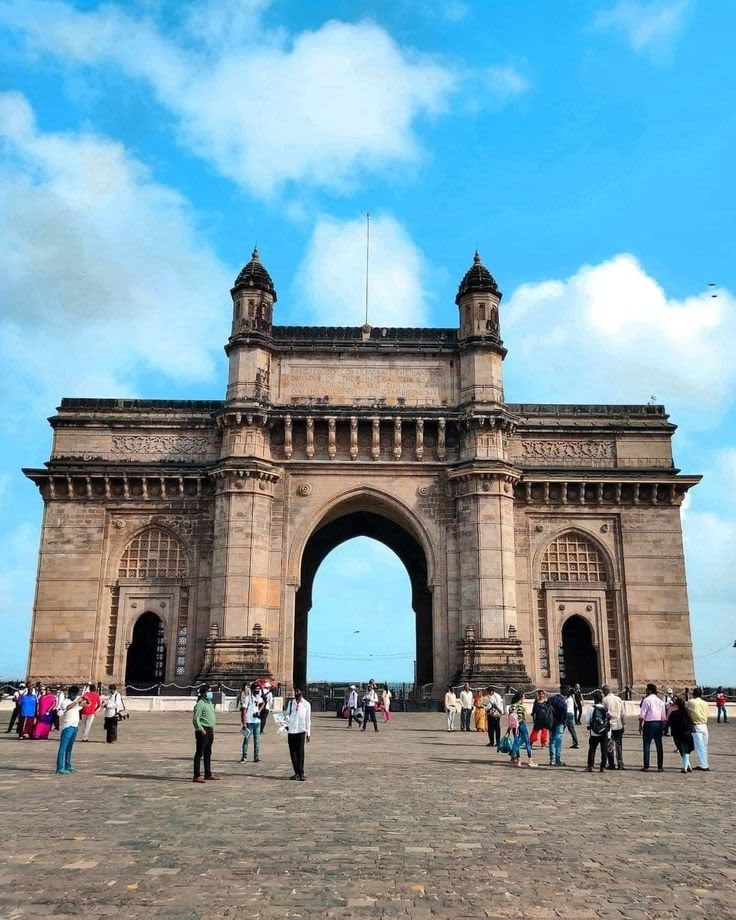
Mumbai
→Mumbai, India's Maximum City and financial capital, is a teeming, dynamic metropolis of 20 million people where Bollywood glamour, colonial grandeur, cutting-edge fashion, and ancient fishing villages all collide in an exhilarating urban tapestry unlike anywhere else on earth. The iconic Gateway of India overlooking the Arabian Sea, the UNESCO-listed Chhatrapati Shivaji Maharaj Terminus railway station, and the elegant promenade of Marine Drive are symbols of Mumbai's unique civic pride. From the street food heaven of Mohammed Ali Road and Juhu Beach to the art deco architecture of Oval Maidan and the vibrant gallery scene of Colaba, Mumbai is a city that rewards every type of curious traveler.
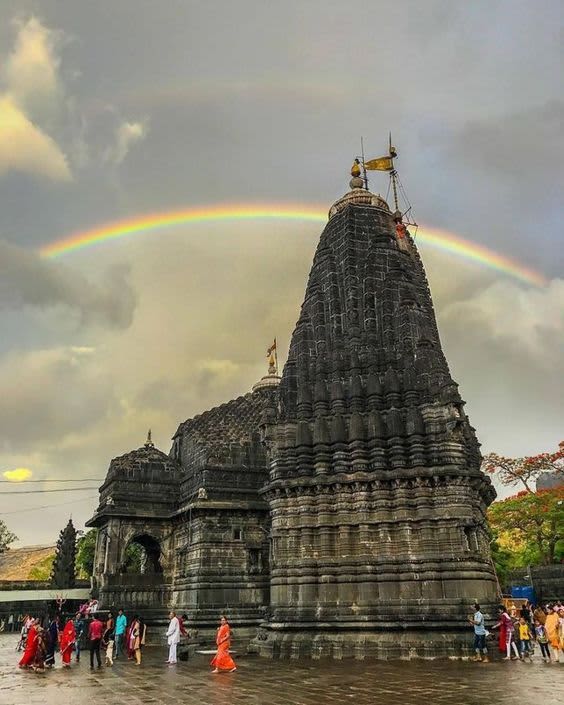
Nashik
→Nashik, situated on the banks of the holy Godavari River in Maharashtra, is one of India's most important pilgrimage cities and one of the four sacred venues for the Kumbh Mela, the world's largest human gathering. The city is famous for its ghats along the Godavari, the Panchavati area associated with the Ramayana, and the ancient cave temples of Pandavleni. Nashik also sits at the heart of India's most celebrated wine country, the Sula Vineyards and surrounding wine region, making it a uniquely dual destination that appeals to both pilgrims and modern lifestyle travelers.
Alibaug
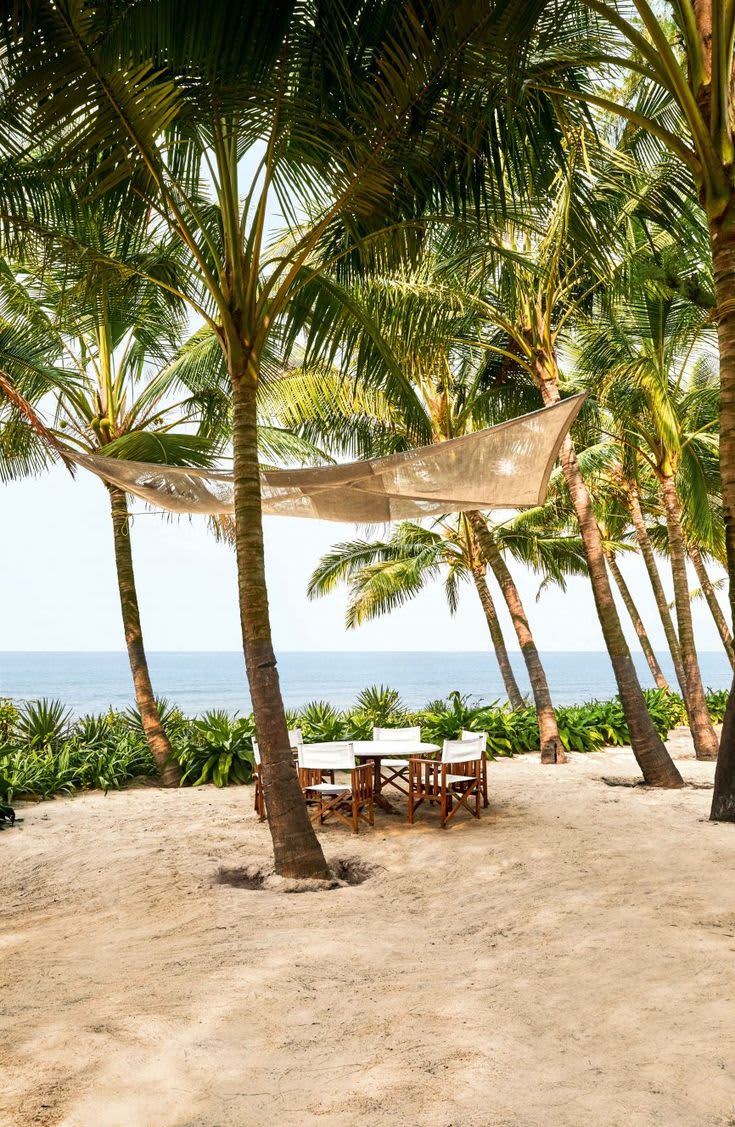
→Alibaug, a coastal town in Maharashtra's Raigad district just 100 kilometers south of Mumbai and accessible by a scenic ferry ride from the Gateway of India, is the preferred beach escape for Mumbaikars and is increasingly popular for its luxury beach resorts, water sports, and historic Maratha coastal forts. The Kulaba Fort rising dramatically from the sea near Alibaug beach, the beautiful Kashid Beach, and the forested hillsides of the Konkan coastline make Alibaug a scenic destination beyond its role as a city escape. The region's fresh seafood, particularly the Alibag seafood thali, and the lush Konkan landscape in monsoon make Alibaug particularly enchanting from June to September.

Munnar
→Munnar, perched at 1,600 meters in the Western Ghats of Kerala, is one of South India's most stunning hill stations, famous for its endless rolling carpets of tea plantations, misty mountains, and biodiversity-rich forests. The Eravikulam National Park near Munnar is the last stronghold of the endangered Nilgiri Tahr and transforms into a floral wonderland when the rare Neelakurinji flowers bloom every 12 years. Tea museum visits, plantation walks, sunrise at Meesapulimala peak, and stays in colonial-era tea estate bungalows make Munnar a quintessential Kerala highlands experience.

Ooty
→Ooty, officially Udhagamandalam and fondly called the "Queen of Hill Stations," is the crown jewel of Tamil Nadu's Nilgiri Hills, famed for its lush botanical gardens, shimmering Ooty Lake, and the iconic UNESCO-listed Nilgiri Mountain Railway toy train. The cool climate, eucalyptus and pine forests, and terraced tea gardens make Ooty a perennial summer escape and a popular honeymoon destination. The Government Botanical Gardens with over 650 plant species, Doddabetta Peak with panoramic Nilgiri views, and the charming colonial bazaars make Ooty one of South India's most enduring travel classics.
Kodaikanal
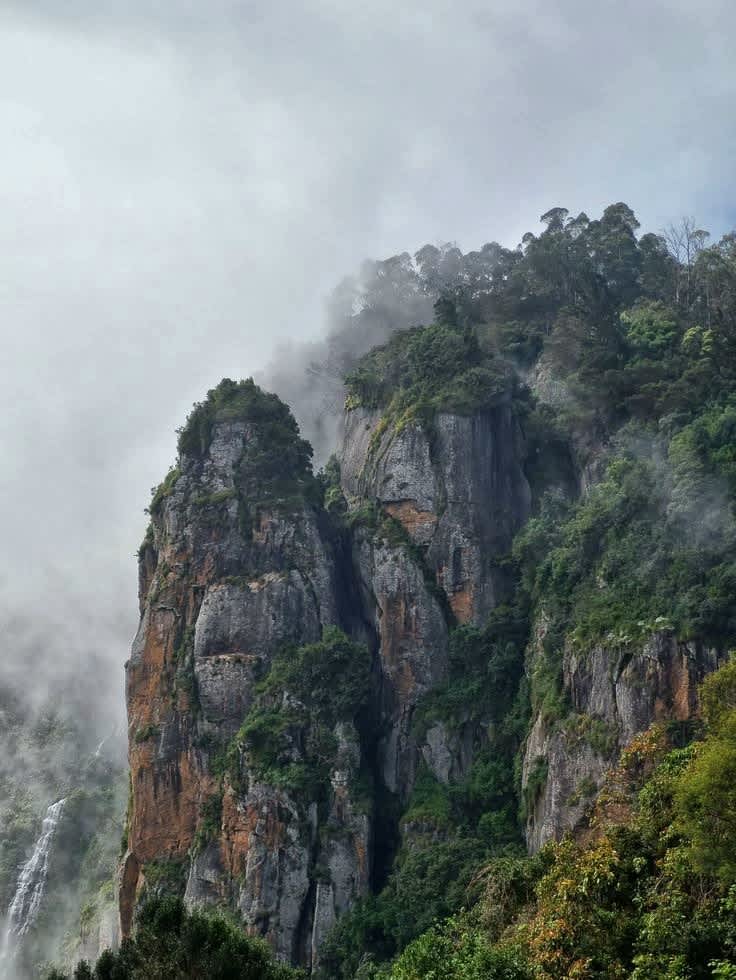
→Kodaikanal, the "Princess of Hill Stations" in Tamil Nadu's Palani Hills, sits at 2,133 meters and enchants visitors with its star-shaped Kodai Lake, shola forests, dramatic cliff-top viewpoints, and the rare Kurinji flowers that bloom in purple waves across the hillsides every 12 years. The Pillar Rocks — three vertical rock pillars rising 122 meters above a wooded valley — and the Bear Shola Falls are among the natural highlights, while the lake promenade lined with rental boats and picnicking families captures the town's leisurely atmosphere. Kodaikanal's cool, misty climate, flower nurseries, and home-made chocolates and eucalyptus oil make it a uniquely charming South Indian hill retreat.

Coorg
→Coorg, also known as Kodagu, is Karnataka's misty hill district and one of South India's most sought-after destinations, renowned for its sweeping coffee and spice estates, cascading waterfalls, and the fierce and proud Kodava warrior culture. The emerald landscapes of the Western Ghats host an extraordinary variety of wildlife, and trekking to Tadiandamol — Coorg's highest peak — is a must-do. The Namdroling Monastery (Golden Temple) in Bylakuppe, the Raja's Seat viewpoint in Madikeri, and the thundering Abbey Falls are iconic stops on any Coorg itinerary.
Chikmagalur
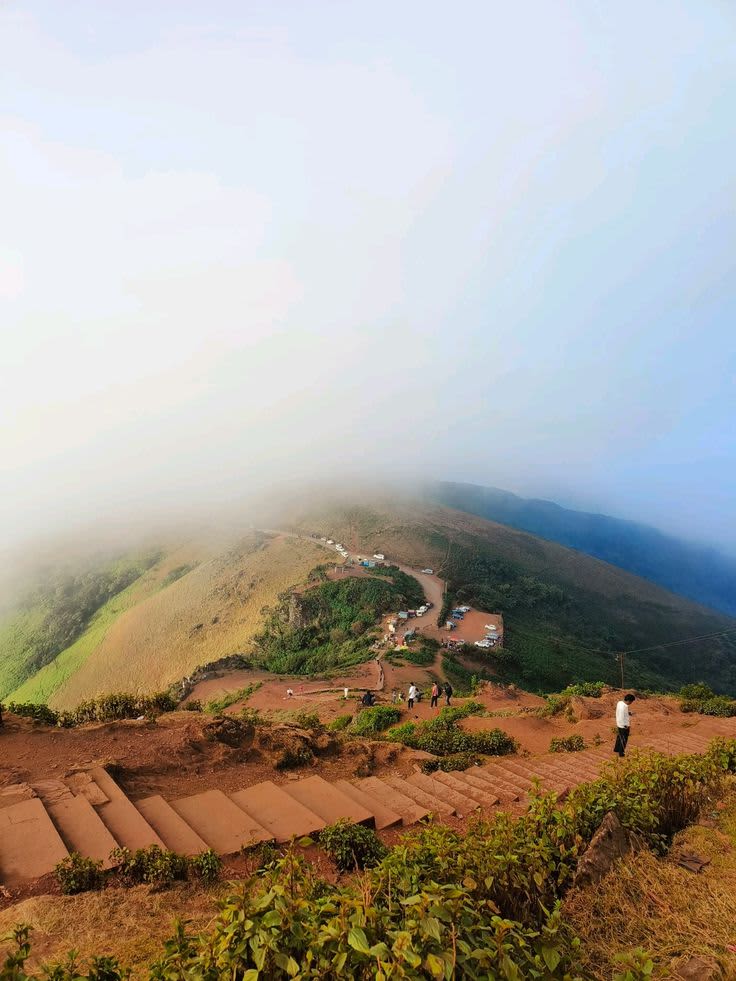
→Chikmagalur, nestled in the Western Ghats of Karnataka, is the birthplace of coffee in India and is blanketed in aromatic coffee and spice plantations that produce some of the country's finest single-origin brews. The lush green hills, misty peaks, and wildlife-rich forests of Mullayanagiri — Karnataka's highest peak — and Kudremukh National Park make it a paradise for trekkers and nature lovers. Waterfall hopping, plantation walks, and stays in heritage coffee estate bungalows complete the Chikmagalur experience.