Best Places Similar in Kullu
Best Places Similar to Kullu
Kullu, nestled in the wide Kullu Valley of Himachal Pradesh along the Beas River, is renowned as the "Valley of the Gods" for the hundreds of ancient temples that dot its landscape. The town comes alive every October during the world-famous Kullu Dussehra festival, when thousands of local deities are brought in procession to the Dhalpur Maidan. Kullu is also a gateway to adventure activities like river rafting, paragliding, and trout fishing, making it a vibrant complement to the nearby resort town of Manali.

Manali
→Manali, situated at 2,050 meters in the Kullu Valley of Himachal Pradesh, is India's adventure capital and a year-round magnet for travelers seeking snow, thrills, and Himalayan beauty. In winter, the slopes of Solang Valley and Rohtang Pass transform into a snowy playground for skiing and snowboarding, while summer brings trekkers, paragliders, and mountaineers. The ancient Hadimba Devi Temple, the hippie haven of Old Manali, and the dramatic Rohtang Pass make this high-altitude town an unparalleled destination in the Indian Himalayas.
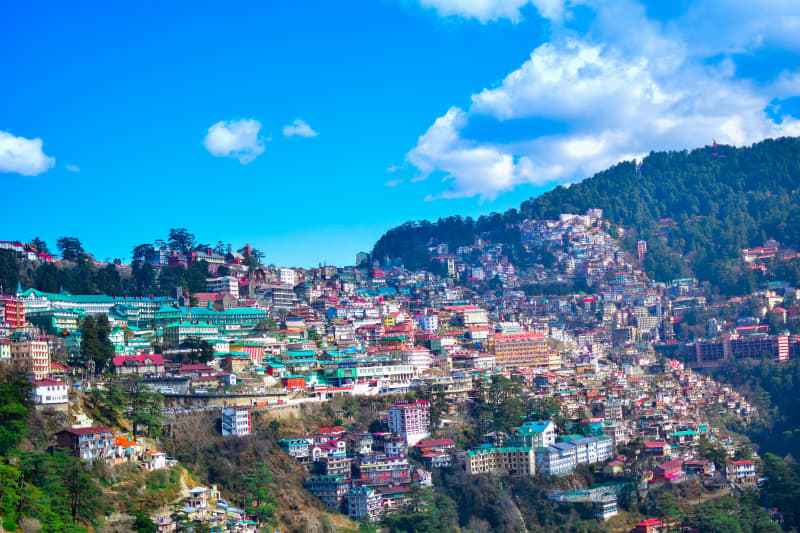
Shimla
→Shimla, the former summer capital of British India and now the capital of Himachal Pradesh, enchants visitors with its Victorian-era architecture, crisp mountain air, and sweeping Himalayan vistas. The iconic Ridge and Mall Road at the heart of the town bustle with activity year-round, while the UNESCO-listed Kalka-Shimla toy train journey is a scenic marvel in itself. From adventure activities like skiing and trekking to exploring colonial-era buildings and temples, Shimla is one of India's most beloved hill station destinations.
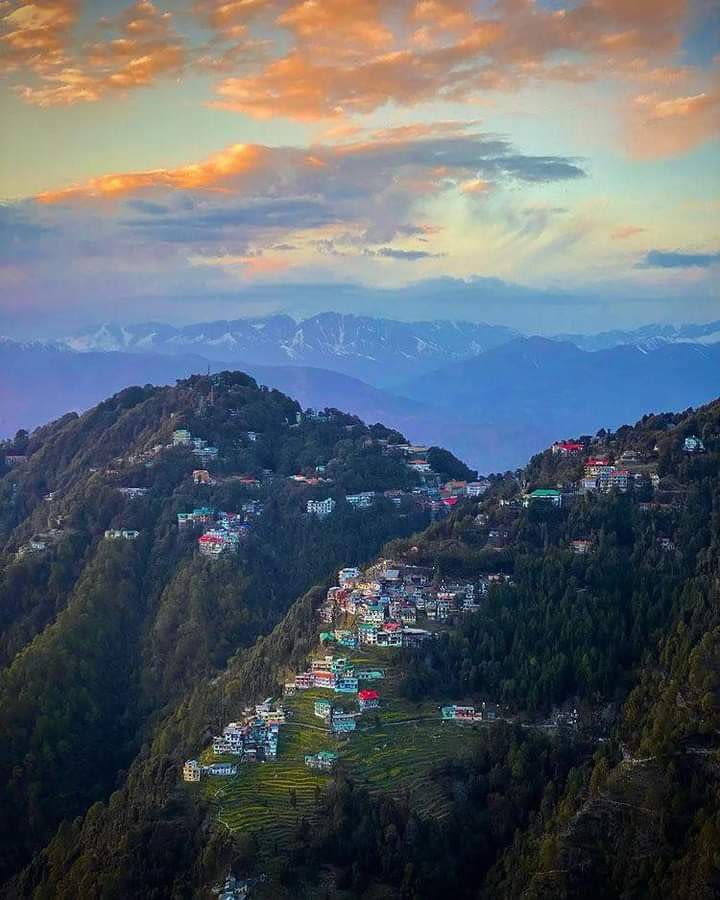
Dalhousie
→Dalhousie, a charming hill station in Himachal Pradesh named after Lord Dalhousie, sits across five hills at altitudes ranging from 1,525 to 2,036 meters and retains much of its Scottish and Victorian colonial character through its architecture and churches. The panoramic Dainkund Peak, the beautiful Khajjiar — India's mini Switzerland — and the cascading Satdhara Falls are among the most visited attractions in the area. Dalhousie's pine-scented air, colonial bungalows, and proximity to the ancient Chamba Valley make it an enchanting and often-overlooked hill station destination.
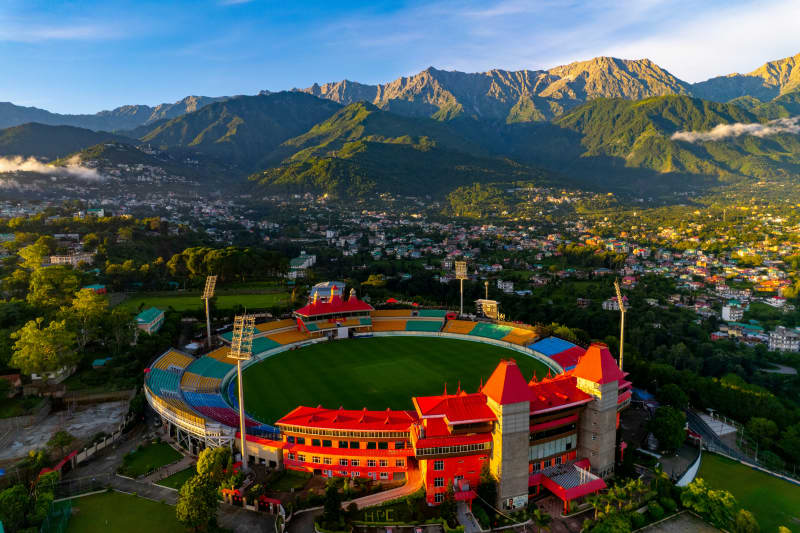
Dharmshala
→Dharamshala, nestled in the Kangra Valley of the Dhauladhar mountain range, is best known as the home of the Dalai Lama and the Tibetan government-in-exile, earning it the nickname "Little Lhasa." The upper reaches of McLeod Ganj brim with Tibetan culture, monasteries, and Buddhist art, while the surrounding landscape offers excellent trekking through rhododendron forests and to Triund Hill. Whether you're seeking spiritual wisdom, mountain adventure, or vibrant café culture, Dharamshala is a uniquely enriching destination in Himachal Pradesh.
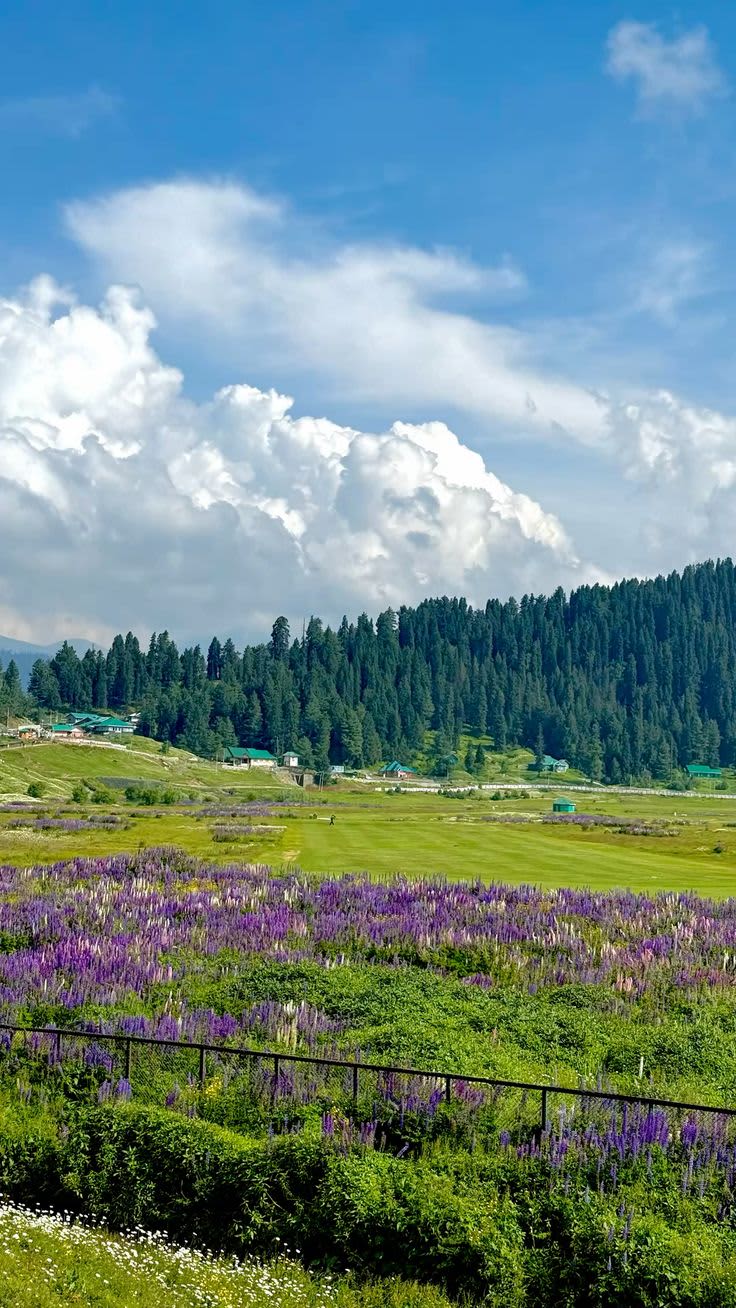
Gulmarg
→Gulmarg, meaning "Meadow of Flowers," sits in the Pir Panjal range of the Himalayas in Jammu & Kashmir and is one of Asia's premier ski destinations, receiving some of the deepest powder snow in the region. In winter it transforms into a world-class skiing and snowboarding resort, while summer reveals a breathtaking green meadow carpeted with wildflowers perfect for golfing, horse riding, and trekking. The Gondola cable car ride to Apharwat Peak offers jaw-dropping views of the Himalayan peaks, making Gulmarg a year-round paradise.
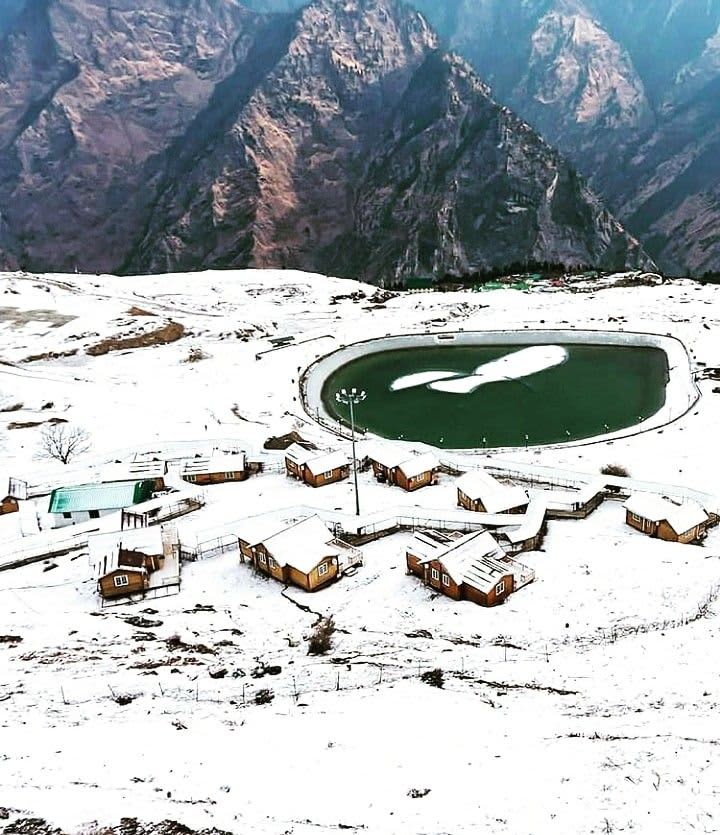
Auli
→Auli, a pristine Himalayan ski resort in Uttarakhand at an altitude of 2,519 meters, is India's premier skiing destination, blessed with deep powder snow from December to March and some of the most dramatic views of Nanda Devi, Mana Parbat, and Dunagiri peaks. The Asia's highest and longest cable car (gondola) from Joshimath to Auli is a must-ride whether you visit in winter for skiing or in summer when the meadows bloom with wildflowers. Auli also serves as the base for the famous Gurso Bugyal trek, making it a year-round mountain destination in the Garhwal Himalayas.
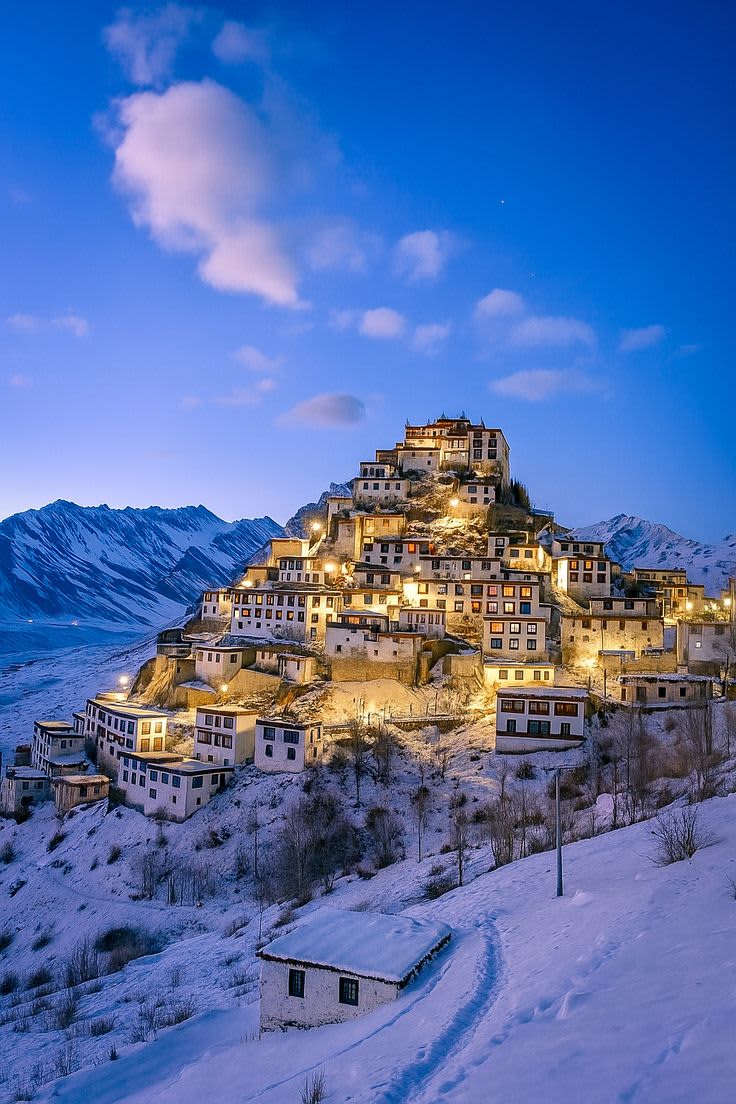
Spiti Valley
→Spiti Valley, a cold desert mountain valley in the trans-Himalayan region of Himachal Pradesh, is one of India's most remote and spectacular destinations. At an average altitude of 3,800 meters, the barren yet dramatic landscape of rugged peaks, ancient monasteries, and turquoise rivers feels otherworldly. The ancient Key Monastery, the tiny village of Kibber, the Chandratal Lake, and the iconic Kunzum Pass are highlights of this bucket-list destination accessible only a few months of the year due to heavy snowfall.
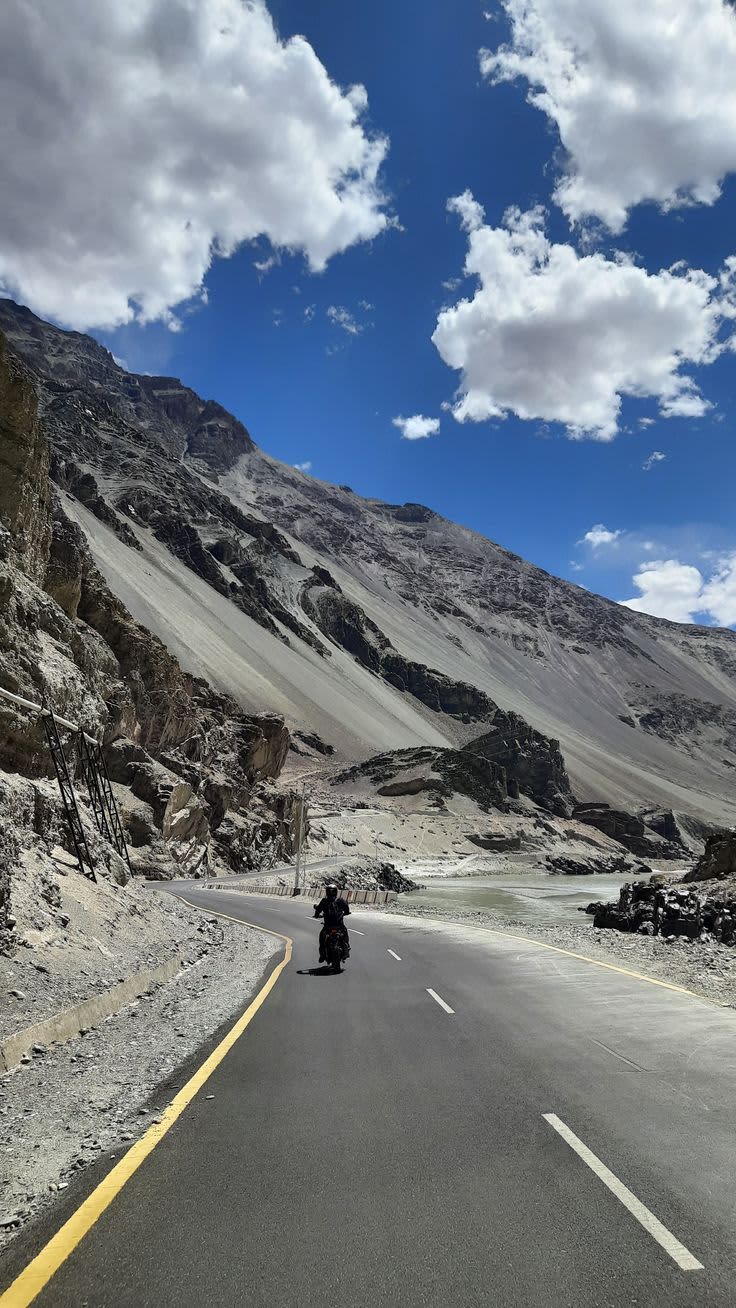
Leh
→Leh, the capital of the union territory of Ladakh at an altitude of 3,500 meters, is one of the most dramatic and culturally rich destinations in all of India, situated in a high-altitude desert valley flanked by the Karakoram and Himalayan ranges. The 9th-century Leh Palace overlooking the town, the fluttering prayer flags at Shanti Stupa, and the ancient monasteries of Hemis and Thiksey are landmarks that define this Buddhist heartland. Leh serves as the hub for epic road trips on the Manali-Leh and Srinagar-Leh highways and for organizing expeditions to Pangong Lake, Nubra Valley, and the Zanskar region.
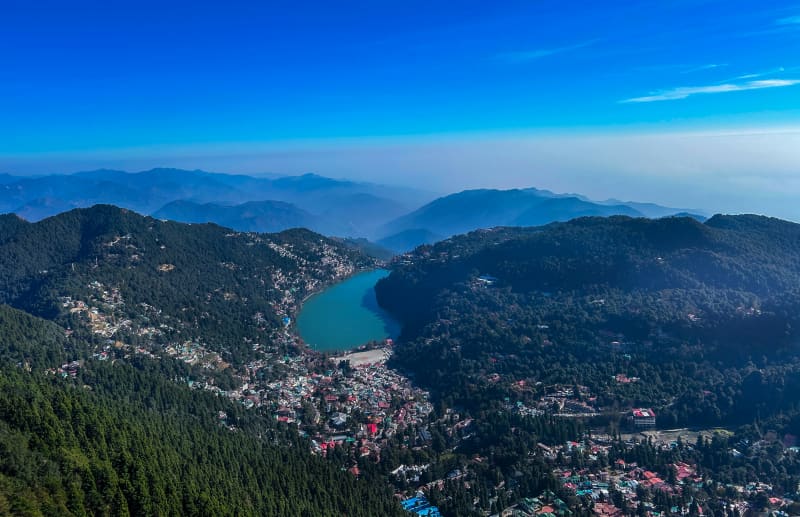
Nainital
→Nainital, the lake district jewel of Uttarakhand, is built around the serene Naini Lake nestled among seven hills at an altitude of 2,084 meters. This charming hill station offers breathtaking views of the surrounding Kumaon Himalayas, with boating on the lake, a cable car ride to Snow View Point, and the bustling Mall Road shopping strip among the top experiences. The Naina Devi Temple on the northern shore of the lake adds a deep spiritual dimension to this naturally stunning destination.