Best places to visit in Kullu
Best places to visit in Kullu
Kullu, nestled in the wide Kullu Valley of Himachal Pradesh along the Beas River, is renowned as the "Valley of the Gods" for the hundreds of ancient temples that dot its landscape. The town comes alive every October during the world-famous Kullu Dussehra festival, when thousands of local deities are brought in procession to the Dhalpur Maidan. Kullu is also a gateway to adventure activities like river rafting, paragliding, and trout fishing, making it a vibrant complement to the nearby resort town of Manali.
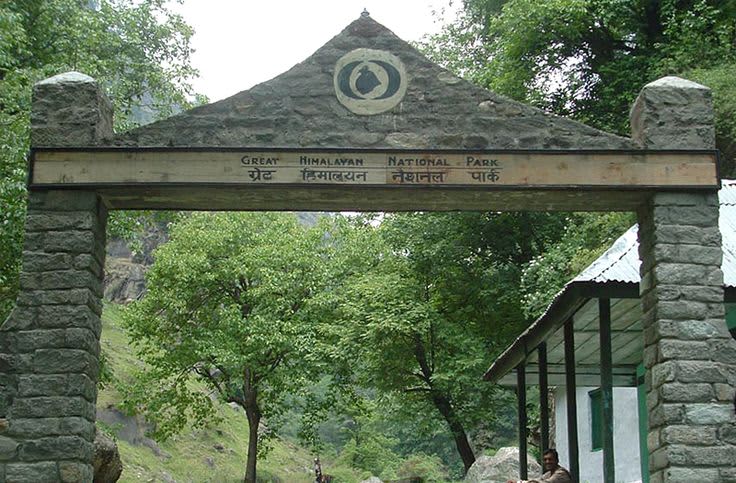
Great Himalayan National Park
→Great Himalayan National Park is a UNESCO World Heritage Site in Kullu, Himachal Pradesh, spanning 754 sq km of pristine Himalayan wilderness. Home to rare wildlife including snow leopard, blue sheep, and western tragopan, it offers spectacular trekking through alpine meadows and dense forests for nature lovers and wildlife enthusiasts.
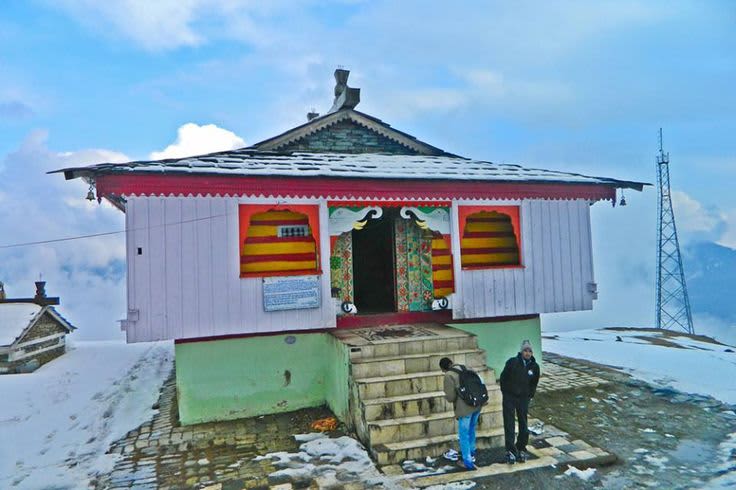
Bijli Mahadev Temple
→Bijli Mahadev Temple is a revered Hindu shrine perched 2,460 meters above Kullu, famous for its 60-foot sacred staff that attracts divine lightning. According to legend, the Shivalinga is struck by lightning periodically and reassembled by the priest, drawing thousands of pilgrims and spiritual seekers to this mystical hilltop temple.
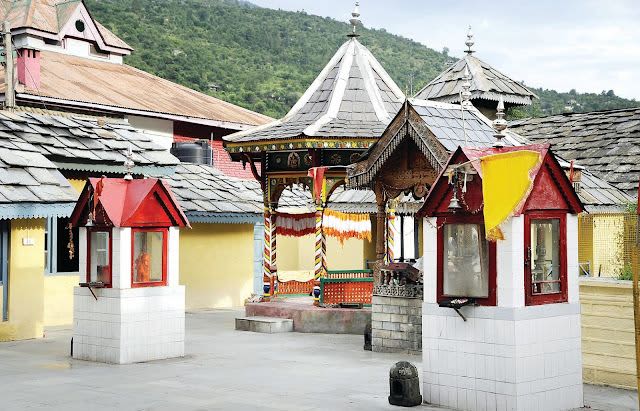
Raghunath Temple
→Raghunath Temple is the most important Hindu temple in Kullu, dedicated to Lord Raghunath (Vishnu), the presiding deity of the Kullu Valley. The temple is the focal point of the grand Kullu Dussehra festival — one of India's most celebrated regional festivals — attracting lakhs of devotees and tourists every year.
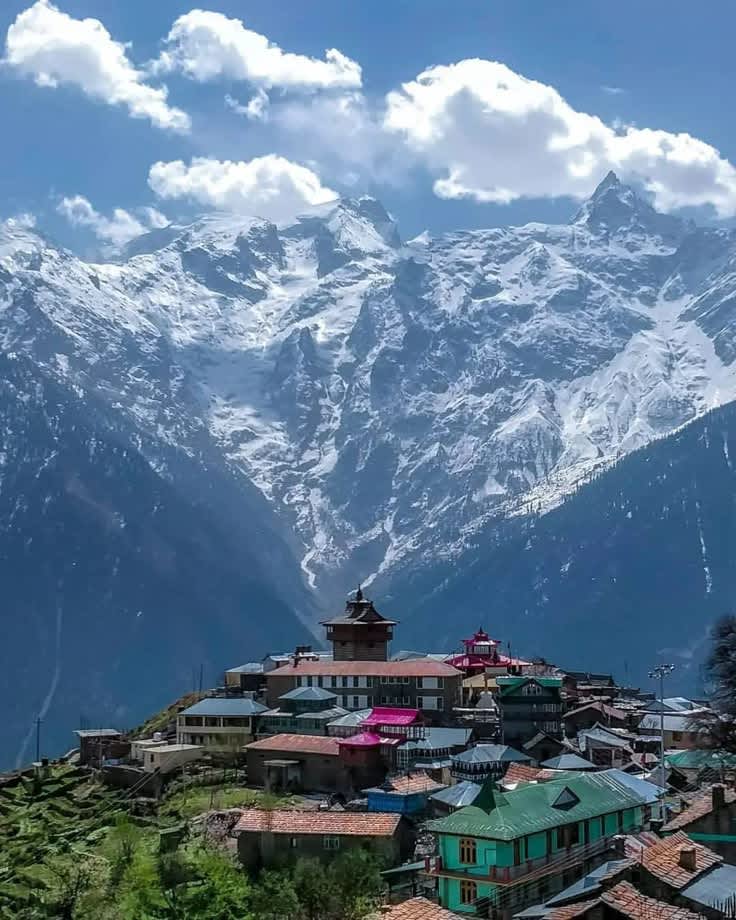
Kasol
→Kasol is a scenic riverside hamlet in Kullu's Parvati Valley, celebrated as the 'Amsterdam of India' among backpackers and trekkers. Perched beside the Parvati River, it serves as the base camp for Kheerganga and Tosh treks, offering a vibrant café culture, Israeli cuisine, and stunning Himalayan wilderness in Himachal Pradesh.
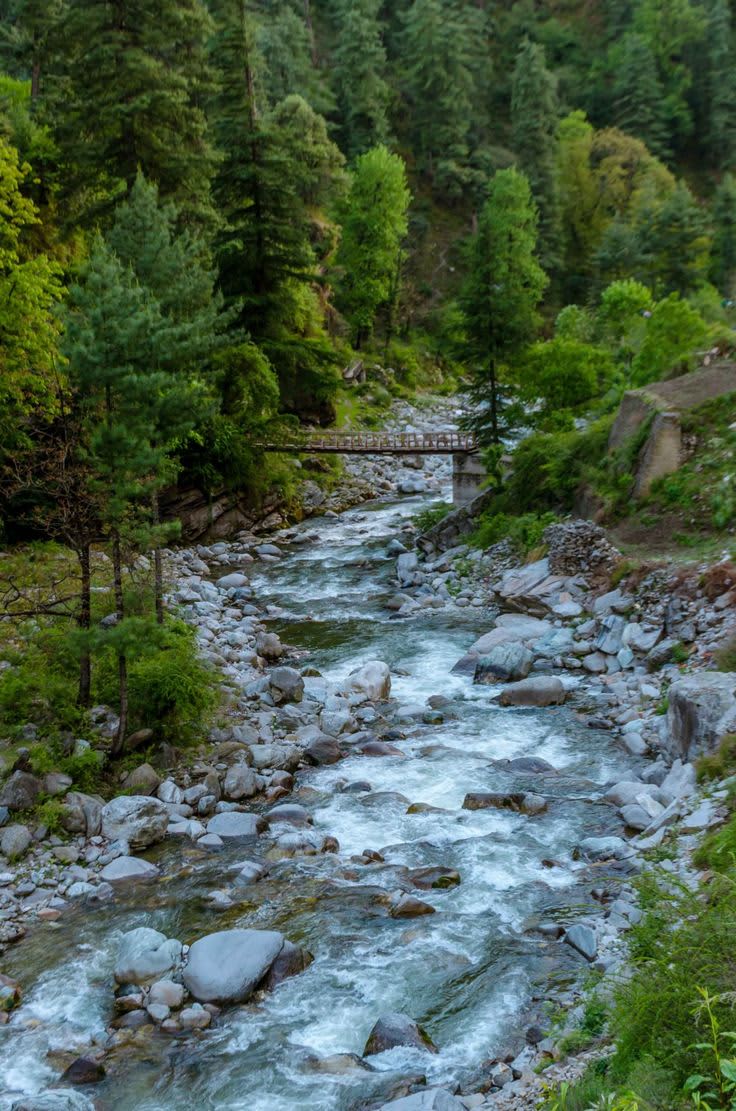
Tirthan Valley
→Tirthan Valley is an off-beat paradise in Kullu, Himachal Pradesh, named after the crystal-clear Tirthan River. Bordering the Great Himalayan National Park, it is ideal for trout fishing, nature walks, birdwatching, and riverside camping. Unspoiled by mass tourism, Tirthan Valley offers a rare authentic Himalayan village experience for discerning travelers.
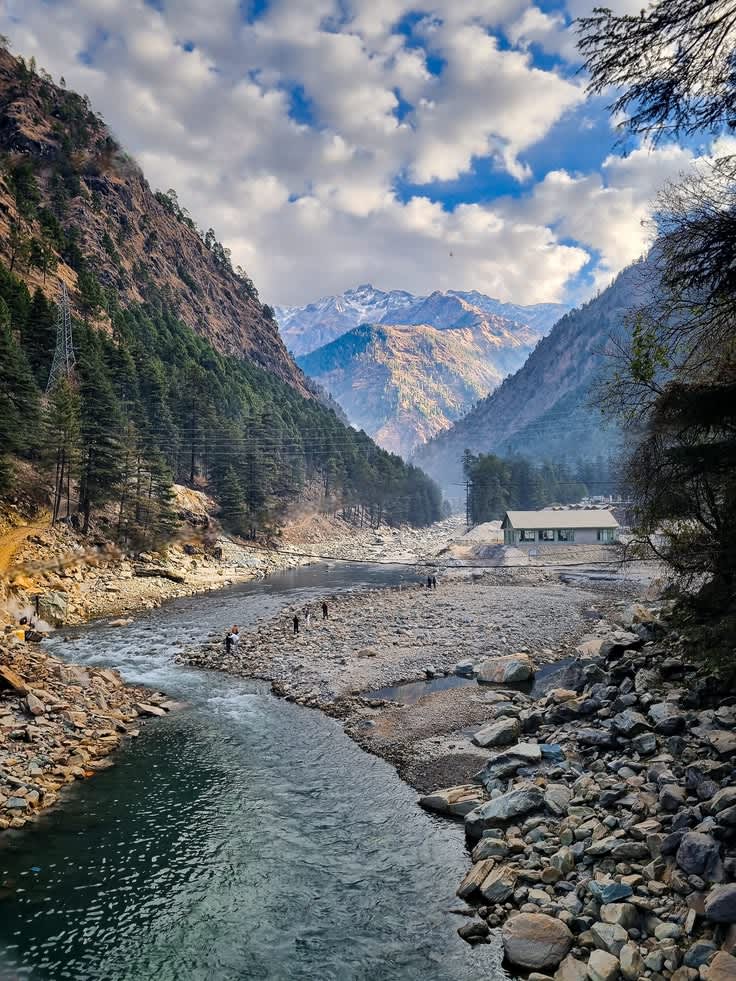
Parvati Valley
→Parvati Valley is Himachal Pradesh's most famous and mystical mountain valley, stretching from Bhuntar to Manikaran along the Parvati River. A magnet for trekkers, spiritual seekers, and backpackers, it offers hot springs at Manikaran, trails to Kheerganga, and access to remote villages, making it a legendary Himalayan travel destination.
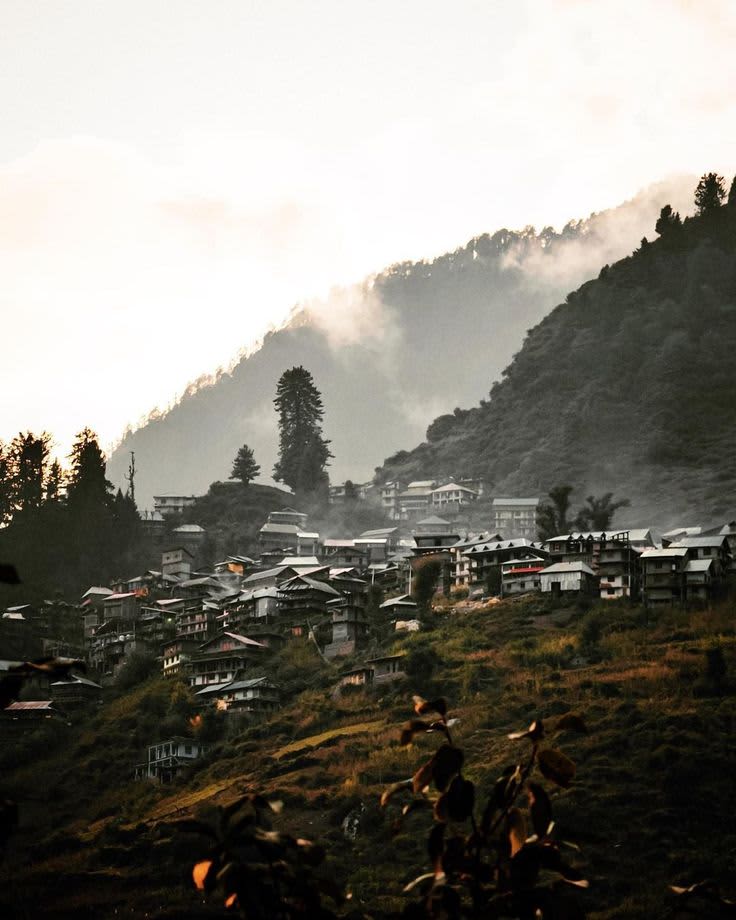
Malana Village
→Malana is one of India's most mysterious and isolated ancient villages, perched at 9,938 feet in the Malana Nala valley near Kullu. Known for its unique democratic self-governance, distinct Kanashi language, and claims of descent from Alexander's soldiers, Malana is a fascinating anthropological and trekking destination in Himachal Pradesh.
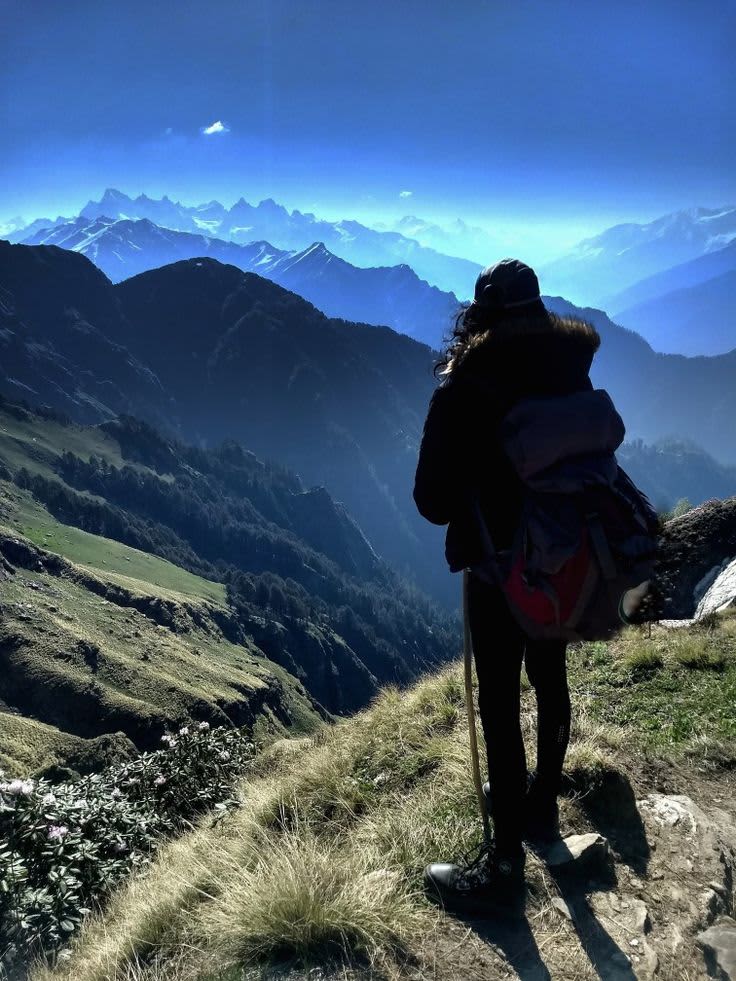
Chandrakhani Pass
→Chandrakhani Pass is a stunning high-altitude trekking route at 3,660 meters connecting Naggar in Kullu Valley to Malana village. Offering sweeping views of Deo Tibba, Indrasan, and Chandrakhani peaks, this moderately challenging Himalayan trek through oak and rhododendron forests is perfect for adventure lovers exploring Himachal Pradesh's scenic mountain trails.
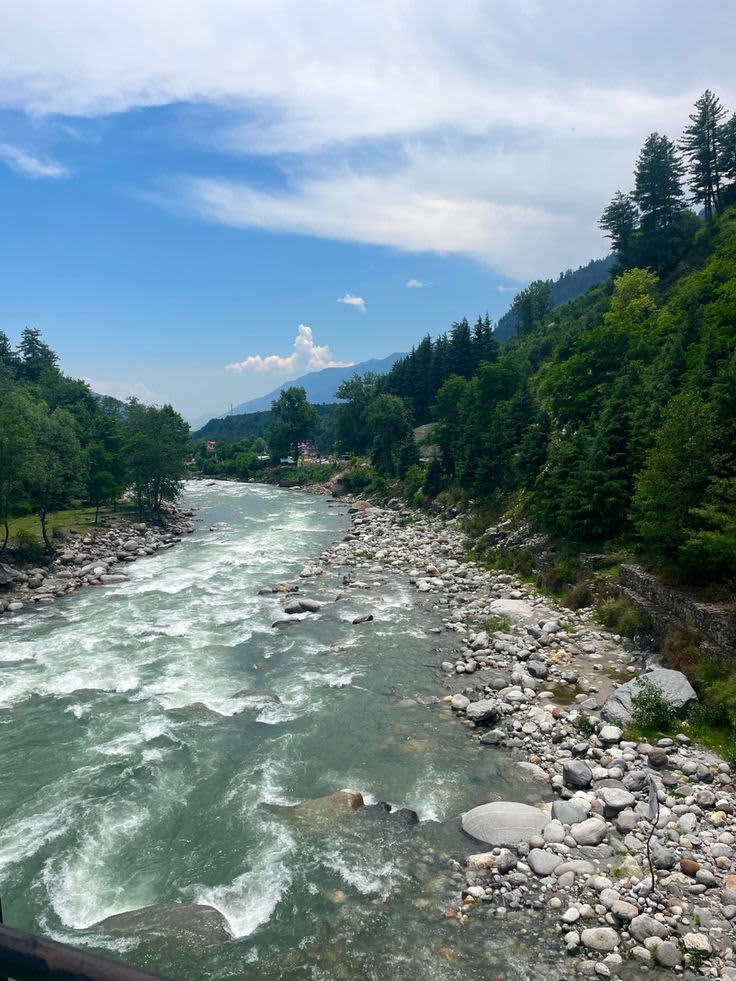
Beas River
→Beas River is Kullu Valley's lifeline — a mighty Himalayan river that flows from Rohtang Pass through the scenic Kullu-Manali corridor. Famous for thrilling white-water rafting, riverside camping, and scenic drives, the Beas offers some of North India's best river adventure experiences, attracting thousands of tourists to Himachal Pradesh annually.
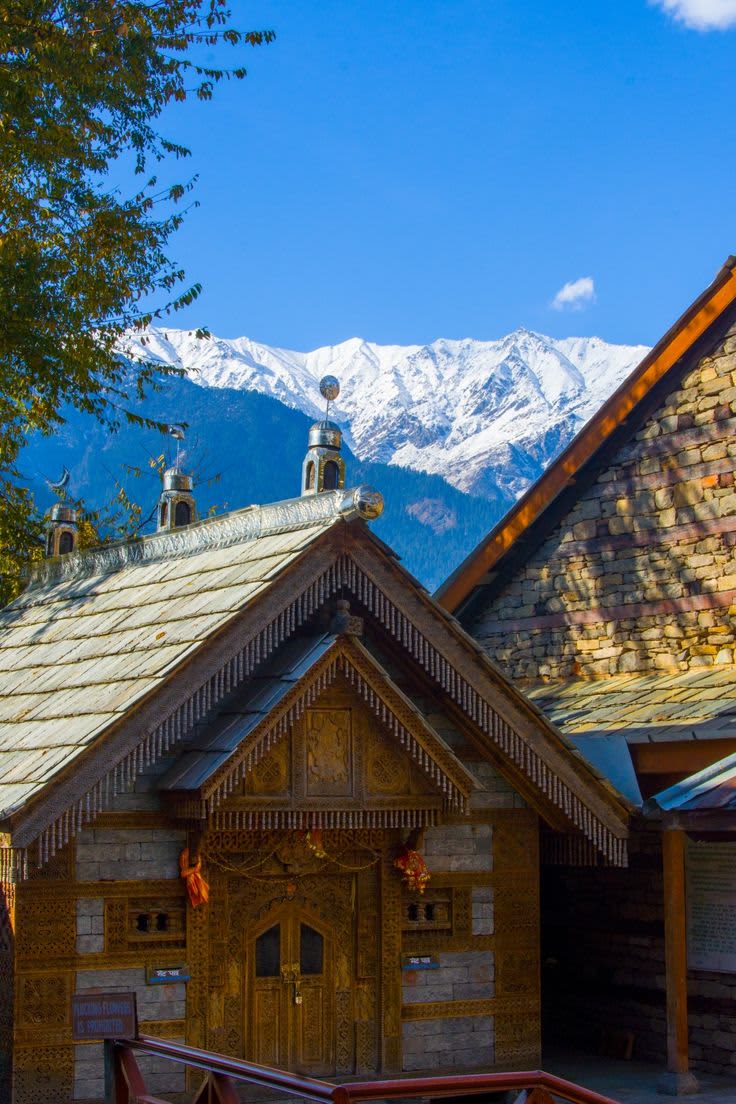
Naggar Castle
→Naggar Castle is a stunning 500-year-old stone-and-wood castle perched on a hill above Kullu Valley, built by Raja Sidh Singh around 1460. Now a heritage hotel, this architectural marvel blends European and Himalayan styles and houses the Nicholas Roerich Art Gallery, offering panoramic valley views and rich cultural heritage of Himachal Pradesh.