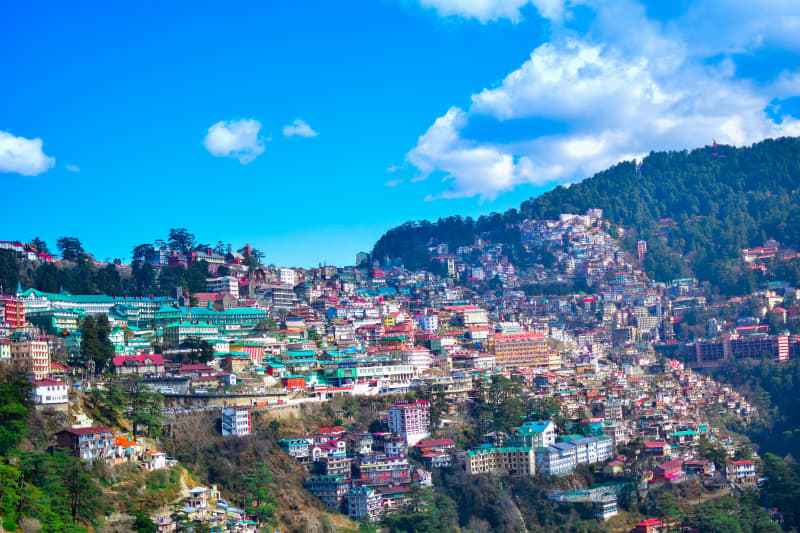
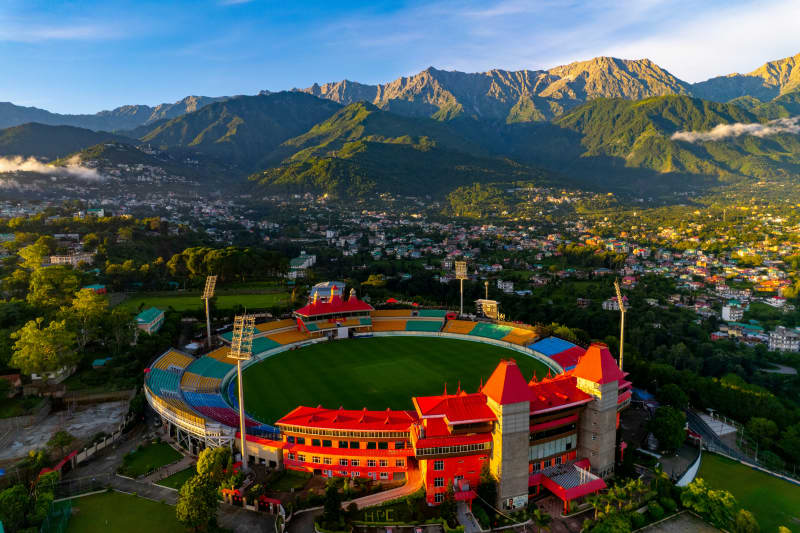
Kinnaur Valley, nestled in the southeastern corner of Himachal Pradesh bordering Tibet, is a land of extraordinary contrasts where lush apple orchards meet barren Tibetan plateaus and ancient Hinduism...
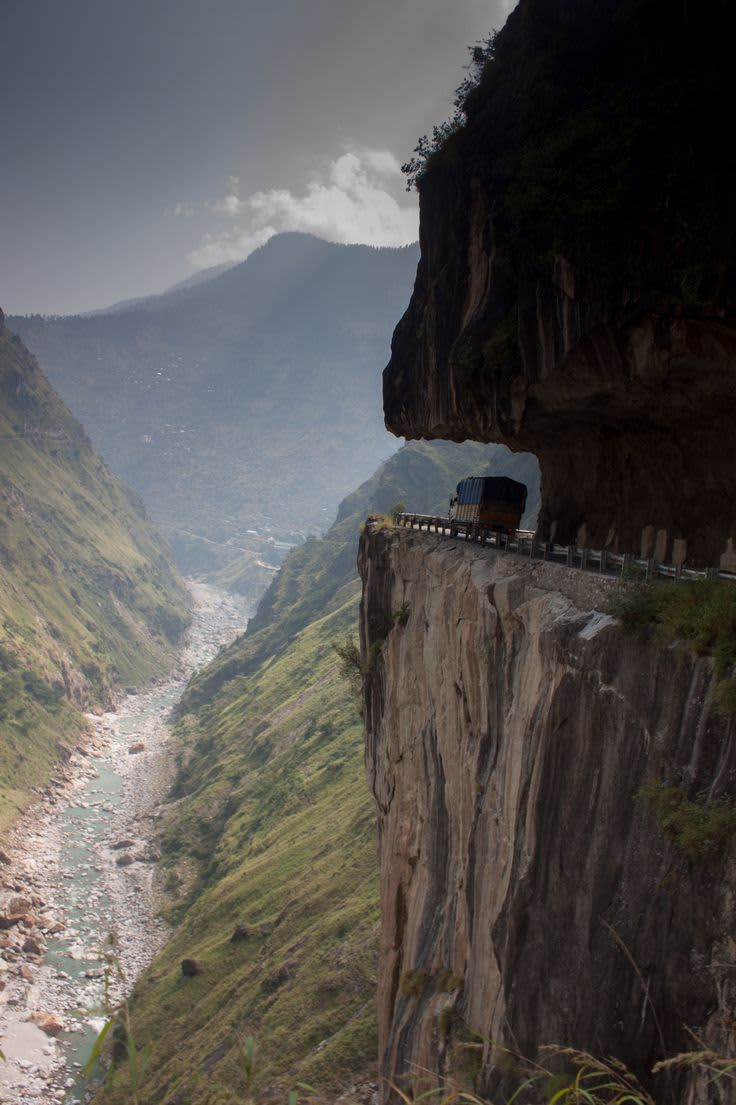
Kinnaur Valley
Land of the Gods
Himachal Pradesh, India
4.6
KalpaChitkul - Last VillageKinnaur Kailash
valleymountain
Duration: 3–5 Days
Budget/day: ₹1,500 – ₹4,000
Best season: Mar – Jun & Sep – Nov
Altitude: 1,000 m – 4,000 m
Nearest airport: Shimla Airport (Jubbarhatti) (80 km from Rampur)
Nearest railway: Shimla (232 km from Reckong Peo)
Best places to visit in Kinnaur Valley
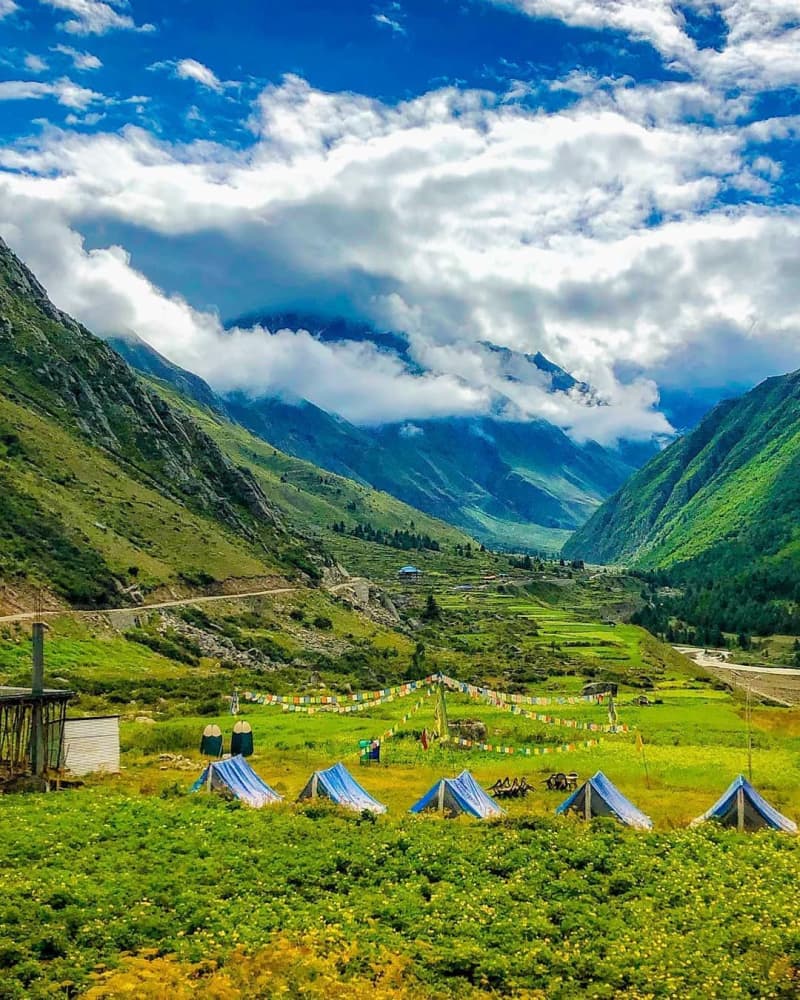
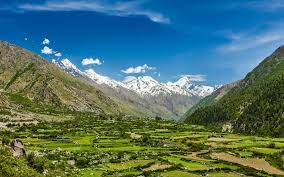
Things to do in Kinnaur Valley
- No photoCultural / SightseeingView full guide
Half to full day
Sangla Valley and Kamru Fort Exploration
Sangla Valley is often called the most beautiful valley in Himachal Pradesh and a visit here is one of the top things to do in Kinnaur Valley. The valley is draped in dense cedar and walnut forests, with the turquoise Baspa River roaring below. Kamru Fort, sitting above Sangla village, is a medieval wooden fortress-temple hybrid that houses a revered statue of Kamakhya Devi and offers sweeping views over the apple orchards and snow peaks beyond.
- No photoTrekking / PilgrimageView full guide
5–7 days (full parikrama)
Kinnaur Kailash Parikrama Trek
The Kinnaur Kailash Parikrama is one of the most sacred and demanding treks in the Indian Himalayas, encircling the holy Kinnaur Kailash mountain (6,050 m). Pilgrims and trekkers walk together through dense forests, high-altitude pastures, and ancient villages of the Kinnaur tribe. The trail passes the famous Shivling-shaped rock pillar revered by both Hindus and Buddhists — a genuinely spine-tingling sight.
- No photoNature / LeisureView full guide
1–2 hours
Apple Orchard Walks in Kalpa
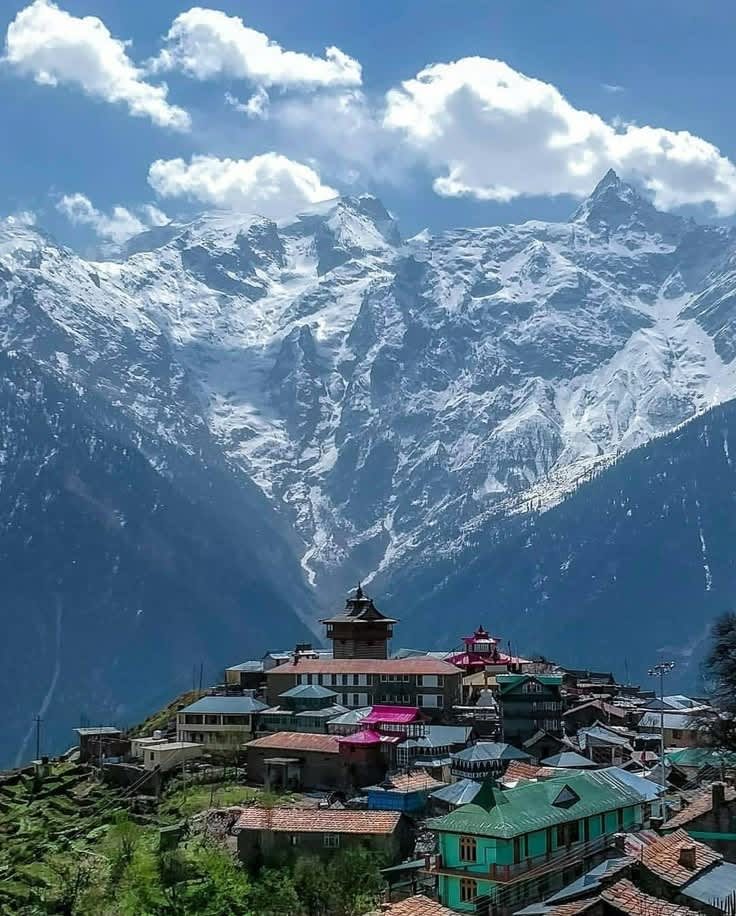
Kalpa, the district headquarters of Kinnaur, is surrounded by some of the most picturesque apple and apricot orchards in northern India. Strolling through these orchards in autumn — when trees drip with red and golden apples against the backdrop of the Kinner Kailash range — is one of those genuinely unhurried, soul-refreshing activities in Kinnaur Valley. Local farmers happily share fresh-picked apples and stories about their centuries-old orcharding traditions.
Best Time to Visit and Weather Info
Best time: March to June and September to November
Monsoon causes landslides on the narrow NH-5. Apple harvest season (September–November) is particularly beautiful.
Spring & Summer
Best Time ⭐Mar – Jun
10°C – 28°C
Apple blossoms, rhododendrons, and clear views of Kinnaur Kailash. Pleasant temperatures for trekking.
- Don't miss Chitkul — the last inhabited village near the Indo-Tibet border
- Book guesthouses in Kalpa in advance
Autumn (Apple Season)
Best Time ⭐Sep – Nov
5°C – 20°C
Apple orchards are laden with fruit. Golden and red hues across the valley. Kinnaur Kailash yatra season.
- Buy fresh apples directly from orchards
- Ideal for the Kinnaur Kailash parikrama
Monsoon
Avoid 🔴Jul – Aug
15°C – 28°C
Landslides frequently block NH-5, stranding travelers. Not recommended.
- Road closures are frequent
- Travel only with updated road status information
How to Reach
✈️By Air
Airport: Shimla Airport (Jubbarhatti) (80 km from Rampur (entry to Kinnaur))
Duration: ~2.5 hrs by road
Fly to Shimla, then take a bus or taxi to Rampur and onwards to Reckong Peo or Kalpa.
Taxi: ₹2,500 – ₹4,000 (Shimla to Kalpa)
Airlines: Air India
🚂By Train
Station: Shimla via Kalka-Shimla Toy Train
Take the Kalka-Shimla toy train for a scenic journey, then bus/taxi to Kinnaur.
- Kalka-Shimla Toy Train — Kalka (5 hrs to Shimla)
- Himalayan Queen — New Delhi (To Kalka, then toy train)
🚌By Road
NH-5 (now NH-22) runs through Kinnaur alongside the Sutlej river. HRTC buses operate from Shimla to Reckong Peo daily.
- Shimla: 232 km, 7–8 hrs via NH-5 via Rampur
- Delhi: 570 km, 14–16 hrs via Chandigarh – Shimla – Rampur
- Manali: 330 km, 10–12 hrs via Kaza – Sumdo (Spiti-Kinnaur border)
Itineraries
Local Food
Kinnaur's food is a blend of Himachali and Tibetan influences, with its apple orchards and dry fruits being world-famous.
Sidu
Steamed bread stuffed with hemp seeds, poppy seeds, or walnut paste, served with ghee.
Where: Local homes and dhabas in Kalpa
₹60 – ₹100
Chhaang
Local millet-based fermented beer — the traditional Kinnauri alcoholic beverage.
Where: Village homes and local eateries
₹50 – ₹100
Kinnauri Apples
World-famous red and golden apples directly from orchards — crisp, sweet, and aromatic.
Where: Roadside stalls throughout Kinnaur
₹50 – ₹100 per kg
Ogla (Buckwheat)
Buckwheat rotis or pancakes — a staple grain of the Kinnaur highlands.
Where: Homestays and local restaurants
₹40 – ₹80
Dried Apricots & Chilgoza
Local dry fruits including rare chilgoza (pine nuts) unique to this region.
Where: Local markets in Reckong Peo
₹300 – ₹800 per kg
Pahadi Dal
Lentil stew with local Kinnauri spices and ghee — simple and nourishing.
Where: Dhabas along NH-5
₹80 – ₹150
Kinnauri apples, chilgoza pine nuts, and dry apricots are excellent souvenirs to take home.
FAQs
- Kinnaur is famous for its apple orchards, the Kinnaur Kailash pilgrimage, ancient Tibetan-style monasteries, and Chitkul — the last village before the Indo-Tibet border.
Best Places Similar
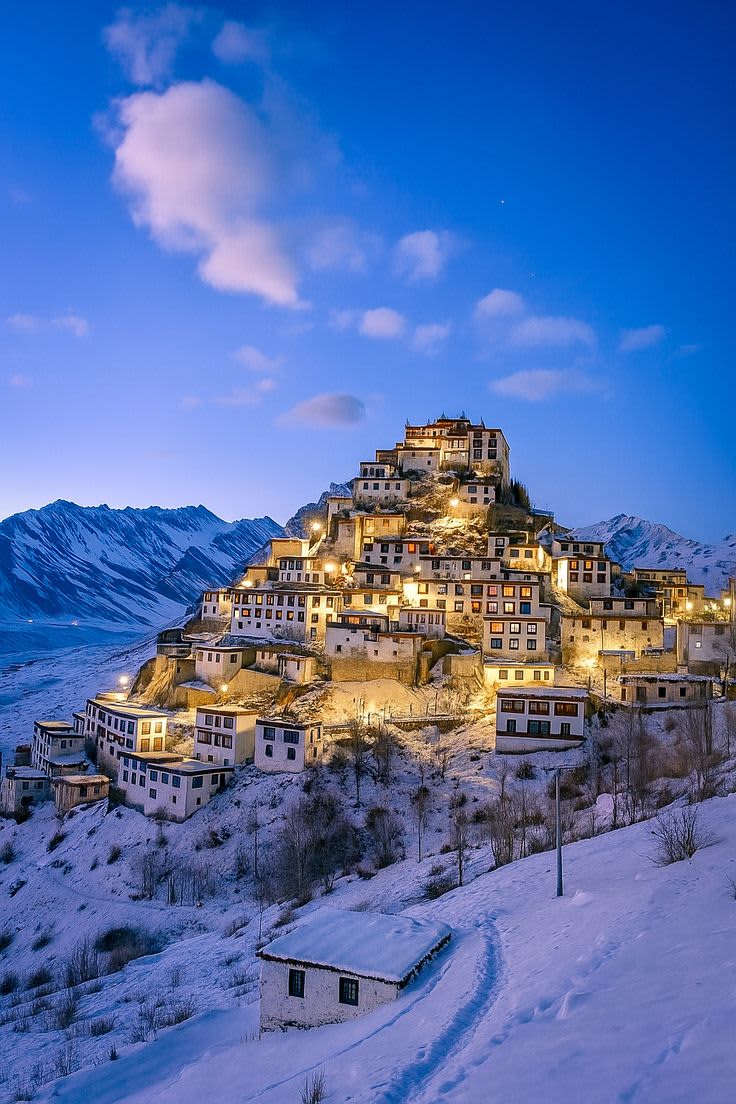
Spiti Valley
Spiti Valley, a cold desert mountain valley in the trans-Himalayan region of Himachal Pradesh, is one of India's most remote and spectacular destinations. At an average altitude of 3,800 meters, the barren yet dramatic landscape of rugged peaks, ancient monasteries, and turquoise rivers feels otherworldly. The ancient Key Monastery, the tiny village of Kibber, the Chandratal Lake, and the iconic Kunzum Pass are highlights of this bucket-list destination accessible only a few months of the year due to heavy snowfall.
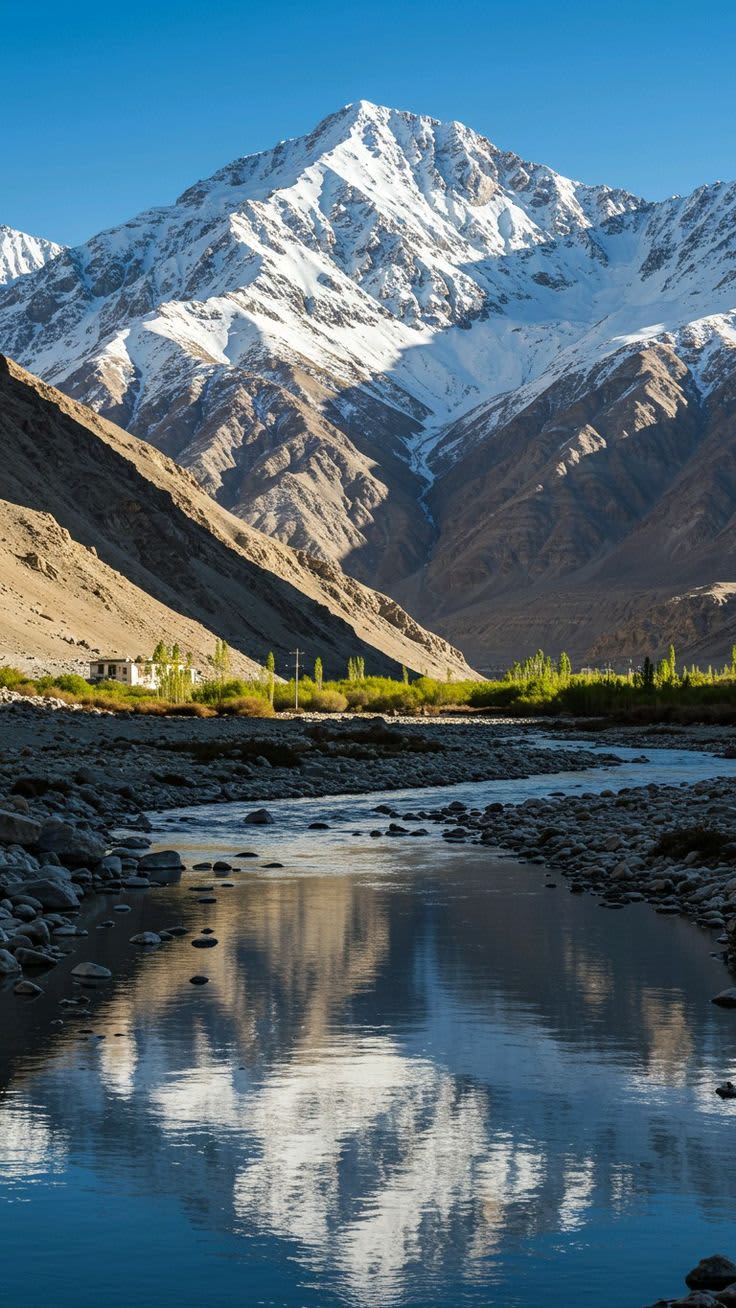
Ladakh
Ladakh, the Land of High Passes, is India's largest, least populated, and perhaps most spectacular region — a high-altitude desert where ancient Buddhist culture thrives amid one of the world's most dramatic landscapes of barren mountains, glacial rivers, and impossibly blue skies. The region's legendary monasteries at Hemis, Thiksey, Lamayuru, and Alchi preserve centuries of Tibetan Buddhist art and learning, while the landscape hosts some of the planet's most ambitious adventure routes. From the azure waters of Pangong and Tso Moriri lakes to the frozen Chadar trek on the Zanskar River, Ladakh is a destination of superlatives that every traveler should experience.
Lahaul
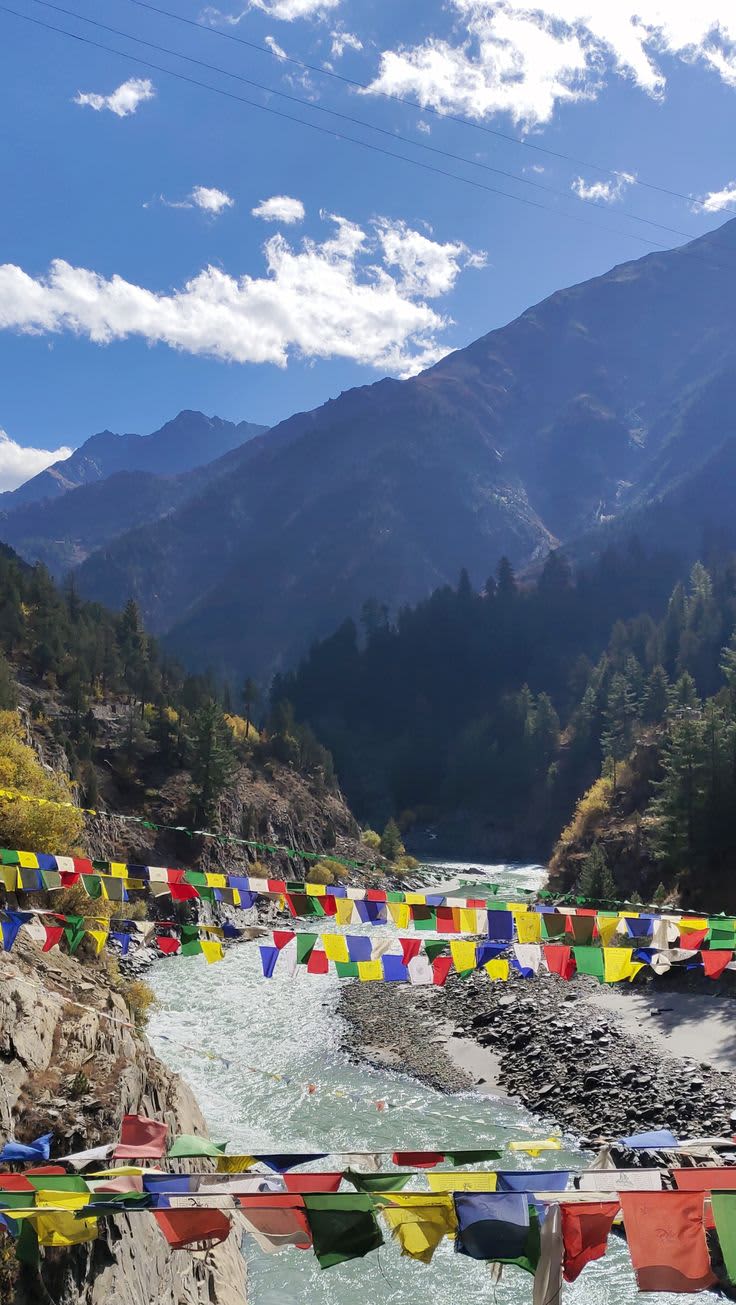
Lahaul, the northern of the twin districts of Lahaul and Spiti in Himachal Pradesh, is a remote high-altitude valley carved by the Chandra and Bhaga rivers before they merge to form the Chandrabhaga (Chenab) River. Unlike the arid landscape of Spiti to the south, Lahaul has a slightly greener character with potato and pea fields at lower altitudes giving way to barren glacial terrain above. The historic Keylong town serves as the district headquarters, and the valley's ancient Tibetan Buddhist gompas, including the Kardang Monastery, and the dramatic road to the Baralacha La pass connecting to Ladakh make Lahaul a compelling destination for intrepid travelers.
Nearby destinations
Yamunotri
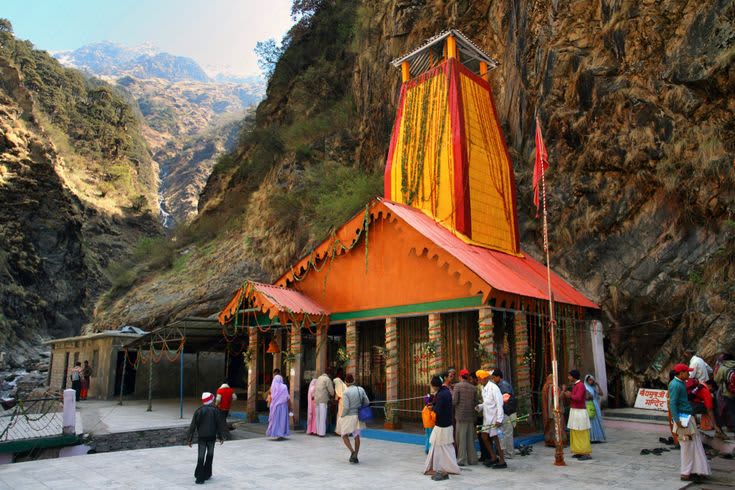
60 km · Yamunotri, the source of the sacred Yamuna River and the first stop on the Char Dham pilgrimage circuit in Uttarakhand, sits at 3,293 meters in the Garhwal Himalayas and can only be reached by a 6-kilometer trek from Janki Chatti through majestic mountain scenery. The Yamunotri Temple, dedicated to the goddess Yamuna, is flanked by natural thermal springs where pilgrims cook rice and potatoes in the boiling water as a sacred offering. The Divya Shila rock pillar near the temple and the dramatic glacial Champasar Glacier above form a setting of raw Himalayan grandeur that leaves a lasting spiritual impression.
Gangotri
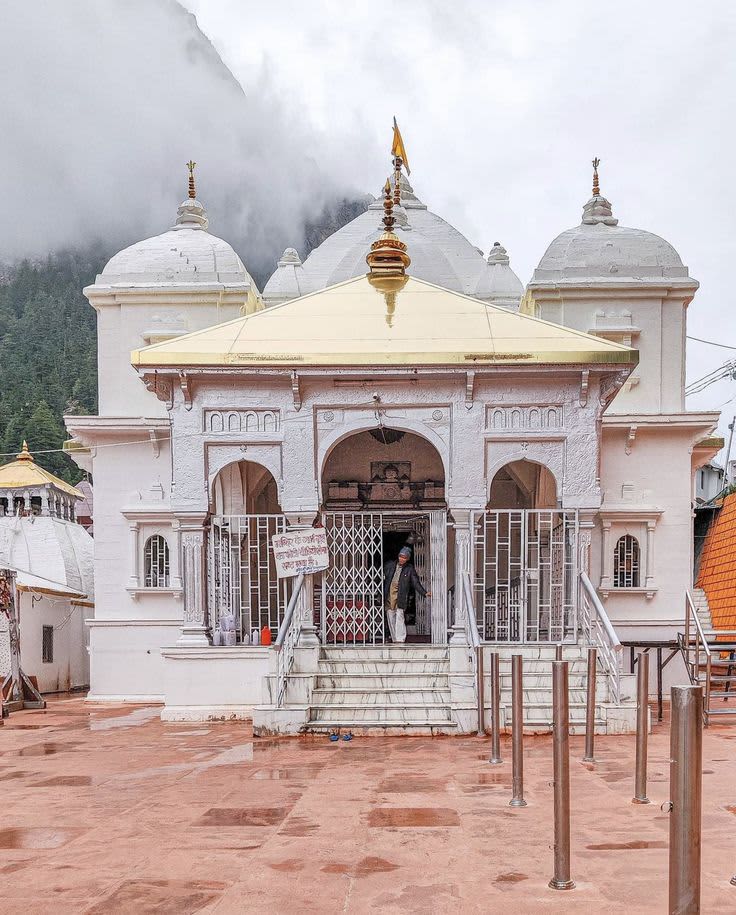
81 km · Gangotri, situated at 3,100 meters in the Uttarkashi district of Uttarakhand, is the site of the Gangotri Temple dedicated to the River Goddess Ganga and the starting point for the trek to Gaumukh — the actual glacial source of the holy Ganges River. One of the four sacred Char Dham pilgrimage sites, Gangotri is believed to be the place where the sage Bhagirath meditated for thousands of years to bring the divine river Ganga to earth. The dramatic setting amid soaring Himalayan peaks, including the magnificent Bhagirathi group visible from the temple, makes Gangotri as visually awe-inspiring as it is spiritually significant.
Spiti Valley
84 km · Spiti Valley, a cold desert mountain valley in the trans-Himalayan region of Himachal Pradesh, is one of India's most remote and spectacular destinations. At an average altitude of 3,800 meters, the barren yet dramatic landscape of rugged peaks, ancient monasteries, and turquoise rivers feels otherworldly. The ancient Key Monastery, the tiny village of Kibber, the Chandratal Lake, and the iconic Kunzum Pass are highlights of this bucket-list destination accessible only a few months of the year due to heavy snowfall.