Places to visit near Kinnaur Valley
Places to visit near Kinnaur Valley
Kinnaur Valley, nestled in the southeastern corner of Himachal Pradesh bordering Tibet, is a land of extraordinary contrasts where lush apple orchards meet barren Tibetan plateaus and ancient Hinduism blends seamlessly with Tibetan Buddhism. The spectacular Hindustan-Tibet Highway winds through the valley past cliff-hugging roads, deep gorges, and dramatically perched monasteries. Highlights include the sacred Kinnaur Kailash peak, the fortress-temple of Dhankar, and the charming village of Kalpa with its panoramic Kailash views.
60 km
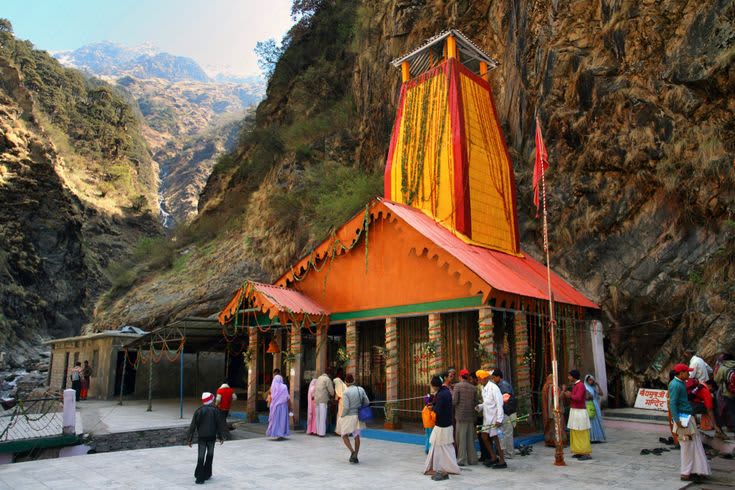
Yamunotri
→Yamunotri, the source of the sacred Yamuna River and the first stop on the Char Dham pilgrimage circuit in Uttarakhand, sits at 3,293 meters in the Garhwal Himalayas and can only be reached by a 6-kilometer trek from Janki Chatti through majestic mountain scenery. The Yamunotri Temple, dedicated to the goddess Yamuna, is flanked by natural thermal springs where pilgrims cook rice and potatoes in the boiling water as a sacred offering. The Divya Shila rock pillar near the temple and the dramatic glacial Champasar Glacier above form a setting of raw Himalayan grandeur that leaves a lasting spiritual impression.
81 km
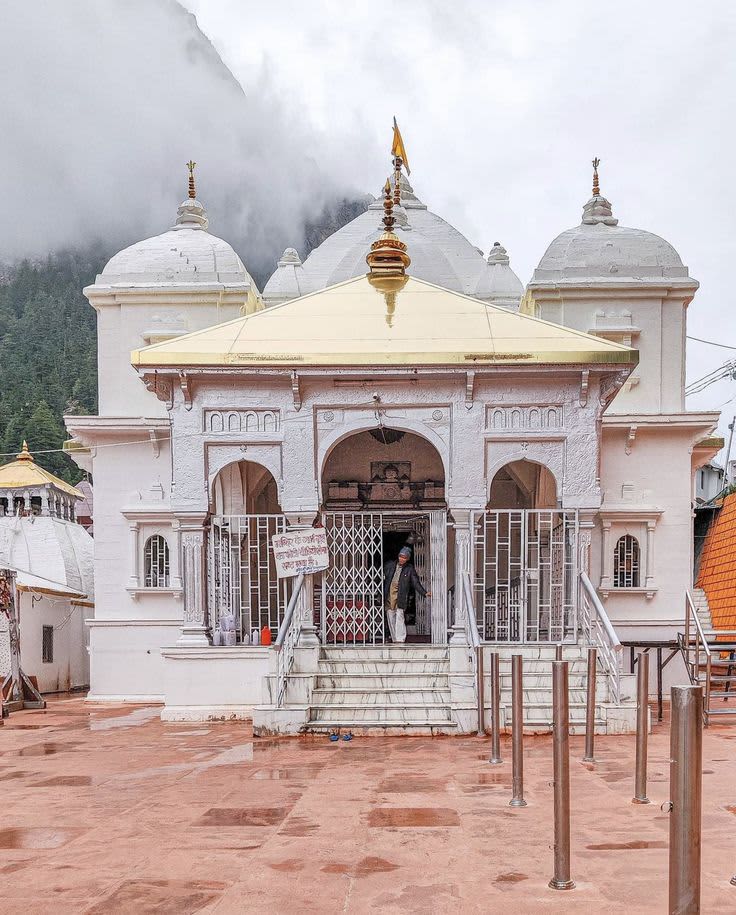
Gangotri
→Gangotri, situated at 3,100 meters in the Uttarkashi district of Uttarakhand, is the site of the Gangotri Temple dedicated to the River Goddess Ganga and the starting point for the trek to Gaumukh — the actual glacial source of the holy Ganges River. One of the four sacred Char Dham pilgrimage sites, Gangotri is believed to be the place where the sage Bhagirath meditated for thousands of years to bring the divine river Ganga to earth. The dramatic setting amid soaring Himalayan peaks, including the magnificent Bhagirathi group visible from the temple, makes Gangotri as visually awe-inspiring as it is spiritually significant.
84 km
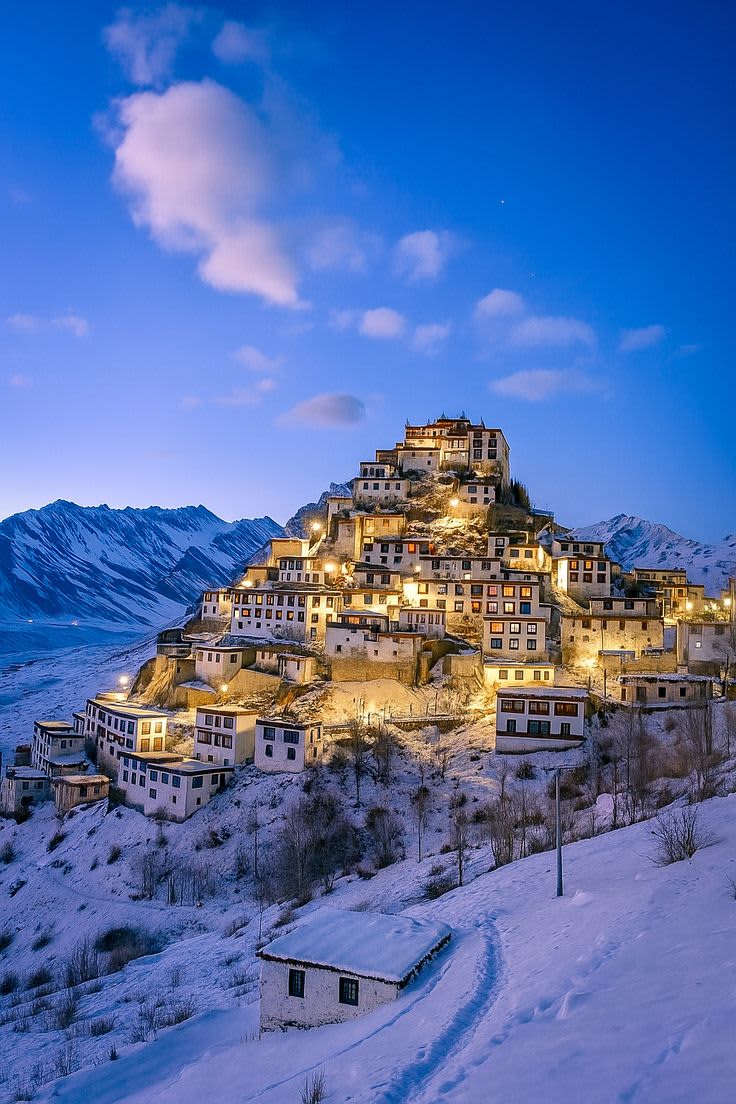
Spiti Valley
→Spiti Valley, a cold desert mountain valley in the trans-Himalayan region of Himachal Pradesh, is one of India's most remote and spectacular destinations. At an average altitude of 3,800 meters, the barren yet dramatic landscape of rugged peaks, ancient monasteries, and turquoise rivers feels otherworldly. The ancient Key Monastery, the tiny village of Kibber, the Chandratal Lake, and the iconic Kunzum Pass are highlights of this bucket-list destination accessible only a few months of the year due to heavy snowfall.
112 km
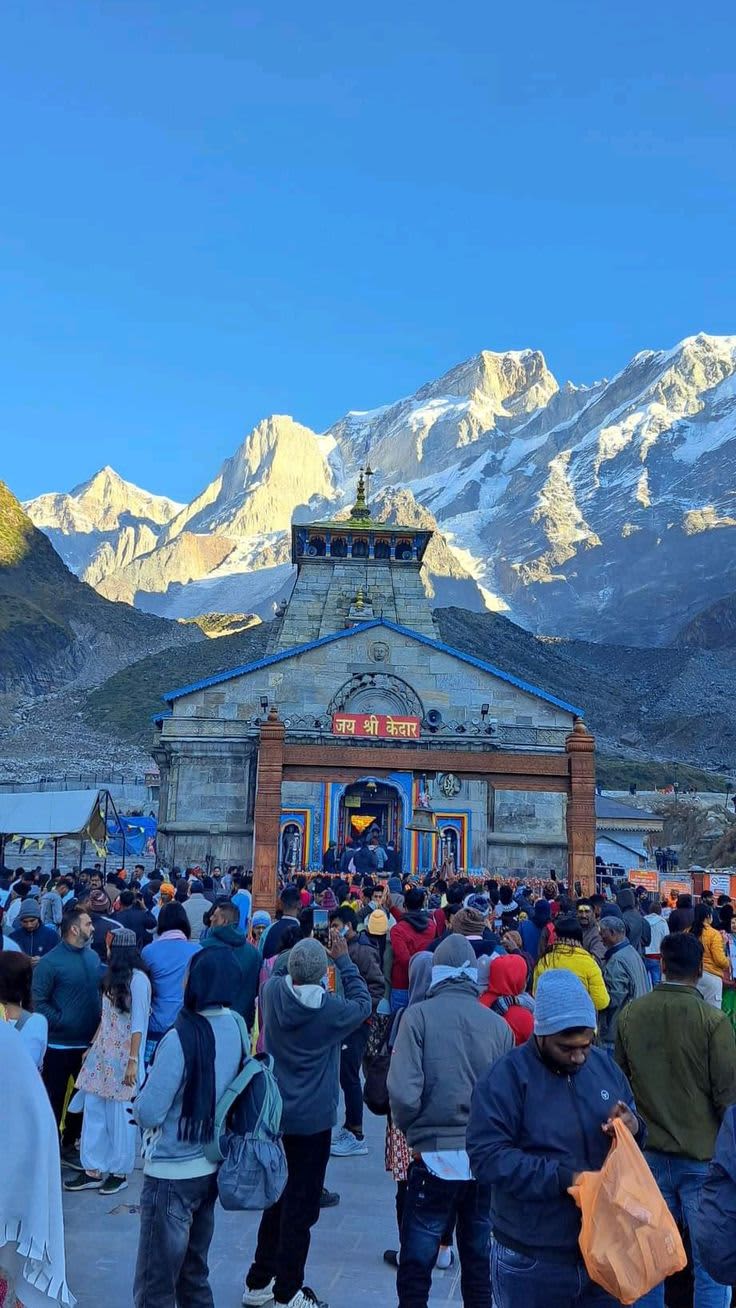
Kedarnath
→Kedarnath, one of the twelve Jyotirlingas of Shiva and the highest of the four Char Dham pilgrimage sites, sits at a staggering altitude of 3,583 meters in the Garhwal Himalayas of Uttarakhand, accessible only by an 18-kilometer trek through breathtaking Himalayan scenery. The ancient Kedarnath Temple, believed to have been originally built by the Pandavas of the Mahabharata and reconstructed by Adi Shankaracharya in the 8th century, stands surrounded by glaciers and snow-capped peaks — a setting of overwhelming natural grandeur and spiritual power. The temple is open only from May to November, and the annual opening ceremony with the Shiva idol's arrival is a profoundly moving experience.
125 km
Mussoorie
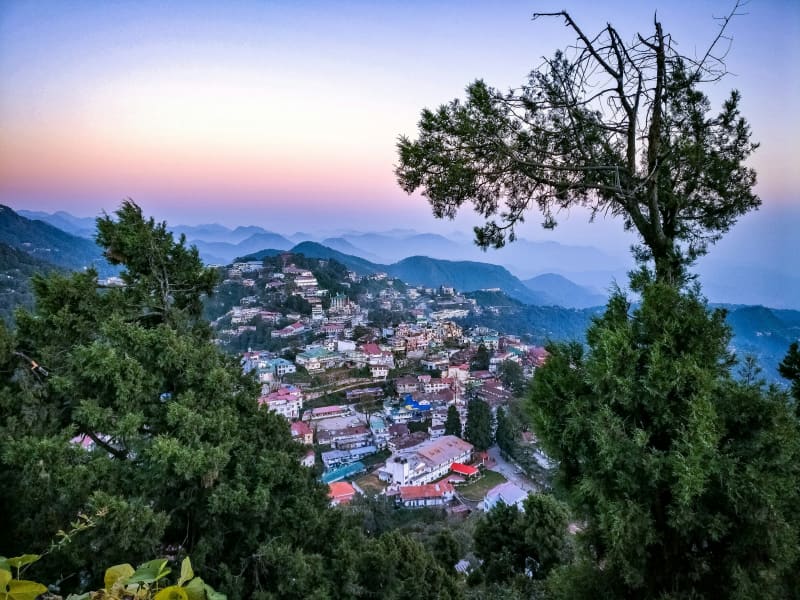
→Perched at an altitude of 2,000 meters in the Garhwal Himalayas, Mussoorie — the Queen of the Hills — has been captivating visitors with its panoramic mountain views, lush forests, and cool misty climate since the British colonial era. The bustling Mall Road lined with shops and eateries, the cascading Kempty Falls, and the scenic Gun Hill viewpoint are among the top attractions. Whether you're honeymooning or escaping the summer heat, Mussoorie offers a perfect blend of romance, nature, and adventure.
125 km
Shimla
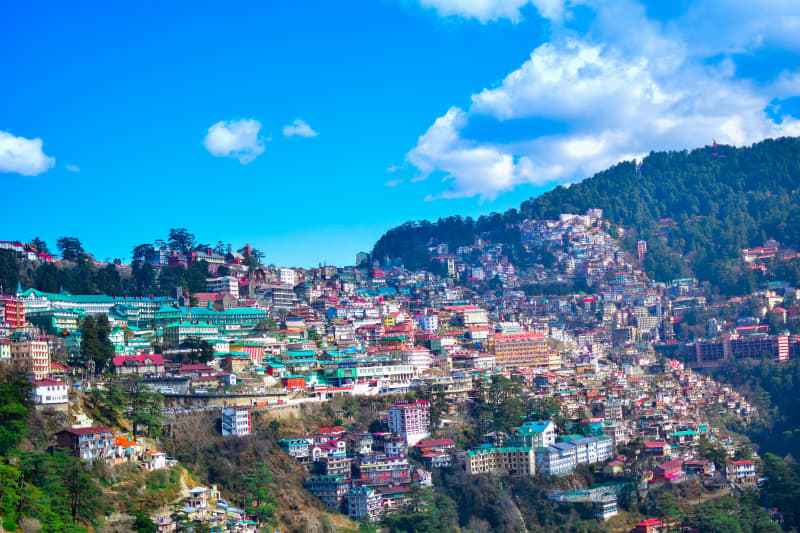
→Shimla, the former summer capital of British India and now the capital of Himachal Pradesh, enchants visitors with its Victorian-era architecture, crisp mountain air, and sweeping Himalayan vistas. The iconic Ridge and Mall Road at the heart of the town bustle with activity year-round, while the UNESCO-listed Kalka-Shimla toy train journey is a scenic marvel in itself. From adventure activities like skiing and trekking to exploring colonial-era buildings and temples, Shimla is one of India's most beloved hill station destinations.
128 km
Kullu
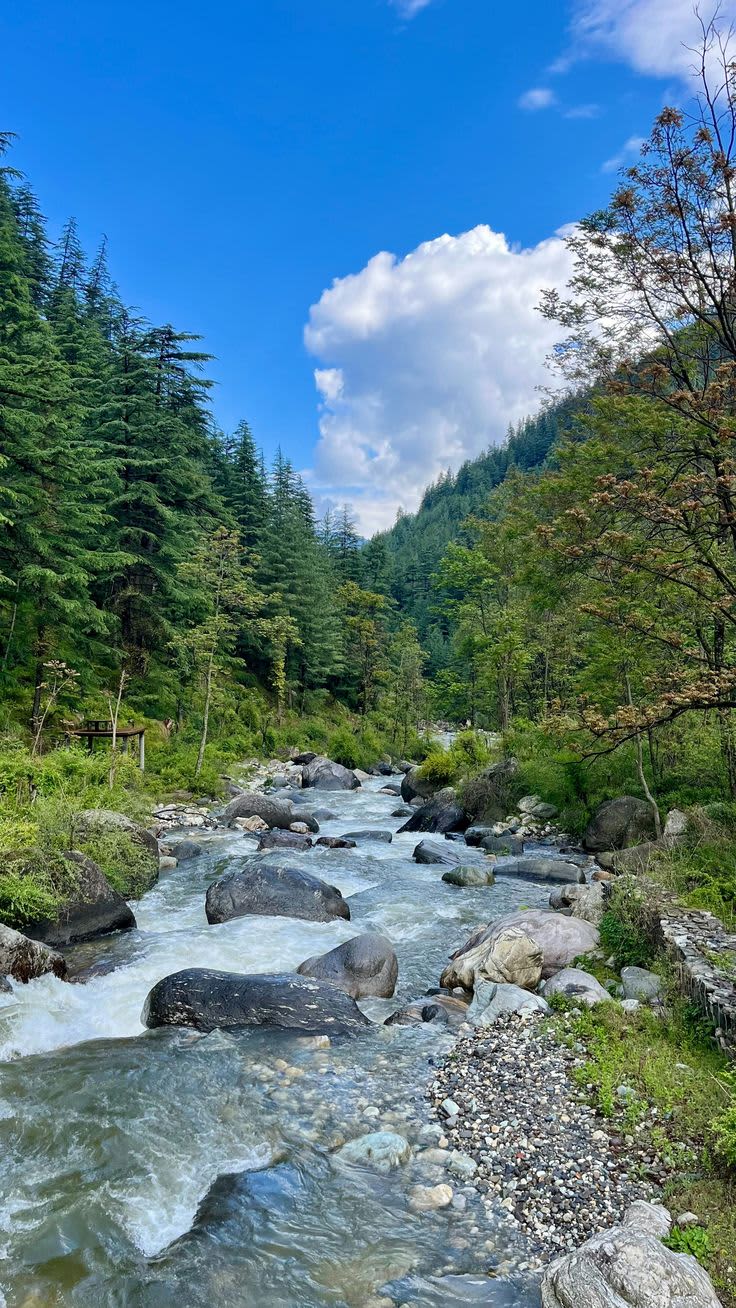
→Kullu, nestled in the wide Kullu Valley of Himachal Pradesh along the Beas River, is renowned as the "Valley of the Gods" for the hundreds of ancient temples that dot its landscape. The town comes alive every October during the world-famous Kullu Dussehra festival, when thousands of local deities are brought in procession to the Dhalpur Maidan. Kullu is also a gateway to adventure activities like river rafting, paragliding, and trout fishing, making it a vibrant complement to the nearby resort town of Manali.

136 km
Manali
→Manali, situated at 2,050 meters in the Kullu Valley of Himachal Pradesh, is India's adventure capital and a year-round magnet for travelers seeking snow, thrills, and Himalayan beauty. In winter, the slopes of Solang Valley and Rohtang Pass transform into a snowy playground for skiing and snowboarding, while summer brings trekkers, paragliders, and mountaineers. The ancient Hadimba Devi Temple, the hippie haven of Old Manali, and the dramatic Rohtang Pass make this high-altitude town an unparalleled destination in the Indian Himalayas.
138 km
Lahaul Spiti
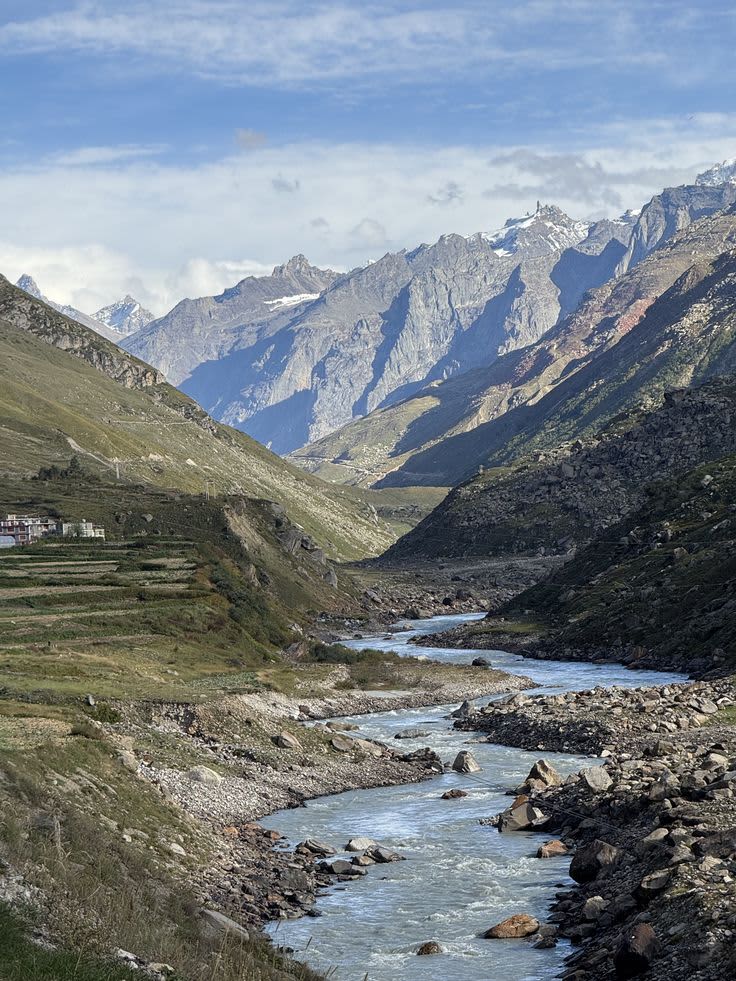
→Lahaul and Spiti, twin high-altitude districts in Himachal Pradesh, form one of India's most remote and mesmerizing frontier regions, connected to the outside world only by the Rohtang Pass and the Atal Tunnel. The stark, otherworldly landscape of barren mountains, deep gorges, and glacial rivers is punctuated by ancient monasteries, traditional Himalayan villages, and rich Buddhist heritage. Road trips through Lahaul-Spiti — past Kunzum Pass, Chandratal Lake, and Tabo Monastery — rank among India's most epic adventure journeys.