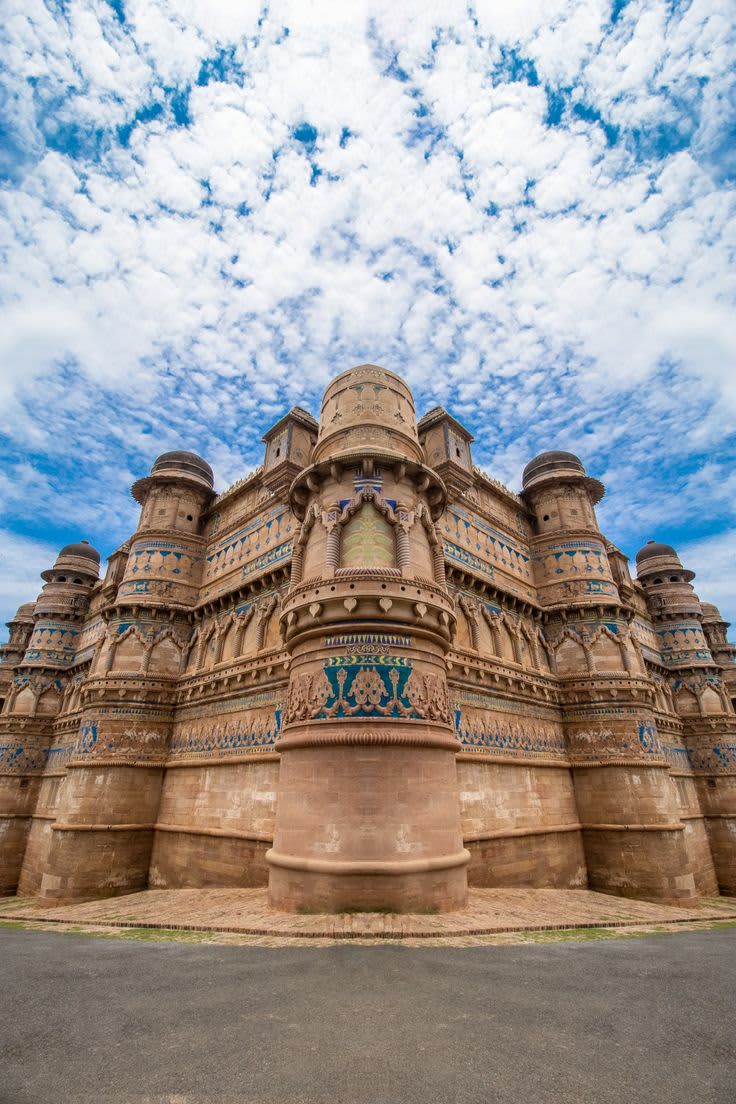
Kanha National Park, one of India's finest and largest tiger reserves spread across the Maikal Hills of Madhya Pradesh, was the inspiration for Rudyard Kipling's 'The Jungle Book' and remains one of t...
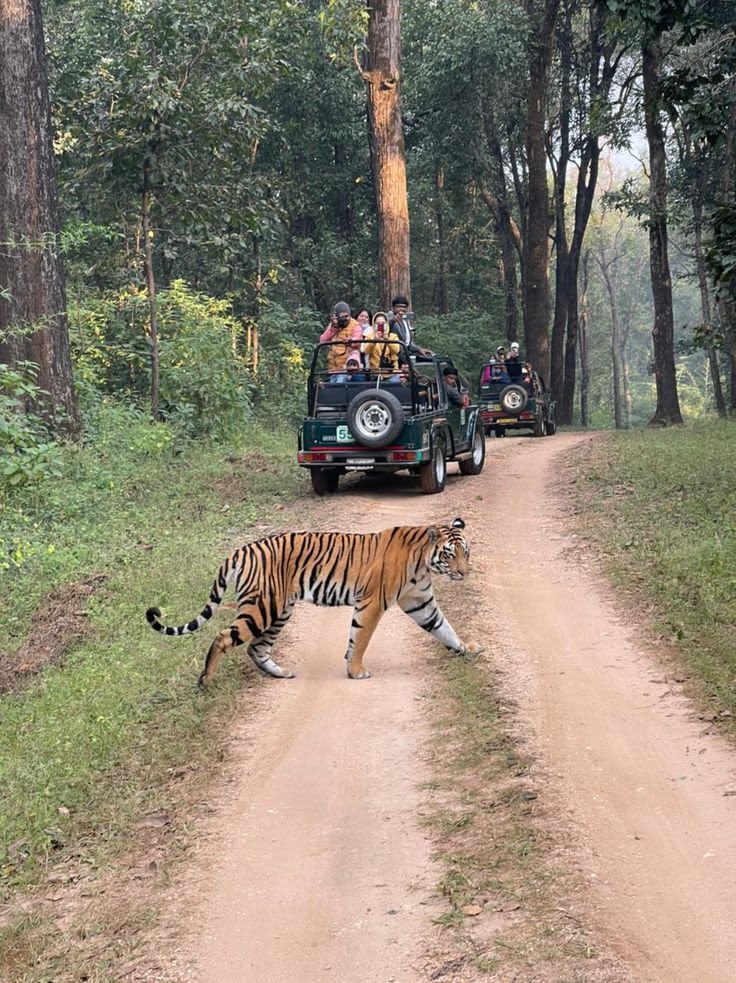
Kanha National Park
Inspiration for Kipling's Jungle Book
Madhya Pradesh, India
4.9
Barasingha DeerTiger ReserveMeadow Landscapes
wildlife
Duration: 2–3 Days
Budget/day: ₹2,000 – ₹7,000
Best season: Oct – Jun
Altitude: 440 m – 900 m
Nearest airport: Jabalpur Airport (175 km); Nagpur Airport (260 km)
Nearest railway: Jabalpur Junction (175 km); Gondia (145 km)
Best places to visit in Kanha National Park


Things to do in Kanha National Park
- No photoWildlifeView full guide
3–4 hours per safari
Tiger safari across the Kanha meadows
The vast, open meadows of Kanha — the park that inspired Rudyard Kipling's Jungle Book — are among the most beautiful landscapes in all of Indian wildlife tourism. Tigers move through these golden grasslands like emperors, often visible from hundreds of metres away across the open ground. The sheer scale and photogenic quality of Kanha's scenery sets it apart from every other tiger reserve in India.
- No photoWildlifeView full guide
Part of regular safari
Barasingha (swamp deer) spotting
Kanha is the sole place on earth where the hard ground barasingha — also called the swamp deer — was saved from extinction. Through decades of dedicated conservation work, their numbers have grown from fewer than 70 in the 1970s to over 700 today, and seeing a herd of these graceful, multi-tined deer in the Kanha meadows is one of the most emotionally moving wildlife moments in India.
- No photoCultural & NatureView full guide
2 hours
Jungle Book heritage walk
Rudyard Kipling set his immortal Jungle Book stories in the forests of the Seoni and Balaghat districts — the very region that became Kanha National Park. A naturalist-led heritage walk through the park grounds explores the landscapes that inspired Mowgli's world: the wolf dens, the bamboo thickets, the waterholes, and the ancient sal trees. It is a literary pilgrimage inside one of India's most important natural wonders.
Best Time to Visit and Weather Info
Best time: October to June
Park closed July to October. February to May offers best sightings with lower vegetation.
Winter
Best Time ⭐Oct – Feb
5°C – 26°C
The vast meadows (called 'maidans') are the scenic highlight. Deer, tigers, and barasingha (swamp deer) congregate on the open grasslands.
- Kanha inspired Kipling's 'The Jungle Book' — visit the interpretive centre
- Kanha is especially famous for the extremely rare barasingha (hard-ground swamp deer)
Summer
Best Tiger Sightings 🟡Mar – Jun
28°C – 44°C
Heat drives animals to waterholes. Tiger sightings are at their most reliable from April–May.
- Best tiger photography in April–May
- Barasingha are in velvet antler stage
Monsoon
Closed 🔴Jul – Sep
22°C – 35°C
Park closes completely. Dense monsoon vegetation covers the grasslands.
- Park closed
- Visit Kanha Museum in Khatia even if safari unavailable
How to Reach
✈️By Air
Airport: Jabalpur Airport (175 km) or Nagpur Airport (260 km) (175 km from Jabalpur)
Duration: ~4 hrs by road
Fly to Jabalpur, then taxi to Kanha (Khatia or Mukki gate). Nagpur is also a good gateway for the Mukki side.
Taxi: ₹4,000 – ₹6,000 (Jabalpur to Kanha)
Airlines: IndiGo, Air India, SpiceJet
🚂By Train
Station: Jabalpur Junction (175 km) or Gondia (145 km to Mukki gate)
Jabalpur is the main railhead for Khatia gate. Gondia is closer to the Mukki gate on the south side.
- Mahakoshal Express — Delhi (~14 hrs to Jabalpur)
- Gondwana Express — Delhi (~18 hrs to Gondia)
🚌By Road
Two main entry gates: Khatia (north, via Jabalpur) and Mukki (south, via Nagpur/Gondia). Private taxis preferred.
- Jabalpur: 175 km, 4 hrs via NH-30 via Mandla
- Nagpur: 260 km, 5–6 hrs via Gondia – Balaghat
- Raipur: 280 km, 5–6 hrs via Bilaspur
Itineraries
Local Food
Kanha's food is basic Madhya Pradesh village cuisine available at resorts, lodges, and a few dhabas in Khatia village.
Dal Bafla
Central India's iconic wheat ball dish dipped in ghee with five-lentil dal — Madhya Pradesh's signature food.
Where: Local dhabas in Khatia
₹120 – ₹200
Mahua Ladoo
Sweet balls made from mahwa flower — a tribal forest food unique to this region.
Where: Tribal villages and local markets
₹80 – ₹150
Poha-Jalebi
Central India's favourite breakfast duo — flattened spiced rice with crispy sweet jalebi.
Where: Morning dhabas in Khatia village
₹50 – ₹90
Gondi Tribal Cuisine
Seasonal dishes from the indigenous Gond tribe — wild vegetables, millet flatbreads, and forest honey.
Where: Tribal homestays and village visits
₹100 – ₹200
Palak Paneer
Creamy spinach and cottage cheese curry — available at all resort restaurants.
Where: Kanha safari resorts
₹150 – ₹220
Chila and Lassi
Crispy savoury pancake paired with thick chilled lassi — simple roadside refreshment.
Where: Dhabas in Khatia
₹60 – ₹100
Most visitors eat at their resort. The Khatia market has basic dhabas. Tribal cultural evenings with food are sometimes organized by eco-resorts.
FAQs
- Kanha is the park that inspired Rudyard Kipling's 'The Jungle Book'. It's famous for its vast open meadows (maidans), Bengal tigers, leopards, and being the last stronghold of the rare hard-ground barasingha (swamp deer).
Best Places Similar
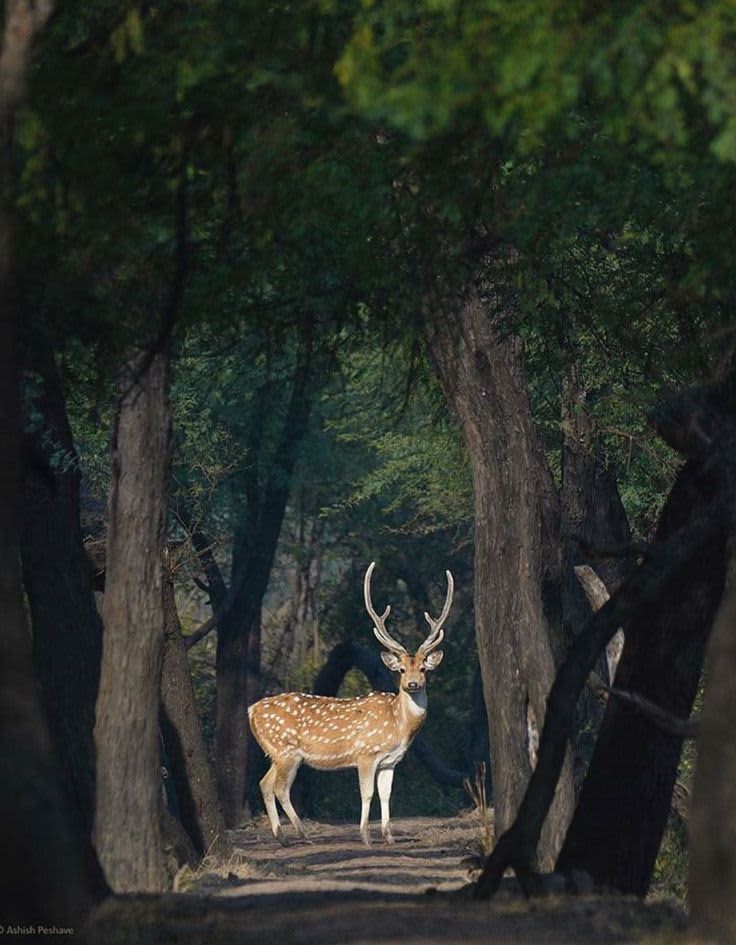
Bandhavgarh National Park
Bandhavgarh National Park in Madhya Pradesh boasts the highest density of Bengal tigers of any national park in India, making it one of the most thrilling destinations for big cat enthusiasts and wildlife photographers. The park's diverse terrain of dense sal forests, meadows, and bamboo groves is dominated by the ancient Bandhavgarh Fort, which according to legend was built by the Hindu god Rama. Multiple daily safari zones, including the highly sought-after Tala zone, ensure excellent opportunities to witness tigers, leopards, sloth bears, and abundant birdlife in their natural environment.

Ranthambore National Park
Ranthambore National Park in Rajasthan is one of India's largest and most famous tiger reserves, renowned for offering some of the most reliable tiger sightings in the country, particularly around its ancient lakes. The ruined 10th-century Ranthambore Fort, a UNESCO World Heritage Site, rises dramatically above the forest and adds a unique historical dimension to wildlife safaris. Beyond tigers, the park shelters leopards, sloth bears, striped hyenas, and abundant birdlife, making every game drive an adventure in this iconic Rajasthani wilderness.
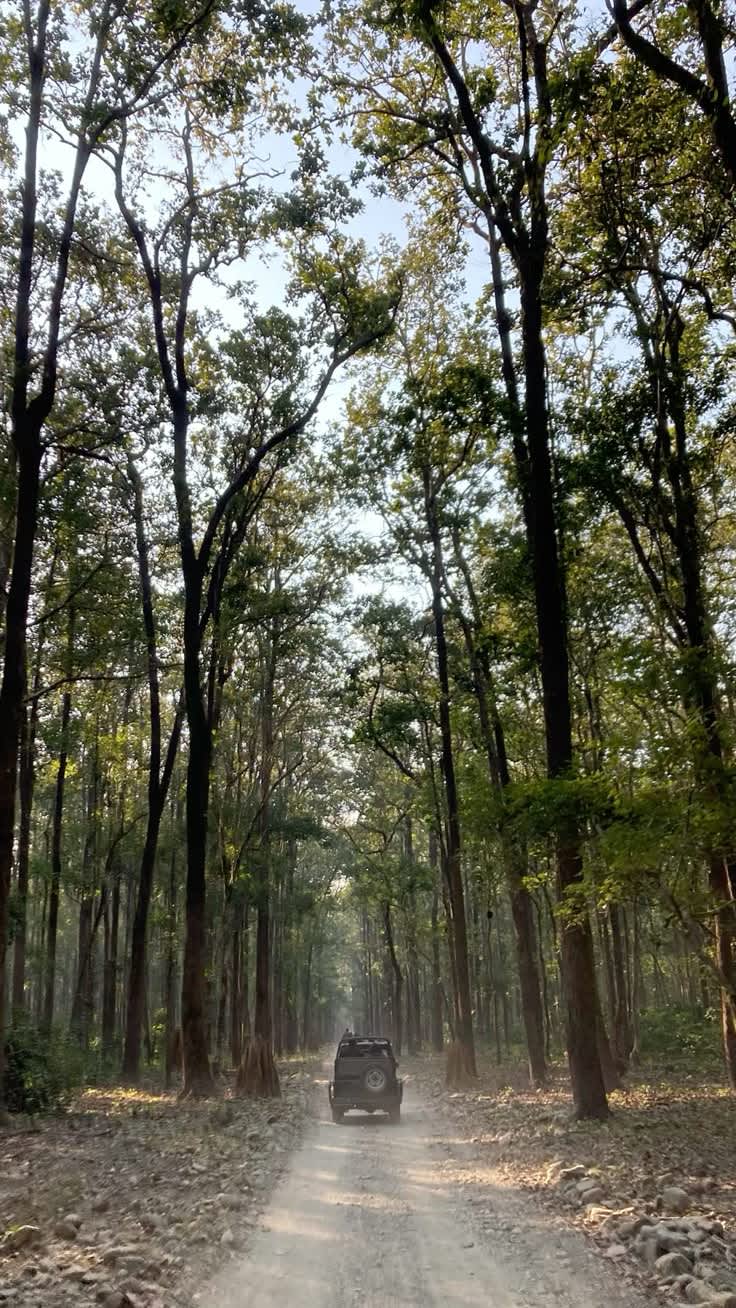
Jim Corbett National Park
Jim Corbett National Park, established in 1936 as India's first national park and named after the legendary hunter-turned-conservationist Jim Corbett, is one of the best places in the world to spot the majestic Bengal tiger in its natural habitat. Spread across over 1,300 square kilometers in the Shivalik foothills of Uttarakhand, the park encompasses dense sal forests, grasslands, and the Ramganga River, supporting rich biodiversity including elephants, leopards, gharials, and over 600 bird species. Jeep safaris into the Dhikala and Bijrani zones offer thrilling wildlife encounters in a remarkably pristine natural setting.
Nearby destinations
Bandhavgarh National Park
158 km · Bandhavgarh National Park in Madhya Pradesh boasts the highest density of Bengal tigers of any national park in India, making it one of the most thrilling destinations for big cat enthusiasts and wildlife photographers. The park's diverse terrain of dense sal forests, meadows, and bamboo groves is dominated by the ancient Bandhavgarh Fort, which according to legend was built by the Hindu god Rama. Multiple daily safari zones, including the highly sought-after Tala zone, ensure excellent opportunities to witness tigers, leopards, sloth bears, and abundant birdlife in their natural environment.

Tadoba
269 km · Tadoba Andhari Tiger Reserve, Maharashtra's oldest and largest national park located in the Chandrapur district, is increasingly recognized as one of India's best tiger reserves and offers some of the highest rates of tiger sightings in the country, earning it a well-deserved reputation among wildlife photographers and safari enthusiasts. The park's dry deciduous forest, open meadows, and scenic Tadoba Lake create a diverse habitat that supports not only tigers but also leopards, sloth bears, wild dogs, gaurs, and hundreds of bird species. Tadoba's accessibility from Nagpur and the quality of its guides and safari vehicles make it an excellent alternative for those who cannot get permits at more famous reserves like Ranthambore or Kanha.
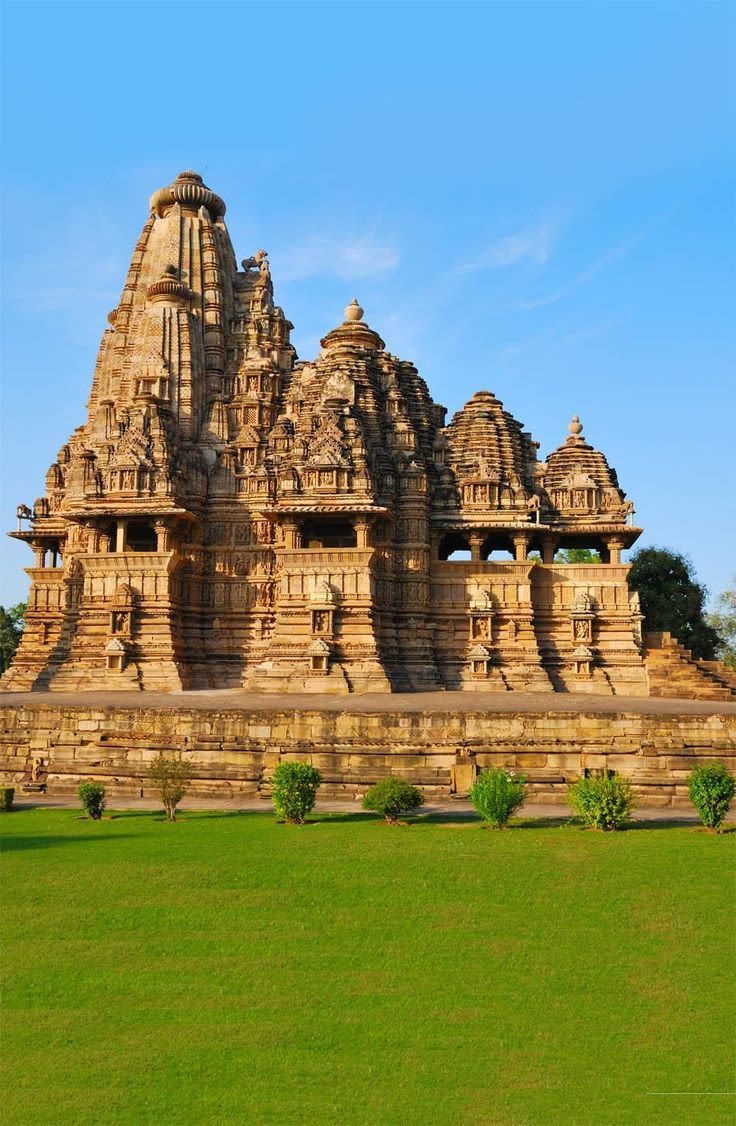
Khajuraho
287 km · Khajuraho, a small town in Madhya Pradesh, is home to one of India's most extraordinary UNESCO World Heritage Sites — a group of medieval Hindu and Jain temples built by the Chandela dynasty between 950 and 1050 CE, celebrated worldwide for their exquisite erotic sculptures that represent only a fraction of the temples' vast iconographic program. The three temple complexes — Western, Eastern, and Southern — contain 20 surviving temples of the original 85, each a masterpiece of Nagara-style architecture adorned with thousands of meticulously carved figures depicting every aspect of human life, divine beings, and erotic union. The annual Khajuraho Dance Festival held in front of the illuminated temple facades is a cultural highlight of India's classical arts calendar.