Best Places Similar in Kanha National Park
Best Places Similar to Kanha National Park
Kanha National Park, one of India's finest and largest tiger reserves spread across the Maikal Hills of Madhya Pradesh, was the inspiration for Rudyard Kipling's 'The Jungle Book' and remains one of the subcontinent's most pristine and biodiverse wilderness areas. The park is renowned not only for tiger sightings but for successfully reviving the critically endangered Barasingha (swamp deer) from the brink of extinction. Kanha's vast meadow-filled valleys, called maidans, teeming with spotted deer and gaur, and its dense sal forests make it one of India's most rewarding national park experiences.
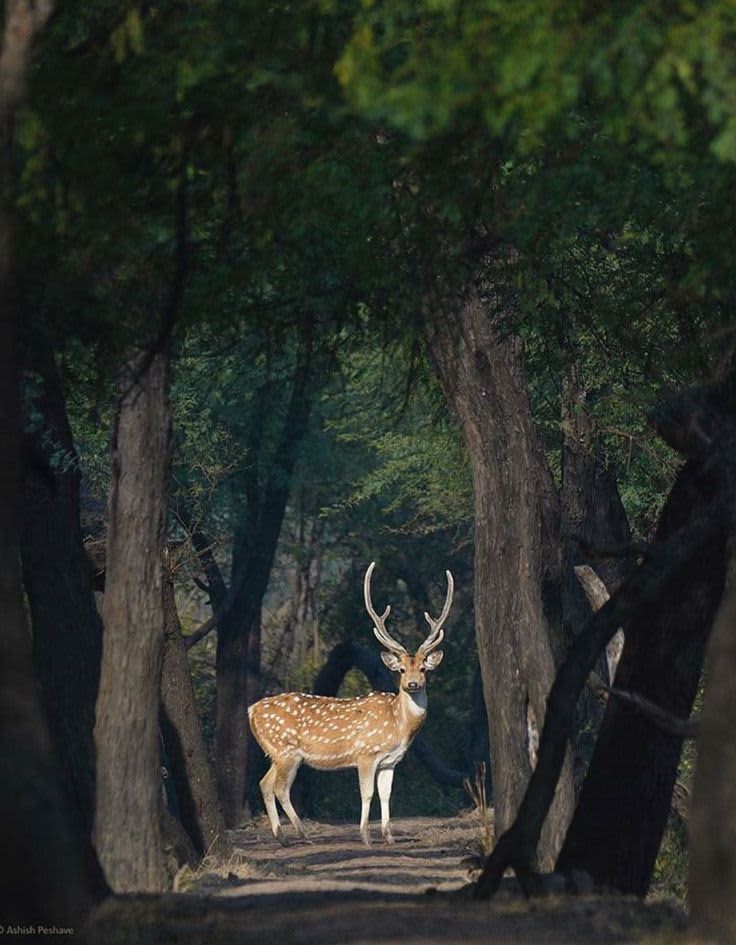
Bandhavgarh National Park
→Bandhavgarh National Park in Madhya Pradesh boasts the highest density of Bengal tigers of any national park in India, making it one of the most thrilling destinations for big cat enthusiasts and wildlife photographers. The park's diverse terrain of dense sal forests, meadows, and bamboo groves is dominated by the ancient Bandhavgarh Fort, which according to legend was built by the Hindu god Rama. Multiple daily safari zones, including the highly sought-after Tala zone, ensure excellent opportunities to witness tigers, leopards, sloth bears, and abundant birdlife in their natural environment.

Ranthambore National Park
→Ranthambore National Park in Rajasthan is one of India's largest and most famous tiger reserves, renowned for offering some of the most reliable tiger sightings in the country, particularly around its ancient lakes. The ruined 10th-century Ranthambore Fort, a UNESCO World Heritage Site, rises dramatically above the forest and adds a unique historical dimension to wildlife safaris. Beyond tigers, the park shelters leopards, sloth bears, striped hyenas, and abundant birdlife, making every game drive an adventure in this iconic Rajasthani wilderness.
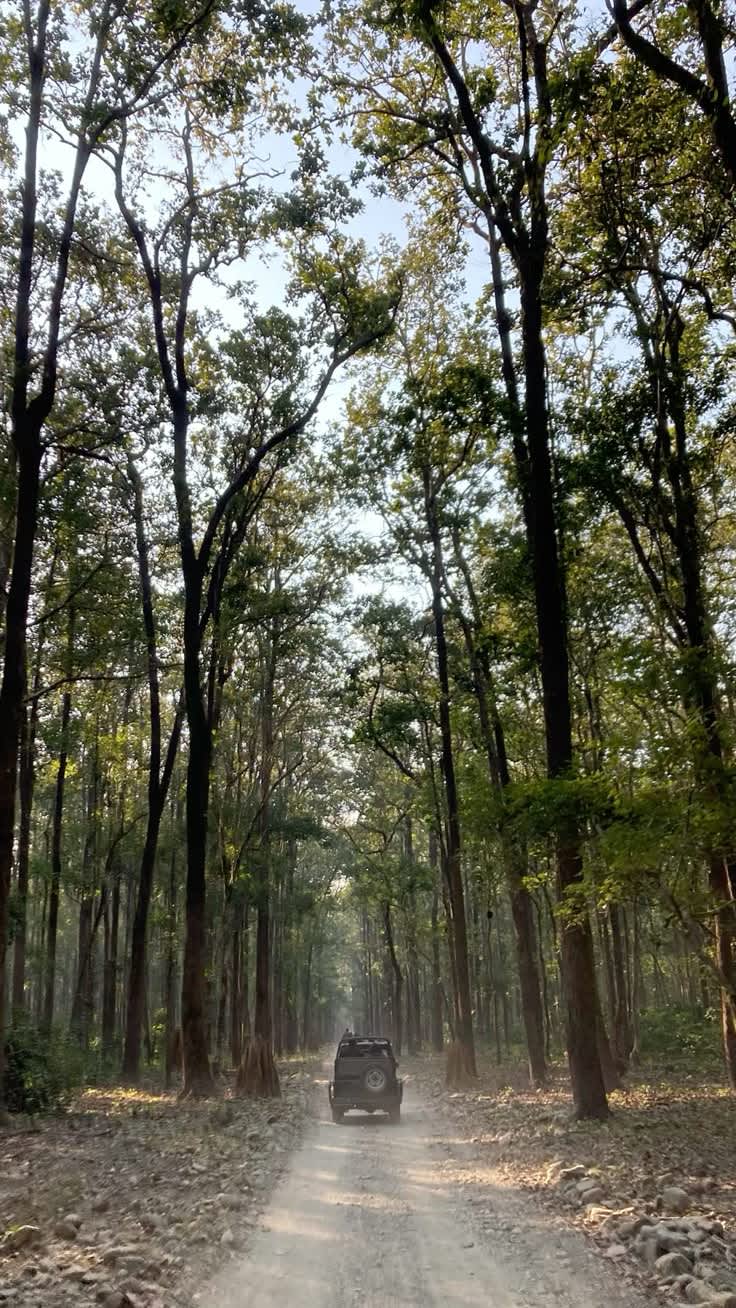
Jim Corbett National Park
→Jim Corbett National Park, established in 1936 as India's first national park and named after the legendary hunter-turned-conservationist Jim Corbett, is one of the best places in the world to spot the majestic Bengal tiger in its natural habitat. Spread across over 1,300 square kilometers in the Shivalik foothills of Uttarakhand, the park encompasses dense sal forests, grasslands, and the Ramganga River, supporting rich biodiversity including elephants, leopards, gharials, and over 600 bird species. Jeep safaris into the Dhikala and Bijrani zones offer thrilling wildlife encounters in a remarkably pristine natural setting.

Tadoba
→Tadoba Andhari Tiger Reserve, Maharashtra's oldest and largest national park located in the Chandrapur district, is increasingly recognized as one of India's best tiger reserves and offers some of the highest rates of tiger sightings in the country, earning it a well-deserved reputation among wildlife photographers and safari enthusiasts. The park's dry deciduous forest, open meadows, and scenic Tadoba Lake create a diverse habitat that supports not only tigers but also leopards, sloth bears, wild dogs, gaurs, and hundreds of bird species. Tadoba's accessibility from Nagpur and the quality of its guides and safari vehicles make it an excellent alternative for those who cannot get permits at more famous reserves like Ranthambore or Kanha.
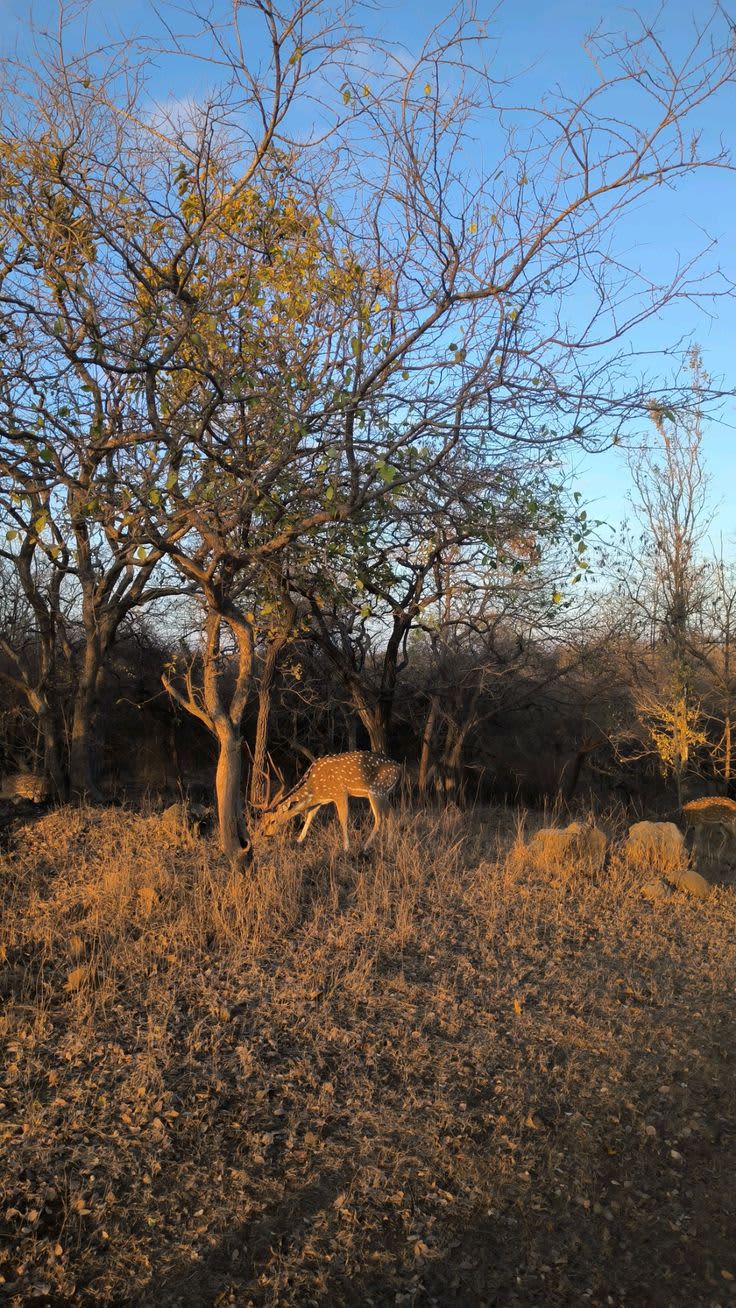
Gir National Park
→Gir National Park and Wildlife Sanctuary in Gujarat is the last wild refuge of the majestic Asiatic lion, a subspecies once on the brink of extinction that has made a remarkable comeback thanks to dedicated conservation efforts. Covering over 1,400 square kilometers of dry deciduous forest, scrubland, and grassland in the Saurashtra region, Gir also harbors leopards, hyenas, jackals, and over 300 bird species. Guided jeep safaris through the forest offer genuinely exciting encounters with the regal Asiatic lion and the rich biodiversity of this unique protected area.
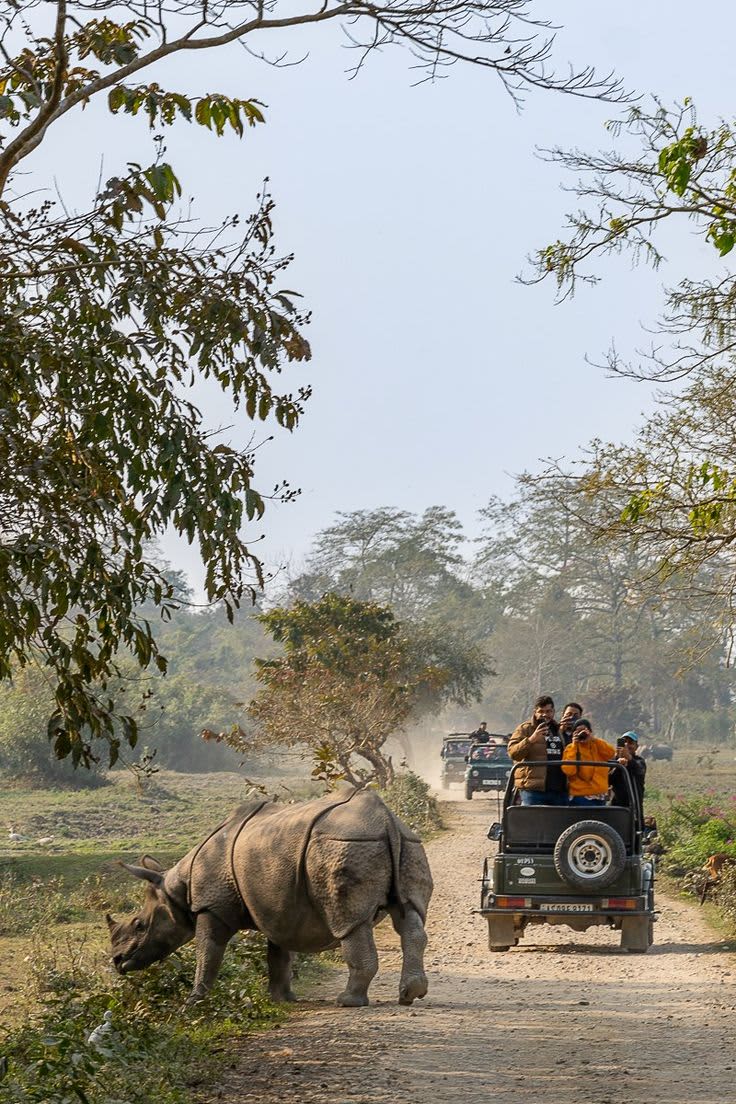
Kaziranga National Park
→Kaziranga National Park, a UNESCO World Heritage Site in Assam, is the world's most important refuge for the endangered one-horned rhinoceros, sheltering more than two-thirds of the global population. The park's floodplain landscape of tall elephant grass, dense forests, and wetlands along the Brahmaputra River also supports the world's highest density of tigers, along with wild water buffalo, swamp deer, elephants, and thousands of migratory birds. Jeep and elephant safaris through Kaziranga offer an unparalleled wildlife experience in one of India's most biodiverse ecosystems.
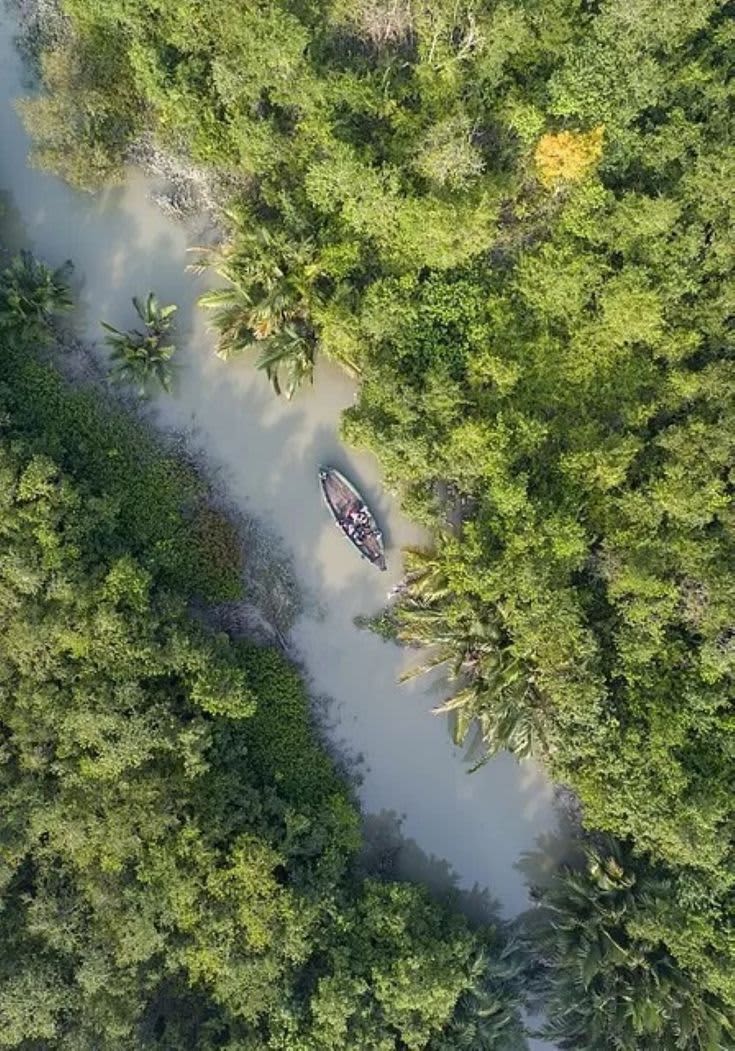
Sundarbans
→The Sundarbans, a UNESCO World Heritage Site and the world's largest mangrove delta shared between India and Bangladesh, is one of the most unique and mysterious wildlife habitats on earth. Home to the Bengal tiger — uniquely adapted to swimming between islands — as well as saltwater crocodiles, Irrawaddy dolphins, and the endangered Gangetic dolphin, the Sundarbans is a biodiversity hotspot unlike any other. Boat safaris through the labyrinthine network of tidal creeks and mangrove channels in the West Bengal delta offer an eerie, exhilarating, and deeply memorable wildlife experience.
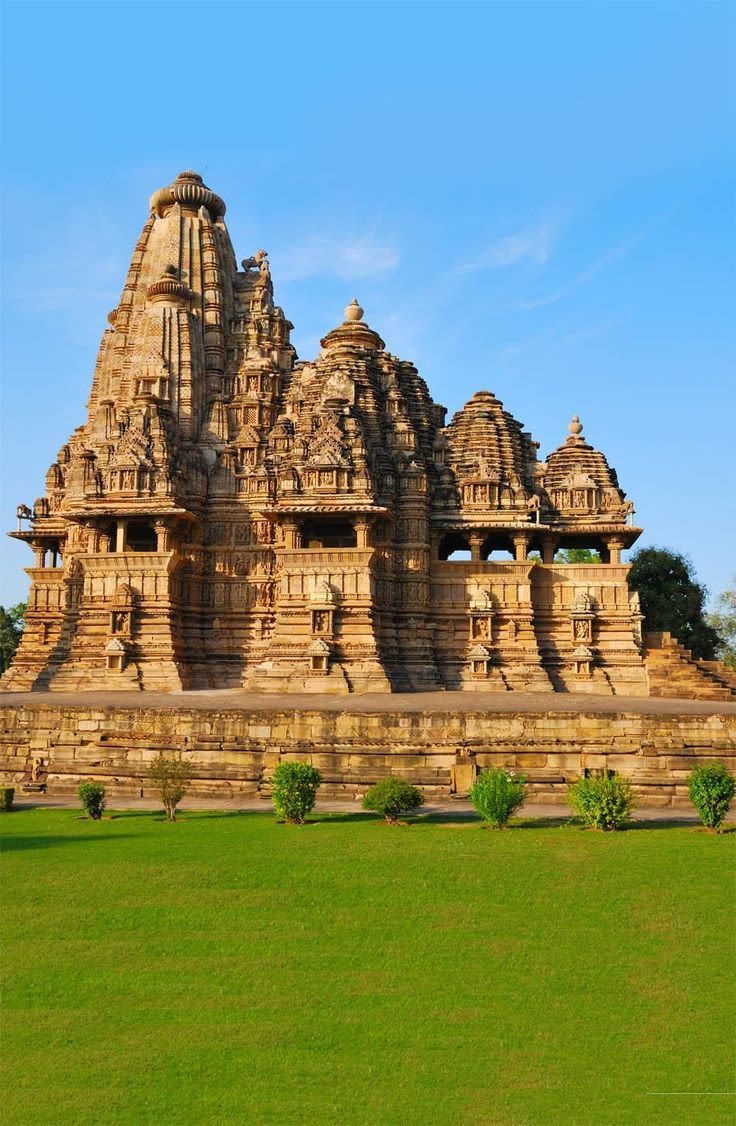
Khajuraho
→Khajuraho, a small town in Madhya Pradesh, is home to one of India's most extraordinary UNESCO World Heritage Sites — a group of medieval Hindu and Jain temples built by the Chandela dynasty between 950 and 1050 CE, celebrated worldwide for their exquisite erotic sculptures that represent only a fraction of the temples' vast iconographic program. The three temple complexes — Western, Eastern, and Southern — contain 20 surviving temples of the original 85, each a masterpiece of Nagara-style architecture adorned with thousands of meticulously carved figures depicting every aspect of human life, divine beings, and erotic union. The annual Khajuraho Dance Festival held in front of the illuminated temple facades is a cultural highlight of India's classical arts calendar.
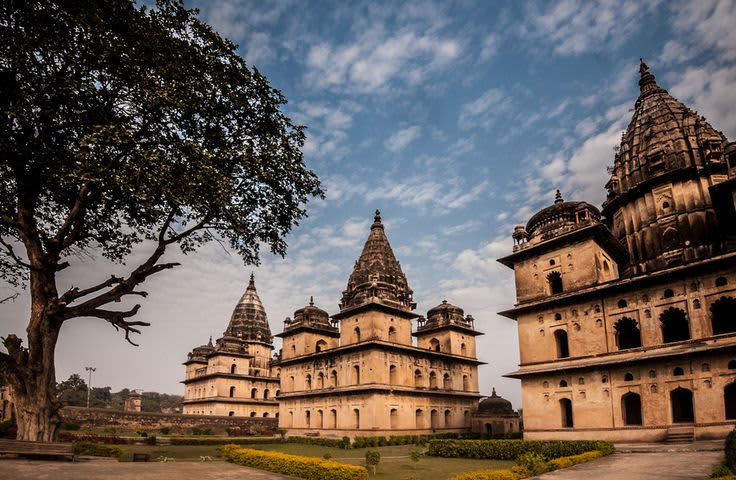
Orchha
→Orchha, a small medieval town on the Betwa River in Madhya Pradesh, is one of India's most underrated historical gems — a perfectly preserved Bundela-era capital of palaces, cenotaphs, and temples that appear frozen in time since the 16th and 17th centuries. The Jahangir Mahal palace, built to honor the Mughal Emperor's visit, is a breathtaking example of Mughal-Rajput architecture, while the Ram Raja Temple — the only temple in India where Lord Rama is worshipped as a king — is an extraordinary religious and cultural anomaly. Orchha's chaturbhuj temples rising above the Betwa River, the evening light-and-sound show at the palace complex, and the vultures nesting in the riverside cenotaphs create an atmosphere of remarkable historical enchantment.
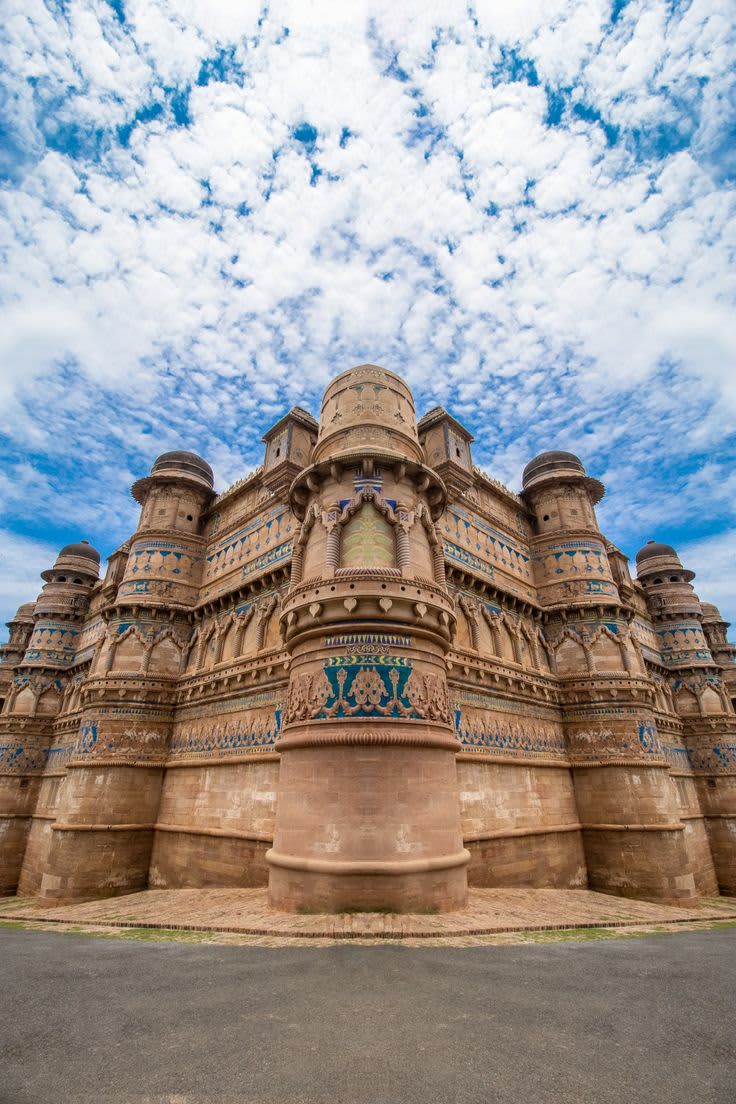
Gwalior
→Gwalior, in Madhya Pradesh, is dominated by one of India's most spectacular forts — the Gwalior Fort, rising 100 meters on a rocky hill above the city, described by the Mughal Emperor Babur as the pearl among fortresses of Hind. The fort complex encompasses palaces including the magnificent Man Mandir Palace with its brilliant tile work, Jain rock-cut sculptures, temples, and water tanks spanning over a thousand years of architectural history. The city also celebrates its deep musical heritage as the birthplace of the Gwalior Gharana, one of the most prestigious classical music traditions in Hindustani music, through the Tansen Music Festival held each November.