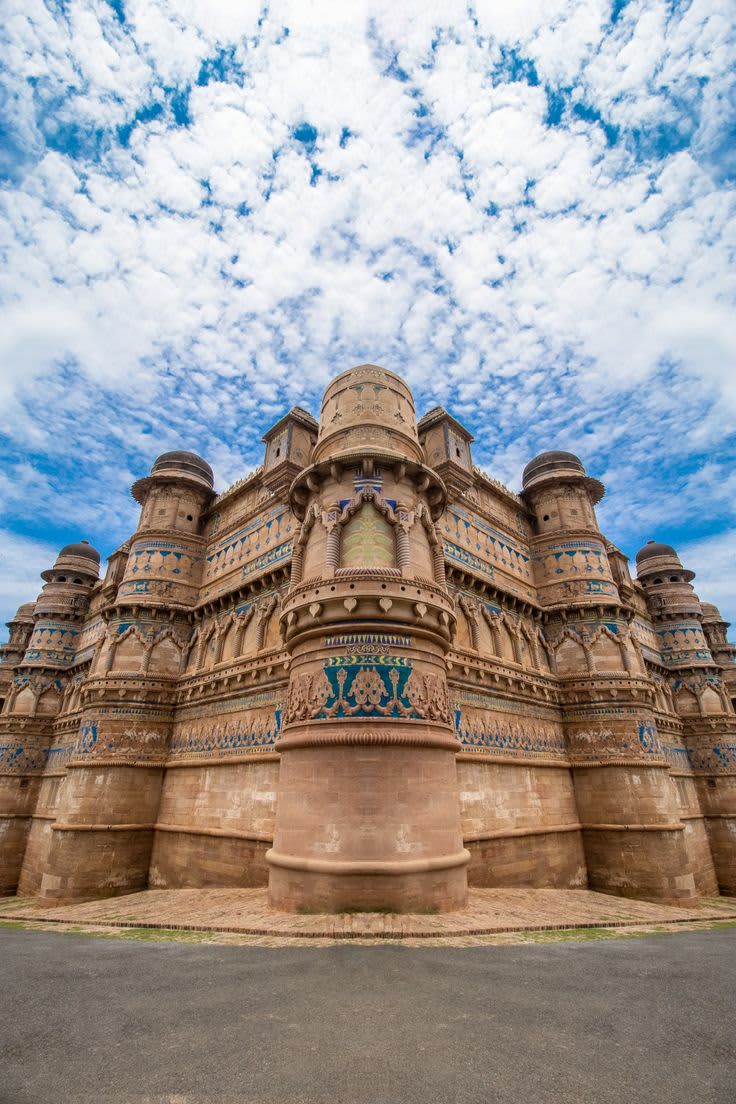
Gwalior, in Madhya Pradesh, is dominated by one of India's most spectacular forts — the Gwalior Fort, rising 100 meters on a rocky hill above the city, described by the Mughal Emperor Babur as the pea...
Gwalior
The Gibraltar of India
Madhya Pradesh, India
4.6
Gwalior FortPalacesMusic Heritage
heritage
Duration: 1–2 Days
Budget/day: ₹1,000 – ₹3,500
Best season: Oct – Mar
Altitude: 197 m
Nearest airport: Rajmata Vijayaraje Scindia Air Terminal, Gwalior (within city, 12 km)
Nearest railway: Gwalior Railway Station (city centre)
Best places to visit in Gwalior


Things to do in Gwalior
- No photoHistoricalView full guide
3–4 hours
Gwalior Fort Exploration
Step inside one of India's most unconquerable hilltop forts — Gwalior Fort — spread across a dramatic sandstone plateau rising nearly 100 metres above the city. Walk through the Teli Ka Mandir, Man Mandir Palace, and the carved Jain sculptures at Gopachal to understand why this fort has been called the 'Pearl among fortresses in India'. Every stone here holds a thousand years of Rajput, Mughal, and Maratha history.
- No photoCulturalView full guide
1 hour
Gwalior Fort Sound & Light Show
As the sun dips below the horizon, Gwalior Fort transforms into a dramatic open-air theatre. The Sound & Light Show narrates 1,000 years of Gwalior's turbulent past — from Mihiragula the Hun to Rani Lakshmibai — through stunning projections on the ancient palace walls. The combination of crisp storytelling, atmospheric music, and illuminated sandstone architecture makes this an unmissable evening experience for history lovers.
- No photoHeritageView full guide
1.5–2 hours
Jai Vilas Palace & Museum Visit
The Jai Vilas Palace is Gwalior's answer to Versailles — a stunning 19th-century Indo-European palace built by Maharaja Jayajirao Scindia. The museum inside displays the Scindia family's extraordinary collection: Venetian chandeliers that took 10,000 men to hang, a solid silver toy train that served food during royal banquets, vintage carriages, and rare artefacts that paint a vivid picture of Gwalior's royal lifestyle.
Best Time to Visit and Weather Info
Best time: October to March
Summer is very hot — 45°C+. The Tansen Music Festival (November–December) is the cultural highlight of the year.
Winter
Best Time ⭐Oct – Mar
8°C – 28°C
Comfortable weather for exploring Gwalior Fort (one of India's finest) and the Scindia heritage. The Tansen Music Festival (November–December) is a major classical music event.
- Gwalior Fort is massive — hire a guide for context
- The Tansen Music Festival celebrates the legacy of Akbar's court musician Tansen
How to Reach
✈️By Air
Airport: Rajmata Vijayaraje Scindia Air Terminal, Gwalior (12 km from city centre)
Duration: ~30 mins
Direct flights from Delhi and Mumbai.
Taxi: ₹300 – ₹600
Airlines: IndiGo, Air India
🚂By Train
Station: Gwalior Railway Station
Excellent connectivity on the Delhi–Mumbai mainline. Shatabdi and Rajdhani express trains stop here.
- Shatabdi Express — Delhi (Hazrat Nizamuddin) (~3.5 hrs)
- Punjab Mail — Mumbai (~17 hrs)
🚌By Road
NH-44 (the longest National Highway) passes through Gwalior. MP Tourism and private buses connect to Agra and Delhi.
- Agra: 120 km, 2.5 hrs via NH-44
- Delhi: 325 km, 5–6 hrs via NH-44 via Agra
- Jhansi: 100 km, 2 hrs via NH-44
- Orchha: 120 km, 2.5 hrs via Jhansi
Local Food
Gwalior's food is central North Indian — influenced by Maratha (Scindia) court traditions and the hearty Gwalior region's agricultural produce.
Gajak
Sesame and jaggery brittle — Gwalior is particularly famous for this winter sweet, made in multiple varieties.
Where: Sweet shops throughout Gwalior, especially near the fort
₹150 – ₹400 per kg
Bedai Poori
Lentil-stuffed crispy fried bread with spiced potato curry — Gwalior's favourite breakfast.
Where: Dhabas near Phool Bagh and Lashkar area
₹50 – ₹100
Daal Bafla
MP's signature dish — wheat dough balls baked in ghee with five-lentil dal.
Where: Local restaurants in Gwalior
₹120 – ₹200
Jalebi
Hot fresh jalebis made right in front of you — crispy outside, syrupy inside.
Where: Halwai stalls near Sarafa Bazaar
₹80 – ₹200 per kg
Scindia Palace Cuisine
Jai Vilas Palace hotel restaurant serves Maratha-influenced royal cuisine — an upscale dining experience.
Where: Jai Vilas Palace Hotel restaurant
₹500 – ₹1,500 per person
Namkeen (Savoury Mix)
Gwalior has excellent local namkeen shops — crispy savoury snacks with regional spices.
Where: Shops near Gwalior Fort entrance
₹80 – ₹200 per 200g
Gwalior is famous for its sweets (particularly Gajak) and namkeen — both excellent souvenirs to take home.
FAQs
- Gwalior is famous for the magnificent Gwalior Fort (called the 'Gibraltar of India' by Emperor Babur), Jai Vilas Palace (Scindia royal home with a gold chandelier), Tansen's Tomb (legendary musician), and its rich classical music heritage.
Best Places Similar
Orchha
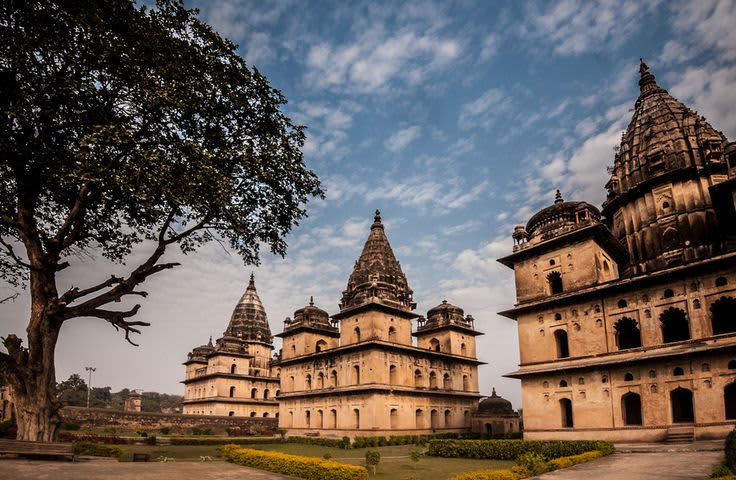
Orchha, a small medieval town on the Betwa River in Madhya Pradesh, is one of India's most underrated historical gems — a perfectly preserved Bundela-era capital of palaces, cenotaphs, and temples that appear frozen in time since the 16th and 17th centuries. The Jahangir Mahal palace, built to honor the Mughal Emperor's visit, is a breathtaking example of Mughal-Rajput architecture, while the Ram Raja Temple — the only temple in India where Lord Rama is worshipped as a king — is an extraordinary religious and cultural anomaly. Orchha's chaturbhuj temples rising above the Betwa River, the evening light-and-sound show at the palace complex, and the vultures nesting in the riverside cenotaphs create an atmosphere of remarkable historical enchantment.
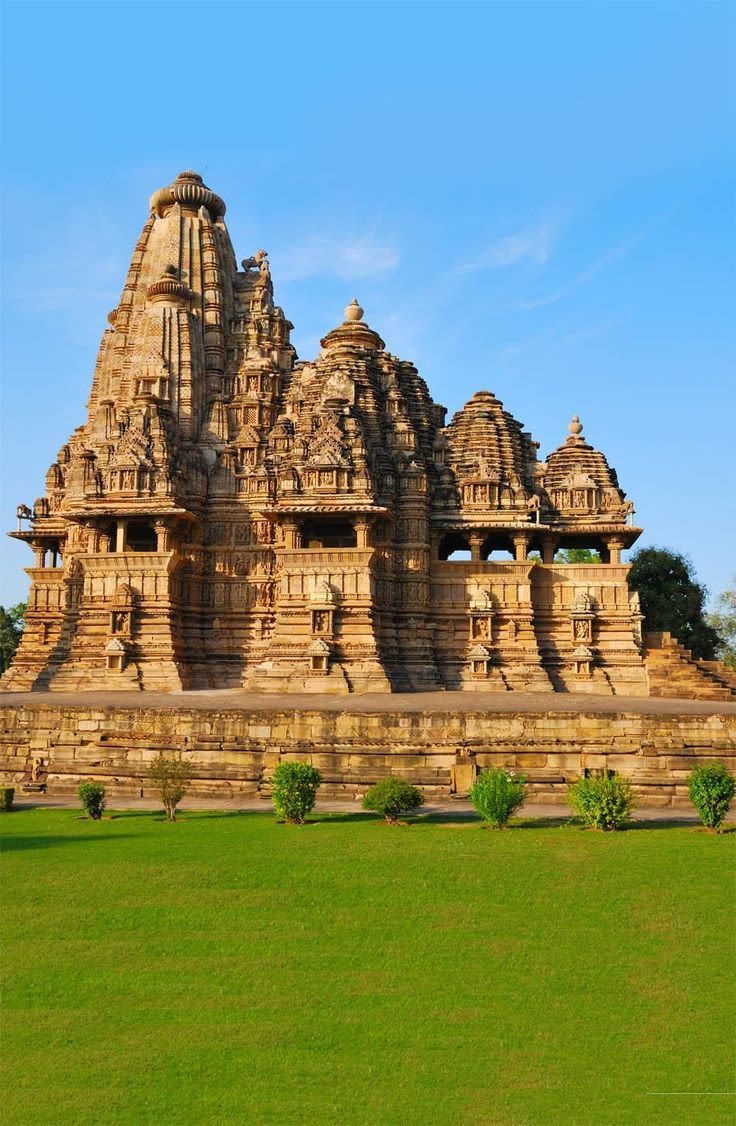
Khajuraho
Khajuraho, a small town in Madhya Pradesh, is home to one of India's most extraordinary UNESCO World Heritage Sites — a group of medieval Hindu and Jain temples built by the Chandela dynasty between 950 and 1050 CE, celebrated worldwide for their exquisite erotic sculptures that represent only a fraction of the temples' vast iconographic program. The three temple complexes — Western, Eastern, and Southern — contain 20 surviving temples of the original 85, each a masterpiece of Nagara-style architecture adorned with thousands of meticulously carved figures depicting every aspect of human life, divine beings, and erotic union. The annual Khajuraho Dance Festival held in front of the illuminated temple facades is a cultural highlight of India's classical arts calendar.
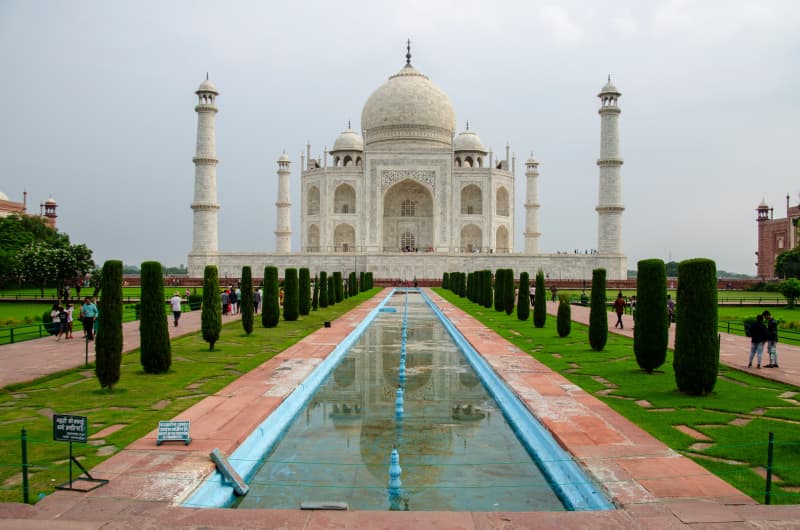
Agra
Agra, situated on the banks of the Yamuna River in Uttar Pradesh, is home to the Taj Mahal — one of the Seven Wonders of the World and perhaps the most celebrated monument to love ever built — attracting millions of visitors each year with its transcendent marble beauty at sunrise and sunset. The city also shelters the magnificent Agra Fort, a UNESCO World Heritage Site, and the deserted imperial city of Fatehpur Sikri nearby. Together these sites make Agra the crown jewel of India's Golden Triangle tourist circuit and a non-negotiable stop on any visit to the Indian subcontinent.
Nearby destinations
Orchha
107 km · Orchha, a small medieval town on the Betwa River in Madhya Pradesh, is one of India's most underrated historical gems — a perfectly preserved Bundela-era capital of palaces, cenotaphs, and temples that appear frozen in time since the 16th and 17th centuries. The Jahangir Mahal palace, built to honor the Mughal Emperor's visit, is a breathtaking example of Mughal-Rajput architecture, while the Ram Raja Temple — the only temple in India where Lord Rama is worshipped as a king — is an extraordinary religious and cultural anomaly. Orchha's chaturbhuj temples rising above the Betwa River, the evening light-and-sound show at the palace complex, and the vultures nesting in the riverside cenotaphs create an atmosphere of remarkable historical enchantment.
Agra
108 km · Agra, situated on the banks of the Yamuna River in Uttar Pradesh, is home to the Taj Mahal — one of the Seven Wonders of the World and perhaps the most celebrated monument to love ever built — attracting millions of visitors each year with its transcendent marble beauty at sunrise and sunset. The city also shelters the magnificent Agra Fort, a UNESCO World Heritage Site, and the deserted imperial city of Fatehpur Sikri nearby. Together these sites make Agra the crown jewel of India's Golden Triangle tourist circuit and a non-negotiable stop on any visit to the Indian subcontinent.
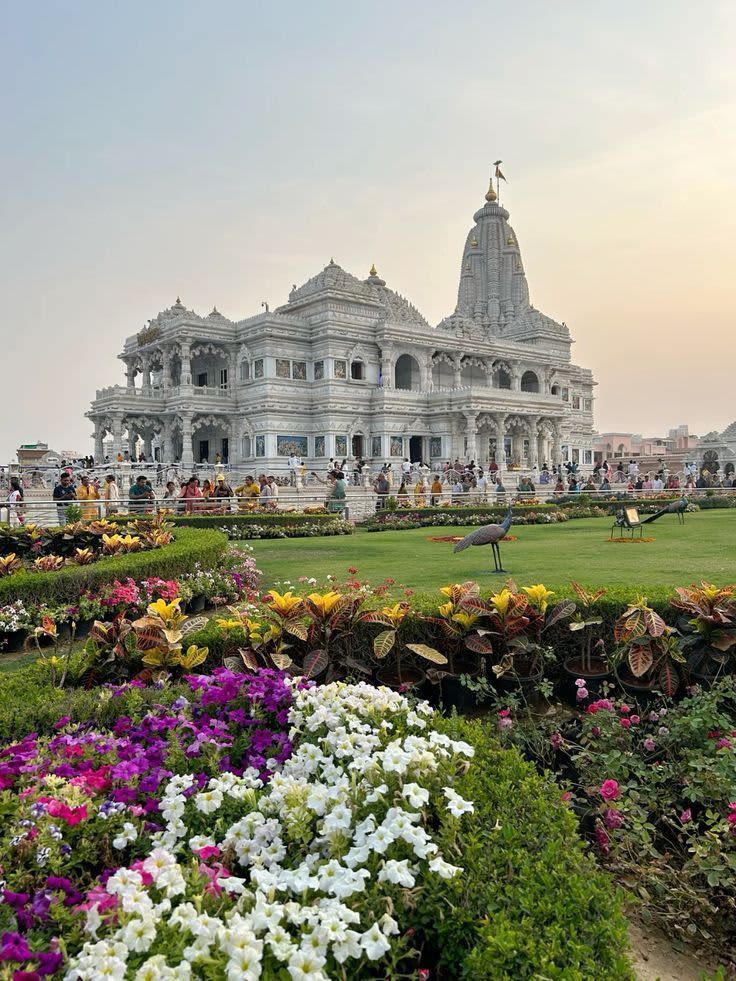
Mathura
150 km · Mathura, situated on the western bank of the Yamuna River in Uttar Pradesh, is one of Hinduism's most sacred cities and the birthplace of Lord Krishna — the beloved deity whose life and teachings form the foundation of the Bhagavad Gita. The city's Krishna Janmabhoomi temple complex marks the exact spot of Krishna's birth, while the ghats along the Yamuna, the Dwarkadhish Temple, and dozens of ancient temples make Mathura a vibrant center of Vaishnava devotion. The Holi festival celebrated in Mathura and nearby Vrindavan is one of India's most ecstatic and visually spectacular events, drawing visitors from across the globe.