Things to do in Gwalior
Things to do in Gwalior
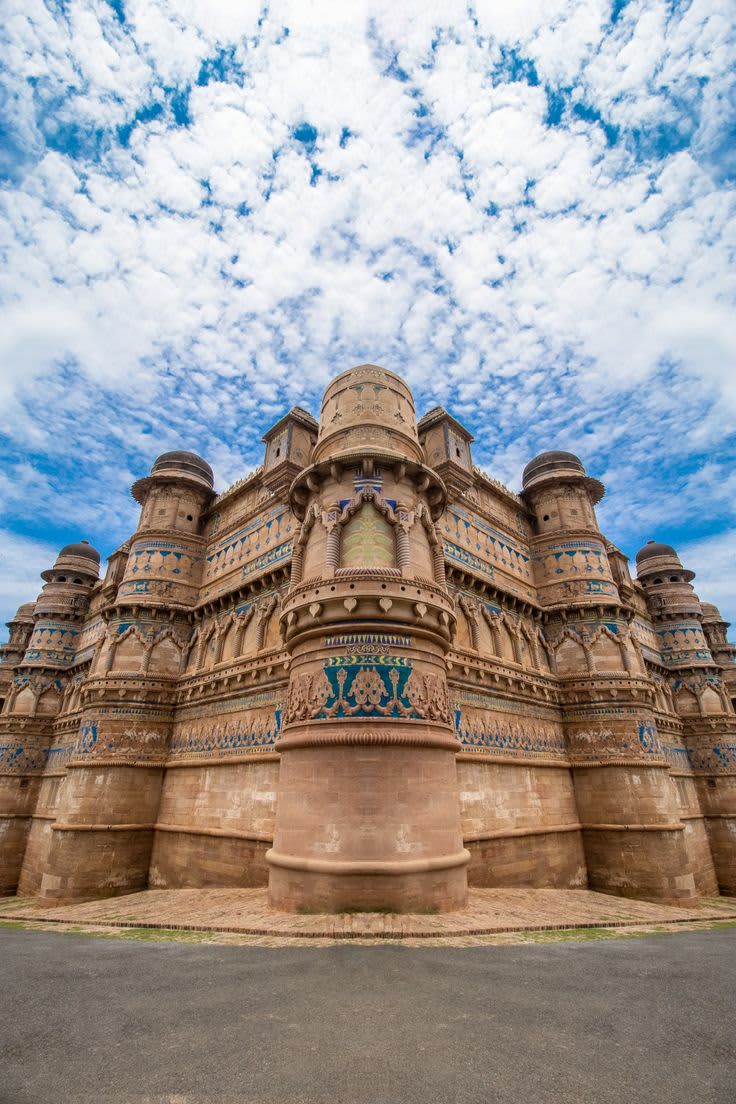
Gwalior, in Madhya Pradesh, is dominated by one of India's most spectacular forts — the Gwalior Fort, rising 100 meters on a rocky hill above the city, described by the Mughal Emperor Babur as the pearl among fortresses of Hind. The fort complex encompasses palaces including the magnificent Man Mandir Palace with its brilliant tile work, Jain rock-cut sculptures, temples, and water tanks spanning over a thousand years of architectural history. The city also celebrates its deep musical heritage as the birthplace of the Gwalior Gharana, one of the most prestigious classical music traditions in Hindustani music, through the Tansen Music Festival held each November.
- No photoHistoricalView full guide
3–4 hours
Gwalior Fort Exploration
Step inside one of India's most unconquerable hilltop forts — Gwalior Fort — spread across a dramatic sandstone plateau rising nearly 100 metres above the city. Walk through the Teli Ka Mandir, Man Mandir Palace, and the carved Jain sculptures at Gopachal to understand why this fort has been called the 'Pearl among fortresses in India'. Every stone here holds a thousand years of Rajput, Mughal, and Maratha history.
- No photoCulturalView full guide
1 hour
Gwalior Fort Sound & Light Show
As the sun dips below the horizon, Gwalior Fort transforms into a dramatic open-air theatre. The Sound & Light Show narrates 1,000 years of Gwalior's turbulent past — from Mihiragula the Hun to Rani Lakshmibai — through stunning projections on the ancient palace walls. The combination of crisp storytelling, atmospheric music, and illuminated sandstone architecture makes this an unmissable evening experience for history lovers.
- No photoHeritageView full guide
1.5–2 hours
Jai Vilas Palace & Museum Visit
The Jai Vilas Palace is Gwalior's answer to Versailles — a stunning 19th-century Indo-European palace built by Maharaja Jayajirao Scindia. The museum inside displays the Scindia family's extraordinary collection: Venetian chandeliers that took 10,000 men to hang, a solid silver toy train that served food during royal banquets, vintage carriages, and rare artefacts that paint a vivid picture of Gwalior's royal lifestyle.
- No photoCultural / FestivalView full guide
3–5 hours per evening
Tansen Music Festival Experience
Every November–December, Gwalior hosts the legendary Tansen Samaroh — one of India's oldest and most prestigious classical music festivals held at the tomb of Miyan Tansen, the immortal court musician of Emperor Akbar. Artists from across the country perform through the night under the stars in a setting that feels almost sacred. If your travel dates align, attending even one night of this festival is a genuinely once-in-a-lifetime cultural experience.
- No photoHeritage / SpiritualView full guide
1–1.5 hours
Gopachal Jain Rock Sculptures Trail
Carved directly into the rocky face of Gwalior Hill between the 7th and 15th centuries, the Gopachal Jain sculptures are one of Central India's best-kept secrets. Over 1,500 Jain Tirthankara figures — some standing over 17 metres tall — are hewn from the sandstone cliffs in extraordinary detail. Walking through this open-air gallery of rock-cut art feels meditative, uncrowded, and completely unlike any typical tourist trail.