Places to visit near Diu
Places to visit near Diu
Diu, a small island Union Territory connected to Gujarat's southern coast by two bridges, is one of India's hidden coastal gems — a quiet, charming destination with gorgeous beaches, a magnificent Portuguese fort, colonial churches, and a distinctly Mediterranean atmosphere entirely different from the rest of Gujarat. The imposing Diu Fort on the southeastern tip of the island, the pristine Nagoa Beach lined with hoka palms, and the beautiful Church of St. Paul with its impressive baroque facade are the island's highlights. Diu's relaxed pace, excellent seafood, and status as one of India's least crowded beach destinations make it an ideal escape for those seeking a peaceful coastal retreat.
50 km
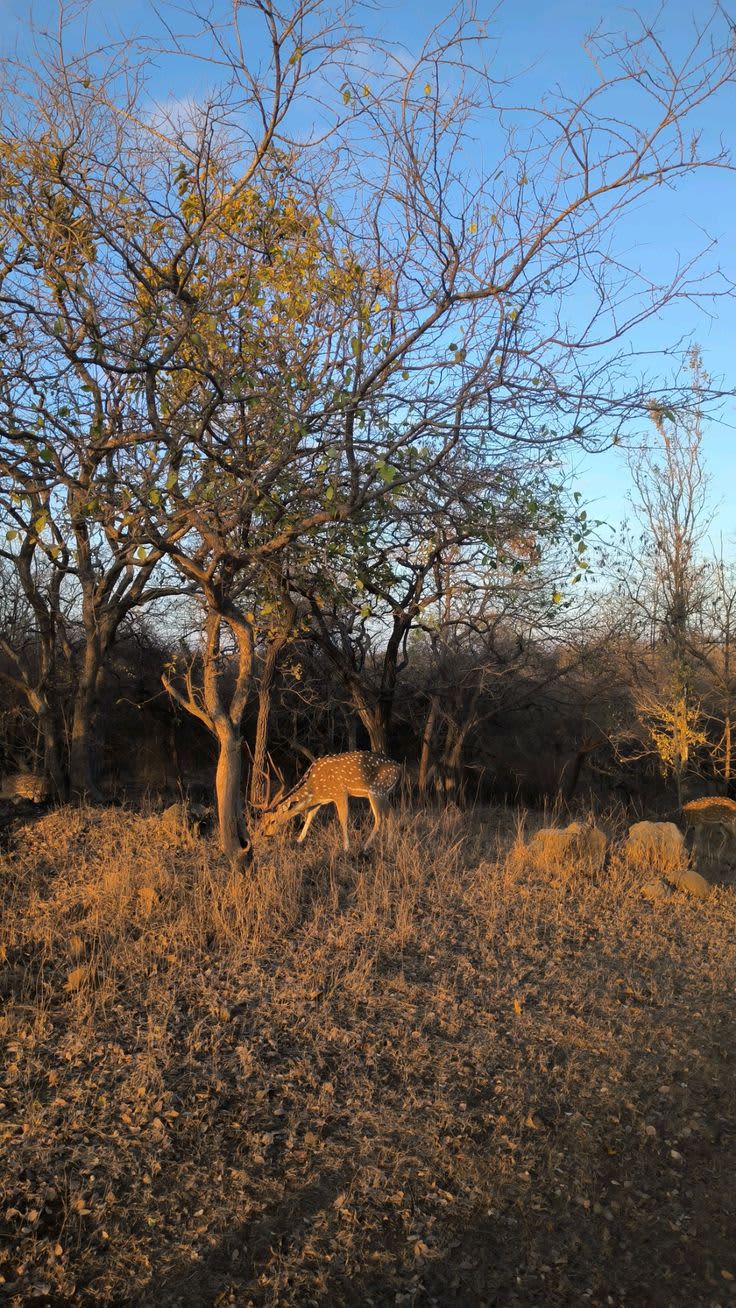
Gir National Park
→Gir National Park and Wildlife Sanctuary in Gujarat is the last wild refuge of the majestic Asiatic lion, a subspecies once on the brink of extinction that has made a remarkable comeback thanks to dedicated conservation efforts. Covering over 1,400 square kilometers of dry deciduous forest, scrubland, and grassland in the Saurashtra region, Gir also harbors leopards, hyenas, jackals, and over 300 bird species. Guided jeep safaris through the forest offer genuinely exciting encounters with the regal Asiatic lion and the rich biodiversity of this unique protected area.
64 km
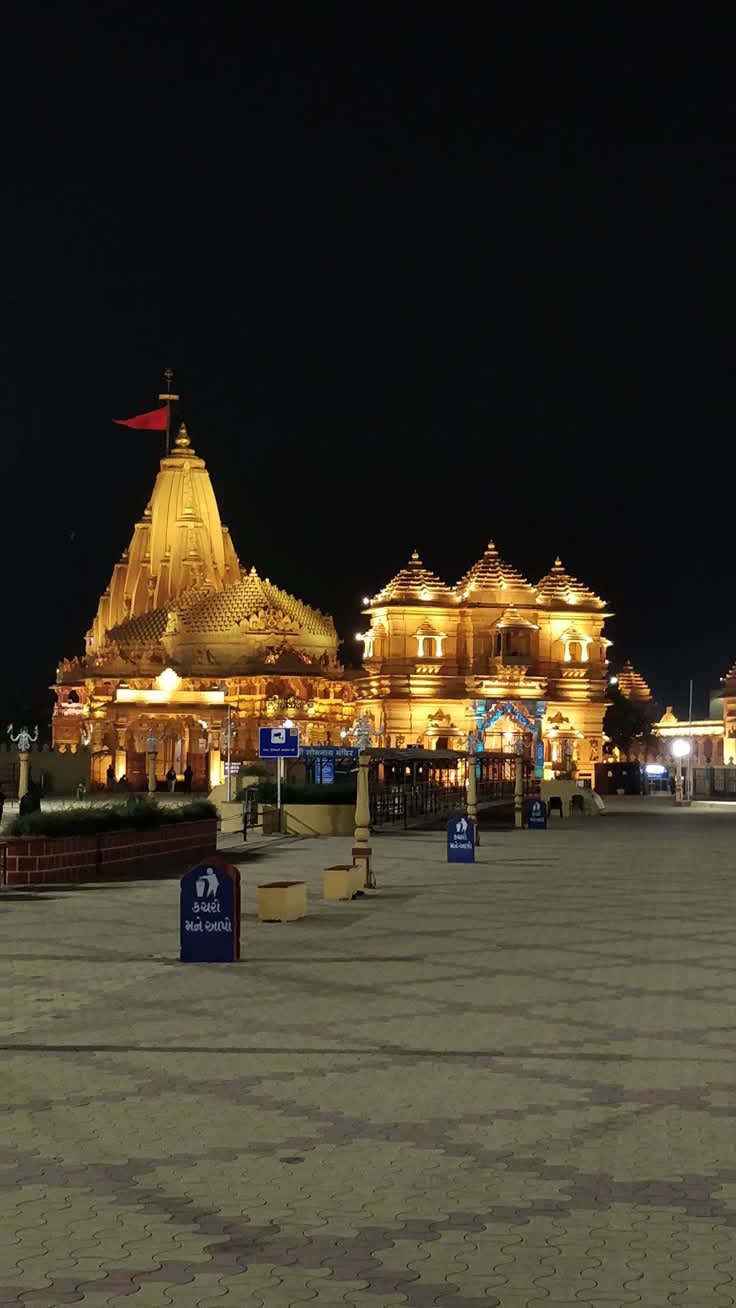
Somnath
→Somnath, on the southern coast of Gujarat's Saurashtra region, is home to the Somnath Temple — the first and most sacred of the twelve Jyotirlingas of Lord Shiva and one of the most revered pilgrimage sites in all of Hinduism. The current magnificent temple, rebuilt for the seventh time after repeated historical destruction, stands proudly on the shores of the Arabian Sea in what is described in ancient texts as the eternal Prabhasa Tirth. The sea-facing location, the nightly sound-and-light show narrating the temple's turbulent history, and the proximity to Gir Forest make Somnath a compelling destination for pilgrims and history lovers alike.
195 km
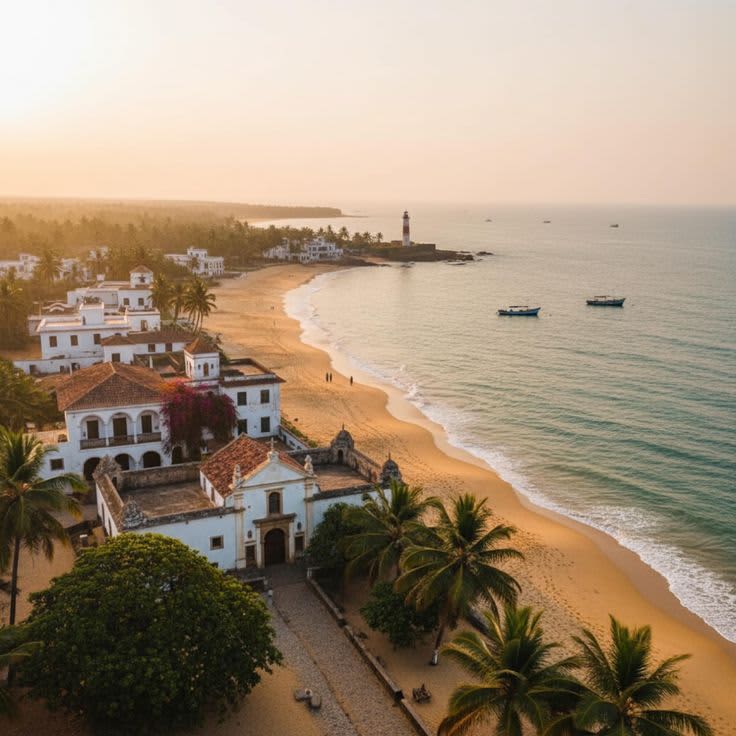
Daman
→Daman, a Union Territory on India's western coast north of Mumbai, is a compact beach destination with a distinctive Portuguese colonial heritage visible in its old churches, forts, and cobbled streets. The Moti Daman Fort and Nani Daman Fort, both well-preserved Portuguese bastions from the 16th century, flank the Damanganga River mouth and reflect Daman's four centuries of Portuguese rule before independence in 1961. The relatively uncrowded Jampore and Devka beaches, the Church of Bom Jesus, and the duty-free liquor policy that makes Daman popular with visitors from neighboring dry state Gujarat add to the town's laid-back beach holiday appeal.
269 km
Dwarka
→Dwarka, located on the western tip of Gujarat's Saurashtra coast, is one of the seven sacred pilgrimage cities (Sapta Puri) in Hinduism and the legendary kingdom of Lord Krishna, making it one of the most revered destinations for Vaishnava devotees. The magnificent Dwarkadhish Temple, rising five stories and topped with a 78.3-meter high flag, stands majestically near the Arabian Sea and is the spiritual centerpiece of the town. Archaeological excavations have revealed submerged structures offshore that some researchers associate with the mythological sunken city of Dwarka, adding a fascinating layer of mystery to this ancient pilgrimage destination.
269 km
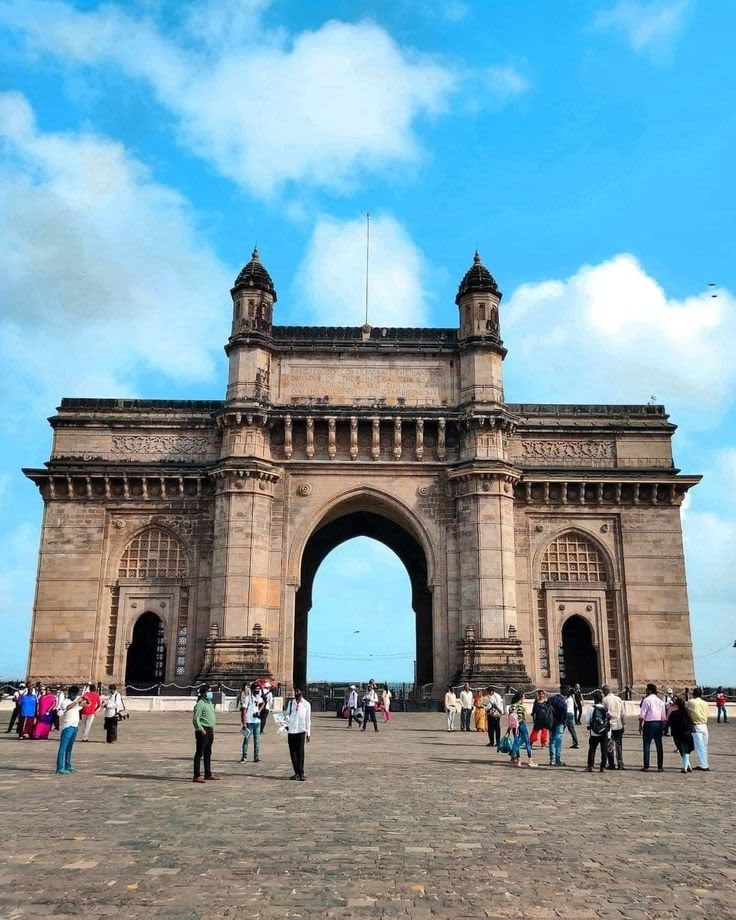
Mumbai
→Mumbai, India's Maximum City and financial capital, is a teeming, dynamic metropolis of 20 million people where Bollywood glamour, colonial grandeur, cutting-edge fashion, and ancient fishing villages all collide in an exhilarating urban tapestry unlike anywhere else on earth. The iconic Gateway of India overlooking the Arabian Sea, the UNESCO-listed Chhatrapati Shivaji Maharaj Terminus railway station, and the elegant promenade of Marine Drive are symbols of Mumbai's unique civic pride. From the street food heaven of Mohammed Ali Road and Juhu Beach to the art deco architecture of Oval Maidan and the vibrant gallery scene of Colaba, Mumbai is a city that rewards every type of curious traveler.
279 km
Trimbakeshwar
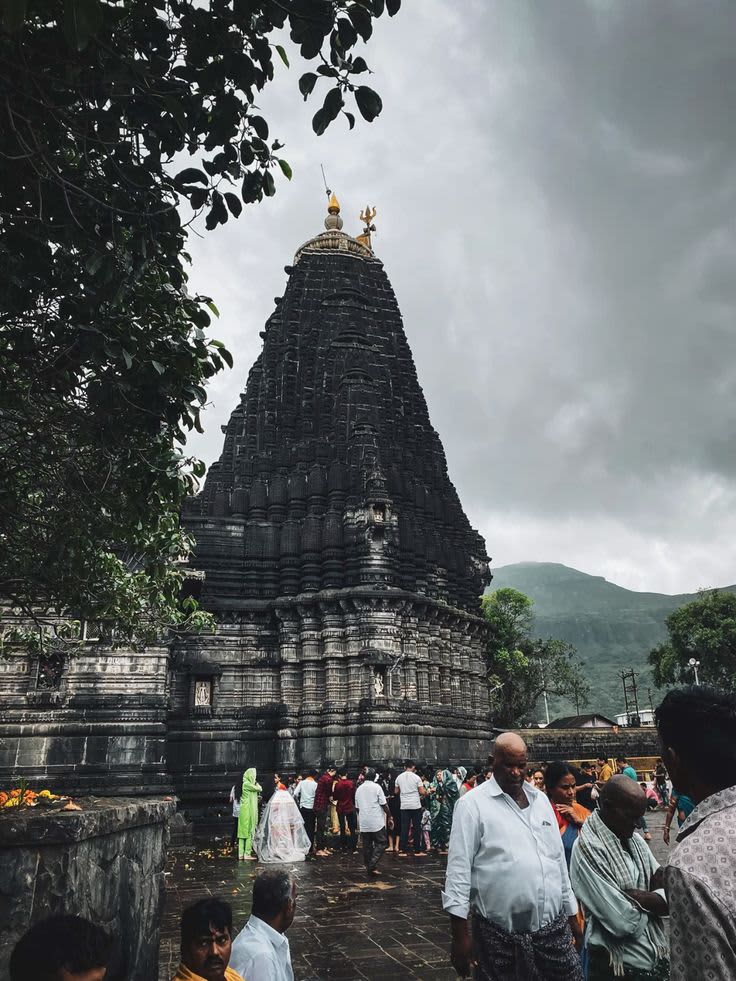
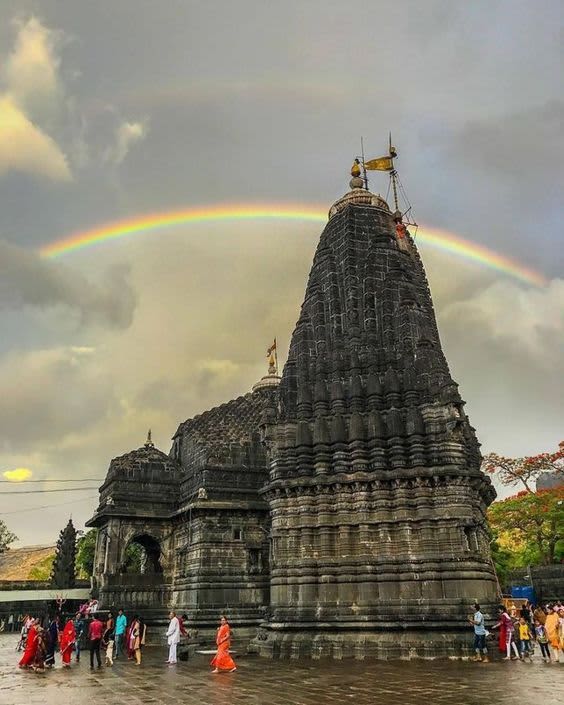
→Trimbakeshwar, situated at the source of the sacred Godavari River near Nashik in Maharashtra, is one of the twelve Jyotirlingas — the most sacred shrines of Lord Shiva in Hinduism. The magnificent Trimbakeshwar Shiva Temple, built in the Hemadpanthi style of black stone, is unique in housing a Jyotirlinga with three faces representing Brahma, Vishnu, and Shiva. The temple town is also the starting point of the Brahmagiri mountain trek, from the summit of which the Godavari River originates, making it a deeply sacred and scenically beautiful pilgrimage destination.
303 km
Nashik
→Nashik, situated on the banks of the holy Godavari River in Maharashtra, is one of India's most important pilgrimage cities and one of the four sacred venues for the Kumbh Mela, the world's largest human gathering. The city is famous for its ghats along the Godavari, the Panchavati area associated with the Ramayana, and the ancient cave temples of Pandavleni. Nashik also sits at the heart of India's most celebrated wine country, the Sula Vineyards and surrounding wine region, making it a uniquely dual destination that appeals to both pilgrims and modern lifestyle travelers.
303 km
Alibaug
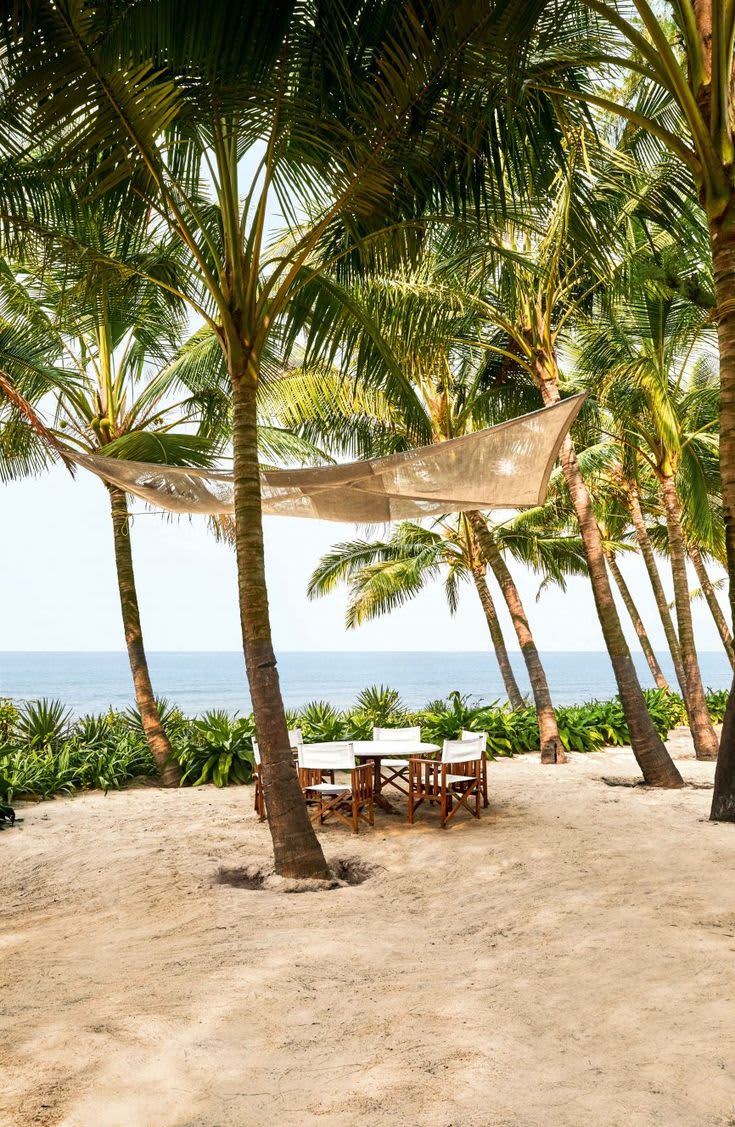
→Alibaug, a coastal town in Maharashtra's Raigad district just 100 kilometers south of Mumbai and accessible by a scenic ferry ride from the Gateway of India, is the preferred beach escape for Mumbaikars and is increasingly popular for its luxury beach resorts, water sports, and historic Maratha coastal forts. The Kulaba Fort rising dramatically from the sea near Alibaug beach, the beautiful Kashid Beach, and the forested hillsides of the Konkan coastline make Alibaug a scenic destination beyond its role as a city escape. The region's fresh seafood, particularly the Alibag seafood thali, and the lush Konkan landscape in monsoon make Alibaug particularly enchanting from June to September.
306 km
Matheran
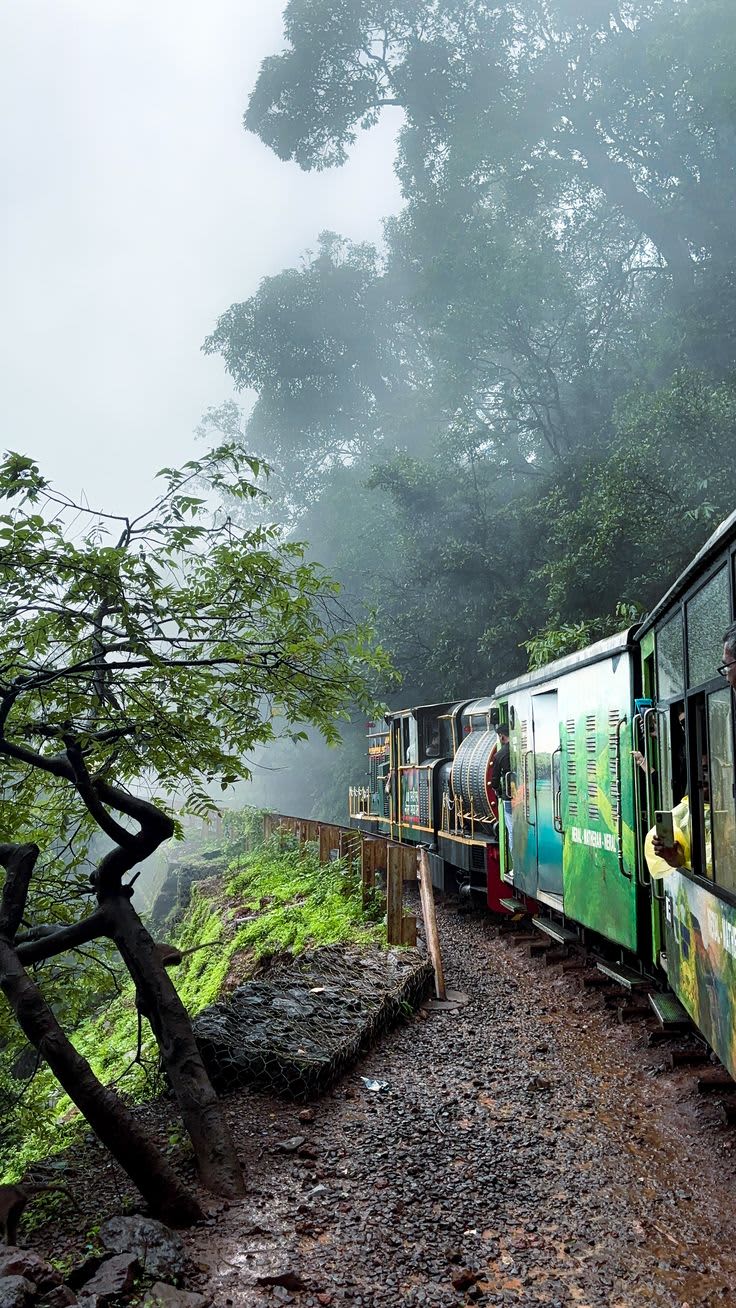
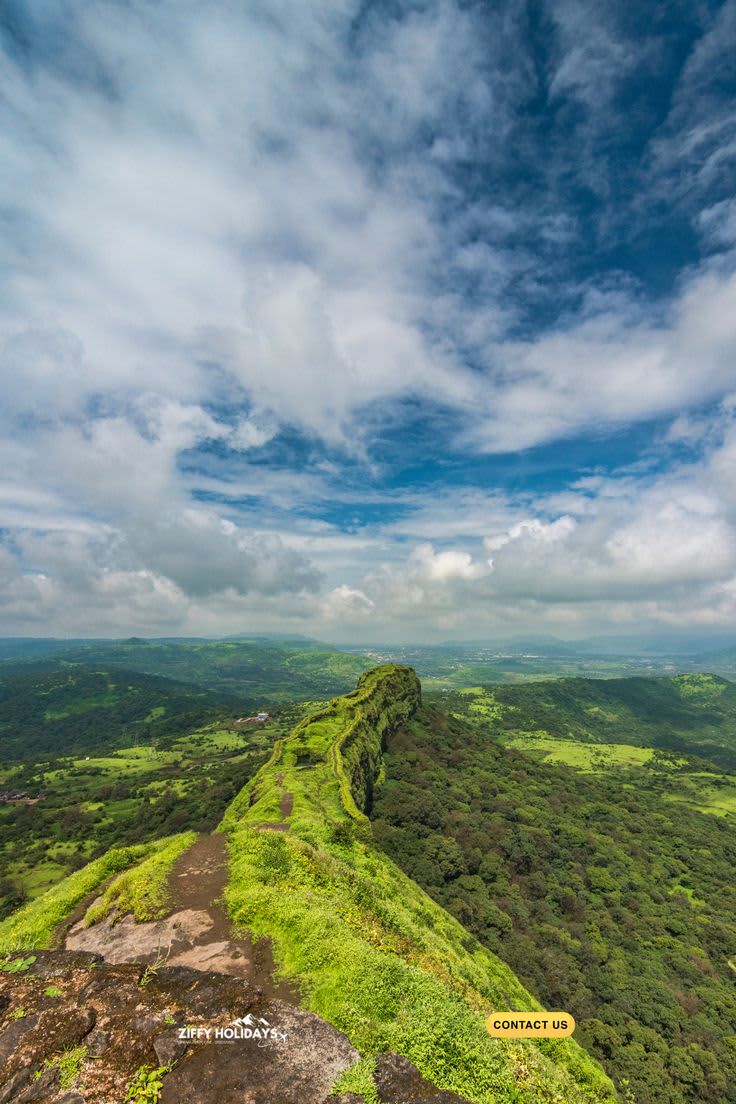
→Matheran, nestled in the Sahyadri Hills at 800 meters just 90 kilometers from Mumbai, holds the unique distinction of being Asia's only automobile-free hill station — a haven of absolute peace where the only sounds are birdsong, rustling leaves, and the charming whistle of the narrow-gauge toy train from Neral. The 38 viewpoints around the town, including Echo Point, Porcupine Point, and the One Tree Hill panorama, offer spectacular views of the Sahyadri valleys below, particularly magical during and after the monsoon. Matheran's car-free lanes, horse rides, red laterite paths through dense forests, and the heritage toy train journey make it a uniquely restorative escape from urban Maharashtra.
334 km
Lonavala
→Lonavala, a popular hill station in Maharashtra's Sahyadri range midway between Mumbai and Pune, is famous across Maharashtra for two things above all else: its spectacular monsoon waterfalls and the irresistible sticky chikki candy made from jaggery and nuts that is synonymous with the town. The Bhushi Dam, Kune Falls, and the dramatic Rajmachi Fort trek are the most beloved attractions, while the mysterious Karla and Bhaja rock-cut Buddhist caves dating back to the 2nd century BCE add surprising historical depth to what might otherwise be seen as a weekend getaway destination. Lonavala's proximity to Mumbai and Pune makes it perpetually popular, but its natural beauty rewards every visit.
