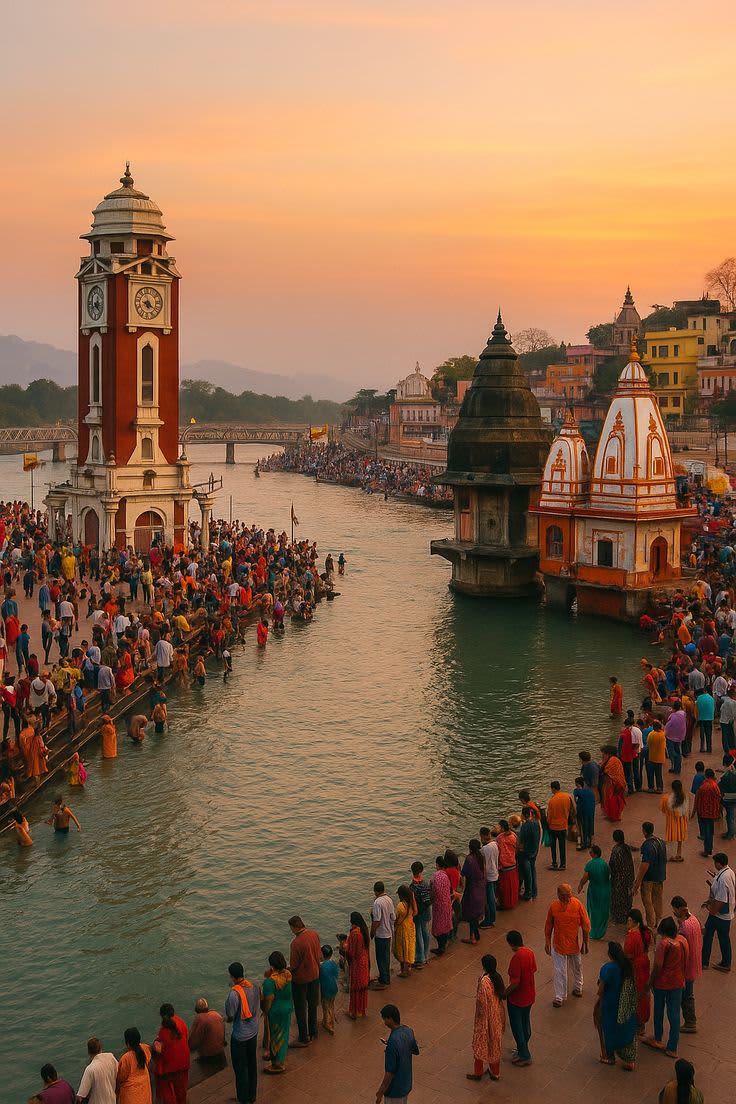
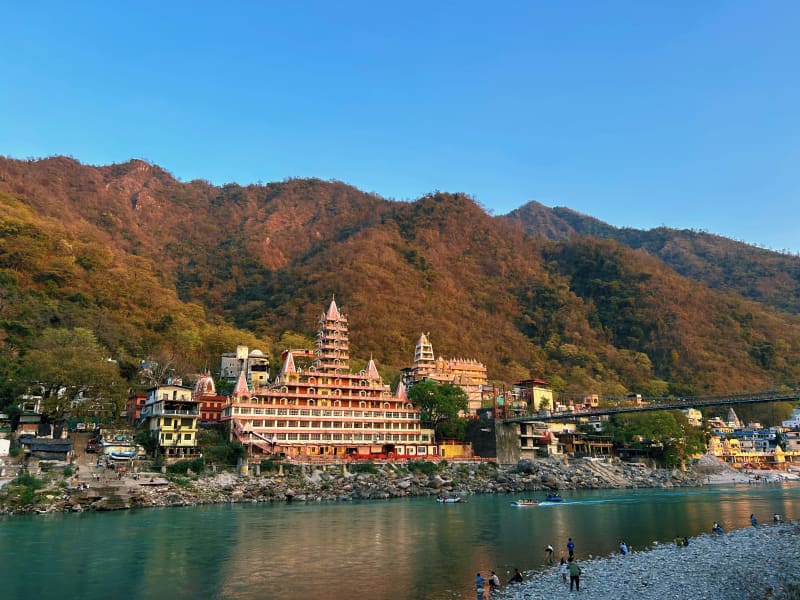
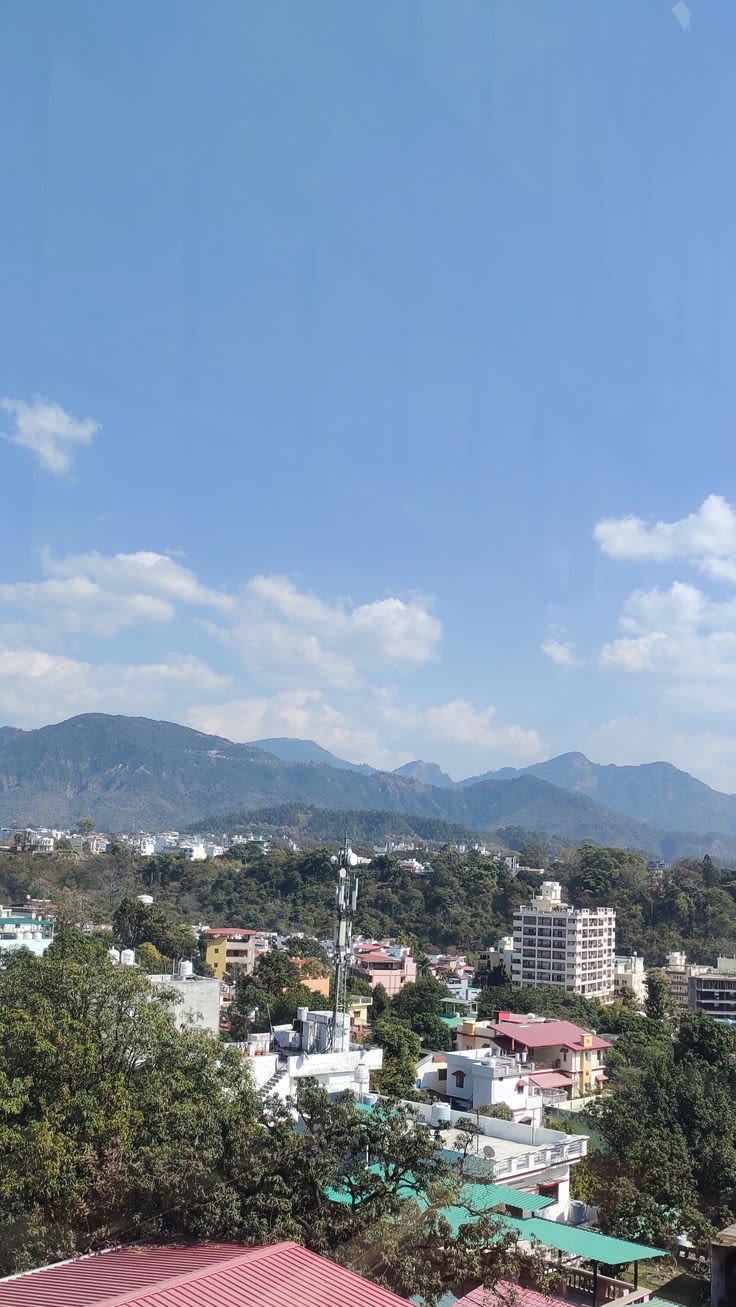
Chopta, often called the "Mini Switzerland of Uttarakhand," is a serene meadow destination in the Rudraprayag district at an altitude of 2,700 meters and one of the best-kept secrets of the Garhwal Hi...
Chopta
Mini Switzerland of Uttarakhand
Uttarakhand, India
4.8
Tungnath TempleChandrashila PeakDeoria Tal
hillStationtrek
Duration: 2–3 Days
Budget/day: ₹1,200 – ₹3,500
Best season: Mar – Jun & Oct – Nov
Altitude: 2,680 m
Nearest airport: Jolly Grant Airport, Dehradun (220 km)
Nearest railway: Rishikesh Railway Station (220 km)
Best places to visit in Chopta


Things to do in Chopta
- No photoTrekking / PilgrimageView full guide
5–6 hours (round trip from Chopta)
Tungnath – Chandrashila Trek
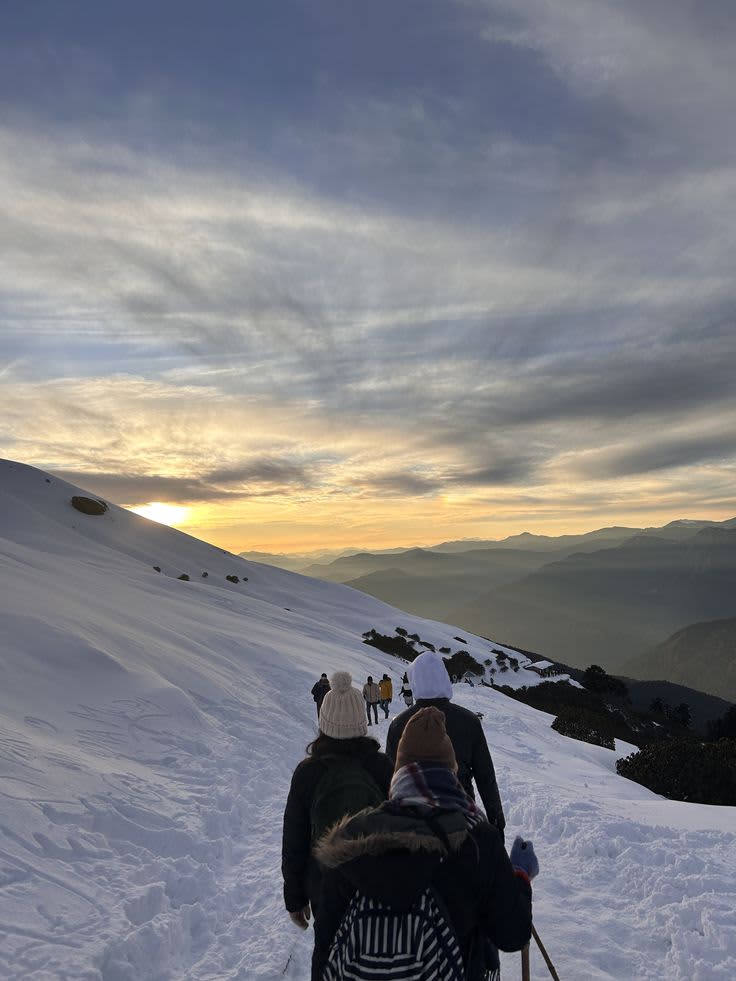
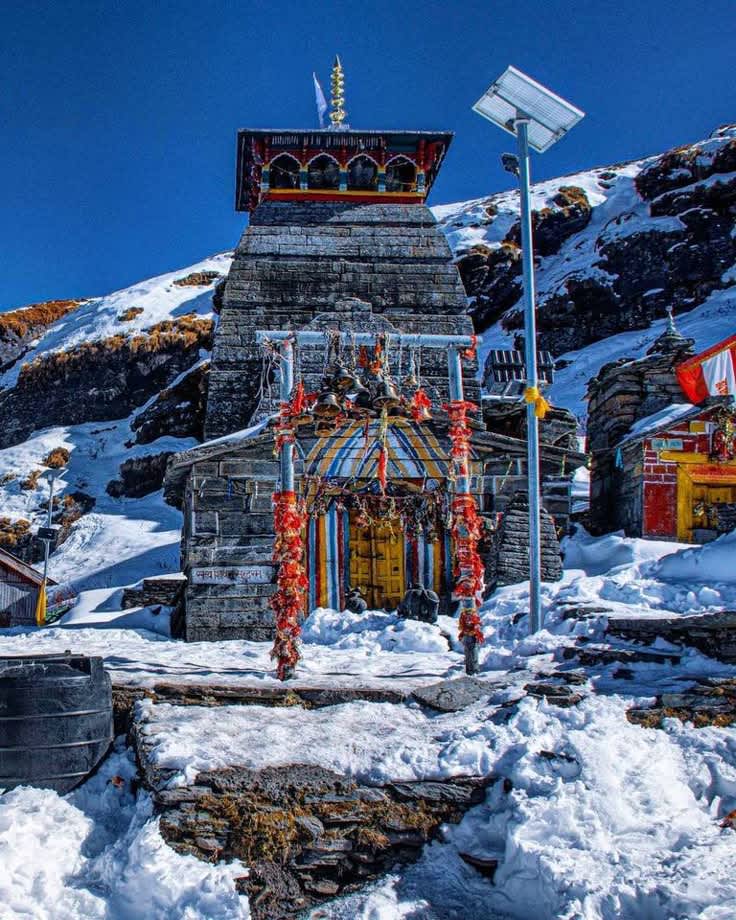
The Tungnath–Chandrashila trek is arguably the most rewarding short trek in Uttarakhand and one of the most beautiful in the entire Indian Himalayas. Tungnath at 3,680 metres is the highest Shiva temple in the world and the highest of the Panch Kedar shrines. The 1.5-km additional climb from Tungnath to Chandrashila summit (4,130 m) rewards with a 360-degree panorama of Kedar-Dome, Chaukhamba, Nanda Devi, Bandarpunch, and Kedarnath — one of the finest Himalayan vistas accessible on a day trek.
- No photoTrekking / NatureView full guide
3–4 hours (round trip from Sari)
Deoriatal Lake Trek
Deoriatal is a high-altitude lake at 2,438 metres that reflects the entire Chaukhamba massif in its glassy surface at dawn — creating one of the most famous mirror-reflection photographs in the Indian Himalayas. The 3-km hike from Sari village to the lake through rhododendron forest is accessible to almost all fitness levels and the sunrise reflection of the Garhwal peaks in the lake is a genuinely spine-tingling natural spectacle.
- No photoWildlife / BirdingView full guide
Half to full day
Birdwatching in Kedarnath Wildlife Sanctuary
Chopta lies within the Kedarnath Wildlife Sanctuary — the largest wildlife sanctuary in Uttarakhand and one of the finest birding habitats in the western Himalayas. The rhododendron, buransh, and oak forests around Chopta are home to the Himalayan Monal (Uttarakhand's state bird), Koklass Pheasant, Cheer Pheasant, and Khalij Pheasant along with dozens of woodpecker, warbler, and thrush species. It is one of the premier birdwatching destinations in India.
Best Time to Visit and Weather Info
Best time: March to June and October to November
Winter (December–February) brings heavy snowfall that blocks roads. Monsoon (July–September) makes the Tungnath trek slippery.
Summer
Best Time ⭐Mar – Jun
5°C – 20°C
Rhododendron forests bloom red and pink. Clear views of Trishul, Nanda Devi, and Chaukhamba. Tungnath is open.
- Trek to Tungnath temple (world's highest Shiva temple at 3,680 m) and Chandrashila summit
- Book campsites in advance for March–April
Autumn
Good 🟡Oct – Nov
2°C – 15°C
Post-monsoon crystal clarity. The Himalayan panorama is unobstructed. Forest turns golden. Light snowfall possible in November.
- Best Himalayan photography conditions
- Carry warm clothes — nights are cold
Winter
Avoid 🔴Dec – Feb
-10°C – 2°C
Chopta road is completely blocked by snow. The Tungnath temple is inaccessible. Extreme cold.
- Accessible only with experienced winter camping guides
- Snowshoe and snow camping expeditions are available for experts
How to Reach
✈️By Air
Airport: Jolly Grant Airport, Dehradun (220 km from Chopta)
Duration: ~7 hrs by road
Fly to Dehradun, then drive to Chopta via Ukhimath and Okhimath. The route goes through the Kedarnath wildlife corridor.
Taxi: ₹5,000 – ₹8,000 (Dehradun to Chopta)
Airlines: IndiGo, Air India, SpiceJet
🚂By Train
Station: Rishikesh Railway Station (220 km)
Train to Haridwar or Rishikesh, then shared jeep or private taxi to Chopta via Rudraprayag and Ukhimath.
- Shatabdi Express — Delhi (4.5 hrs to Haridwar)
🚌By Road
Drive from Rishikesh via Devprayag, Rudraprayag, and Ukhimath to Chopta. The last stretch from Okhimath is a scenic mountain road.
- Rishikesh: 220 km, 7–8 hrs via Rudraprayag – Ukhimath
- Haridwar: 240 km, 8 hrs via Rishikesh – Rudraprayag
- Dehradun: 250 km, 8–9 hrs via Rishikesh – Rudraprayag
Itineraries
Local Food
Chopta has very limited food options — a few small dhabas and campsites. Most visitors carry supplies or rely on simple dhaba food.
Maggi and Chai
Standard trekker fare — hot noodles and ginger tea at a roadside dhaba surrounded by forest and mountains.
Where: Dhabas on the Chopta-Tungnath road
₹40 – ₹90
Aloo Paratha
Hot stuffed flatbread with butter — the ideal breakfast before the Tungnath trek.
Where: Dhabas in Chopta
₹60 – ₹100
Pahadi Dal Tadka
Mountain lentil soup with lots of ghee and garlic — warming and protein-rich at altitude.
Where: Local dhabas
₹80 – ₹140
Rajma Chawal
Kidney beans with rice — the most filling, reliable meal available in Chopta.
Where: Dhabas along the highway
₹80 – ₹140
Sattu Paratha
Roasted barley flour stuffed into flatbread — a Garhwali energy staple for trekkers.
Where: Village homes and basic dhabas
₹50 – ₹90
Dry Fruits and Honey
Local walnuts, wild honey, and dried berries sold by villagers along the route.
Where: Roadside stalls
₹200 – ₹600 per kg
Carry packed snacks and extra food from Rishikesh or Ukhimath. Food options in Chopta are very basic — don't expect variety.
FAQs
- Chopta is known as 'Mini Switzerland of Uttarakhand'. It's the base for the Tungnath-Chandrashila trek — Tungnath being the world's highest Shiva temple (3,680 m) and Chandrashila (4,000 m) offering a 360° Himalayan panorama.
Best Places Similar
Auli
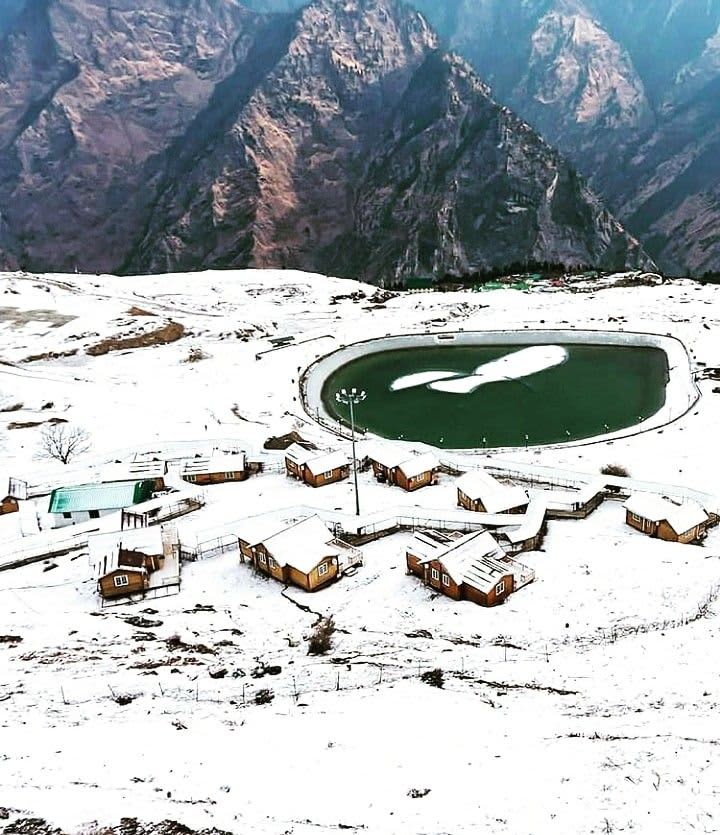
Auli, a pristine Himalayan ski resort in Uttarakhand at an altitude of 2,519 meters, is India's premier skiing destination, blessed with deep powder snow from December to March and some of the most dramatic views of Nanda Devi, Mana Parbat, and Dunagiri peaks. The Asia's highest and longest cable car (gondola) from Joshimath to Auli is a must-ride whether you visit in winter for skiing or in summer when the meadows bloom with wildflowers. Auli also serves as the base for the famous Gurso Bugyal trek, making it a year-round mountain destination in the Garhwal Himalayas.
Valley of Flowers
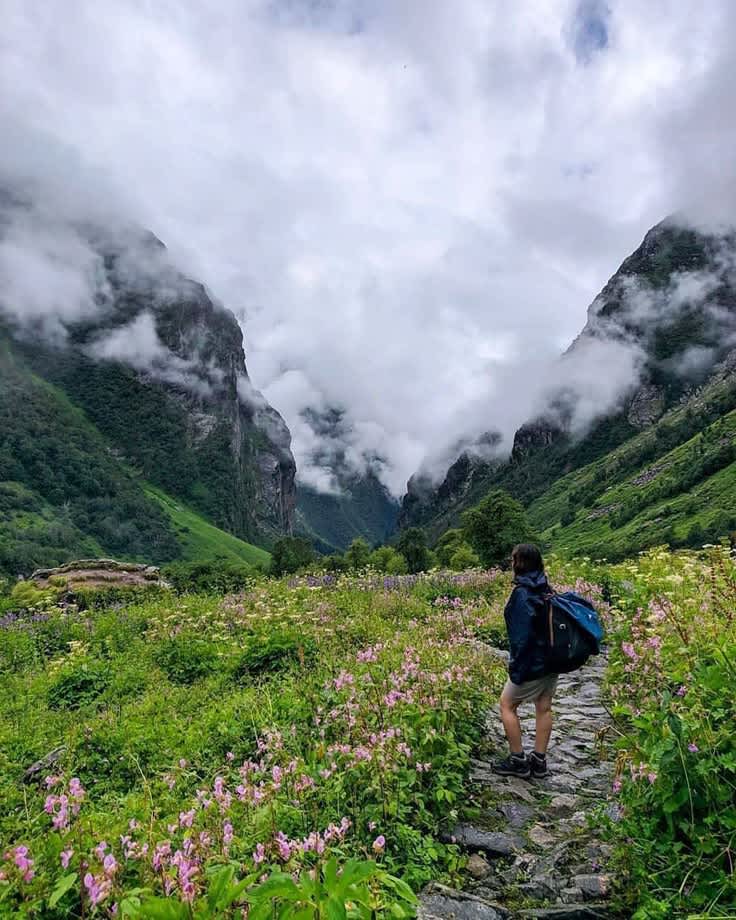
The Valley of Flowers National Park, a UNESCO World Heritage Site in Uttarakhand's Chamoli district, is a high-altitude Himalayan valley that transforms into a breathtaking carpet of hundreds of alpine wildflower species each monsoon season from July to September. Accessible via a scenic trek from Govindghat through dense forests and alongside glacial streams, the valley sits at 3,352 meters beneath towering snow-capped peaks. The trail also passes through Ghangaria, the gateway to the sacred Hemkund Sahib Gurudwara, making it a journey that combines natural wonder with spiritual significance.
Kedarnath
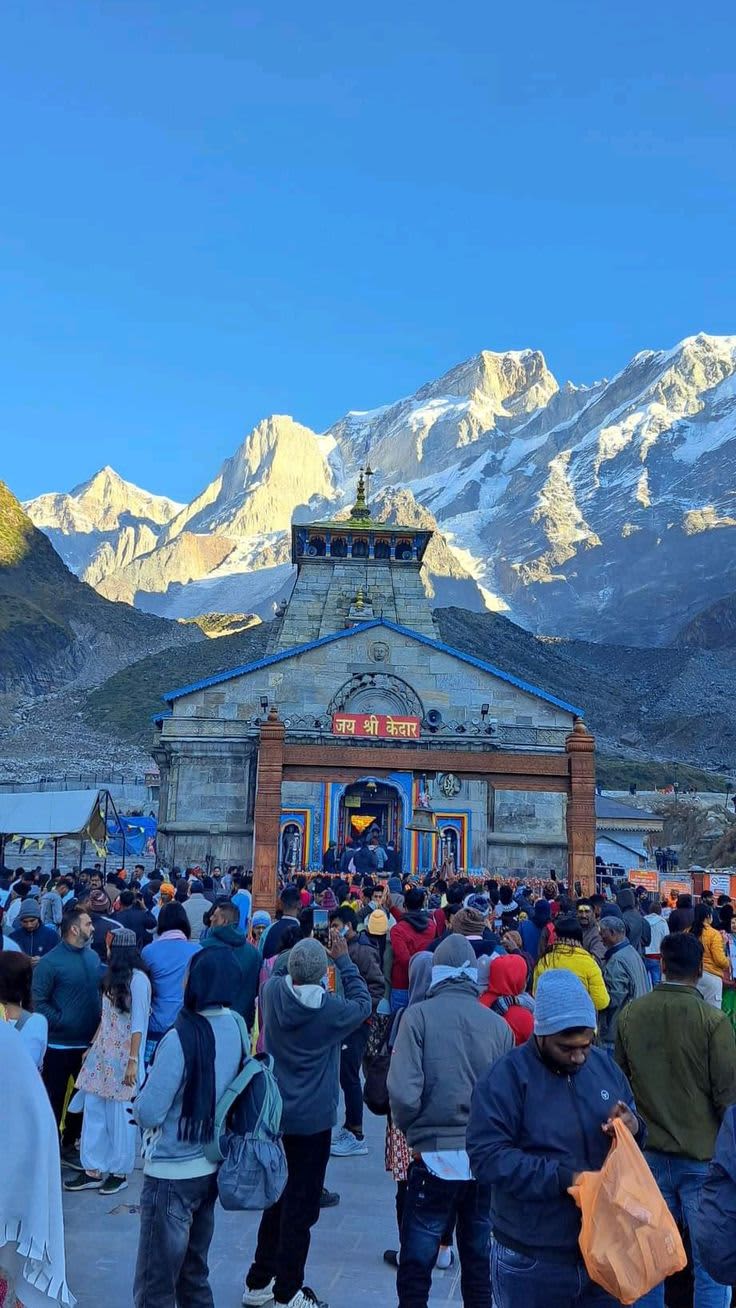
Kedarnath, one of the twelve Jyotirlingas of Shiva and the highest of the four Char Dham pilgrimage sites, sits at a staggering altitude of 3,583 meters in the Garhwal Himalayas of Uttarakhand, accessible only by an 18-kilometer trek through breathtaking Himalayan scenery. The ancient Kedarnath Temple, believed to have been originally built by the Pandavas of the Mahabharata and reconstructed by Adi Shankaracharya in the 8th century, stands surrounded by glaciers and snow-capped peaks — a setting of overwhelming natural grandeur and spiritual power. The temple is open only from May to November, and the annual opening ceremony with the Shiva idol's arrival is a profoundly moving experience.
Nearby destinations
Kedarnath
30 km · Kedarnath, one of the twelve Jyotirlingas of Shiva and the highest of the four Char Dham pilgrimage sites, sits at a staggering altitude of 3,583 meters in the Garhwal Himalayas of Uttarakhand, accessible only by an 18-kilometer trek through breathtaking Himalayan scenery. The ancient Kedarnath Temple, believed to have been originally built by the Pandavas of the Mahabharata and reconstructed by Adi Shankaracharya in the 8th century, stands surrounded by glaciers and snow-capped peaks — a setting of overwhelming natural grandeur and spiritual power. The temple is open only from May to November, and the annual opening ceremony with the Shiva idol's arrival is a profoundly moving experience.
Auli
45 km · Auli, a pristine Himalayan ski resort in Uttarakhand at an altitude of 2,519 meters, is India's premier skiing destination, blessed with deep powder snow from December to March and some of the most dramatic views of Nanda Devi, Mana Parbat, and Dunagiri peaks. The Asia's highest and longest cable car (gondola) from Joshimath to Auli is a must-ride whether you visit in winter for skiing or in summer when the meadows bloom with wildflowers. Auli also serves as the base for the famous Gurso Bugyal trek, making it a year-round mountain destination in the Garhwal Himalayas.
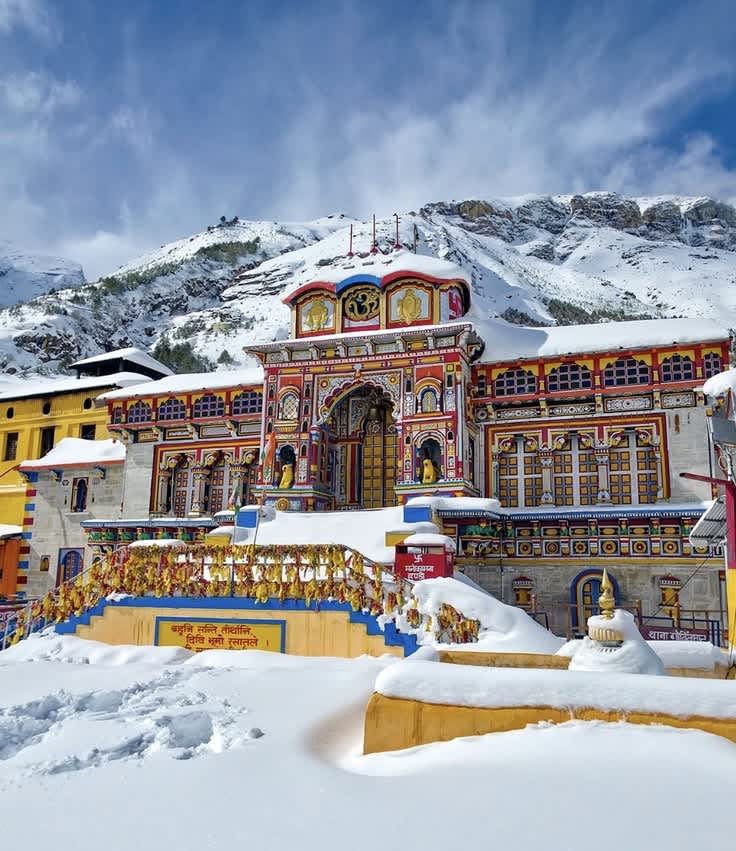
Badrinath
47 km · Badrinath, one of the most revered Vishnu shrines in Hinduism and the final destination on the Char Dham pilgrimage circuit, sits at 3,133 meters in the Garhwal Himalayas of Uttarakhand on the banks of the Alaknanda River. The colorful Badrinath Temple, framed by the towering Nilkantha Peak, draws hundreds of thousands of pilgrims during its six-month opening season each year. The nearby Tapt Kund hot springs for ritual bathing, the mythologically significant Brahma Kapal ghat, and the Valley of Flowers and Hemkund Sahib nearby make Badrinath a destination of extraordinary spiritual and natural richness.