Best places to visit in Lahaul Spiti
Best places to visit in Lahaul Spiti
Lahaul and Spiti, twin high-altitude districts in Himachal Pradesh, form one of India's most remote and mesmerizing frontier regions, connected to the outside world only by the Rohtang Pass and the Atal Tunnel. The stark, otherworldly landscape of barren mountains, deep gorges, and glacial rivers is punctuated by ancient monasteries, traditional Himalayan villages, and rich Buddhist heritage. Road trips through Lahaul-Spiti — past Kunzum Pass, Chandratal Lake, and Tabo Monastery — rank among India's most epic adventure journeys.

Key Monastery
→Key Monastery (Ki Gompa) is Spiti Valley's largest and most iconic Buddhist monastery, perched dramatically at 4,166 meters above Kaza. Over 1,000 years old, this ancient Tibetan fortress-monastery houses precious murals, thangkas, and scriptures, and is home to hundreds of monks, making it a defining spiritual landmark of Lahaul Spiti in Himachal Pradesh.
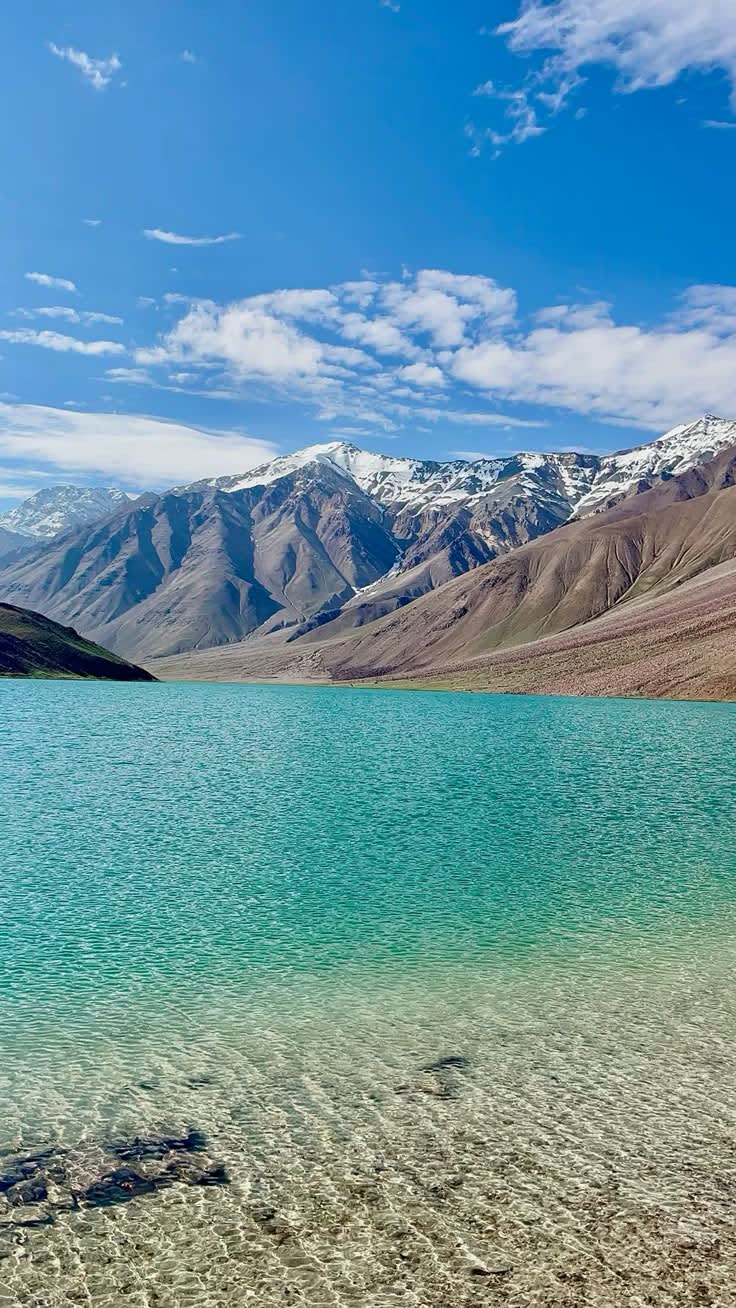
Chandratal Lake
→Chandratal — the Moon Lake — is one of the most breathtakingly beautiful high-altitude lakes in the Himalayas, a crescent-shaped glacial gem shimmering at 4,300 metres above sea level in the heart of Spiti Valley. Surrounded by dramatic arid mountain ridges and high-altitude meadows that burst with wildflowers in summer, the lake's waters shift through an impossible spectrum of turquoise, cobalt, and emerald through the day. A sacred site in Tibetan Buddhism and a UNESCO-nominated wetland, Chandratal Lake Spiti is an absolute must-visit for trekkers, campers, and Himalayan photographers.
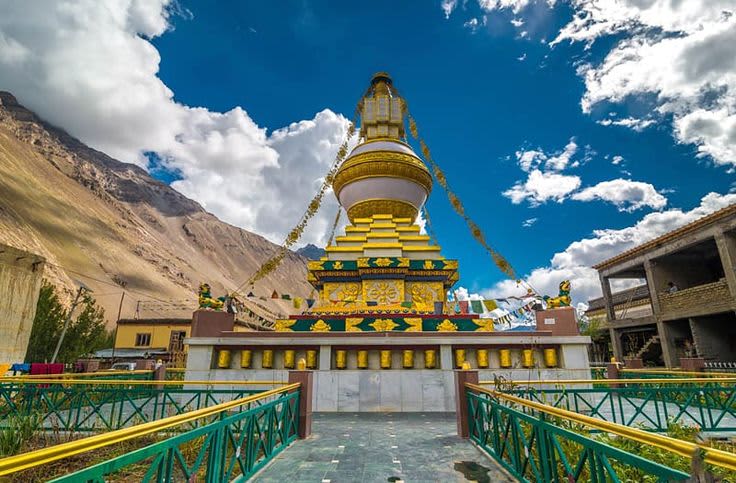
Tabo Monastery
→Tabo Monastery is India's oldest continuously operating Buddhist monastery, founded in 996 AD by the great Tibetan Buddhist master Rinchen Zangpo, and often called the "Ajanta of the Himalayas" for its extraordinary collection of ancient clay sculptures, frescoes, and illuminated manuscripts. A UNESCO World Heritage nominee, the mud-and-timber monastic complex in Spiti Valley houses nine temples containing some of the finest examples of early Himalayan Buddhist art in existence. Tabo Monastery Spiti is a sacred pilgrimage site for Tibetan Buddhists and a world-class heritage site for art historians and travellers.
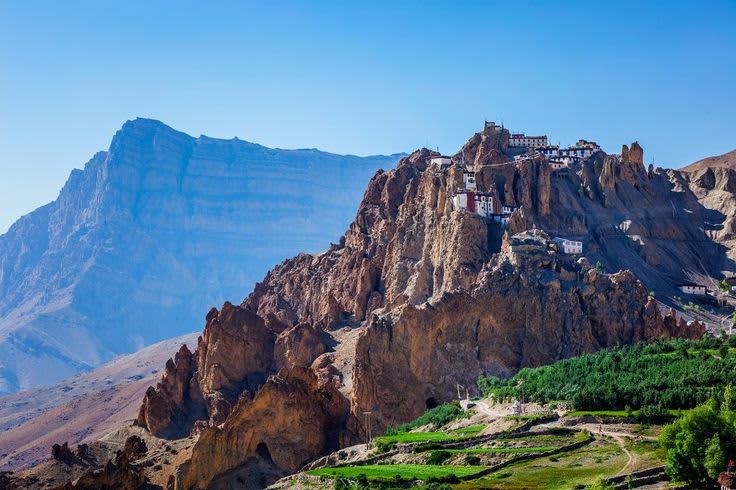
Dhankar Monastery
→Dhankar Monastery is a 1,200-year-old Tibetan Buddhist gompa perched on an impossibly narrow and eroded clay promontory 3,890 metres above the dramatic confluence of the Spiti and Pin rivers — considered one of the most dramatically situated monasteries on Earth and listed among the world's 100 most endangered heritage sites. The ancient mud-brick structure houses remarkable murals, thangkas, and a stunning clay Buddha. Dhankar Monastery Spiti Valley offers jaw-dropping 360-degree views of the arid Trans-Himalayan landscape and is essential for any serious Spiti itinerary.
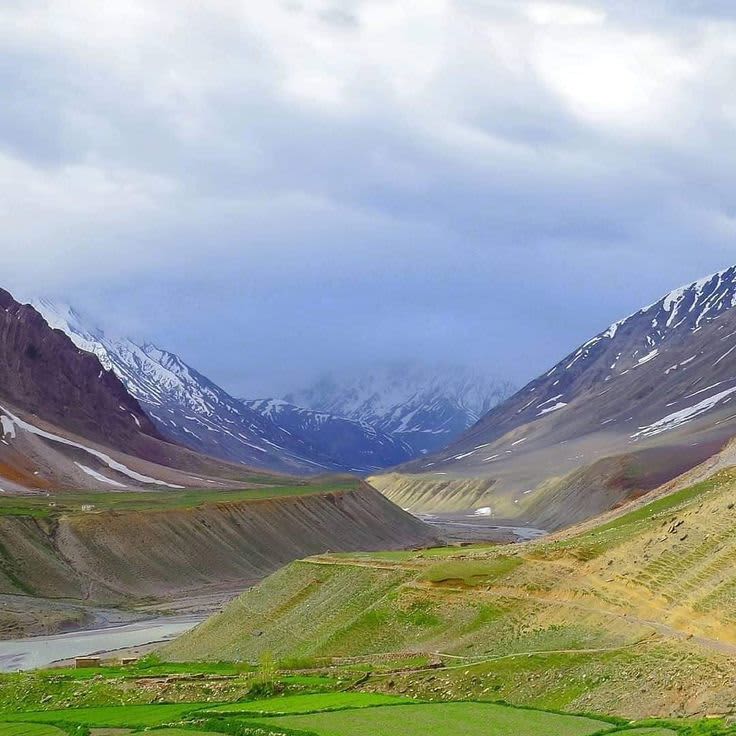
Pin Valley National Park
→Pin Valley National Park is a cold desert national park in Lahaul Spiti, Himachal Pradesh, and the only habitat of both the snow leopard and Siberian ibex in the same ecosystem. This remote high-altitude park offers exceptional wildlife trekking and stunning desert-mountain scenery for wildlife enthusiasts and conservation-focused travelers.
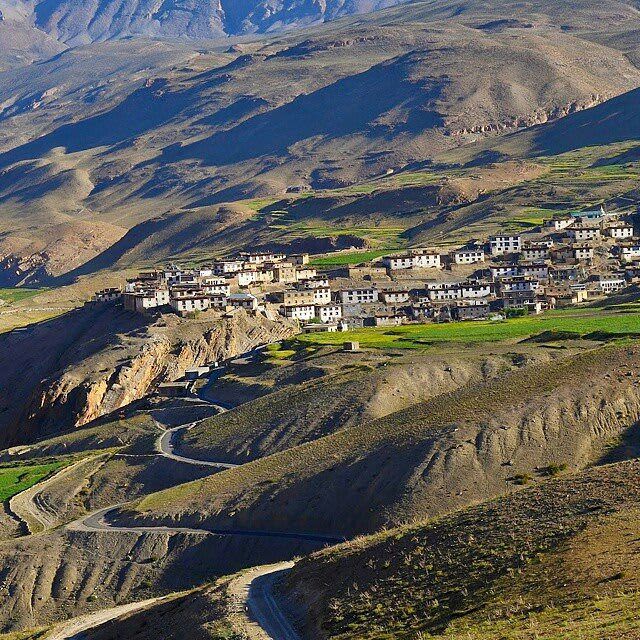
Kibber Village
→Kibber is one of the world's highest inhabited villages, sitting at 4,270 meters in Spiti Valley, Lahaul Spiti. Known as a prime snow leopard spotting destination, Kibber offers stunning views of the Spiti River gorge, traditional whitewashed Tibetan-style homes, and a gateway to the high-altitude Kibber Wildlife Sanctuary in Himachal Pradesh.
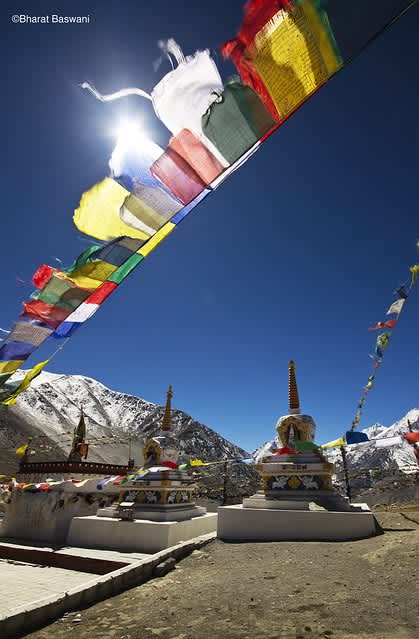
Kunzum Pass
→Kunzum Pass is a revered high-altitude mountain gateway at 4,590 metres, marking the dramatic boundary between the verdant Kullu Valley and the stark Trans-Himalayan landscape of Spiti Valley in Himachal Pradesh. Crowned by the ancient Kunzum Devi Temple, where travellers seek blessings before crossing, the pass offers extraordinary 360-degree panoramas of glaciers, snowfields, and jagged Himalayan peaks. Open only from June to October when snow clears, Kunzum Pass Spiti Valley is a milestone on the legendary Manali-Kaza highway and one of the most dramatic mountain crossings in India.
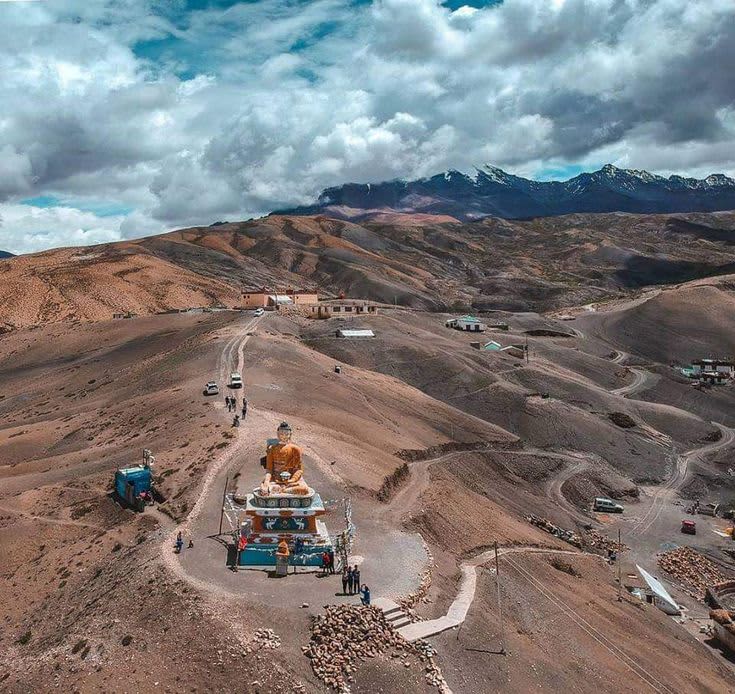
Langza Village
→Fossil village with Buddha statue overlooking valley.
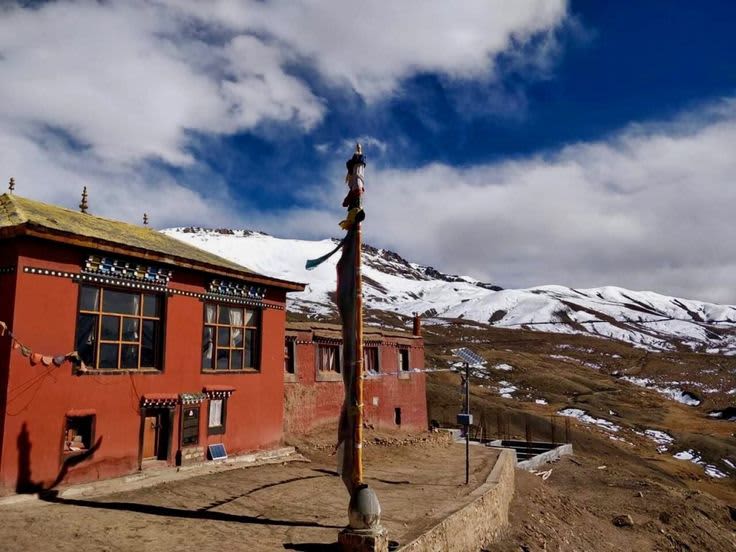
Hikkim Village
→Hikkim Village in Spiti Valley is home to the world's highest post office, operating at a staggering 4,400 metres above sea level — a record recognised by the Guinness Book of World Records. Sending a postcard from Hikkim Post Office to a friend or family member anywhere in the world is a beloved travel ritual for Spiti visitors. The village itself is a gem of traditional Spitian culture, with whitewashed stone homes, ancient chortens, and views of snowfields stretching to the horizon. Hikkim Village Spiti is an unforgettable off-the-beaten-path Himalayan adventure.
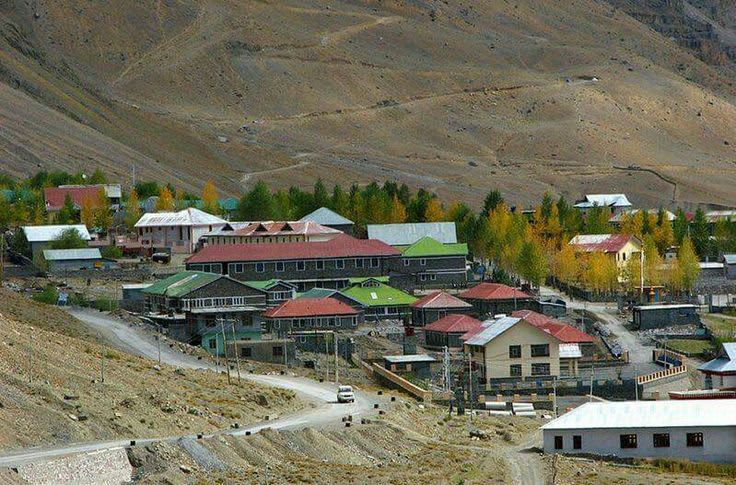
Kaza Town
→Kaza is the administrative and commercial capital of Spiti Valley in Lahaul Spiti, Himachal Pradesh, sitting at 3,800 meters. Serving as the central hub for exploring Key Monastery, Chandratal, Kibber, and Tabo, Kaza offers a range of accommodation, ATM facilities, and a vibrant Tibetan-influenced culture for travelers venturing into the high-altitude Spiti desert.