Places to visit near Konark
Places to visit near Konark
Konark, a small town on Odisha's coast 35 kilometers from Puri, is home to one of India's greatest architectural wonders — the Sun Temple, a UNESCO World Heritage Site built in the 13th century by King Narasimhadeva I, conceived as a colossal stone chariot of the Sun God Surya with 24 intricately carved wheels and seven horses. The temple's thousands of sculptures depicting celestial beings, erotic carvings, animals, and mythological scenes represent the apex of Odishan temple architecture and craftsmanship. The annual Konark Dance Festival held against the dramatic backdrop of the illuminated Sun Temple is one of India's most magnificent cultural events.
29 km
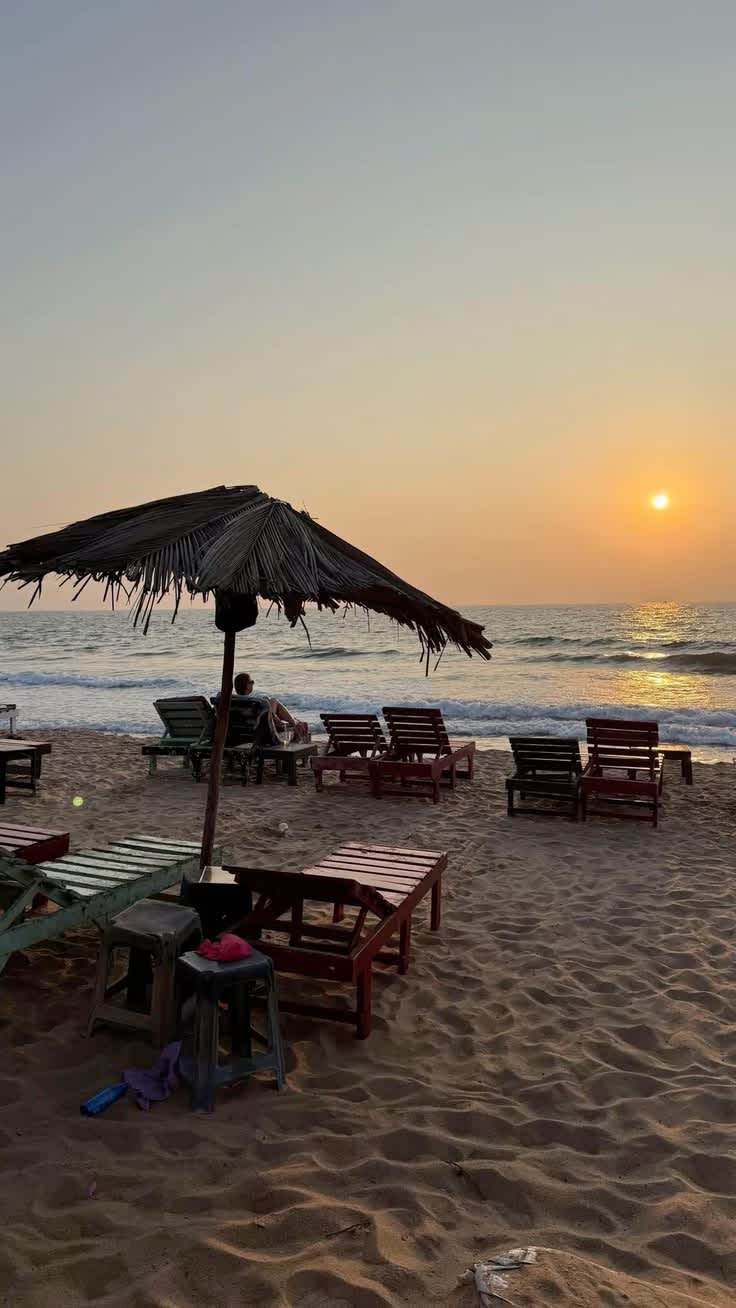
Puri
→Puri, on Odisha's Bay of Bengal coast, is one of the four sacred dhams (pilgrimage sites) of Hinduism and home to the Jagannath Temple — one of the most important and powerful Vaishnava temples in India, dedicated to Lord Jagannath (a form of Vishnu/Krishna) and famous for its annual Rath Yatra chariot festival, one of the world's largest religious processions. The long, golden Puri Beach is one of the most beautiful on India's eastern coast, and the lively beach culture of fishermen, sand artists, and evening aarti ceremonies creates a unique spiritual-seaside atmosphere. The temple town's traditional patta chitra art and its generous servings of prasad at the Ananda Bazar make Puri a destination of both devotion and delight.
331 km
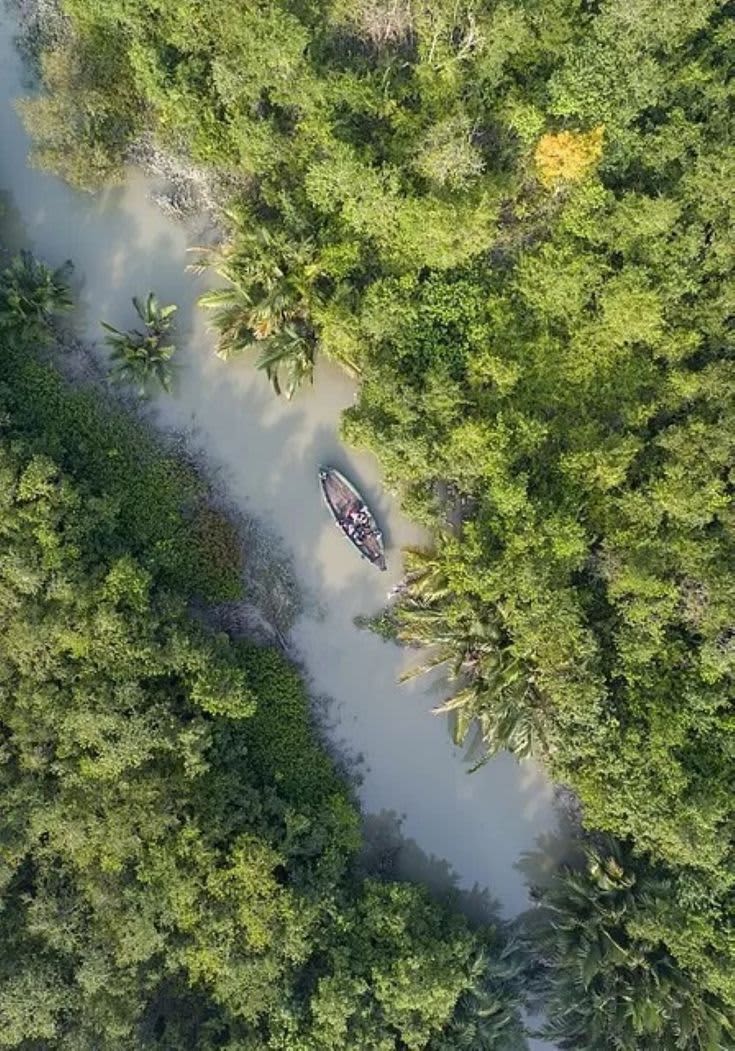
Sundarbans
→The Sundarbans, a UNESCO World Heritage Site and the world's largest mangrove delta shared between India and Bangladesh, is one of the most unique and mysterious wildlife habitats on earth. Home to the Bengal tiger — uniquely adapted to swimming between islands — as well as saltwater crocodiles, Irrawaddy dolphins, and the endangered Gangetic dolphin, the Sundarbans is a biodiversity hotspot unlike any other. Boat safaris through the labyrinthine network of tidal creeks and mangrove channels in the West Bengal delta offer an eerie, exhilarating, and deeply memorable wildlife experience.
390 km
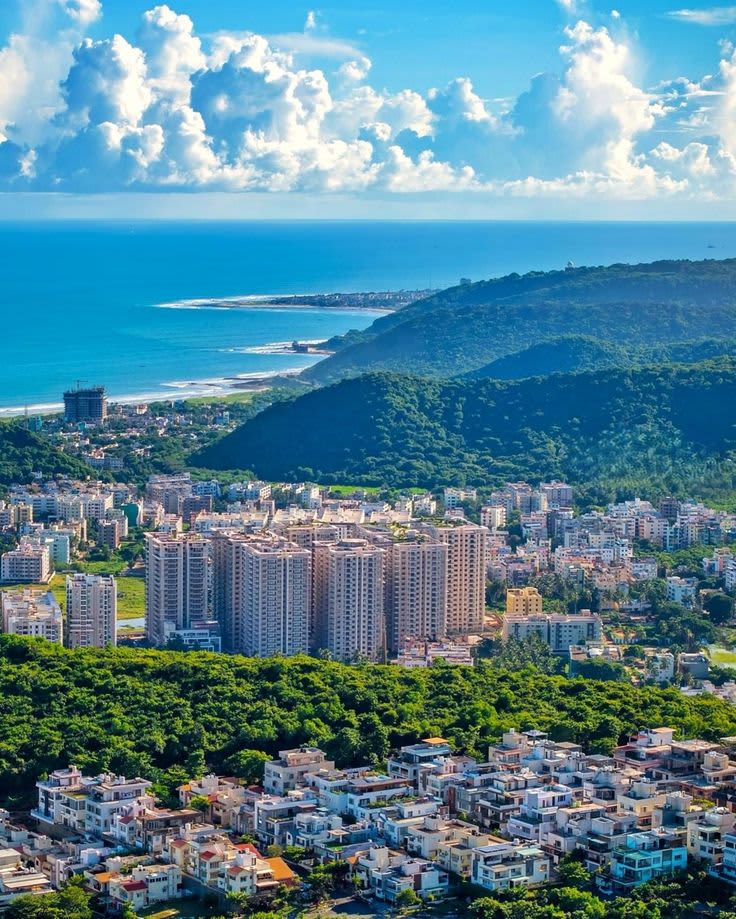
Visakhapatnam
→Visakhapatnam, affectionately known as Vizag, is Andhra Pradesh's largest city and premier port, beautifully situated between the Eastern Ghats and the Bay of Bengal, making it one of India's few cities where beach, mountain, and urban life coexist seamlessly. The Rushikonda Beach, Rishikonda Hills, and the famous submarine museum INS Kursura are among Vizag's most popular attractions, while the nearby Araku Valley hill station — accessible via one of India's most scenic train journeys — adds a natural dimension to the city's appeal. Vizag's rapidly growing status as a tech and business hub, combined with its scenic coastline and hospitable Telugu culture, makes it one of India's most livable and visiting cities.
631 km
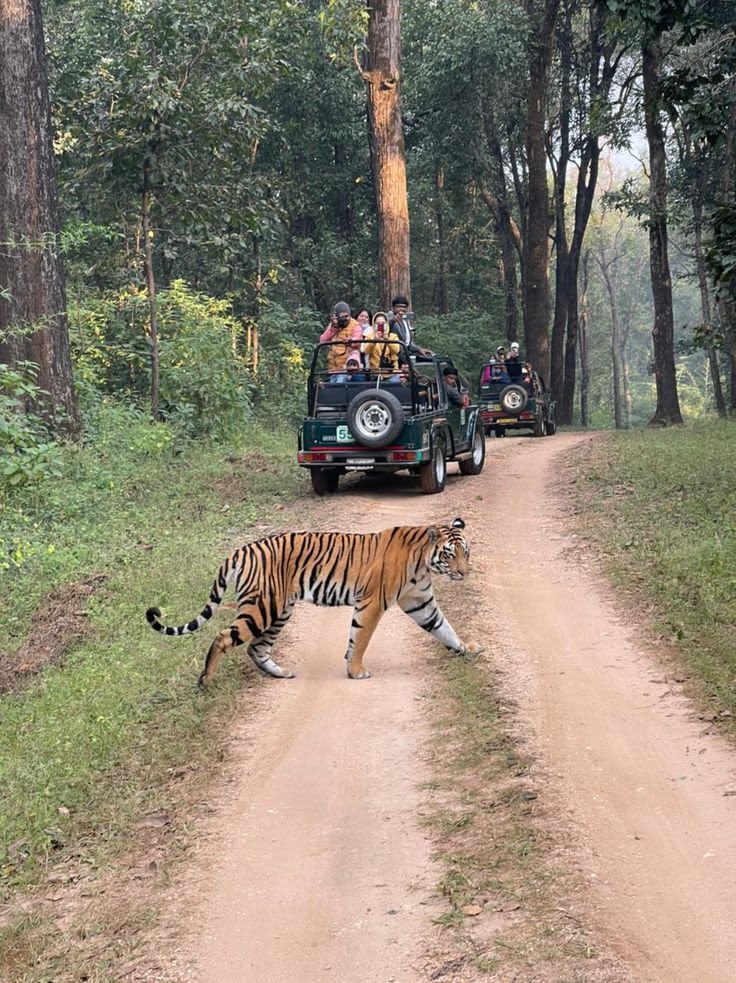
Kanha National Park
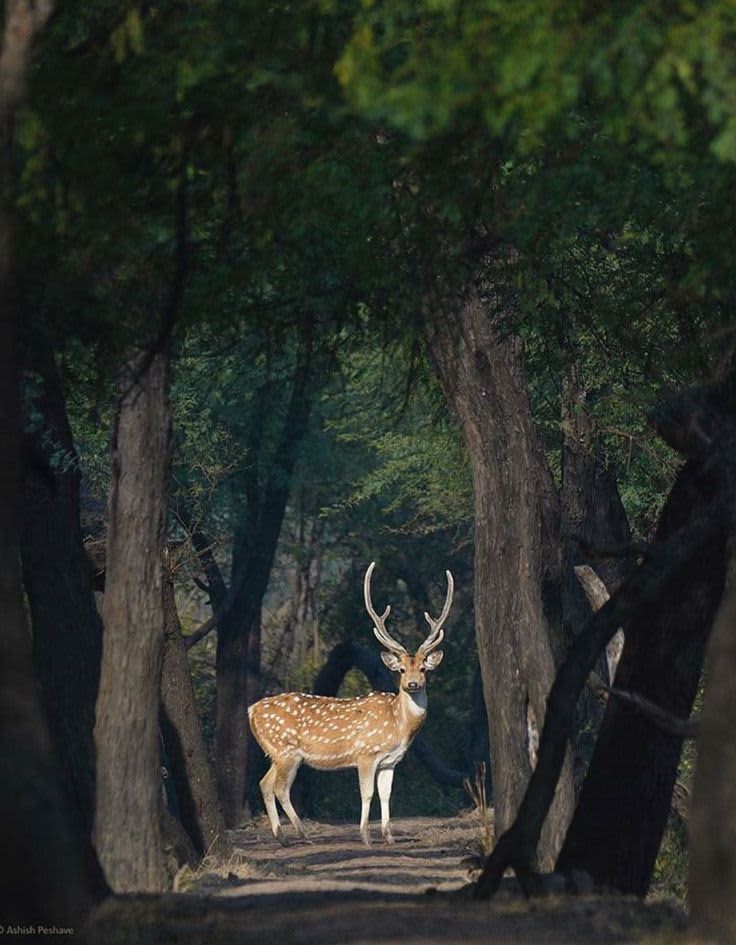
→Kanha National Park, one of India's finest and largest tiger reserves spread across the Maikal Hills of Madhya Pradesh, was the inspiration for Rudyard Kipling's 'The Jungle Book' and remains one of the subcontinent's most pristine and biodiverse wilderness areas. The park is renowned not only for tiger sightings but for successfully reviving the critically endangered Barasingha (swamp deer) from the brink of extinction. Kanha's vast meadow-filled valleys, called maidans, teeming with spotted deer and gaur, and its dense sal forests make it one of India's most rewarding national park experiences.
674 km
Bandhavgarh National Park
→Bandhavgarh National Park in Madhya Pradesh boasts the highest density of Bengal tigers of any national park in India, making it one of the most thrilling destinations for big cat enthusiasts and wildlife photographers. The park's diverse terrain of dense sal forests, meadows, and bamboo groves is dominated by the ancient Bandhavgarh Fort, which according to legend was built by the Hindu god Rama. Multiple daily safari zones, including the highly sought-after Tala zone, ensure excellent opportunities to witness tigers, leopards, sloth bears, and abundant birdlife in their natural environment.
684 km
Varanasi
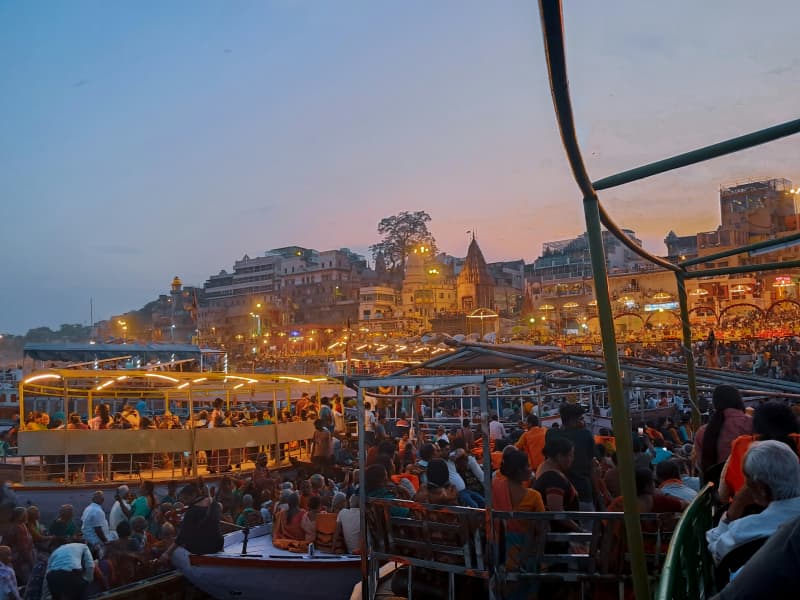
→Varanasi, one of the world's oldest continuously inhabited cities and Hinduism's most sacred destination, sits on the banks of the Ganges in Uttar Pradesh and is believed by Hindus to be the city where dying releases one from the cycle of rebirth. The ghats of Varanasi — 84 in all — are the spiritual heartbeat of India, where the faithful bathe at dawn, priests perform elaborate fire rituals, and funeral pyres burn perpetually at the Manikarnika Ghat. The ancient temples, the labyrinthine old city lanes, the evening Ganga Aarti ceremony, and the profound sense of mortality and transcendence make Varanasi the most spiritually intense city in India.

708 km
Tadoba
→Tadoba Andhari Tiger Reserve, Maharashtra's oldest and largest national park located in the Chandrapur district, is increasingly recognized as one of India's best tiger reserves and offers some of the highest rates of tiger sightings in the country, earning it a well-deserved reputation among wildlife photographers and safari enthusiasts. The park's dry deciduous forest, open meadows, and scenic Tadoba Lake create a diverse habitat that supports not only tigers but also leopards, sloth bears, wild dogs, gaurs, and hundreds of bird species. Tadoba's accessibility from Nagpur and the quality of its guides and safari vehicles make it an excellent alternative for those who cannot get permits at more famous reserves like Ranthambore or Kanha.
755 km
Prayagraj
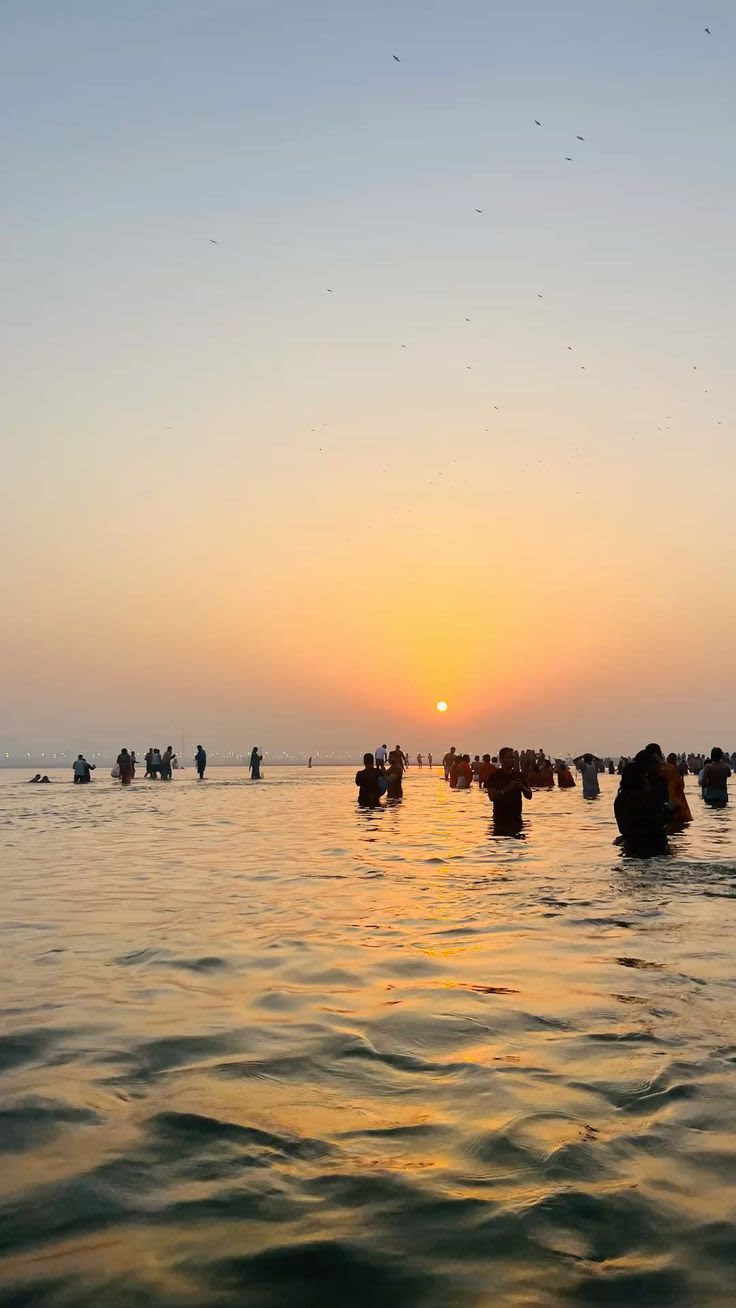
→Prayagraj, formerly known as Allahabad, is one of Hinduism's most sacred cities, situated at the Triveni Sangam — the holy confluence of the Ganges, Yamuna, and the mythical Saraswati rivers — a site of such spiritual significance that bathing here is believed to wash away all sins. Every 12 years, the Maha Kumbh Mela held at Prayagraj becomes the world's largest human gathering, drawing over 100 million pilgrims in a single season. The Kumbh Mela 2026 and 2036 promises to be a once-in-a-generation event. Beyond the ghats, the Allahabad Fort, the Anand Bhawan museum (former home of the Nehru-Gandhi family), and the beautiful Khusro Bagh make Prayagraj a city of great historical depth.
826 km
Darjeeling
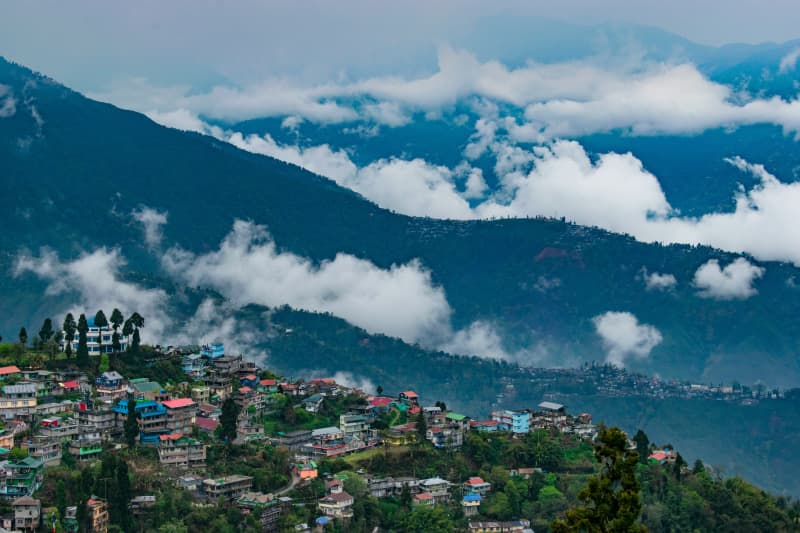
→Darjeeling, the "Queen of the Hills" in West Bengal, is world-renowned for producing the finest tea on earth and for offering some of the most iconic sunrise views of Kangchenjunga from Tiger Hill. The UNESCO-listed Darjeeling Himalayan Railway — the beloved toy train — winds through misty mountains and verdant tea estates, offering a nostalgic journey back in time. Beyond tea gardens and mountain views, Darjeeling's vibrant Tibetan-Nepali culture, the historic Ghoom Monastery, and the lively bazaars make it one of India's most charming and beloved hill stations.
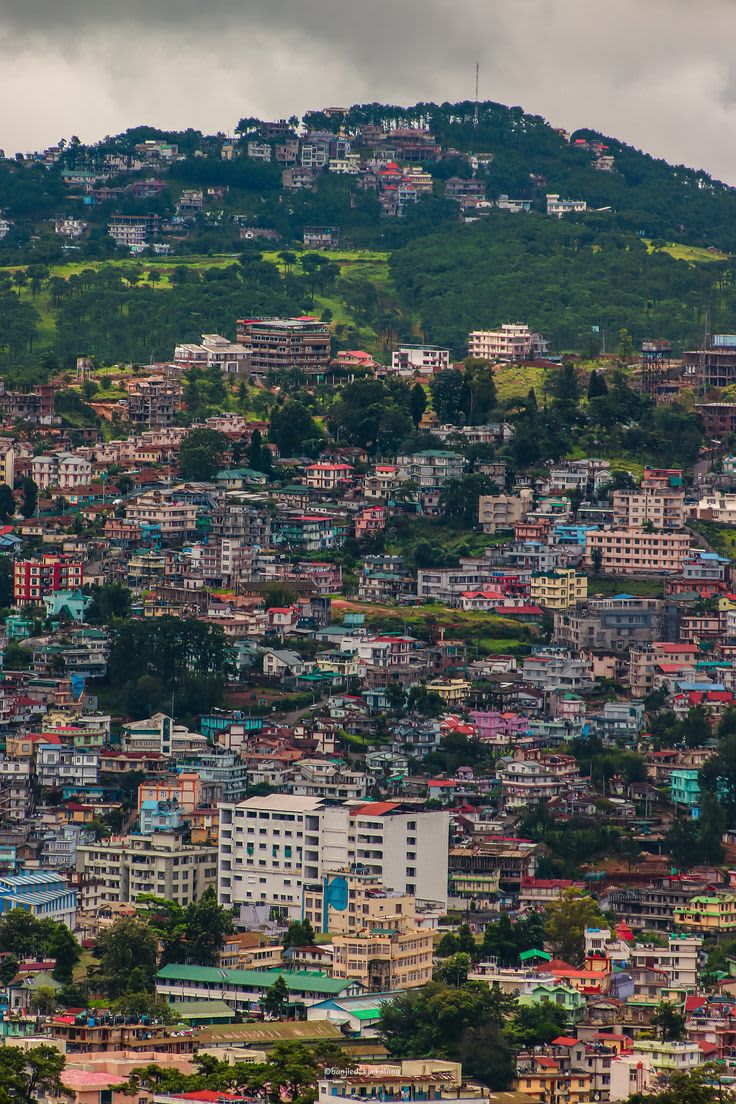
832 km
Cherrapunji
→Cherrapunji, locally known as Sohra, in the East Khasi Hills of Meghalaya holds the record for some of the highest rainfall ever recorded on earth and is a land of extraordinary waterfalls, dramatic gorges, and the most remarkable feat of human bio-engineering — the living root bridges grown by the indigenous Khasi people by training ficus tree roots across streams over centuries. The Nohkalikai Falls — India's tallest plunge waterfall dropping 340 meters into a turquoise pool — and the panoramic views across the Bangladesh plains from the plateau edge make Cherrapunji one of India's most dramatic natural destinations.