Best Places Similar in Gir National Park
Best Places Similar to Gir National Park
Gir National Park and Wildlife Sanctuary in Gujarat is the last wild refuge of the majestic Asiatic lion, a subspecies once on the brink of extinction that has made a remarkable comeback thanks to dedicated conservation efforts. Covering over 1,400 square kilometers of dry deciduous forest, scrubland, and grassland in the Saurashtra region, Gir also harbors leopards, hyenas, jackals, and over 300 bird species. Guided jeep safaris through the forest offer genuinely exciting encounters with the regal Asiatic lion and the rich biodiversity of this unique protected area.

Ranthambore National Park
→Ranthambore National Park in Rajasthan is one of India's largest and most famous tiger reserves, renowned for offering some of the most reliable tiger sightings in the country, particularly around its ancient lakes. The ruined 10th-century Ranthambore Fort, a UNESCO World Heritage Site, rises dramatically above the forest and adds a unique historical dimension to wildlife safaris. Beyond tigers, the park shelters leopards, sloth bears, striped hyenas, and abundant birdlife, making every game drive an adventure in this iconic Rajasthani wilderness.
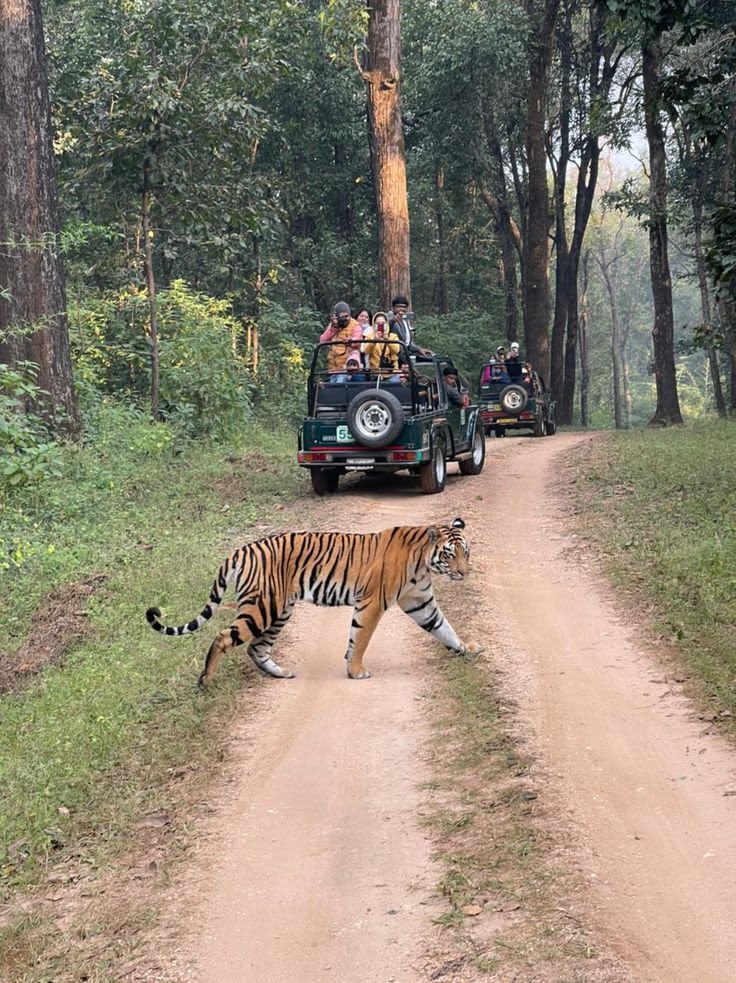
Kanha National Park
→Kanha National Park, one of India's finest and largest tiger reserves spread across the Maikal Hills of Madhya Pradesh, was the inspiration for Rudyard Kipling's 'The Jungle Book' and remains one of the subcontinent's most pristine and biodiverse wilderness areas. The park is renowned not only for tiger sightings but for successfully reviving the critically endangered Barasingha (swamp deer) from the brink of extinction. Kanha's vast meadow-filled valleys, called maidans, teeming with spotted deer and gaur, and its dense sal forests make it one of India's most rewarding national park experiences.
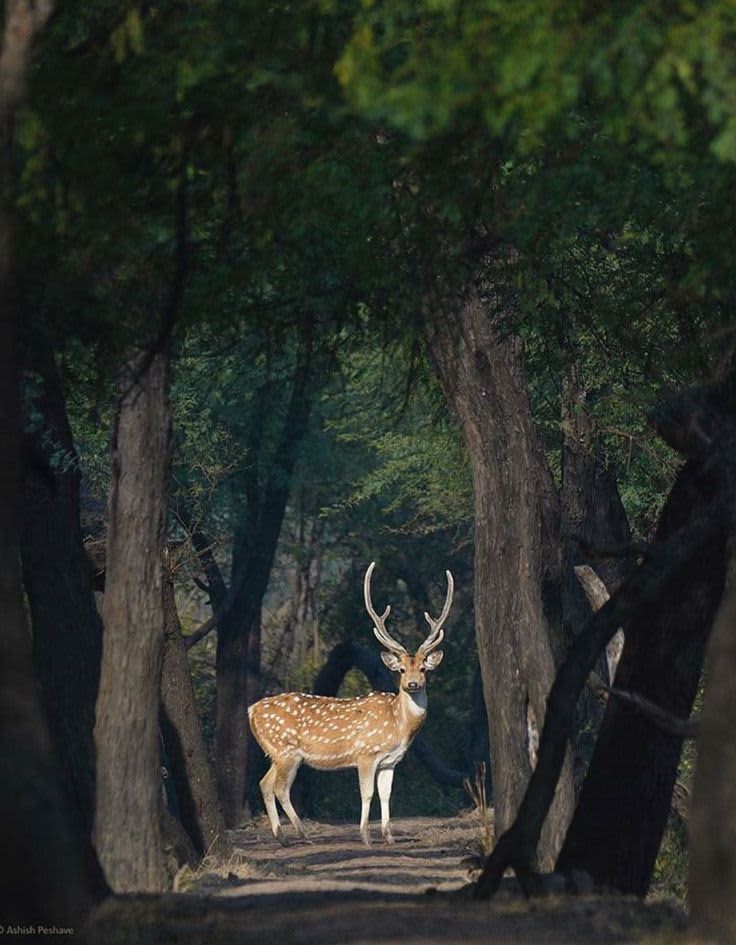
Bandhavgarh National Park
→Bandhavgarh National Park in Madhya Pradesh boasts the highest density of Bengal tigers of any national park in India, making it one of the most thrilling destinations for big cat enthusiasts and wildlife photographers. The park's diverse terrain of dense sal forests, meadows, and bamboo groves is dominated by the ancient Bandhavgarh Fort, which according to legend was built by the Hindu god Rama. Multiple daily safari zones, including the highly sought-after Tala zone, ensure excellent opportunities to witness tigers, leopards, sloth bears, and abundant birdlife in their natural environment.
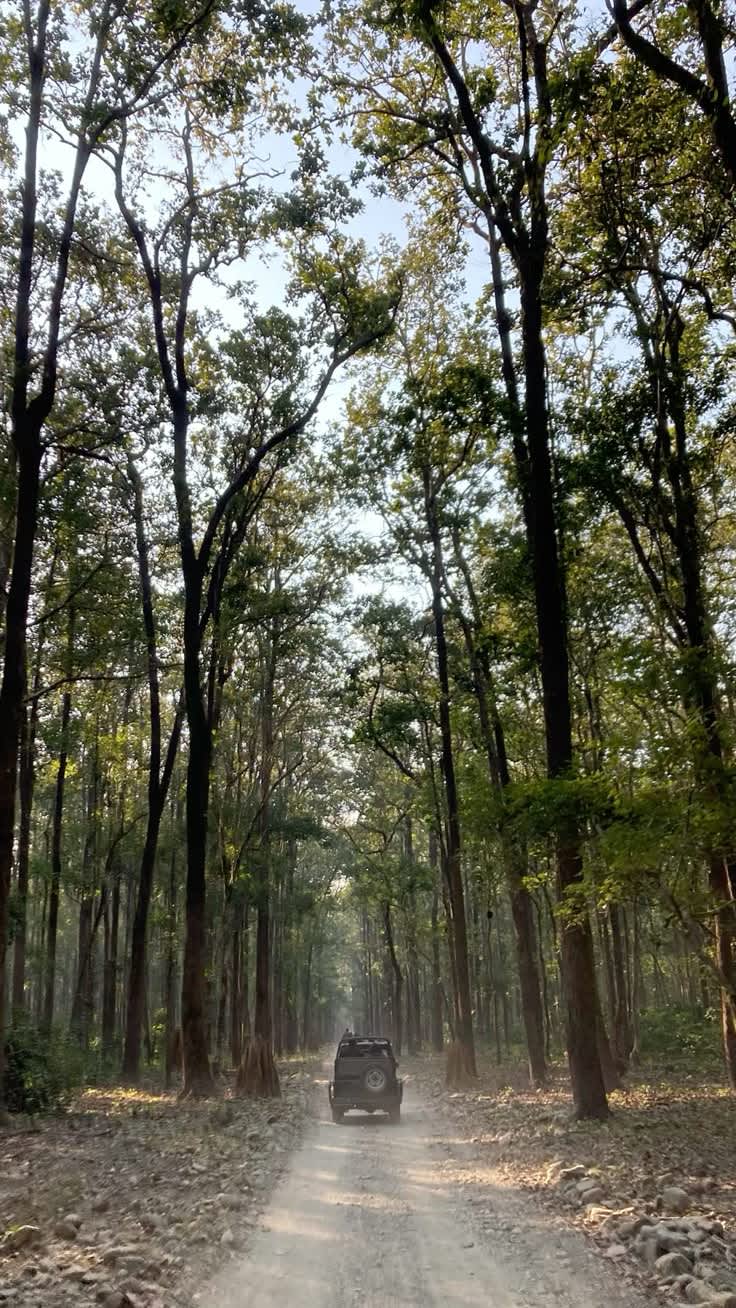
Jim Corbett National Park
→Jim Corbett National Park, established in 1936 as India's first national park and named after the legendary hunter-turned-conservationist Jim Corbett, is one of the best places in the world to spot the majestic Bengal tiger in its natural habitat. Spread across over 1,300 square kilometers in the Shivalik foothills of Uttarakhand, the park encompasses dense sal forests, grasslands, and the Ramganga River, supporting rich biodiversity including elephants, leopards, gharials, and over 600 bird species. Jeep safaris into the Dhikala and Bijrani zones offer thrilling wildlife encounters in a remarkably pristine natural setting.

Tadoba
→Tadoba Andhari Tiger Reserve, Maharashtra's oldest and largest national park located in the Chandrapur district, is increasingly recognized as one of India's best tiger reserves and offers some of the highest rates of tiger sightings in the country, earning it a well-deserved reputation among wildlife photographers and safari enthusiasts. The park's dry deciduous forest, open meadows, and scenic Tadoba Lake create a diverse habitat that supports not only tigers but also leopards, sloth bears, wild dogs, gaurs, and hundreds of bird species. Tadoba's accessibility from Nagpur and the quality of its guides and safari vehicles make it an excellent alternative for those who cannot get permits at more famous reserves like Ranthambore or Kanha.
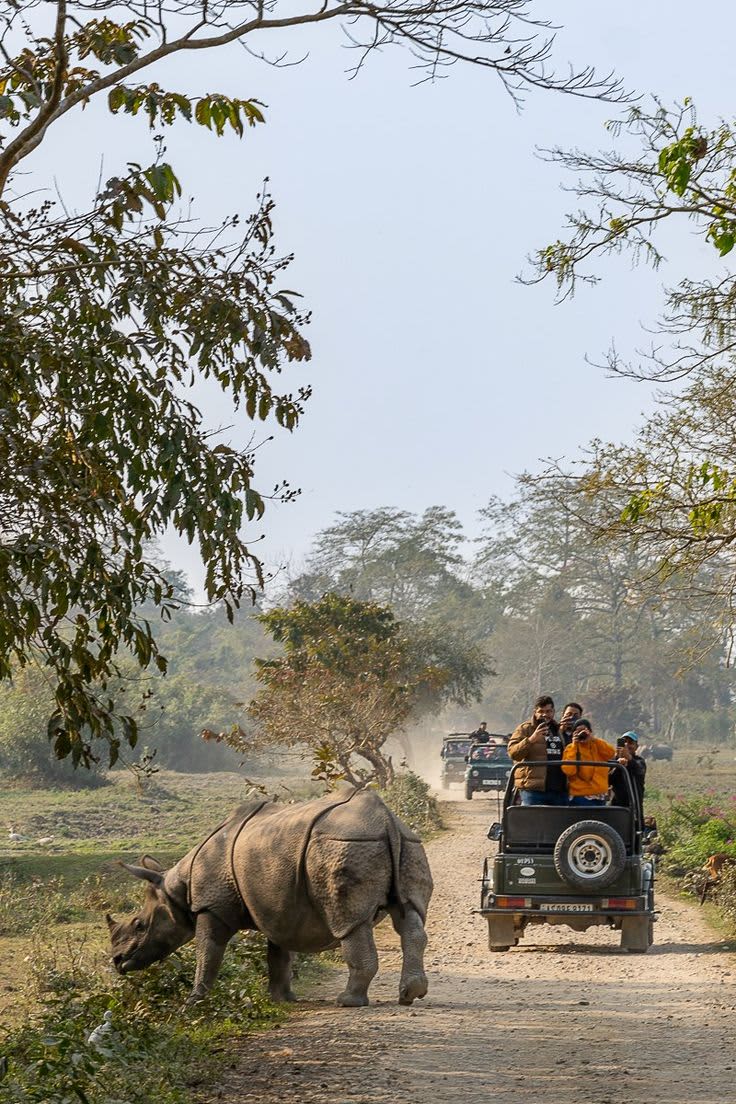
Kaziranga National Park
→Kaziranga National Park, a UNESCO World Heritage Site in Assam, is the world's most important refuge for the endangered one-horned rhinoceros, sheltering more than two-thirds of the global population. The park's floodplain landscape of tall elephant grass, dense forests, and wetlands along the Brahmaputra River also supports the world's highest density of tigers, along with wild water buffalo, swamp deer, elephants, and thousands of migratory birds. Jeep and elephant safaris through Kaziranga offer an unparalleled wildlife experience in one of India's most biodiverse ecosystems.

Diu
→Diu, a small island Union Territory connected to Gujarat's southern coast by two bridges, is one of India's hidden coastal gems — a quiet, charming destination with gorgeous beaches, a magnificent Portuguese fort, colonial churches, and a distinctly Mediterranean atmosphere entirely different from the rest of Gujarat. The imposing Diu Fort on the southeastern tip of the island, the pristine Nagoa Beach lined with hoka palms, and the beautiful Church of St. Paul with its impressive baroque facade are the island's highlights. Diu's relaxed pace, excellent seafood, and status as one of India's least crowded beach destinations make it an ideal escape for those seeking a peaceful coastal retreat.
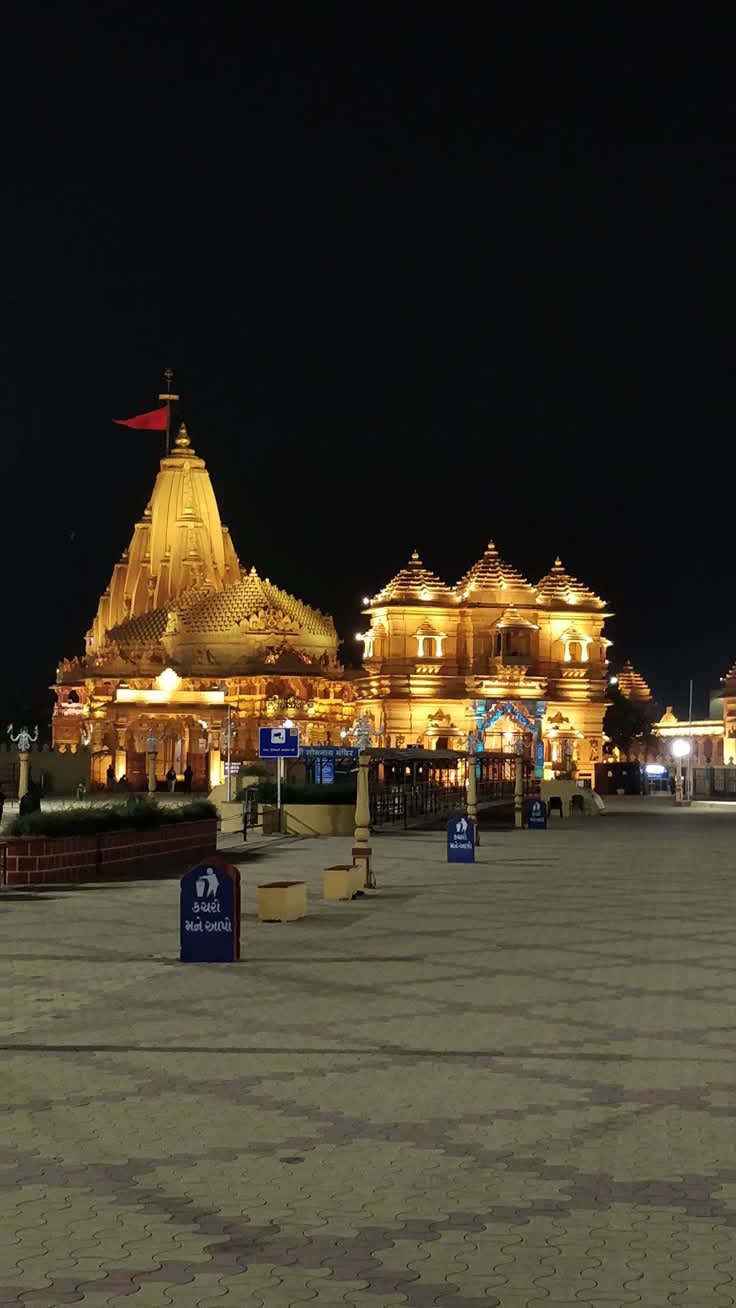
Somnath
→Somnath, on the southern coast of Gujarat's Saurashtra region, is home to the Somnath Temple — the first and most sacred of the twelve Jyotirlingas of Lord Shiva and one of the most revered pilgrimage sites in all of Hinduism. The current magnificent temple, rebuilt for the seventh time after repeated historical destruction, stands proudly on the shores of the Arabian Sea in what is described in ancient texts as the eternal Prabhasa Tirth. The sea-facing location, the nightly sound-and-light show narrating the temple's turbulent history, and the proximity to Gir Forest make Somnath a compelling destination for pilgrims and history lovers alike.
Dwarka
→Dwarka, located on the western tip of Gujarat's Saurashtra coast, is one of the seven sacred pilgrimage cities (Sapta Puri) in Hinduism and the legendary kingdom of Lord Krishna, making it one of the most revered destinations for Vaishnava devotees. The magnificent Dwarkadhish Temple, rising five stories and topped with a 78.3-meter high flag, stands majestically near the Arabian Sea and is the spiritual centerpiece of the town. Archaeological excavations have revealed submerged structures offshore that some researchers associate with the mythological sunken city of Dwarka, adding a fascinating layer of mystery to this ancient pilgrimage destination.
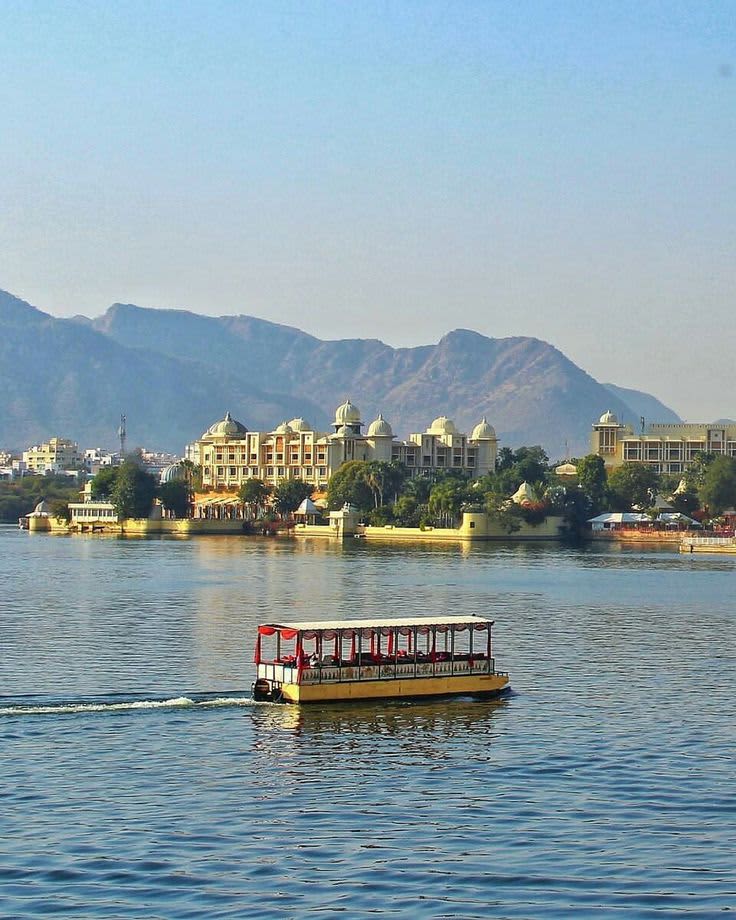
Udaipur
→Udaipur, the City of Lakes in Rajasthan, is widely considered one of the most romantic cities in India, a dreamlike destination of shimmering lake palaces, white marble temples, and haveli-lined ghats reflected in the placid waters of Lake Pichola. The iconic Lake Palace — seemingly floating on the waters of Pichola — and the grand City Palace complex are among the finest examples of Rajput architecture anywhere in India. Udaipur's vibrant arts scene, exquisite handicrafts, and the mesmerizing evening boat rides on the lake make it a city that captures hearts and refuses to let go.
