Things to do in Gir National Park
Things to do in Gir National Park
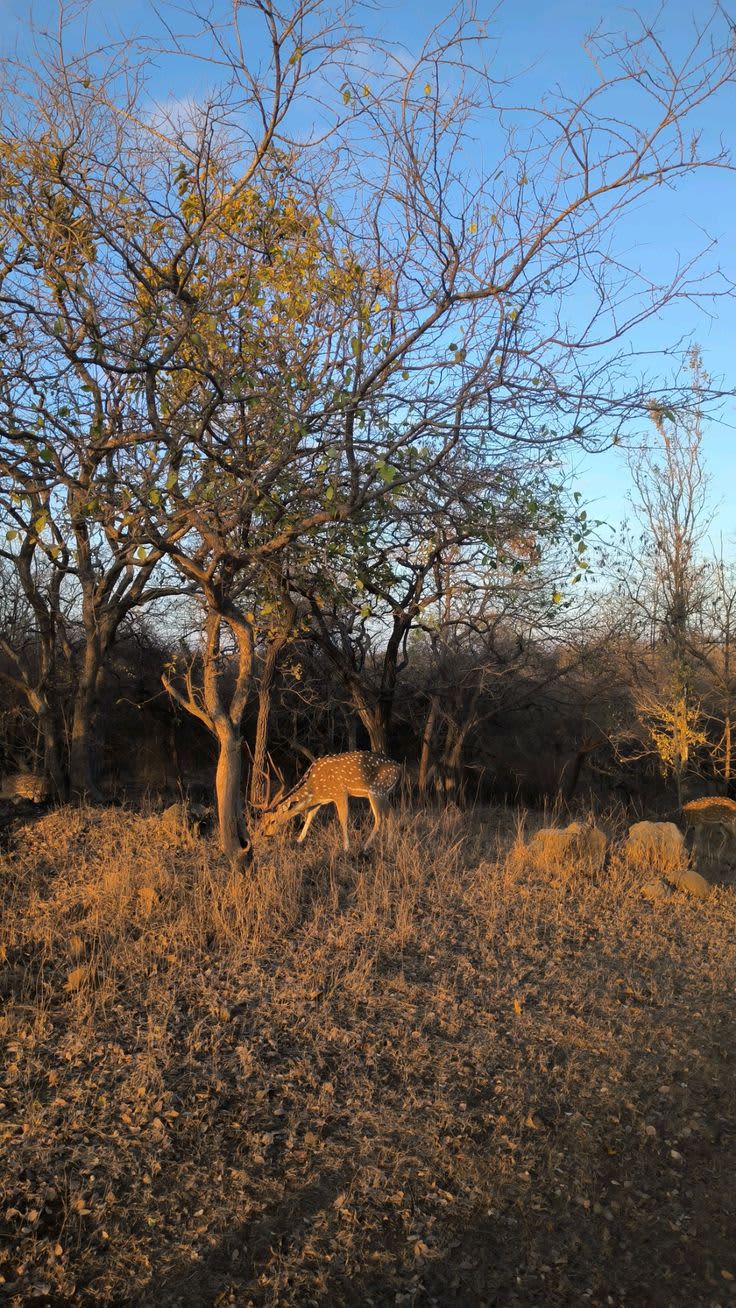
Gir National Park and Wildlife Sanctuary in Gujarat is the last wild refuge of the majestic Asiatic lion, a subspecies once on the brink of extinction that has made a remarkable comeback thanks to dedicated conservation efforts. Covering over 1,400 square kilometers of dry deciduous forest, scrubland, and grassland in the Saurashtra region, Gir also harbors leopards, hyenas, jackals, and over 300 bird species. Guided jeep safaris through the forest offer genuinely exciting encounters with the regal Asiatic lion and the rich biodiversity of this unique protected area.
- No photoWildlifeView full guide
3–3.5 hours per safari
Safari to see Asiatic lions
The Gir Forest is the last place on earth where Asiatic lions roam wild — a fact that makes every safari here something genuinely historic. These lions are slightly smaller and shaggier than their African cousins, with a distinctive belly fold, and they are far more open to being observed, often walking right past safari vehicles with magnificent indifference. Sighting rates at Gir are among the highest of any big cat reserve in India.
- No photoWildlifeView full guide
1–2 hours
Crocodile sanctuary visit at Kamleshwar Dam
Kamleshwar Dam inside the Gir sanctuary hosts a remarkable concentration of marsh mugger crocodiles — often 300 or more basking on the banks and shallows at any given time. It is an astonishing sight, and the dam also attracts a huge variety of waterbirds, making it one of the most productive wildlife spots in all of Gujarat even for visitors who have already done the lion safari.
- No photoWildlifeView full guide
1.5 hours
Gir Interpretation Zone (Devalia Safari Park)
For travellers who cannot secure a permit to the main forest or who want a guaranteed lion sighting, the Devalia Interpretation Zone offers an enclosed safari within a fenced section of genuine Gir habitat. Lions, cheetals, sambar, and other animals live here in natural conditions and sightings are effectively guaranteed — making it a worthwhile backup option or a good addition to a main park safari day.
- No photoSpiritual & HeritageView full guide
2–3 hours
Somnath Temple visit (nearby heritage)
Just 45 kilometres from Gir, the ancient Somnath Temple on the Arabian Sea coast is one of the twelve sacred Jyotirlinga shrines of Shiva and one of the most spiritually significant temples in all of India. Its oceanfront location is dramatic, its history — of repeated destruction and reconstruction across a thousand years — is extraordinary, and the evening Aarti with the sound of the sea in the background is profoundly moving.
- No photoBirdingView full guide
2–3 hours (early morning)
Bird watching at Gir forest trails
Gir is not just about lions — the forest is home to over 300 bird species including the Indian pitta, crested serpent eagle, painted sandgrouse, and the endangered Indian vulture. The forest's mix of dry deciduous woodland, riverine strips, and open grassland creates exceptional habitat diversity, and serious birders consider a Gir bird list a genuine prize.