Places to visit near Gangtok
Places to visit near Gangtok
Gangtok, the vibrant capital of Sikkim perched at 1,650 meters in the eastern Himalayas, effortlessly blends Tibetan Buddhist heritage with modern cosmopolitan energy. The city's iconic MG Marg promenade buzzes with cafés and shops, while the nearby Rumtek Monastery — one of the most important Tibetan Buddhist centers outside Tibet — and the Namgyal Institute of Tibetology offer deep cultural immersion. Gangtok is also a gateway to destinations like Tsomgo Lake, Nathula Pass on the China border, and the remote wilderness of north Sikkim.
33 km
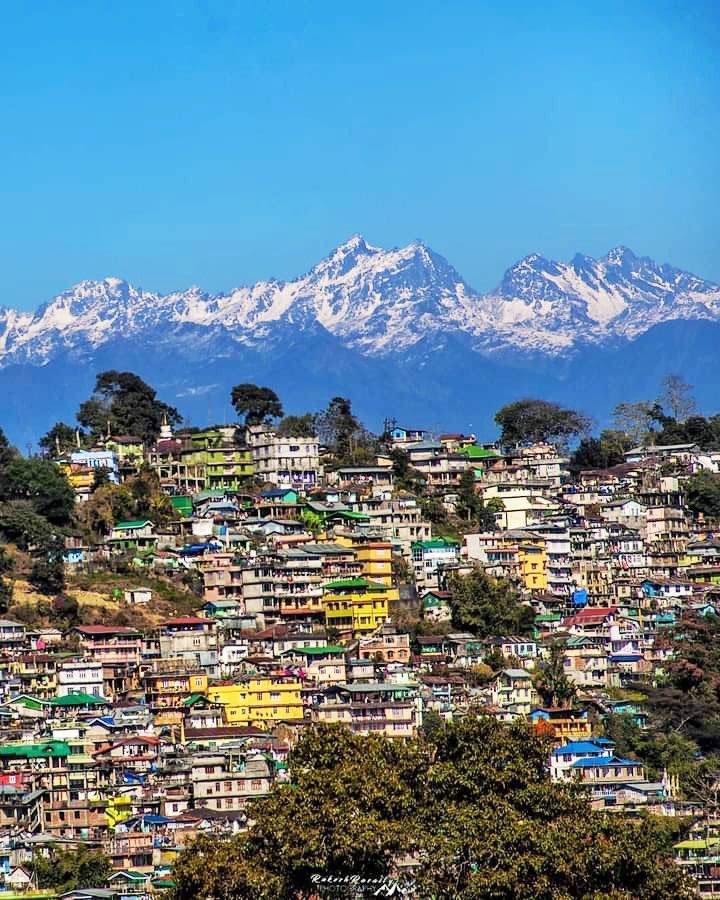
Kalimpong
→Kalimpong, a quiet hill town in West Bengal overlooking the Teesta River and the Kangchenjunga range, was once a major trading post on the Silk Route between India and Tibet, and its unique cultural heritage still resonates through its markets and monasteries. Known as the nursery capital of India, Kalimpong is famous for its exotic orchid nurseries, cactus gardens, and the colorful Saturday market selling Tibetan antiques and local handicrafts. The Zang Dhok Palri Monastery and the panoramic Deolo Hill viewpoint are among the must-visit spots in this understated gem.
39 km
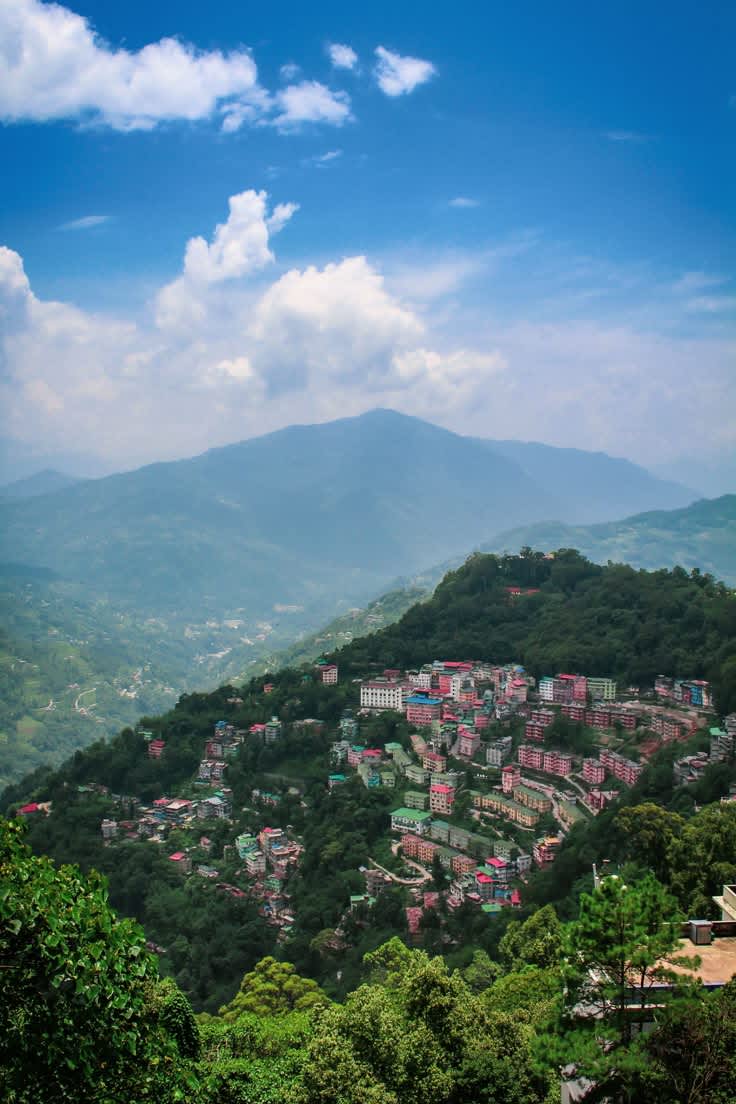
Pelling
→Pelling is a serene hill station in West Sikkim that offers arguably the most spectacular close-up views of the Kangchenjunga, the world's third-highest mountain, along with its neighboring peaks. The town is dotted with ancient monasteries including the revered Pemayangtse Monastery, waterfalls like Kanchenjunga Falls, and the historic Rabdentse ruins of the former Sikkimese capital. Pelling's laid-back atmosphere, pristine mountain air, and unobstructed Himalayan panoramas make it an ideal retreat for nature lovers and those seeking a tranquil escape.
47 km
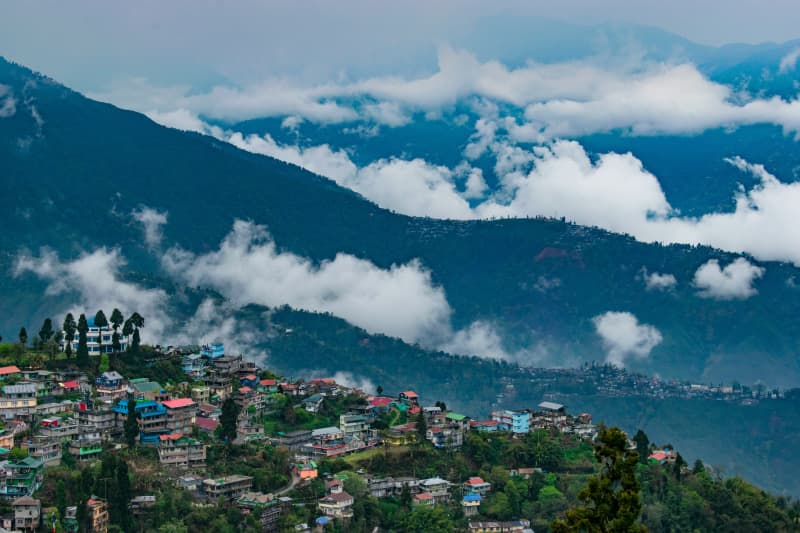
Darjeeling
→Darjeeling, the "Queen of the Hills" in West Bengal, is world-renowned for producing the finest tea on earth and for offering some of the most iconic sunrise views of Kangchenjunga from Tiger Hill. The UNESCO-listed Darjeeling Himalayan Railway — the beloved toy train — winds through misty mountains and verdant tea estates, offering a nostalgic journey back in time. Beyond tea gardens and mountain views, Darjeeling's vibrant Tibetan-Nepali culture, the historic Ghoom Monastery, and the lively bazaars make it one of India's most charming and beloved hill stations.
322 km
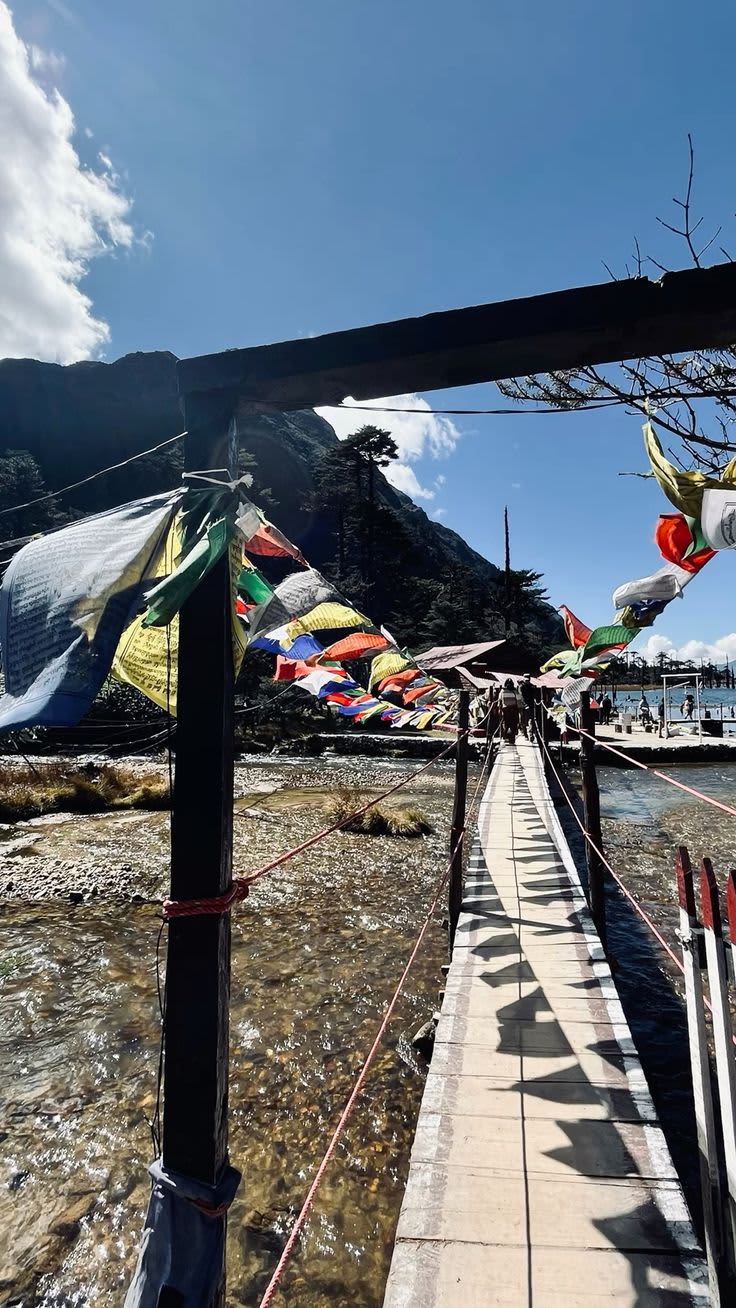
Tawang
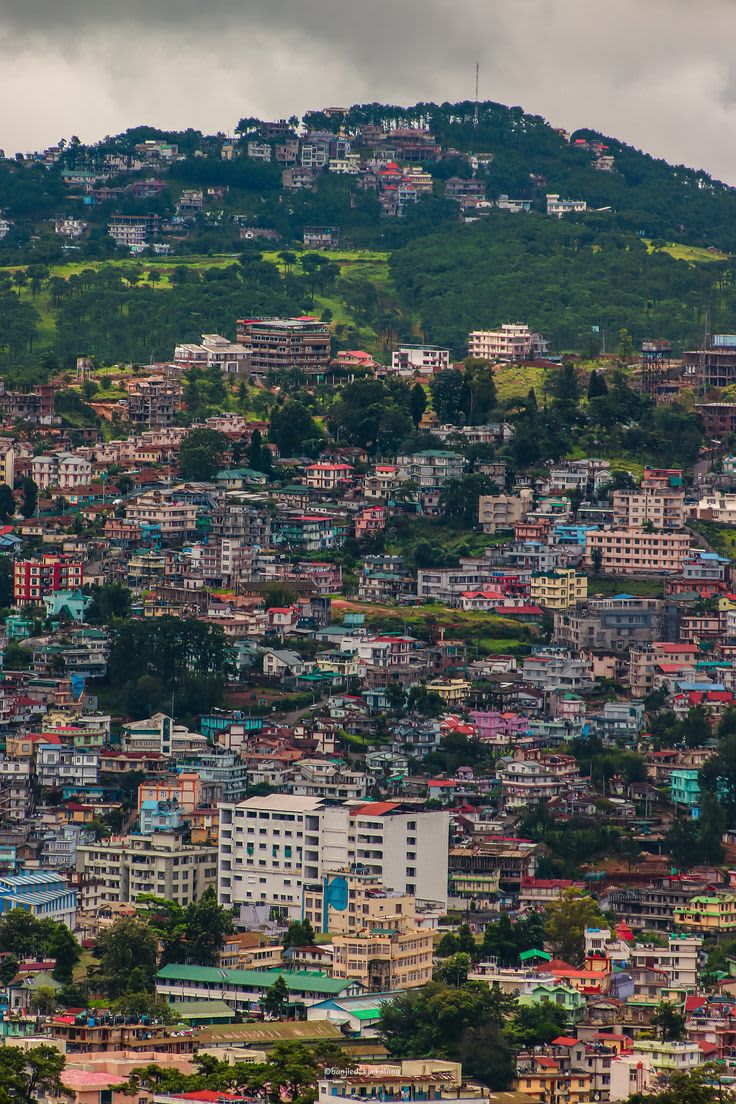
→Tawang, nestled at 3,048 meters in the western corner of Arunachal Pradesh bordering Bhutan and China, is a remote and deeply sacred Buddhist destination home to the Tawang Monastery — the largest Buddhist monastery in India and the second largest in the world after Potala Palace in Lhasa. The monastery, perched dramatically on a ridge overlooking the Tawang Valley, was founded in 1680 and is the birthplace of the 6th Dalai Lama, making it one of Tibetan Buddhism's most revered centers. The breathtaking Sela Pass at 4,170 meters, the pristine Madhuri Lake (Shungetser Lake), and the warm hospitality of the Monpa people make Tawang an unforgettable frontier adventure.
381 km
Shillong
→Shillong, the capital of Meghalaya and known as the "Scotland of the East," is a vibrant, rolling hill city at 1,496 meters surrounded by pine-clad hills and waterfalls that formed the backdrop for many a beloved Bollywood romantic scene. The city boasts a unique blend of British colonial architecture, indigenous Khasi culture, and a legendary live music scene that has produced some of India's finest rock musicians. Ward's Lake in the city center, the stunning Elephant Falls, the Cathedral of Mary Help of Christians, and easy day trips to the living root bridges of Cherrapunji make Shillong one of Northeast India's most captivating destinations.
388 km
Cherrapunji
→Cherrapunji, locally known as Sohra, in the East Khasi Hills of Meghalaya holds the record for some of the highest rainfall ever recorded on earth and is a land of extraordinary waterfalls, dramatic gorges, and the most remarkable feat of human bio-engineering — the living root bridges grown by the indigenous Khasi people by training ficus tree roots across streams over centuries. The Nohkalikai Falls — India's tallest plunge waterfall dropping 340 meters into a turquoise pool — and the panoramic views across the Bangladesh plains from the plateau edge make Cherrapunji one of India's most dramatic natural destinations.
460 km
Kaziranga National Park
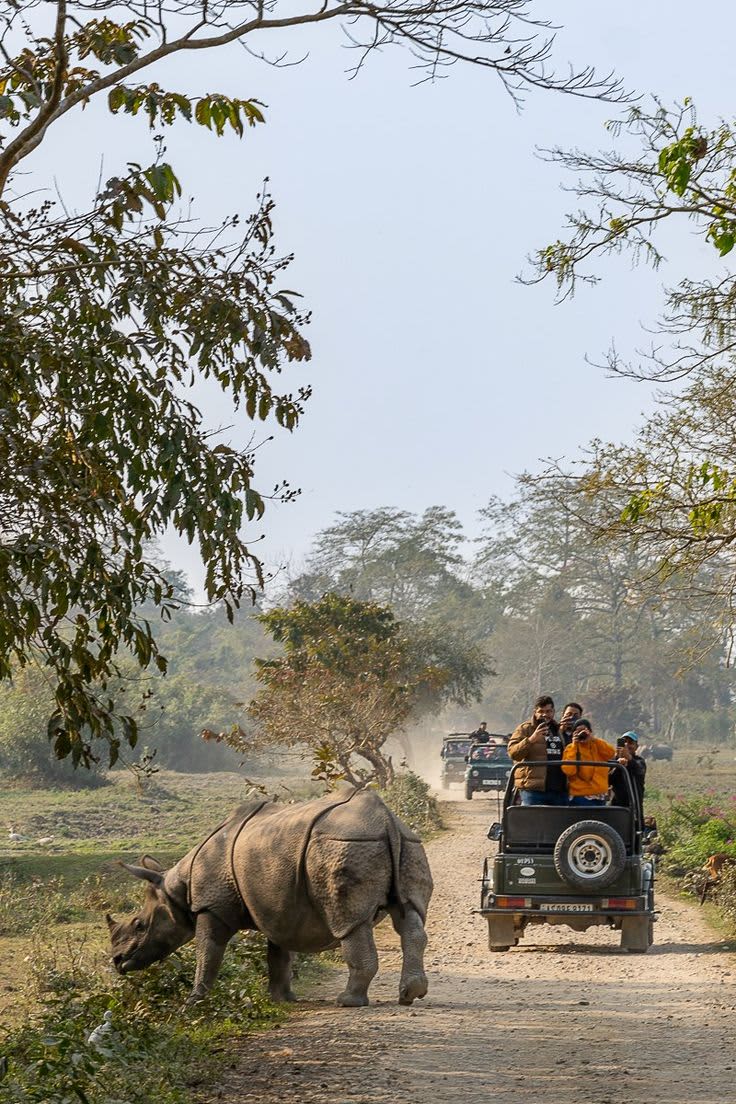
→Kaziranga National Park, a UNESCO World Heritage Site in Assam, is the world's most important refuge for the endangered one-horned rhinoceros, sheltering more than two-thirds of the global population. The park's floodplain landscape of tall elephant grass, dense forests, and wetlands along the Brahmaputra River also supports the world's highest density of tigers, along with wild water buffalo, swamp deer, elephants, and thousands of migratory birds. Jeep and elephant safaris through Kaziranga offer an unparalleled wildlife experience in one of India's most biodiverse ecosystems.
515 km
Ziro
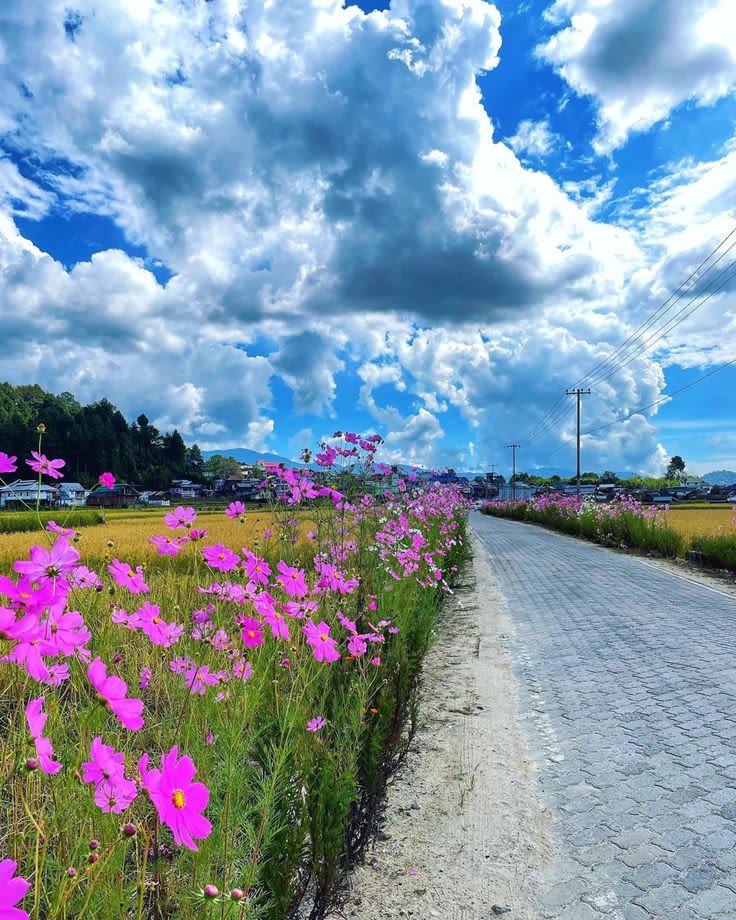
→Ziro, a picturesque valley town in Arunachal Pradesh's Lower Subansiri district, is home to the indigenous Apatani tribe and their unique cultural landscape of terraced paddy fields and pine forests, recognized as a UNESCO Tentative World Heritage Site. The Apatani people's traditional agricultural system, intricate face tattoos, and distinctive bamboo architecture make Ziro one of the most culturally fascinating destinations in Northeast India. Every September, the Ziro Music Festival — held against the backdrop of misty mountains and paddy fields — transforms this remote valley into a celebrated gathering of independent musicians from across India and beyond.
600 km
Sundarbans
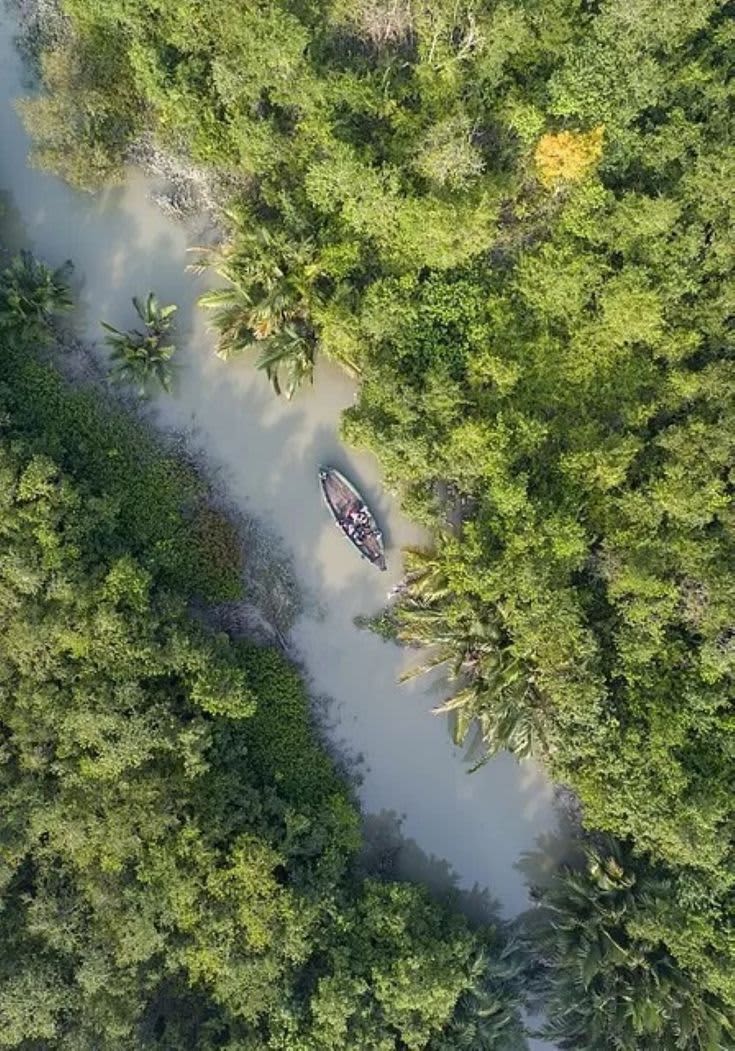
→The Sundarbans, a UNESCO World Heritage Site and the world's largest mangrove delta shared between India and Bangladesh, is one of the most unique and mysterious wildlife habitats on earth. Home to the Bengal tiger — uniquely adapted to swimming between islands — as well as saltwater crocodiles, Irrawaddy dolphins, and the endangered Gangetic dolphin, the Sundarbans is a biodiversity hotspot unlike any other. Boat safaris through the labyrinthine network of tidal creeks and mangrove channels in the West Bengal delta offer an eerie, exhilarating, and deeply memorable wildlife experience.
605 km
Varanasi
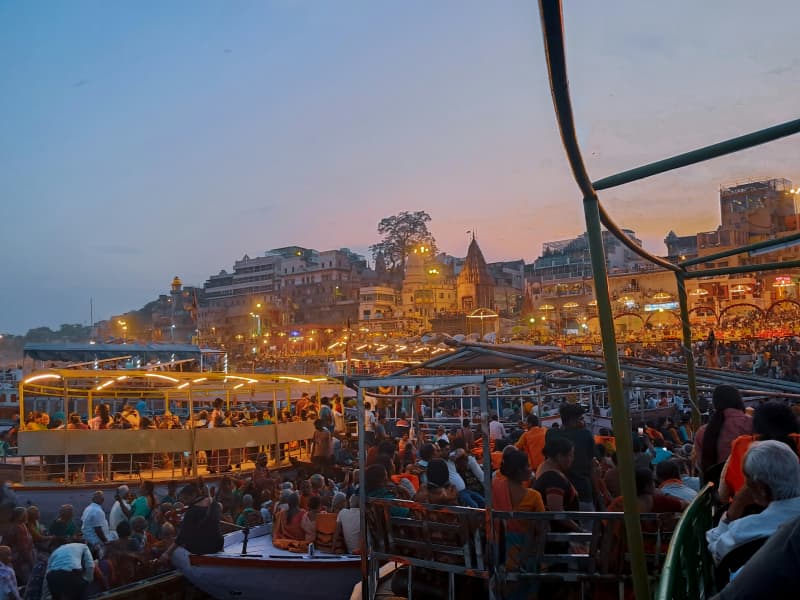
→Varanasi, one of the world's oldest continuously inhabited cities and Hinduism's most sacred destination, sits on the banks of the Ganges in Uttar Pradesh and is believed by Hindus to be the city where dying releases one from the cycle of rebirth. The ghats of Varanasi — 84 in all — are the spiritual heartbeat of India, where the faithful bathe at dawn, priests perform elaborate fire rituals, and funeral pyres burn perpetually at the Manikarnika Ghat. The ancient temples, the labyrinthine old city lanes, the evening Ganga Aarti ceremony, and the profound sense of mortality and transcendence make Varanasi the most spiritually intense city in India.