Best Places Similar in Amritsar
Best Places Similar to Amritsar
Amritsar, Punjab's holiest city, is home to the Harmandir Sahib — commonly known as the Golden Temple — the most sacred shrine in Sikhism and one of the most breathtakingly beautiful religious sites in the world, its golden facade reflected in the sacred Amrit Sarovar (Pool of Nectar) that surrounds it. The temple's langar, where up to 100,000 free meals are served daily regardless of caste, religion, or nationality, embodies the Sikh values of equality and service. The Wagah Border ceremony, the historic Jallianwala Bagh garden, and the delectable Amritsari cuisine of kulcha-chhole and lassi make Amritsar a destination that nourishes both body and soul.

Vaishno Devi
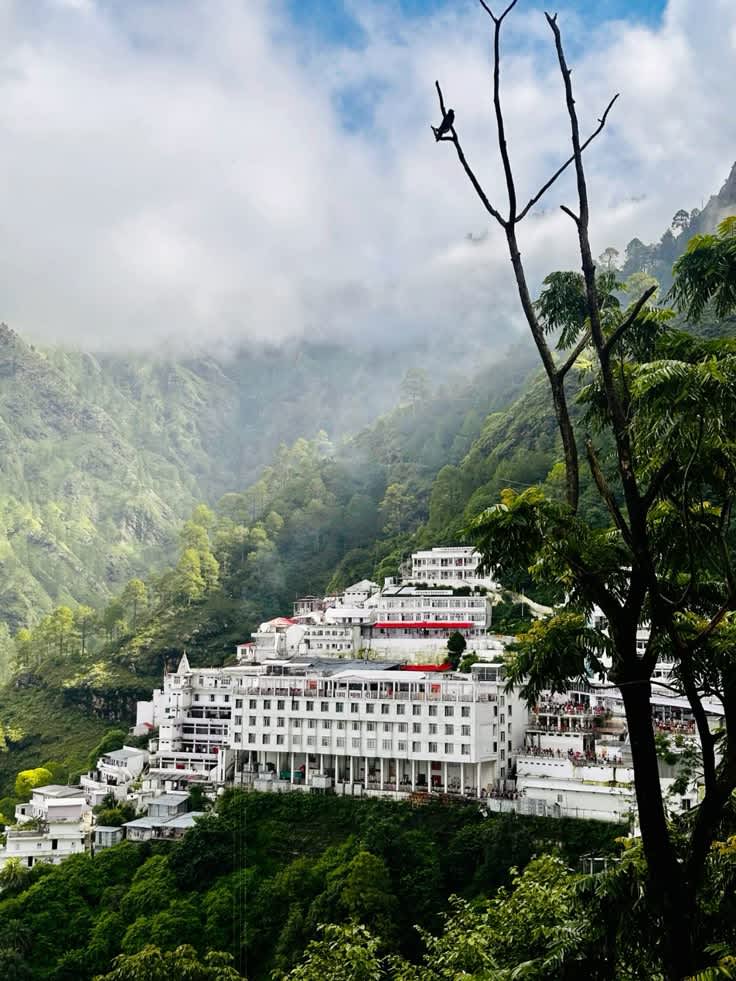
→Vaishno Devi, one of the most visited Hindu pilgrimage sites in India, is a sacred cave shrine nestled in the Trikuta Mountains of Jammu & Kashmir at an altitude of 1,560 meters, dedicated to the manifestation of the Mother Goddess (Shakti). The 13-kilometer pilgrimage trek from Katra through pine forests and mountain terrain to the holy cave, where the goddess is worshipped in the form of three natural rock formations (pindies), is undertaken by millions of devotees annually. The journey is as much about spiritual dedication as it is about the beauty of the Himalayan landscape through which the pilgrimage route winds.
Katra
→Katra is the base camp town in Jammu & Kashmir for the pilgrimage to the revered Vaishno Devi shrine, one of the most visited Hindu pilgrimage sites in India attracting millions of devotees every year. The 12-kilometer trek from Katra through the Trikuta mountain range to the holy cave shrine of Goddess Vaishno Devi is a spiritually charged and scenically beautiful journey through forests and mountains. The town itself offers a range of accommodations and is the starting point for the thrilling helicopter service to the shrine, making it an important gateway for pilgrims across India.
Delhi
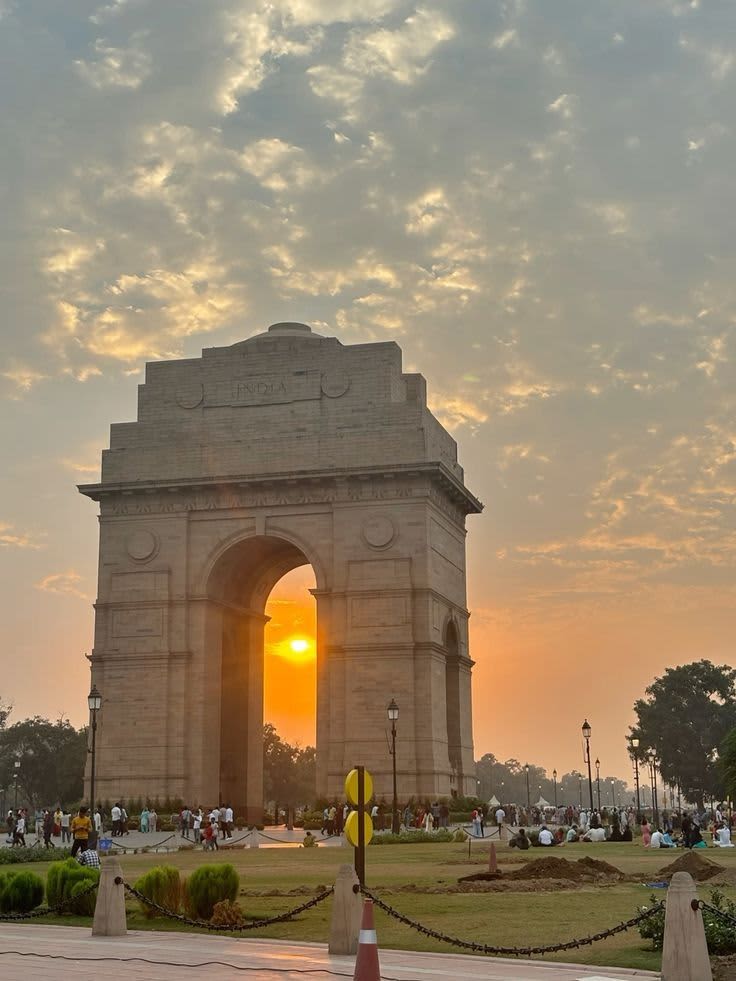
→Delhi, India's sprawling national capital, is one of the world's oldest continuously inhabited cities and a living tapestry of civilizations spanning 5,000 years, from the medieval lanes of Shahjahanabad to the wide boulevards of Lutyens' Delhi. UNESCO World Heritage Sites like the Red Fort, Humayun's Tomb, and the Qutub Minar stand alongside the modern parliament buildings and a world-class metro system. Delhi's extraordinary street food scene — from Old Delhi's parathas to Chandni Chowk's jalebis — and its vibrant markets, Mughal monuments, and cultural institutions make it an endlessly compelling destination.
Haridwar
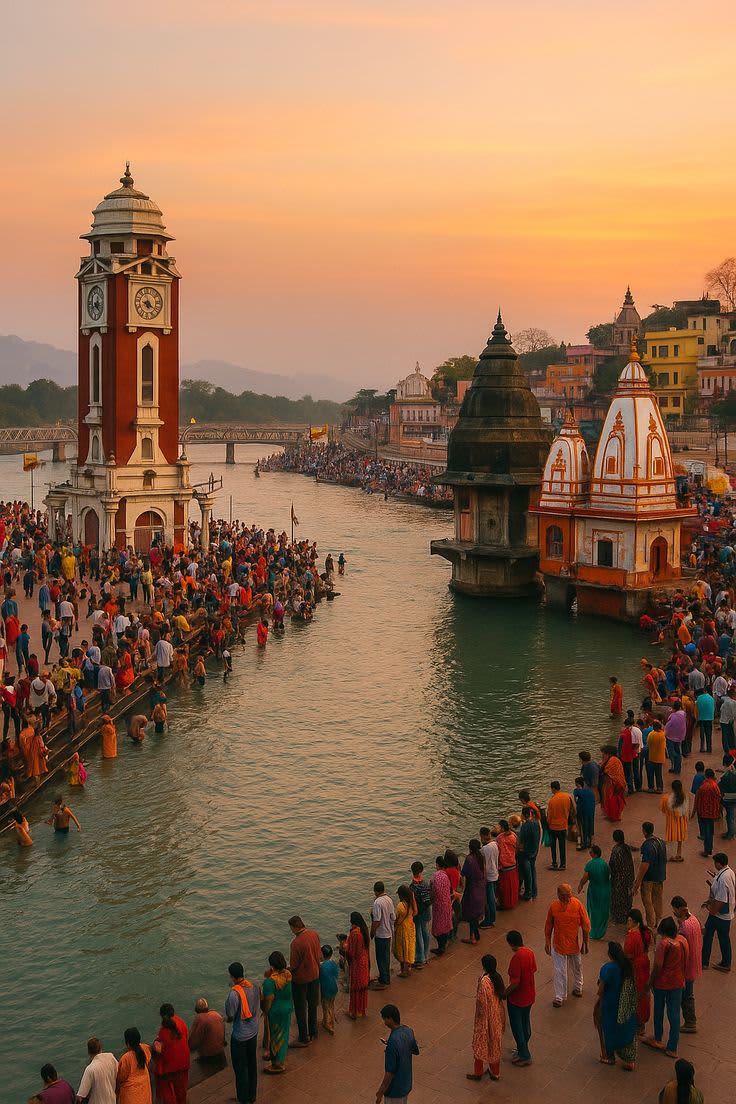
→The holy city of Haridwar translates to "Gateway to God," and this breathtaking destination, replete with ancient temples and sacred ghats, is a magnet for religious pilgrims from all over the globe. Religious festivals like Kumbh Mela and Kanwar Yatra hold further draw, and visitors can't help but be compelled by the city's aura of intense spirituality. Don't miss the iconic Har ki Pauri ghat and the hilltop Chandi Devi Temple.
Varanasi
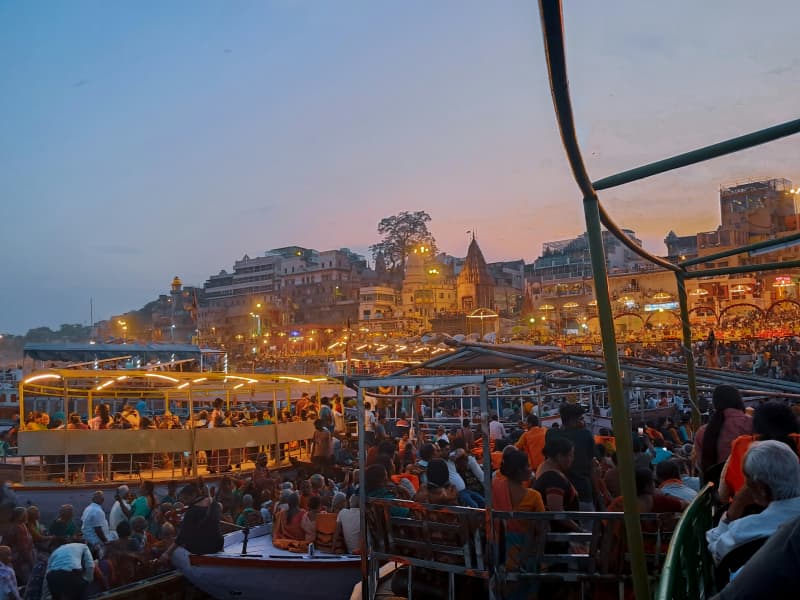
→Varanasi, one of the world's oldest continuously inhabited cities and Hinduism's most sacred destination, sits on the banks of the Ganges in Uttar Pradesh and is believed by Hindus to be the city where dying releases one from the cycle of rebirth. The ghats of Varanasi — 84 in all — are the spiritual heartbeat of India, where the faithful bathe at dawn, priests perform elaborate fire rituals, and funeral pyres burn perpetually at the Manikarnika Ghat. The ancient temples, the labyrinthine old city lanes, the evening Ganga Aarti ceremony, and the profound sense of mortality and transcendence make Varanasi the most spiritually intense city in India.
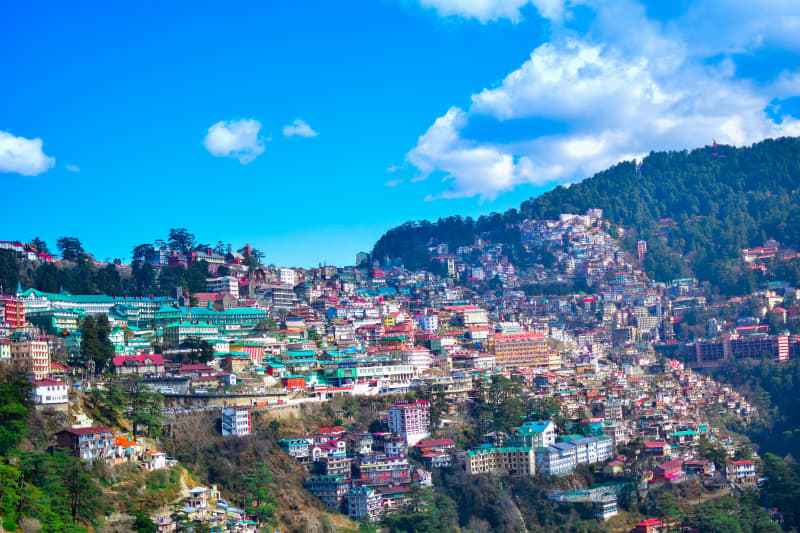
Shimla
→Shimla, the former summer capital of British India and now the capital of Himachal Pradesh, enchants visitors with its Victorian-era architecture, crisp mountain air, and sweeping Himalayan vistas. The iconic Ridge and Mall Road at the heart of the town bustle with activity year-round, while the UNESCO-listed Kalka-Shimla toy train journey is a scenic marvel in itself. From adventure activities like skiing and trekking to exploring colonial-era buildings and temples, Shimla is one of India's most beloved hill station destinations.

Manali
→Manali, situated at 2,050 meters in the Kullu Valley of Himachal Pradesh, is India's adventure capital and a year-round magnet for travelers seeking snow, thrills, and Himalayan beauty. In winter, the slopes of Solang Valley and Rohtang Pass transform into a snowy playground for skiing and snowboarding, while summer brings trekkers, paragliders, and mountaineers. The ancient Hadimba Devi Temple, the hippie haven of Old Manali, and the dramatic Rohtang Pass make this high-altitude town an unparalleled destination in the Indian Himalayas.
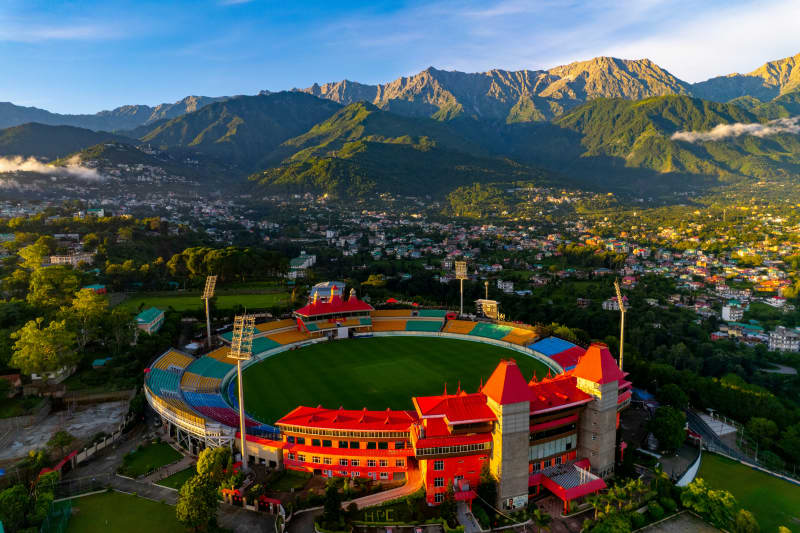
Dharmshala
→Dharamshala, nestled in the Kangra Valley of the Dhauladhar mountain range, is best known as the home of the Dalai Lama and the Tibetan government-in-exile, earning it the nickname "Little Lhasa." The upper reaches of McLeod Ganj brim with Tibetan culture, monasteries, and Buddhist art, while the surrounding landscape offers excellent trekking through rhododendron forests and to Triund Hill. Whether you're seeking spiritual wisdom, mountain adventure, or vibrant café culture, Dharamshala is a uniquely enriching destination in Himachal Pradesh.

McLeod Ganj
→McLeod Ganj, the upper neighborhood of Dharamshala in Himachal Pradesh, is the seat of the Tibetan government-in-exile and residence of His Holiness the 14th Dalai Lama, earning it the spiritual and cultural nickname of "Little Lhasa." The Tsuglagkhang Complex housing the Dalai Lama's temple and Tibet Museum, the Namgyal Monastery, and the Tibetan Institute of Performing Arts make McLeod Ganj an extraordinary window into Tibetan Buddhist culture and the resilience of a people in exile. The town's Buddhist cafés, secondhand bookshops, and trekking trails leading up to Triund Ridge and the Dhauladhar peaks attract travelers seeking both spiritual sustenance and adventure.
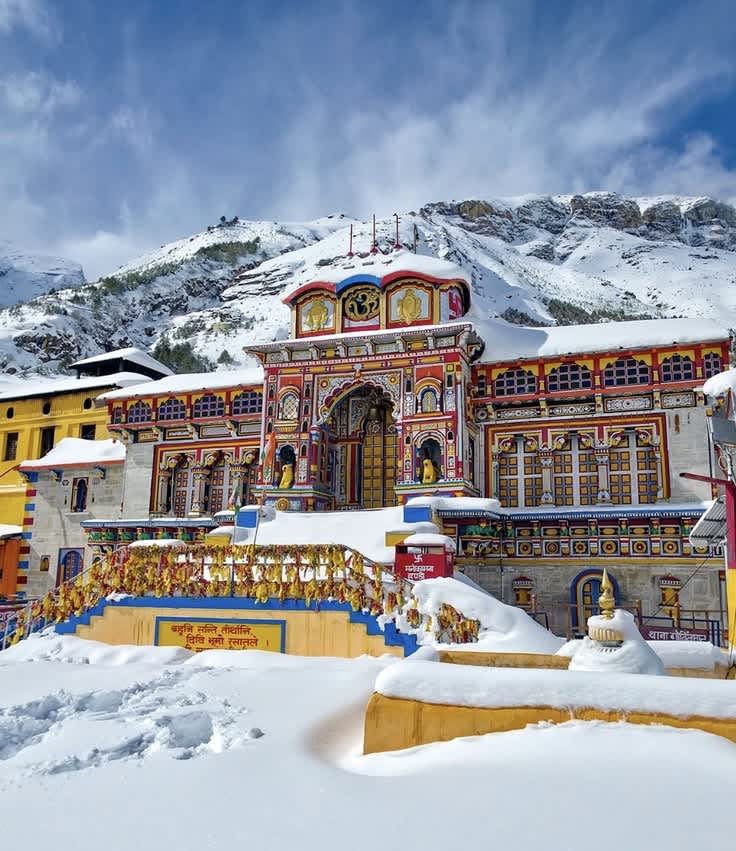
Badrinath
→Badrinath, one of the most revered Vishnu shrines in Hinduism and the final destination on the Char Dham pilgrimage circuit, sits at 3,133 meters in the Garhwal Himalayas of Uttarakhand on the banks of the Alaknanda River. The colorful Badrinath Temple, framed by the towering Nilkantha Peak, draws hundreds of thousands of pilgrims during its six-month opening season each year. The nearby Tapt Kund hot springs for ritual bathing, the mythologically significant Brahma Kapal ghat, and the Valley of Flowers and Hemkund Sahib nearby make Badrinath a destination of extraordinary spiritual and natural richness.