Nature destinations
Discover destinations in this category.
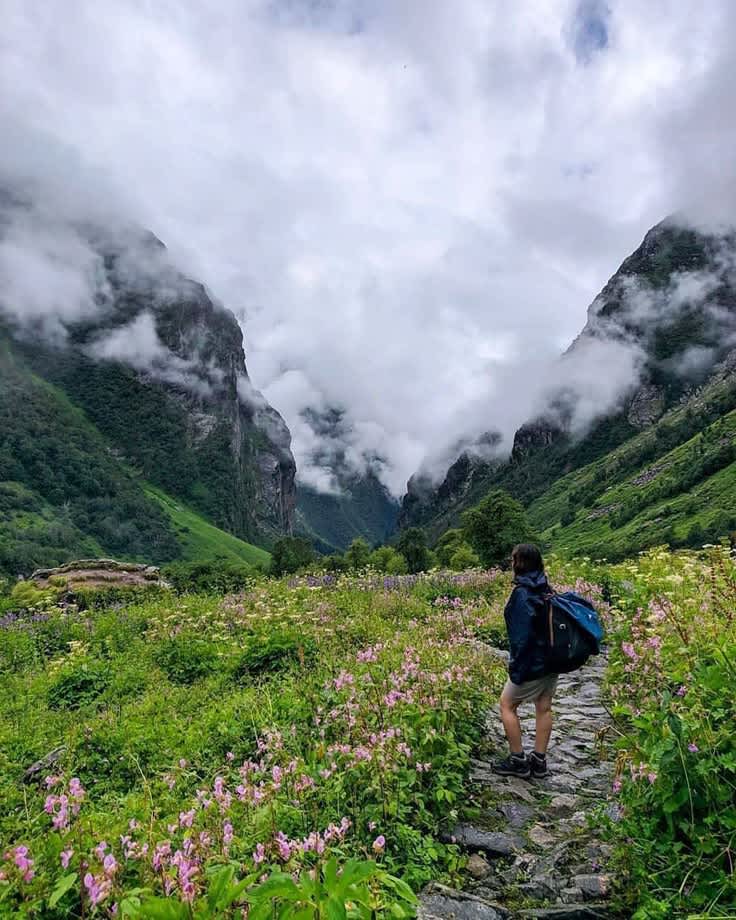
Valley of Flowers
Valley of Flowers, India
Best time to visit
Jul – AugTrip duration
5-6 DaysTop Activities
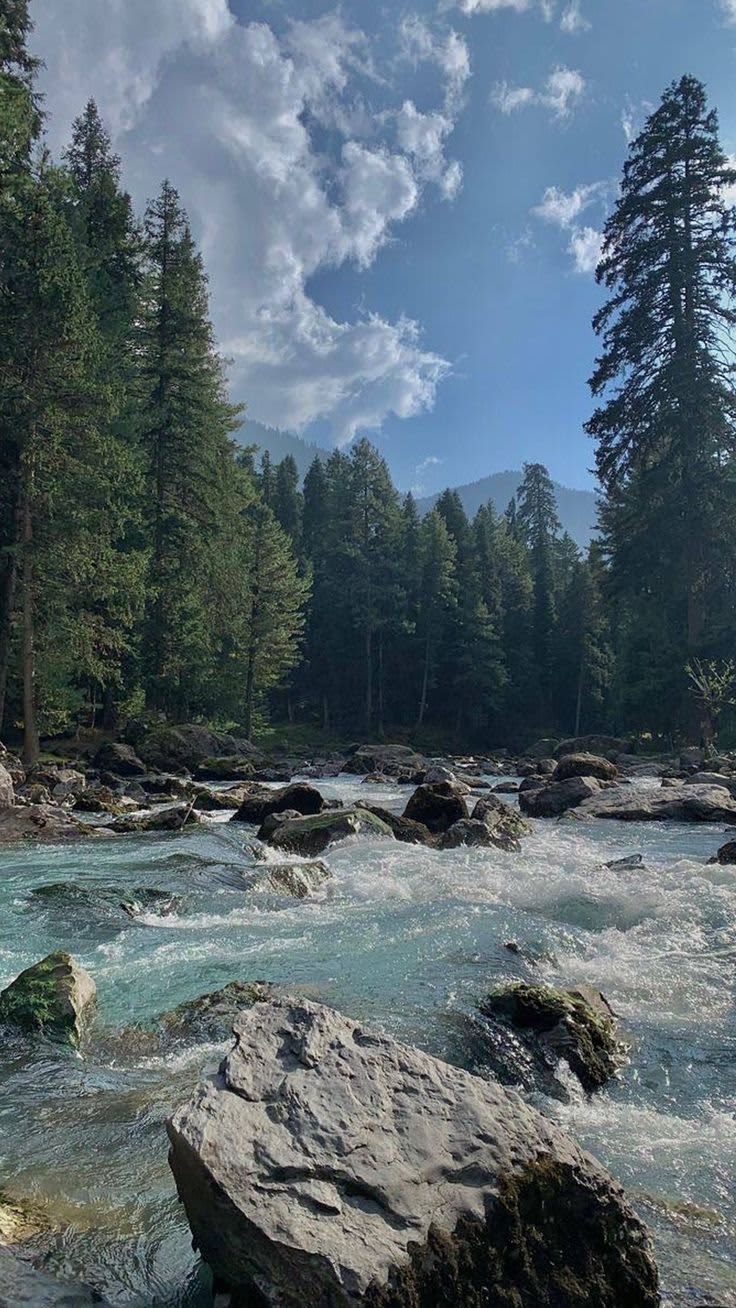
Doodhpathri
Doodhpathri, India
Best time to visit
Apr, May, Jun, Sep, OctTrip duration
1-2 DaysTop Activities
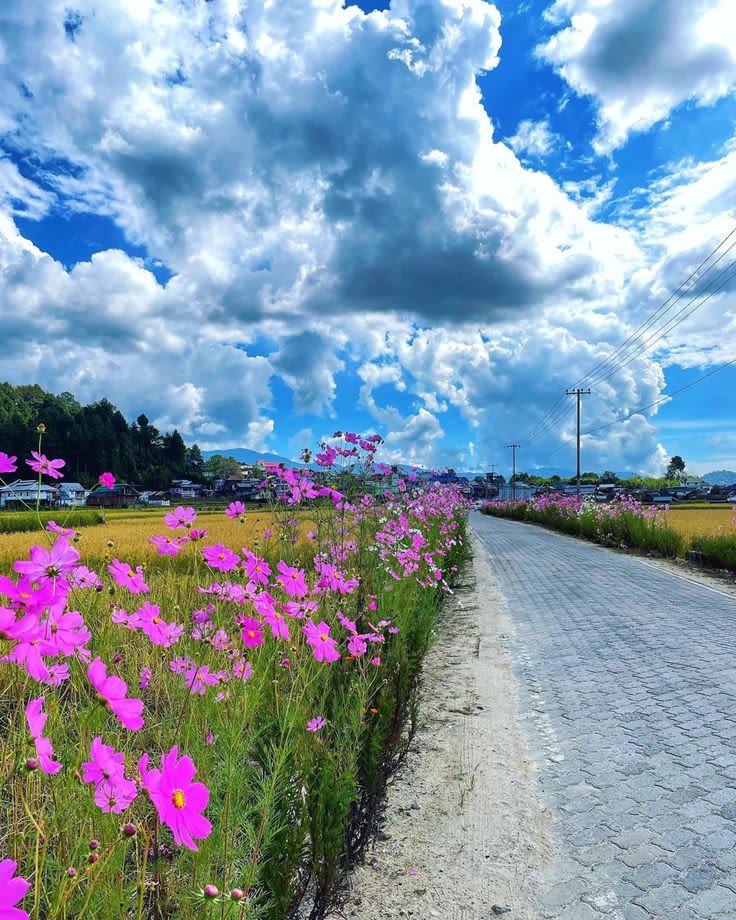
Ziro
Ziro, India
Best time to visit
Sep – OctTrip duration
3-4 DaysTop Activities
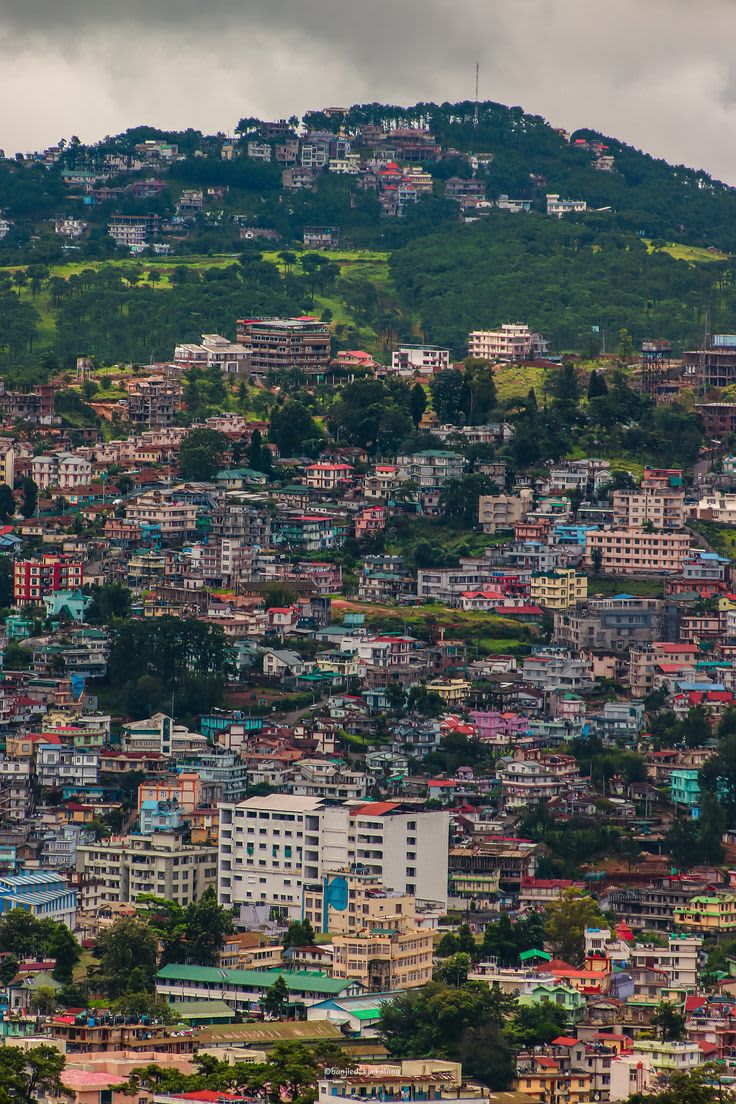
Cherrapunji
Cherrapunji, India
Best time to visit
Jan, Feb, Mar, Sep, Oct, Nov, DecTrip duration
2-3 DaysTop Activities

Valley of Flowers National Park
Valley of Flowers National Park — a UNESCO World Heritage Site in Uttarakhand — is India's most spectacular high-altitude alpine meadow, bursting with 300+ Himalayan wildflower species from July to September. The 17 km trek from Ghangaria through the Pushpawati River valley rewards with a canvas of primulas, brahmakamal, and blue poppies against snow-capped Himalayan peaks. One of India's greatest trekking experiences. Open July to October only.

Hemkund Sahib
Hemkund Sahib is one of the world's highest Sikh gurudwaras at 4,329 m, set on the shore of a glacial lake ringed by seven Himalayan peaks near the Valley of Flowers. The 6 km trek from Ghangaria to the gurudwara is one of India's most sacred and physically demanding pilgrimages, drawing hundreds of thousands of Sikh pilgrims annually. The gurudwara's location — on a frozen lake surrounded by snow — is among the most dramatic spiritual settings on earth.

Ghangaria Village
Ghangaria (also called Govindghat Base Camp) at 3,048 m is the last inhabited village and trekking base camp before the Valley of Flowers and Hemkund Sahib in Uttarakhand. The only accommodation hub for trekkers visiting both sites, it sits at the confluence of the Pushpawati and Laxmanganga rivers. Stay here before and after the trek for acclimatization, hot meals, and mountain views. A critical waypoint on every Valley of Flowers trek itinerary.

Pushpawati River Valley
The Pushpawati River flows through the heart of the Valley of Flowers National Park, fed by glacial meltwater from the Tipra Glacier. Following the riverbank forms the main trekking trail through the valley — a corridor of extraordinary floral diversity, endemic Himalayan birds, and wildlife including snow leopard, Himalayan musk deer, and brown bear. The river's pristine glacial waters and flower-draped banks make it the most photographed natural landscape in Uttarakhand.
Govindghat
Govindghat is the road-head gateway to the Valley of Flowers and Hemkund Sahib trek at 1,828 m, situated at the confluence of the Alaknanda and Laxmanganga rivers on the Badrinath Highway. A major Sikh pilgrimage town with a large gurudwara, it is the registration point for Valley of Flowers trekking permits. From here, a 13 km trek leads to Ghangaria base camp. Well connected by road from Rishikesh and Haridwar. The starting point of one of India's greatest Himalayan treks.