Things to do in Ladakh
Things to do in Ladakh
Ladakh, the Land of High Passes, is India's largest, least populated, and perhaps most spectacular region — a high-altitude desert where ancient Buddhist culture thrives amid one of the world's most dramatic landscapes of barren mountains, glacial rivers, and impossibly blue skies. The region's legendary monasteries at Hemis, Thiksey, Lamayuru, and Alchi preserve centuries of Tibetan Buddhist art and learning, while the landscape hosts some of the planet's most ambitious adventure routes. From the azure waters of Pangong and Tso Moriri lakes to the frozen Chadar trek on the Zanskar River, Ladakh is a destination of superlatives that every traveler should experience.
 Adventure / MotorcycleView full guide
5–8 days (one way from Manali)
Bike Trip
Ride the legendary Manali–Leh Highway (479 km) or Srinagar–Leh Highway (434 km) — two of the world's most dramatic motorcycle routes crossing 5 high-altitude passes including Rohtang (3,978 m), Baralacha La (4,890 m), Tanglang La (5,328 m), and Khardung La (5,359 m — one of the world's highest motorable roads).
 Spiritual / CulturalView full guide
Full day to explore multiple gompas
Monastery Visits
Explore Ladakh's ancient Buddhist monasteries — Hemis (largest in Ladakh, famous for its June festival), Thiksey (resembles the Potala Palace in Lhasa), Diskit (2nd century, with a 32-metre Maitreya Buddha statue), Lamayuru (dubbed 'Moonland' for its lunar landscape setting), and Alchi (1,000-year-old murals).
 Trekking / AdventureView full guide
2 to 14 days
Trekking
Explore Ladakh's epic trekking routes — the Markha Valley Trek (5 days; crossing Kongmaru La 5,150 m), the Sham Valley Trek ('Lamayuru to Alchi' — 4 days; gentler), the challenging Stok Kangri summit (6,153 m; non-technical mountaineering peak), or the remote Zanskar Valley traverse (10+ days).
 Nature / SightseeingView full guide
1–2 days per lake (with travel)
Lake Visits
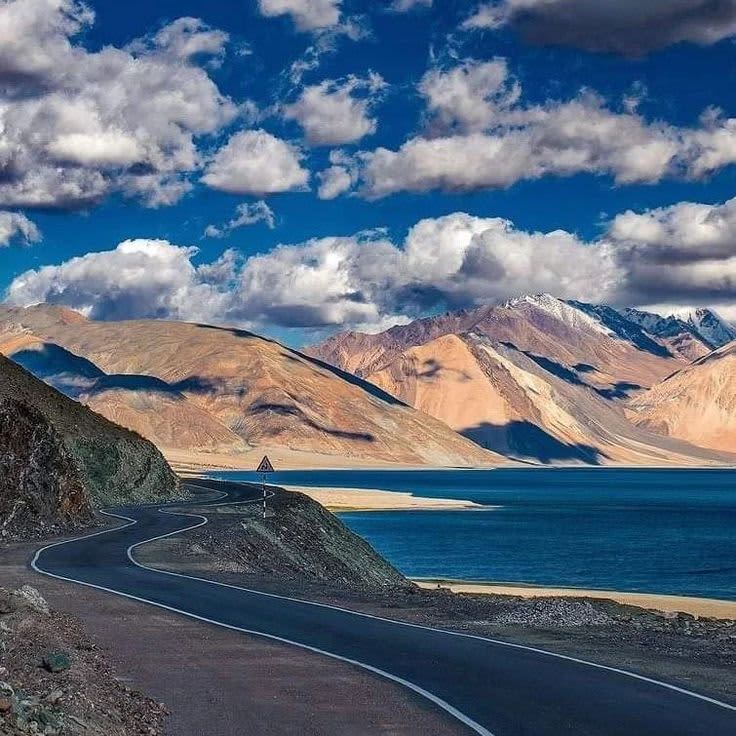
Explore Ladakh's spectacular high-altitude lakes — Pangong Tso (4,350 m; colour-changing marvel), Tso Moriri (4,595 m; remote and pristine with breeding black-necked cranes), Tso Kar (4,525 m; salt lake with flamingos), and Yamdrok-like Hanle area lakes — each offering otherworldly landscapes.
 Nature / AdventureView full guide
1–5 nights across various sites
Camping
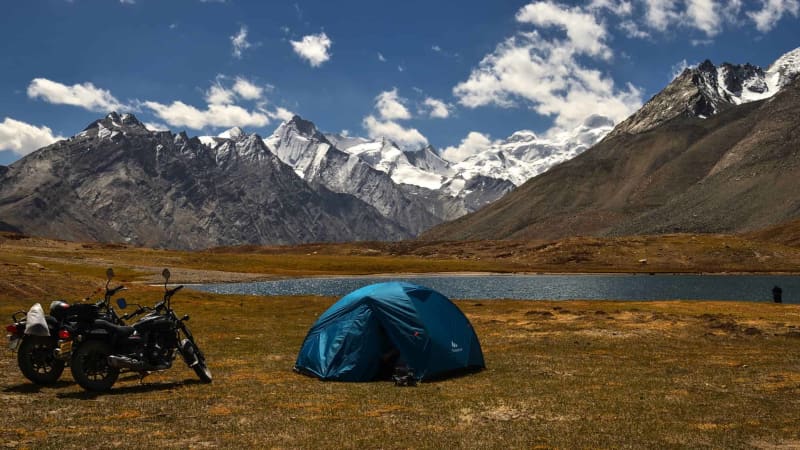
Camp under Ladakh's legendary night skies — at Pangong Tso's lakeshore, Nubra Valley's sand dunes, Markha Valley's high camps, or the remote Zanskar riverbanks. Ladakh's combination of extreme altitude, dry air, and zero light pollution creates some of the world's finest stargazing conditions.
 Adventure / Water SportsView full guide
3–6 hours
River Rafting
Raft through the dramatic gorges of the Zanskar River (famous for its frozen 'Chadar Trek' in winter) or the Indus River near Leh — thrilling Grade III–IV white-water runs through sheer 300-metre-high canyon walls in one of the world's most spectacular river landscapes.
 Astronomy / ScienceView full guide
2–4 hours
Stargazing
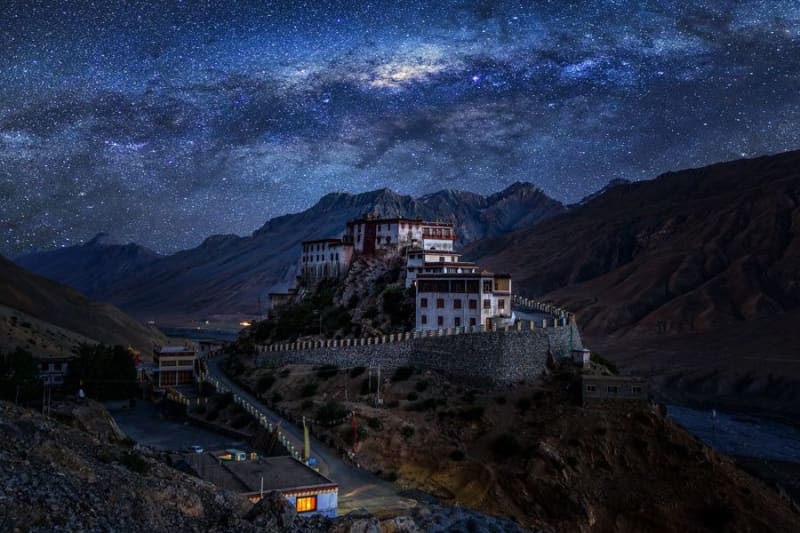
Stargaze at Ladakh's Hanle Observatory area — one of the world's best astronomical observatories (IAO at 4,500 m). The Indian Astronomical Observatory at Hanle hosts public stargazing programs, and the surrounding high-altitude desert is unrivalled for naked-eye astronomy.