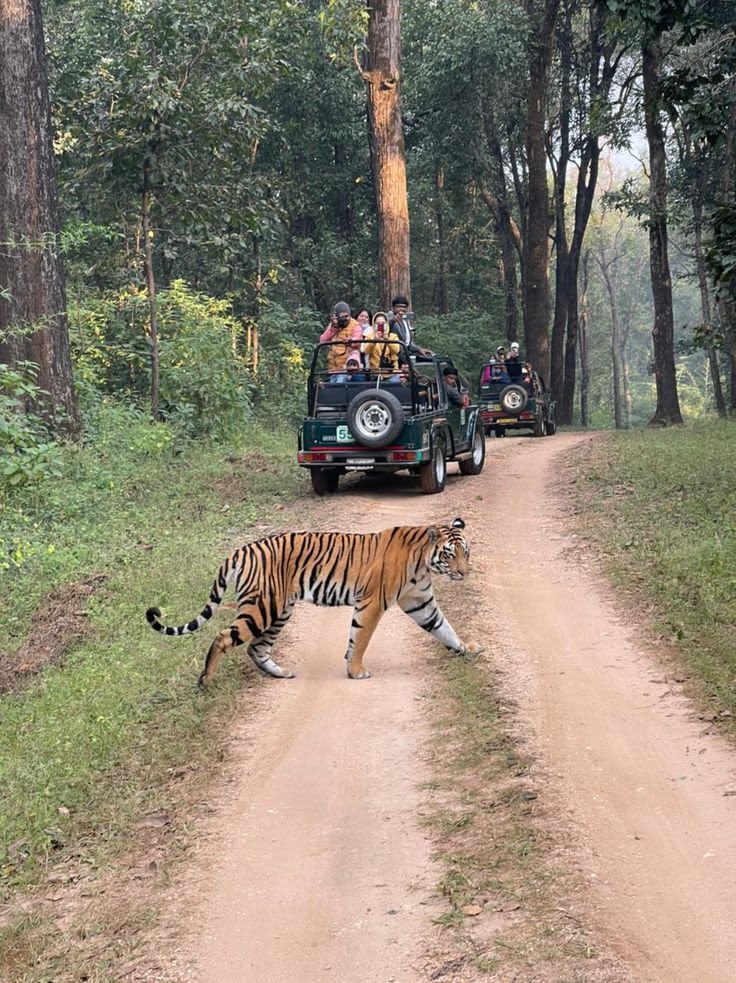
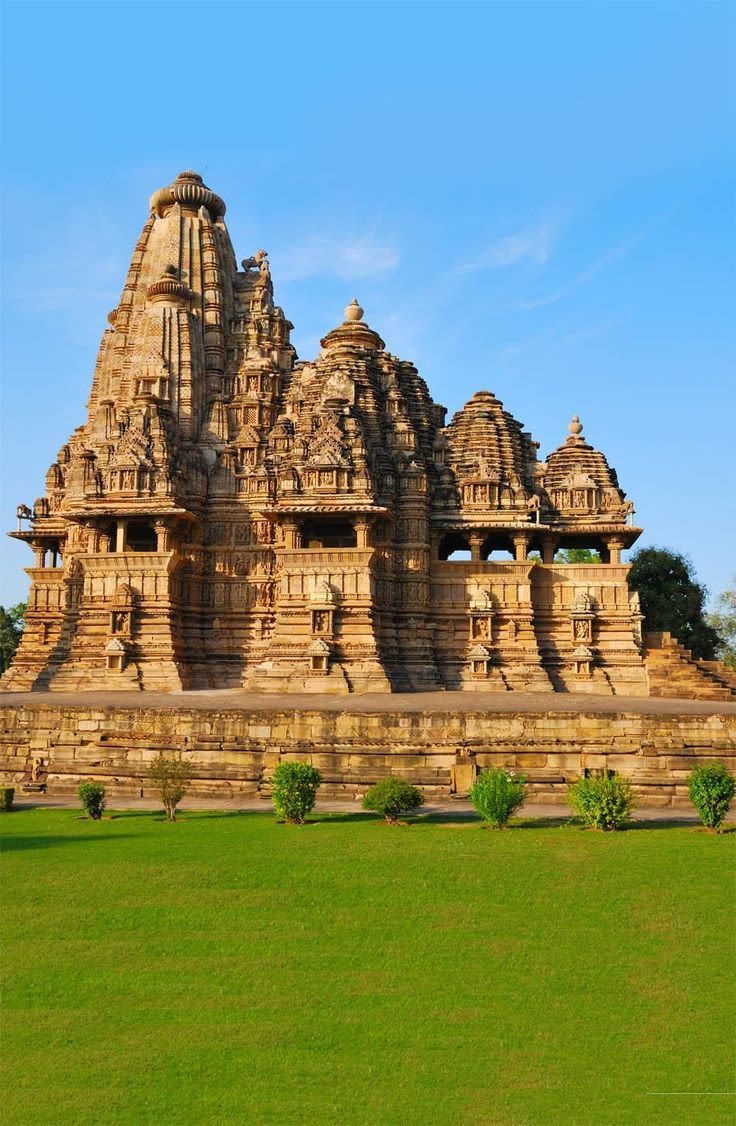
Khajuraho, a small town in Madhya Pradesh, is home to one of India's most extraordinary UNESCO World Heritage Sites — a group of medieval Hindu and Jain temples built by the Chandela dynasty between 9...
Khajuraho
Medieval Temples of Love & Artistry
Madhya Pradesh, India
4.8
UNESCO TemplesErotic SculpturesChandela Dynasty
heritage
Duration: 1–2 Days
Budget/day: ₹1,500 – ₹5,000
Best season: Oct – Mar
Altitude: 275 m
Nearest airport: Khajuraho Airport (within town, 5 km)
Nearest railway: Khajuraho Railway Station (within town)
Best places to visit in Khajuraho


Things to do in Khajuraho
- No photoHeritage / HistoricalView full guide
3–4 hours
Western Group of Temples UNESCO Tour
Khajuraho's Western Group of temples — including the magnificent Kandariya Mahadeva — represents the pinnacle of the Chandela dynasty's medieval temple art, with thousands of erotic and celestial sculptures covering every exterior surface in compositions of breathtaking complexity and beauty. A guided tour here is one of India's finest art history experiences.
- No photoCultural / EntertainmentView full guide
50 minutes
Sound and Light Show at Western Temples
Every evening, Khajuraho's Western Group of temples comes alive under dramatic illumination as a 50-minute sound and light show narrates the story of the Chandela kings and their architectural legacy through the voices of the temples themselves. The sight of floodlit 1,000-year-old temples against a dark sky is genuinely spectacular.
- No photoHeritage / SpiritualView full guide
1.5–2 hours
Eastern Group Jain Temples Walk
While less visited than the Western Group, the Eastern Group includes a cluster of exquisitely carved Jain temples — particularly the Parsvanatha Temple with its beautifully detailed friezes of celestial beings — set in a peaceful garden complex in Khajuraho's old village area.
Best Time to Visit and Weather Info
Best time: October to March
Summer (April–June) is very hot. The annual Khajuraho Dance Festival (February/March) is the most spectacular time to visit.
Winter
Best Time ⭐Oct – Mar
5°C – 28°C
Ideal weather for exploring the temple complex. The Khajuraho Dance Festival (Feb/March) features India's finest classical dancers performing against the lit temple backdrop.
- Khajuraho Dance Festival (Feb–Mar) is a world-class cultural event
- Hire a knowledgeable guide — the carvings are complex and require interpretation
How to Reach
✈️By Air
Airport: Khajuraho Airport (5 km from the temple complex)
Duration: ~15 mins
Daily flights from Delhi and Mumbai. Excellent connectivity despite the small airport.
Taxi: ₹150 – ₹300
Airlines: IndiGo, Air India, SpiceJet
🚂By Train
Station: Khajuraho Railway Station (new station, opened 2023)
Now connected by train from Delhi (Hazrat Nizamuddin) and Agra. Previously no direct connectivity.
- Khajuraho Express — Delhi (Hazrat Nizamuddin) (~10 hrs)
- Mahamana Express — Agra (~6 hrs)
🚌By Road
MPSRTC buses from Jhansi (175 km), Gwalior (280 km), and Satna (120 km). Private taxis recommended.
- Jhansi: 175 km, 3.5 hrs via NH-75
- Varanasi: 280 km, 6 hrs via Satna
- Orchha: 170 km, 3.5 hrs via Jhansi
Itineraries
Local Food
Khajuraho is a small temple town — food options are basic but a few decent restaurants cater to the international tourist crowd.
Dal Bafla
Madhya Pradesh's signature dish — wheat balls in ghee with five-lentil dal.
Where: Local dhabas in Khajuraho town
₹120 – ₹200
Tikka and Tandoori
Grilled meats and paneer from tandoor — available at all tourist-facing restaurants.
Where: Raja Café, Madras Café (tourist restaurants)
₹200 – ₹400
Poha
Central India's ubiquitous morning snack — spiced flattened rice.
Where: Morning stalls in town
₹30 – ₹60
Lassi
Thick chilled yogurt drink — plain or flavoured, perfect after a morning of temple exploration in the heat.
Where: Juice stalls and tea shops
₹50 – ₹100
Thali
Standard North Indian thali with dal, roti, rice, and sabzi.
Where: Dhabas near the Western temple complex
₹120 – ₹200
Raja Café Rooftop Dinner
The most popular travellers' restaurant with views over the temples — international and Indian menu.
Where: Raja Café, near Western Group of temples
₹300 – ₹600 per person
Khajuraho has a good concentration of tourist cafés given its small size. The Raja Café is a must-visit for the rooftop temple views and decent food.
FAQs
- Khajuraho is famous for its UNESCO World Heritage temples built between 950–1050 CE by the Chandela dynasty — renowned for their extraordinary erotic carvings (mithunas), intricate architecture, and remarkable sculptural detail.
Best Places Similar
Orchha
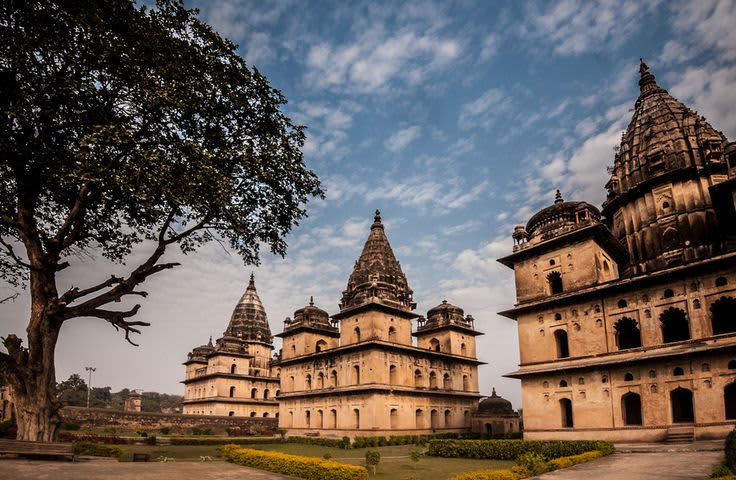
Orchha, a small medieval town on the Betwa River in Madhya Pradesh, is one of India's most underrated historical gems — a perfectly preserved Bundela-era capital of palaces, cenotaphs, and temples that appear frozen in time since the 16th and 17th centuries. The Jahangir Mahal palace, built to honor the Mughal Emperor's visit, is a breathtaking example of Mughal-Rajput architecture, while the Ram Raja Temple — the only temple in India where Lord Rama is worshipped as a king — is an extraordinary religious and cultural anomaly. Orchha's chaturbhuj temples rising above the Betwa River, the evening light-and-sound show at the palace complex, and the vultures nesting in the riverside cenotaphs create an atmosphere of remarkable historical enchantment.
Gwalior
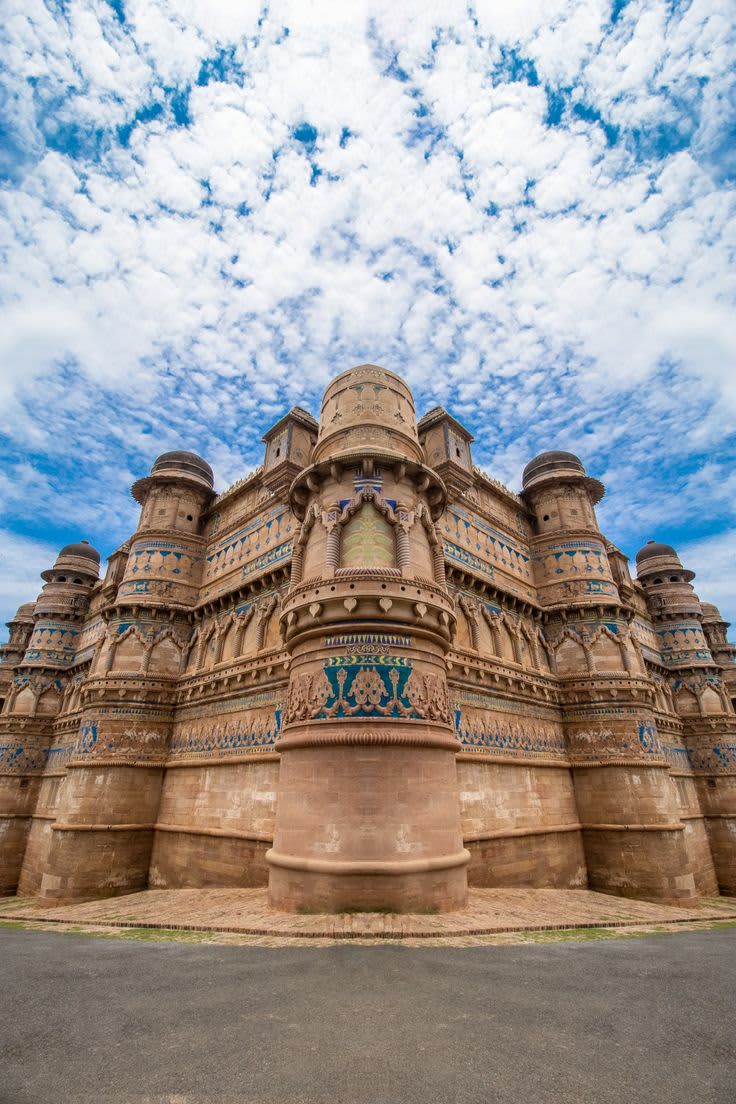
Gwalior, in Madhya Pradesh, is dominated by one of India's most spectacular forts — the Gwalior Fort, rising 100 meters on a rocky hill above the city, described by the Mughal Emperor Babur as the pearl among fortresses of Hind. The fort complex encompasses palaces including the magnificent Man Mandir Palace with its brilliant tile work, Jain rock-cut sculptures, temples, and water tanks spanning over a thousand years of architectural history. The city also celebrates its deep musical heritage as the birthplace of the Gwalior Gharana, one of the most prestigious classical music traditions in Hindustani music, through the Tansen Music Festival held each November.
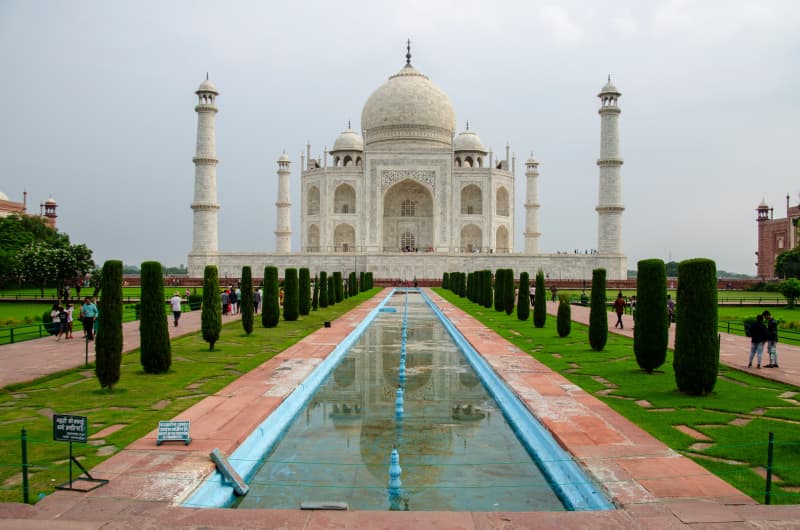
Agra
Agra, situated on the banks of the Yamuna River in Uttar Pradesh, is home to the Taj Mahal — one of the Seven Wonders of the World and perhaps the most celebrated monument to love ever built — attracting millions of visitors each year with its transcendent marble beauty at sunrise and sunset. The city also shelters the magnificent Agra Fort, a UNESCO World Heritage Site, and the deserted imperial city of Fatehpur Sikri nearby. Together these sites make Agra the crown jewel of India's Golden Triangle tourist circuit and a non-negotiable stop on any visit to the Indian subcontinent.
Nearby destinations
Orchha
141 km · Orchha, a small medieval town on the Betwa River in Madhya Pradesh, is one of India's most underrated historical gems — a perfectly preserved Bundela-era capital of palaces, cenotaphs, and temples that appear frozen in time since the 16th and 17th centuries. The Jahangir Mahal palace, built to honor the Mughal Emperor's visit, is a breathtaking example of Mughal-Rajput architecture, while the Ram Raja Temple — the only temple in India where Lord Rama is worshipped as a king — is an extraordinary religious and cultural anomaly. Orchha's chaturbhuj temples rising above the Betwa River, the evening light-and-sound show at the palace complex, and the vultures nesting in the riverside cenotaphs create an atmosphere of remarkable historical enchantment.
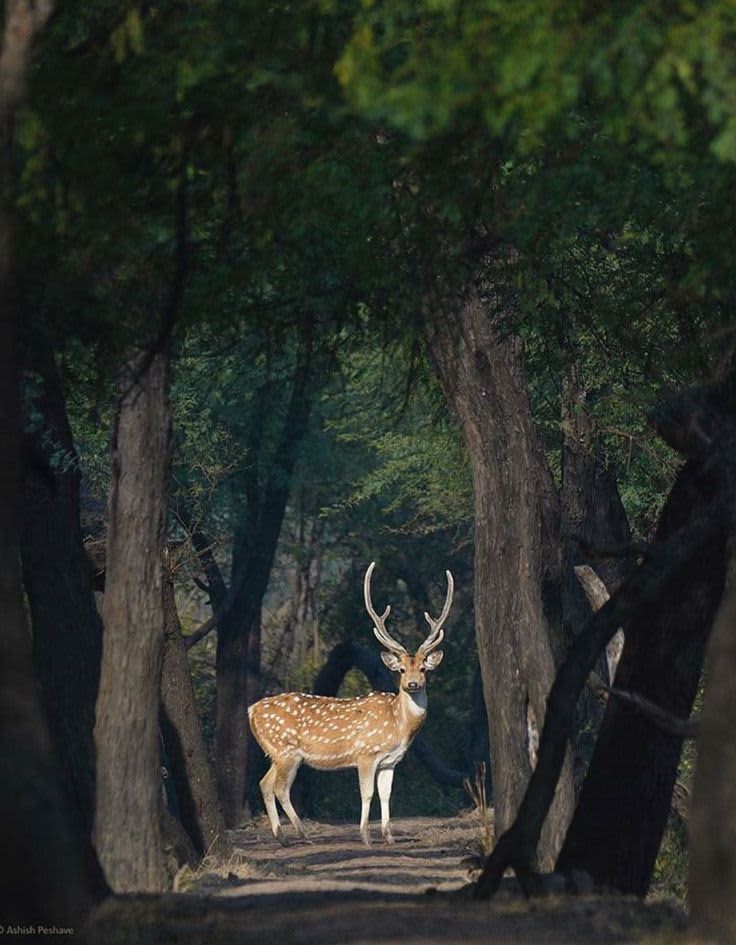
Bandhavgarh National Park
168 km · Bandhavgarh National Park in Madhya Pradesh boasts the highest density of Bengal tigers of any national park in India, making it one of the most thrilling destinations for big cat enthusiasts and wildlife photographers. The park's diverse terrain of dense sal forests, meadows, and bamboo groves is dominated by the ancient Bandhavgarh Fort, which according to legend was built by the Hindu god Rama. Multiple daily safari zones, including the highly sought-after Tala zone, ensure excellent opportunities to witness tigers, leopards, sloth bears, and abundant birdlife in their natural environment.
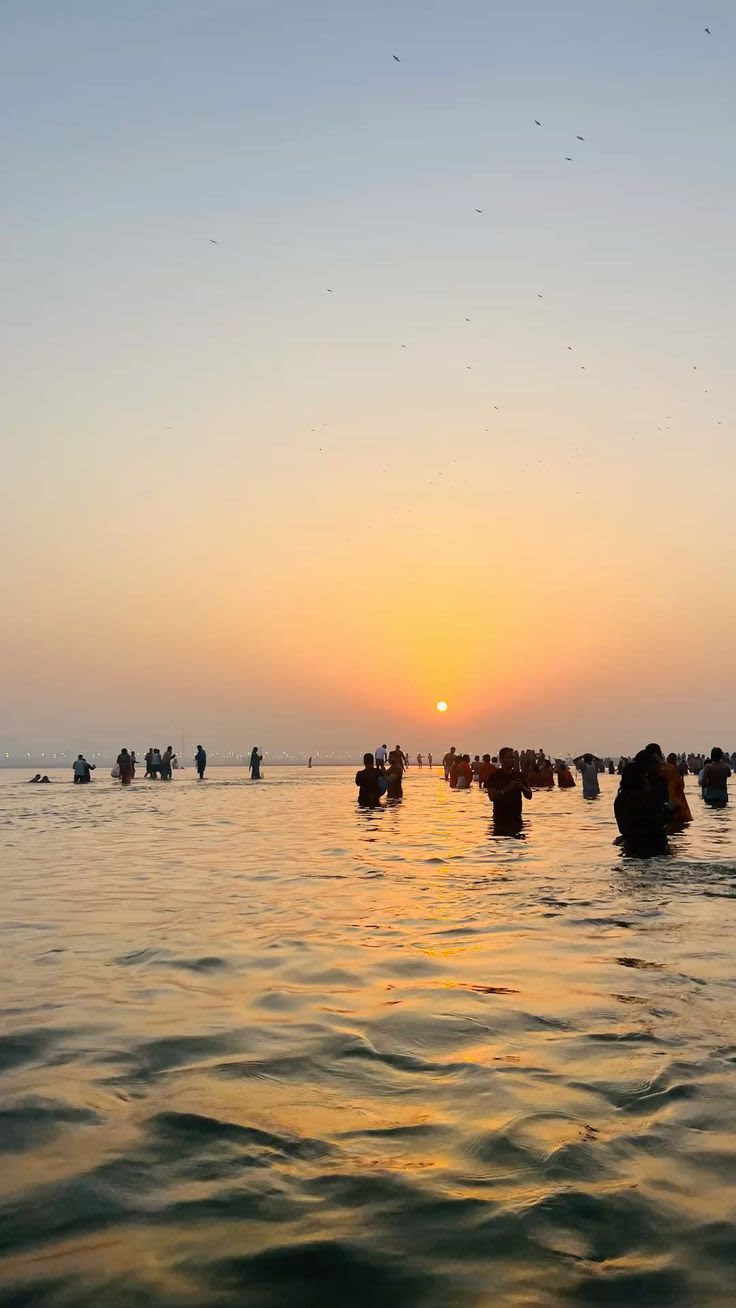
Prayagraj
205 km · Prayagraj, formerly known as Allahabad, is one of Hinduism's most sacred cities, situated at the Triveni Sangam — the holy confluence of the Ganges, Yamuna, and the mythical Saraswati rivers — a site of such spiritual significance that bathing here is believed to wash away all sins. Every 12 years, the Maha Kumbh Mela held at Prayagraj becomes the world's largest human gathering, drawing over 100 million pilgrims in a single season. The Kumbh Mela 2026 and 2036 promises to be a once-in-a-generation event. Beyond the ghats, the Allahabad Fort, the Anand Bhawan museum (former home of the Nehru-Gandhi family), and the beautiful Khusro Bagh make Prayagraj a city of great historical depth.