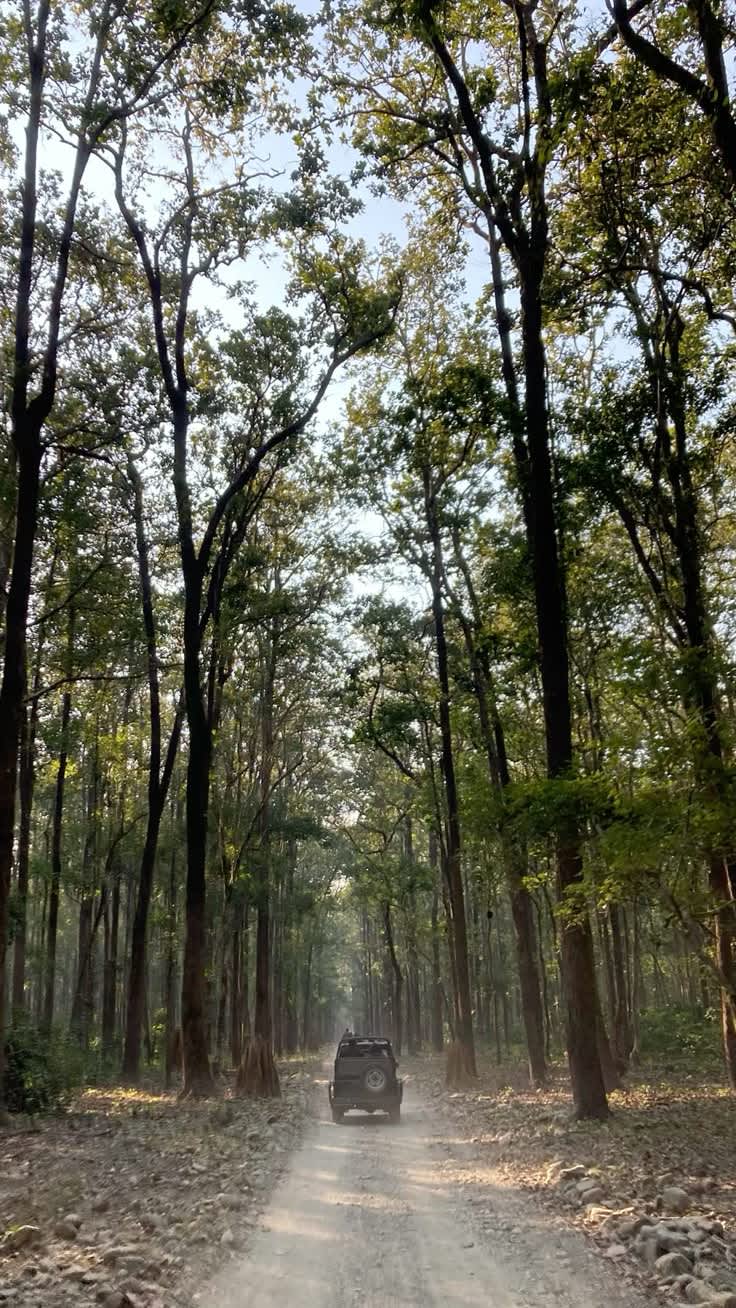
Jim Corbett National Park, established in 1936 as India's first national park and named after the legendary hunter-turned-conservationist Jim Corbett, is one of the best places in the world to spot th...
Jim Corbett National Park
India's Oldest National Park
4.7
Tiger SafariWildlife PhotographyDhikala Zone
wildlife
Duration: 2–3 Days
Budget/day: ₹2,000 – ₹7,000
Best season: Nov – Jun
Altitude: 400 m – 1,100 m
Nearest airport: Pantnagar Airport (85 km)
Nearest railway: Ramnagar Railway Station (12 km)
Best places to visit in Jim Corbett National Park


Things to do in Jim Corbett National Park
- No photoWildlifeView full guide
3 hours (morning: 6:00–9:00 AM; evening: 3:00–6:00 PM)
Jeep Safari
Navigate the sal forests and riverine grasslands of Corbett in an open Gypsy (6-seater 4WD) safari vehicle — the standard and most popular way to spot Bengal tigers, leopards, elephants, sloth bears, dholes (Indian wild dogs), and abundant deer and bird species across Corbett's 6 zones.
- No photoWildlife / AdventureView full guide
1–2 hours
Elephant Safari
Experience the forest from the back of a trained elephant — elephant safaris in Corbett's Dhikala and Bijrani zones allow access to areas and terrain inaccessible to jeeps, including dense sal forests and riverine grass beds where tigers and leopards hide. The elevated vantage point from an elephant's back significantly increases wildlife sighting chances.
- No photoPhotography / WildlifeView full guide
Multiple safaris over 2–3 days
Wildlife Photography
Corbett is one of India's premier wildlife photography destinations — the park's open terrain in Dhikala Plateau, Ramganga River grasslands, and Bijrani's sal forest corridors allow excellent subject lighting and clear sightlines for photographing tigers, leopards, elephants, gharials (along the Ramganga), and 600+ bird species.
Best Time to Visit and Weather Info
Best time: November to June
The park is closed from July to mid-October during monsoon. Core zones have stricter seasonal closures.
Winter
Best Time ⭐Nov – Feb
5°C – 22°C
Excellent wildlife sightings as vegetation thins. Tigers are regularly spotted near water bodies. Migratory birds arrive.
- Book jungle safaris (Dhikala, Bijrani, Jhirna zones) at least 3 months in advance
- Dhikala zone offers the best tiger sightings but is hardest to book
Summer
Good 🟡Mar – Jun
22°C – 42°C
Vegetation dries up making wildlife more visible near waterholes. High probability of tiger sightings in April–May.
- April–May offer the highest tiger spotting probability
- Start safaris at 6 AM to beat the heat
Monsoon
Closed 🔴Jul – Oct
22°C – 35°C
Most park zones are closed for the season. Heavy rainfall and dense vegetation make wildlife spotting very difficult.
- Dhikala zone closes mid-June
- Only Jhirna and Sitabani zones remain open year-round
How to Reach
✈️By Air
Airport: Pantnagar Airport (85 km from Ramnagar)
Duration: ~2.5 hrs by road
Limited flights from Delhi. Better to fly to Delhi and take road/train to Ramnagar.
Taxi: ₹2,500 – ₹4,000 (Pantnagar to Ramnagar)
Airlines: Air India, Alliance Air
🚂By Train
Station: Ramnagar Railway Station (12 km from park gates)
Direct trains from Delhi to Ramnagar. Most resorts offer pickup from Ramnagar station.
- Corbett Link Express — Delhi (Moradabad) (~6 hrs to Ramnagar)
- Ranikhet Express — Delhi (Anand Vihar) (~6 hrs to Ramnagar)
🚌By Road
Well-connected by road from Delhi and Dehradun. Most visitors drive or take a private cab.
- Delhi: 260 km, 5–6 hrs via NH-9 via Moradabad – Ramnagar
- Dehradun: 190 km, 5 hrs via Haridwar – Kotdwar
- Nainital: 65 km, 2 hrs via Kaladhungi
Itineraries
Local Food
Food in Corbett is primarily available at resort restaurants and dhabas in Ramnagar town. Options are limited inside the buffer zone.
Kumaoni Thali
Local thali with bhatt ki dal, aloo gutke, rice, and roti — hearty Kumaon hill food.
Where: Dhabas in Ramnagar market
₹120 – ₹200
Aloo ke Gutke
Spiced sautéed potatoes with dry red chilies and cumin — Uttarakhand's favourite street snack.
Where: Local dhabas
₹70 – ₹120
Barbecue at Resort
Most Corbett resorts offer evening campfire barbecues with tikkas and kebabs.
Where: Resort restaurants
₹400 – ₹800 per person
Pahadi Dal Tadka
Mountain lentil soup tempered with ghee, garlic, and local spices.
Where: Ramnagar dhabas
₹100 – ₹160
Rajma Chawal
Red kidney beans with steamed rice — a Kumaon comfort staple.
Where: Local dhabas
₹80 – ₹140
Bal Mithai
Dark fudge-like sweet rolled in sugar balls — Uttarakhand's signature sweet.
Where: Sweet shops in Ramnagar
₹250 – ₹450 per kg
Most high-end resorts include meals in their packages. For budget travelers, Ramnagar town has good dhabas near the bus stand.
FAQs
- Corbett is India's oldest national park (est. 1936) and the birthplace of Project Tiger. It's famous for Bengal tigers, Asian elephants, gharials, leopards, and over 600 bird species.
Best Places Similar

Ranthambore National Park
Ranthambore National Park in Rajasthan is one of India's largest and most famous tiger reserves, renowned for offering some of the most reliable tiger sightings in the country, particularly around its ancient lakes. The ruined 10th-century Ranthambore Fort, a UNESCO World Heritage Site, rises dramatically above the forest and adds a unique historical dimension to wildlife safaris. Beyond tigers, the park shelters leopards, sloth bears, striped hyenas, and abundant birdlife, making every game drive an adventure in this iconic Rajasthani wilderness.
Kanha National Park
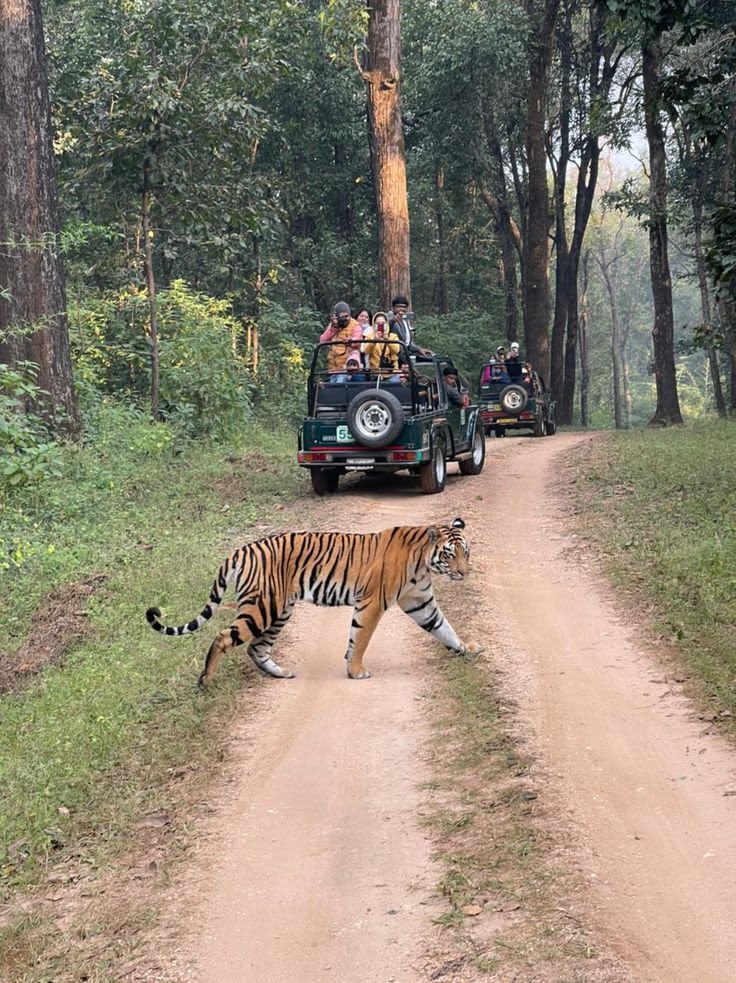
Kanha National Park, one of India's finest and largest tiger reserves spread across the Maikal Hills of Madhya Pradesh, was the inspiration for Rudyard Kipling's 'The Jungle Book' and remains one of the subcontinent's most pristine and biodiverse wilderness areas. The park is renowned not only for tiger sightings but for successfully reviving the critically endangered Barasingha (swamp deer) from the brink of extinction. Kanha's vast meadow-filled valleys, called maidans, teeming with spotted deer and gaur, and its dense sal forests make it one of India's most rewarding national park experiences.
Bandhavgarh National Park
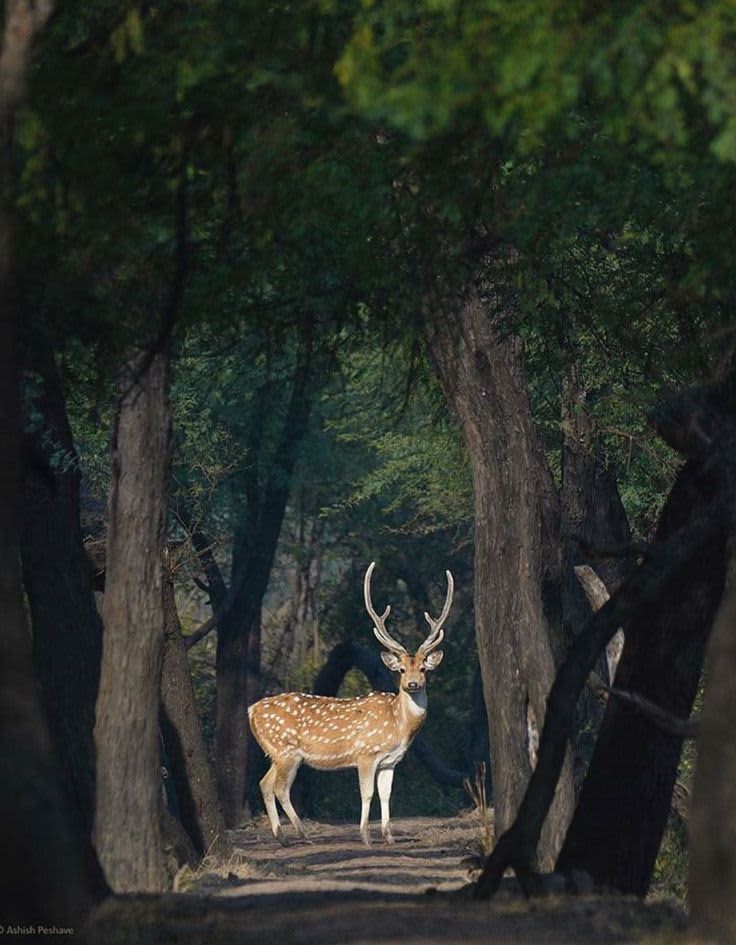
Bandhavgarh National Park in Madhya Pradesh boasts the highest density of Bengal tigers of any national park in India, making it one of the most thrilling destinations for big cat enthusiasts and wildlife photographers. The park's diverse terrain of dense sal forests, meadows, and bamboo groves is dominated by the ancient Bandhavgarh Fort, which according to legend was built by the Hindu god Rama. Multiple daily safari zones, including the highly sought-after Tala zone, ensure excellent opportunities to witness tigers, leopards, sloth bears, and abundant birdlife in their natural environment.
Nearby destinations
Lansdowne
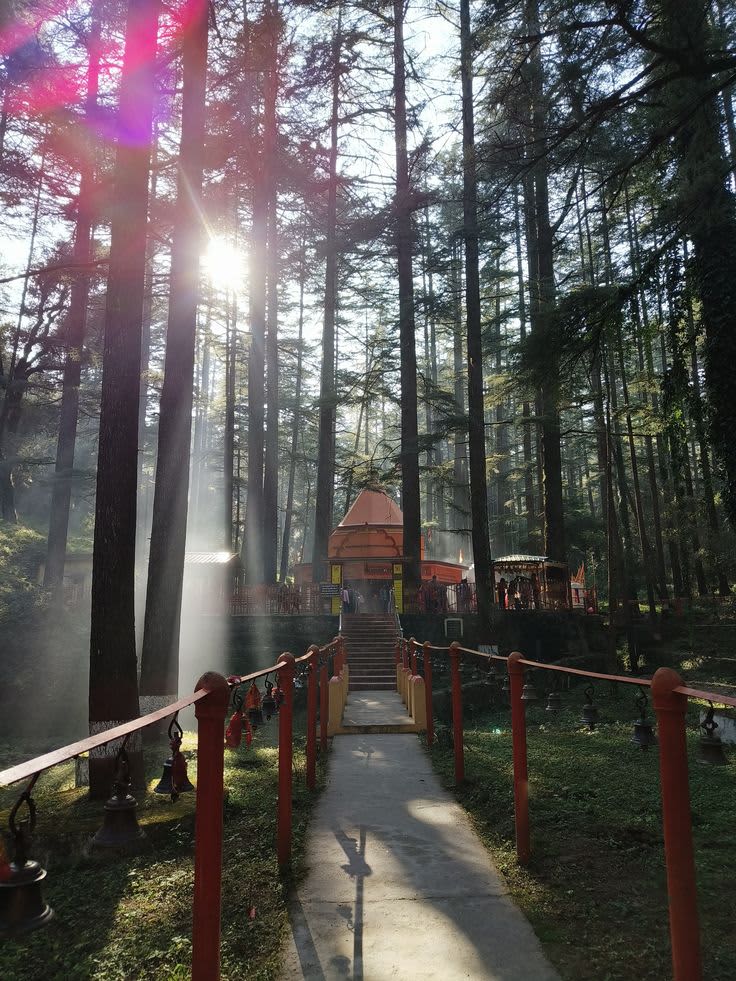
36 km · Lansdowne is a quiet and beautifully preserved cantonment hill town in Uttarakhand's Pauri Garhwal district, sitting at 1,706 meters among thick oak and blue pine forests and offering a rare glimpse of a hill station unspoiled by mass tourism. Named after a British Viceroy, the town retains its colonial character through its neat, well-maintained buildings, the historic Garhwali Rifles Regimental Museum, and the scenic Bhulla Lake. Lansdowne's peaceful ambience, forest walks, birding opportunities, and magnificent views of the Himalayan ranges from Tip N Top and Tarkeshwar Mahadev Temple make it a perfect off-the-beaten-path weekend escape.
Ranikhet
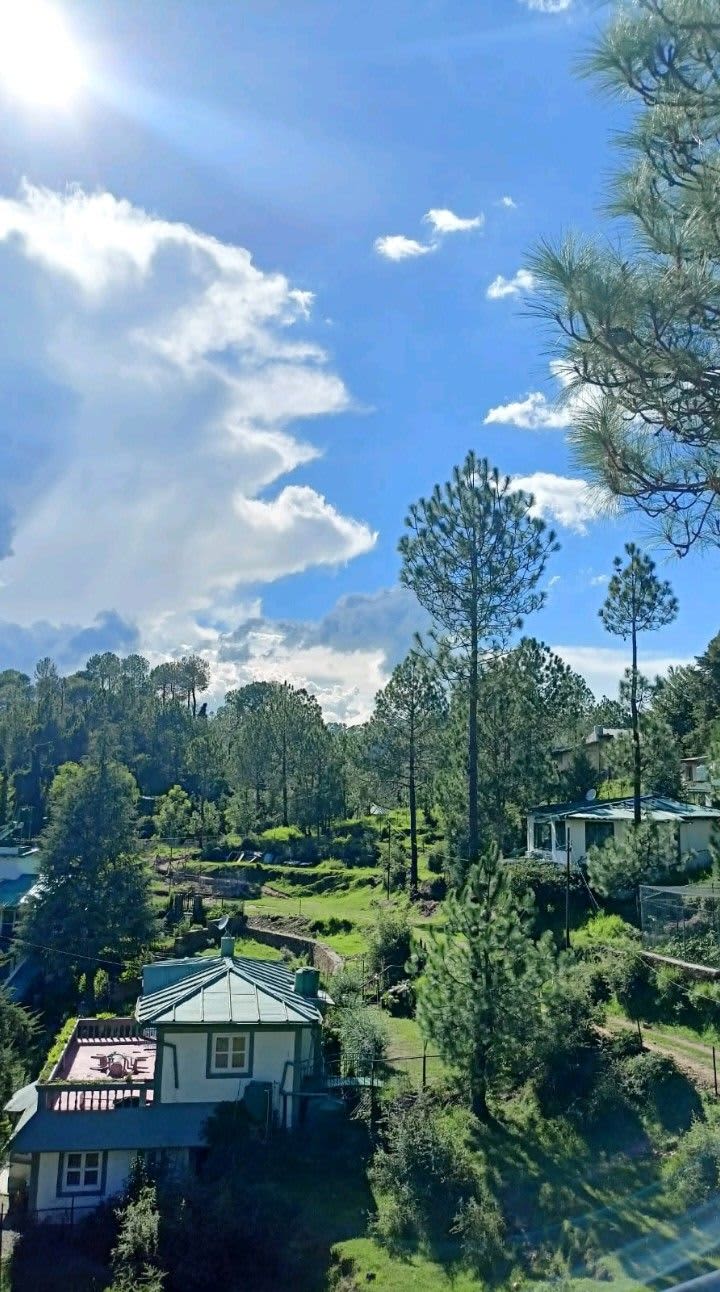
65 km · Ranikhet, meaning "Queen's Meadow," is a tranquil British-era cantonment hill station in Uttarakhand's Kumaon region offering sweeping views of snow-clad Himalayan peaks including Nanda Devi, Trishul, and Nanda Ghunti. Unlike the more commercialized hill stations, Ranikhet has preserved its old-world charm through dense oak and rhododendron forests, apple orchards, and well-maintained colonial bungalows. The Jhula Devi Temple, Asia's highest golf course, and the scenic Chaubatia Gardens make Ranikhet a perfect off-the-beaten-path retreat for nature lovers.
Nainital
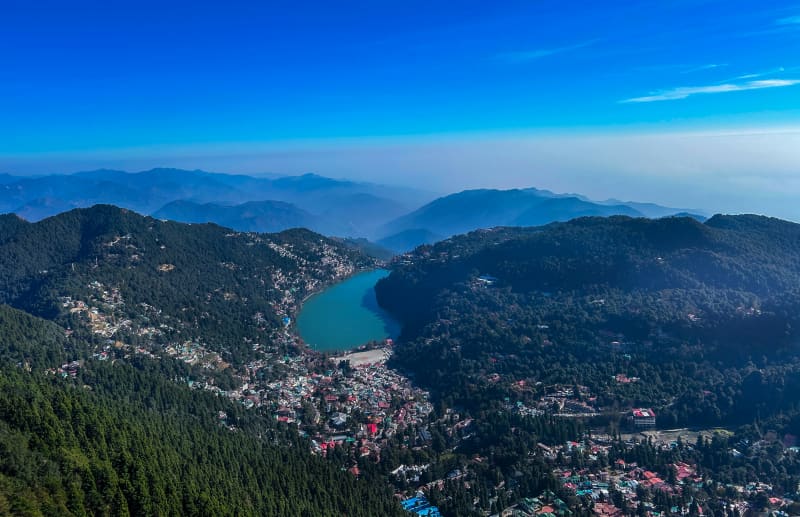
69 km · Nainital, the lake district jewel of Uttarakhand, is built around the serene Naini Lake nestled among seven hills at an altitude of 2,084 meters. This charming hill station offers breathtaking views of the surrounding Kumaon Himalayas, with boating on the lake, a cable car ride to Snow View Point, and the bustling Mall Road shopping strip among the top experiences. The Naina Devi Temple on the northern shore of the lake adds a deep spiritual dimension to this naturally stunning destination.