Things to do in Jim Corbett National Park
Things to do in Jim Corbett National Park
Jim Corbett National Park, established in 1936 as India's first national park and named after the legendary hunter-turned-conservationist Jim Corbett, is one of the best places in the world to spot the majestic Bengal tiger in its natural habitat. Spread across over 1,300 square kilometers in the Shivalik foothills of Uttarakhand, the park encompasses dense sal forests, grasslands, and the Ramganga River, supporting rich biodiversity including elephants, leopards, gharials, and over 600 bird species. Jeep safaris into the Dhikala and Bijrani zones offer thrilling wildlife encounters in a remarkably pristine natural setting.
- No photoWildlifeView full guide
3 hours (morning: 6:00–9:00 AM; evening: 3:00–6:00 PM)
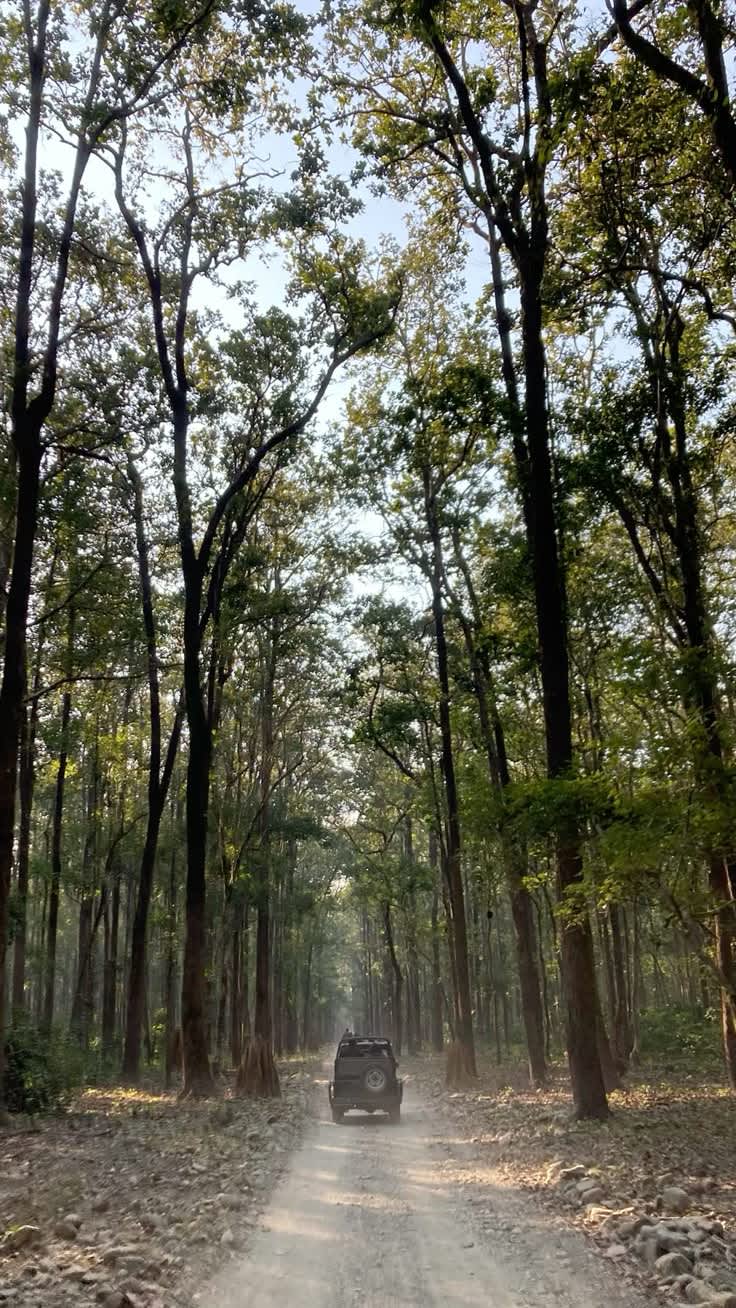
Jeep Safari
Navigate the sal forests and riverine grasslands of Corbett in an open Gypsy (6-seater 4WD) safari vehicle — the standard and most popular way to spot Bengal tigers, leopards, elephants, sloth bears, dholes (Indian wild dogs), and abundant deer and bird species across Corbett's 6 zones.
- No photoWildlife / AdventureView full guide
1–2 hours
Elephant Safari
Experience the forest from the back of a trained elephant — elephant safaris in Corbett's Dhikala and Bijrani zones allow access to areas and terrain inaccessible to jeeps, including dense sal forests and riverine grass beds where tigers and leopards hide. The elevated vantage point from an elephant's back significantly increases wildlife sighting chances.
- No photoPhotography / WildlifeView full guide
Multiple safaris over 2–3 days
Wildlife Photography
Corbett is one of India's premier wildlife photography destinations — the park's open terrain in Dhikala Plateau, Ramganga River grasslands, and Bijrani's sal forest corridors allow excellent subject lighting and clear sightlines for photographing tigers, leopards, elephants, gharials (along the Ramganga), and 600+ bird species.
- No photoWildlife / NatureView full guide
3–5 hours (morning)
Bird Watching
Corbett hosts over 600 bird species — making it one of India's top birding destinations. Highlight species include Great Hornbill, Crested Serpent Eagle, Pallas's Fish Eagle, Red Junglefowl, Himalayan Pied Kingfisher, and the endangered White-backed and Long-billed vultures. The Ramganga Reservoir area is a birding hotspot.
- No photoNature / EducationalView full guide
2–3 hours
Nature Walk
Walk through Corbett's buffer zone forest on guided nature walks — a more intimate wildlife encounter than a jeep safari, observing jungle ecology, tracking animal pugmarks (paw prints), identifying bird calls, and learning about the medicinal plants and forest ecosystem from certified naturalists.
- No photoNature / AdventureView full guide
1–2 nights
Jungle Camping
Stay overnight inside Corbett National Park at the historic Forest Rest Houses (FRH) in Dhikala — waking up to elephants grazing at the edge of the sal forest and going to sleep to the sounds of tiger calls and spotted deer alarm calls. These colonial-era wooden rest houses inside the core zone are India's most thrilling wildlife accommodation.