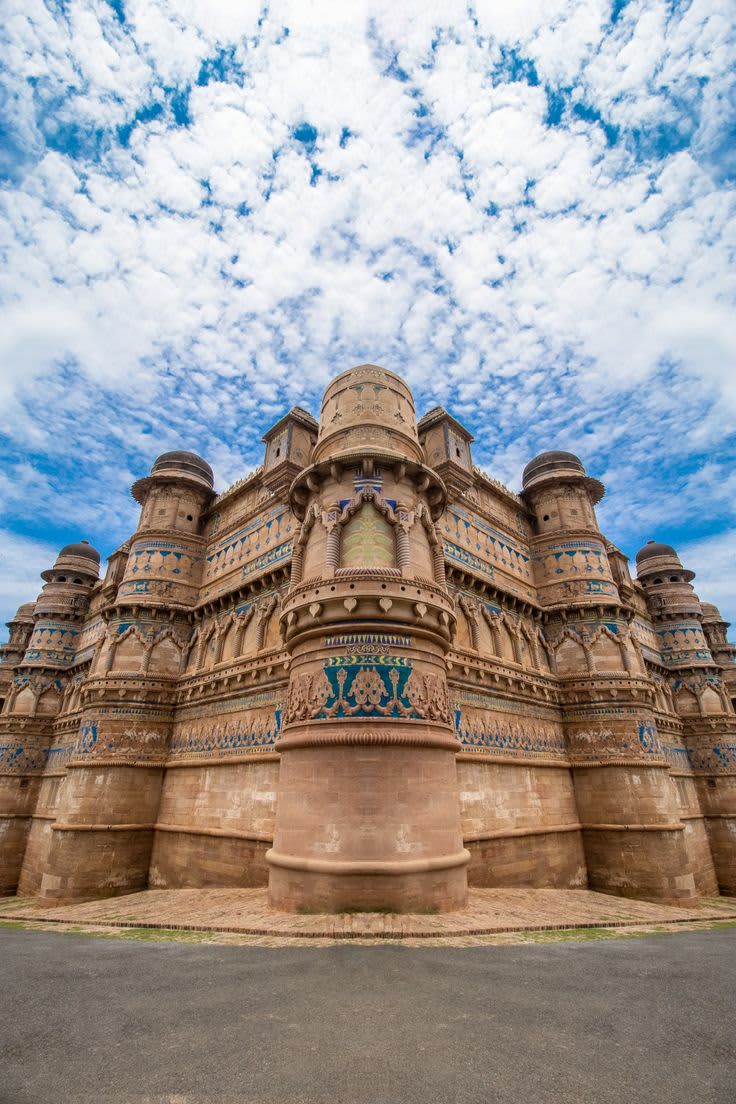
Bandhavgarh National Park in Madhya Pradesh boasts the highest density of Bengal tigers of any national park in India, making it one of the most thrilling destinations for big cat enthusiasts and wild...
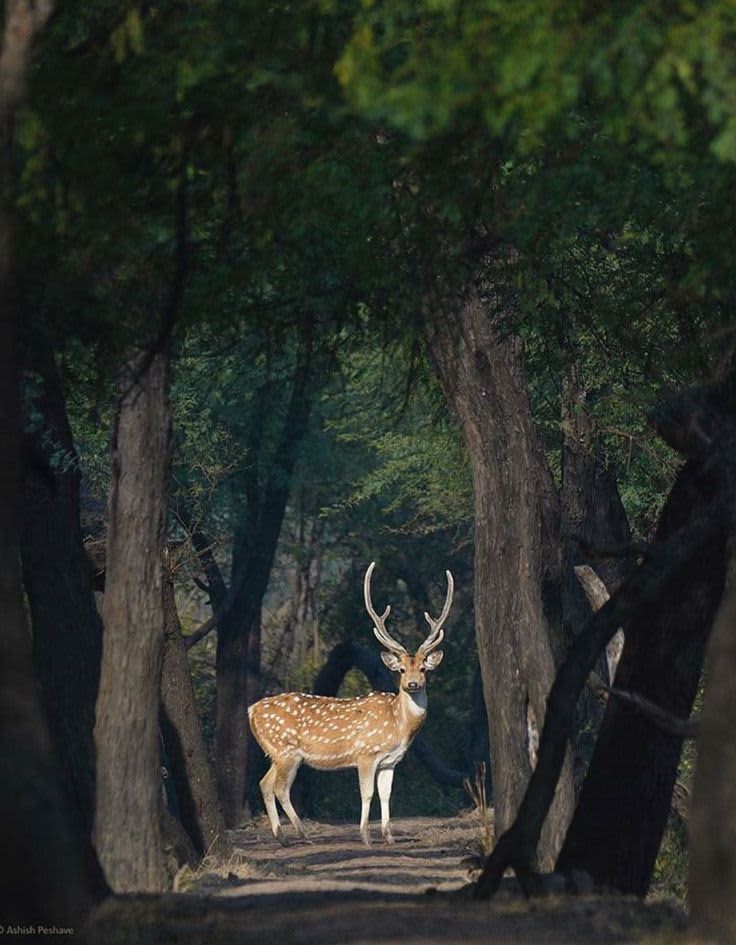
Bandhavgarh National Park
Land of the White Tigers
Madhya Pradesh, India
4.8
Highest Tiger DensityAncient FortWildlife Photography
wildlife
Duration: 2–3 Days
Budget/day: ₹2,500 – ₹7,000
Best season: Oct – Jun
Altitude: 440 m – 810 m
Nearest airport: Jabalpur Airport (195 km); Khajuraho Airport (237 km)
Nearest railway: Umaria Railway Station (35 km)
Best places to visit in Bandhavgarh National Park


Things to do in Bandhavgarh National Park
- No photoWildlifeView full guide
3–4 hours per safari (morning and afternoon slots)
Tiger jeep safari in Tala zone
Bandhavgarh has the highest density of Bengal tigers of any national park in India, and the Tala zone is the crown jewel of the reserve — a mix of sal forest, bamboo groves, open meadows, and rocky ridges where tigers are spotted with remarkable regularity. Multiple tiger families have home ranges that overlap here, meaning it is not unusual to encounter more than one tiger in a single safari drive.
- No photoHeritage & TrekView full guide
3–4 hours
Bandhavgarh Fort trek
Perched on a 811-metre high sandstone cliff at the heart of the national park, the ancient Bandhavgarh Fort is a two-thousand-year-old fortress mentioned in the Narad Pancha Ratra and said to have been given by Lord Rama to his brother Lakshmana. The climb through the forest to reach it is itself a safari experience, and the fort contains ancient cave paintings, a massive reclining Vishnu sculpture, and panoramic views over the entire tiger reserve.
- No photoWildlifeView full guide
2–3 hours (after sunset)
Leopard and sloth bear night safari
Bandhavgarh's buffer zones are open for night safaris, and as darkness falls a completely different cast of characters comes out — leopards moving silently between the trees, sloth bears raiding termite mounds, porcupines waddling along the tracks, and owls calling from the canopy. It is a genuinely different experience from the day safari and exposes a side of the forest that most visitors never see.
Best Time to Visit and Weather Info
Best time: October to June
Park closes July–September. Tiger sighting probability is highest in April–May when water is scarce.
Winter
Best Time ⭐Oct – Feb
5°C – 25°C
Pleasant weather, dry vegetation, and excellent sightings across all three zones (Tala, Magdhi, Khitauli).
- Tala Zone is the premium zone — book it specifically
- Bandhavgarh Fort inside the park has a reclining Vishnu statue
Summer
Best Tiger Sightings 🟡Mar – Jun
28°C – 46°C
India's highest tiger density makes Bandhavgarh exceptional even in summer. Tigers visit waterholes frequently in April–May.
- Bandhavgarh has India's highest tiger density
- April–May: almost guaranteed tiger sightings
Monsoon
Closed 🔴Jul – Sep
25°C – 35°C
Park closes completely. Lush monsoon vegetation but no safari access.
- Park closed for tourism
- Visit Khajuraho temples (237 km) as an alternative
How to Reach
✈️By Air
Airport: Jabalpur Airport (195 km) or Khajuraho Airport (237 km) (195 km from Jabalpur)
Duration: ~4 hrs by road
Fly to Jabalpur, then taxi to Tala village (the main base for Bandhavgarh). Khajuraho is also an option if combining with temple visit.
Taxi: ₹4,000 – ₹6,000 (Jabalpur to Bandhavgarh)
Airlines: IndiGo, Air India
🚂By Train
Station: Umaria Railway Station (35 km from Tala gate)
Most convenient railhead. Direct trains from Delhi and Jabalpur to Umaria. Taxis available from Umaria to the park.
- Mahakoshal Express — Delhi (Hazrat Nizamuddin) (~14 hrs to Umaria)
- Jabalpur-Bilaspur Express — Jabalpur (~3 hrs to Umaria)
🚌By Road
Roads are in good condition from Umaria and Jabalpur. Private taxis are recommended.
- Umaria: 35 km, 1 hr via SH-11
- Jabalpur: 195 km, 4 hrs via SH-10
- Khajuraho: 237 km, 5 hrs via Panna
Itineraries
Local Food
Food options near Bandhavgarh are primarily resort-based. The nearby town of Umaria has basic dhabas serving simple North Indian food.
Dal Bafla
MP's version of dal baati — wheat dough balls boiled then baked, served with dal and ghee.
Where: Local dhabas in Tala village
₹120 – ₹200
Chila
Crispy savoury pancake made from gram flour batter — a Madhya Pradesh street breakfast.
Where: Morning stalls near Tala gate
₹40 – ₹70
Mahua Dessert
Sweets made from the mahua flower (a forest tree) — a tribal delicacy unique to MP.
Where: Local tribal village markets
₹50 – ₹100
Poha
Flattened rice cooked with mustard seeds, onion, and turmeric — a Central India staple breakfast.
Where: Dhabas in Umaria and Tala
₹40 – ₹70
Bafla with Panchmel Dal
Five-lentil dal served with baked wheat dough balls — a festive Madhya Pradesh meal.
Where: Restaurant in Umaria
₹150 – ₹250
Resort Barbecue
Most safari lodges offer evening bonfires with kebabs and grilled meats — a wildlife camp classic.
Where: Safari resort restaurants
₹400 – ₹800 per person
For the best dining experience, book a resort with meals included. Options in Tala village are very basic — most visitors rely entirely on resort food.
FAQs
- Bandhavgarh has India's highest density of Bengal tigers. It's also famous for the ancient Bandhavgarh Fort, a 2,000-year-old reclining Vishnu statue, and diverse wildlife including leopards, sloth bears, and rare white tigers (historically).
Best Places Similar
Kanha National Park
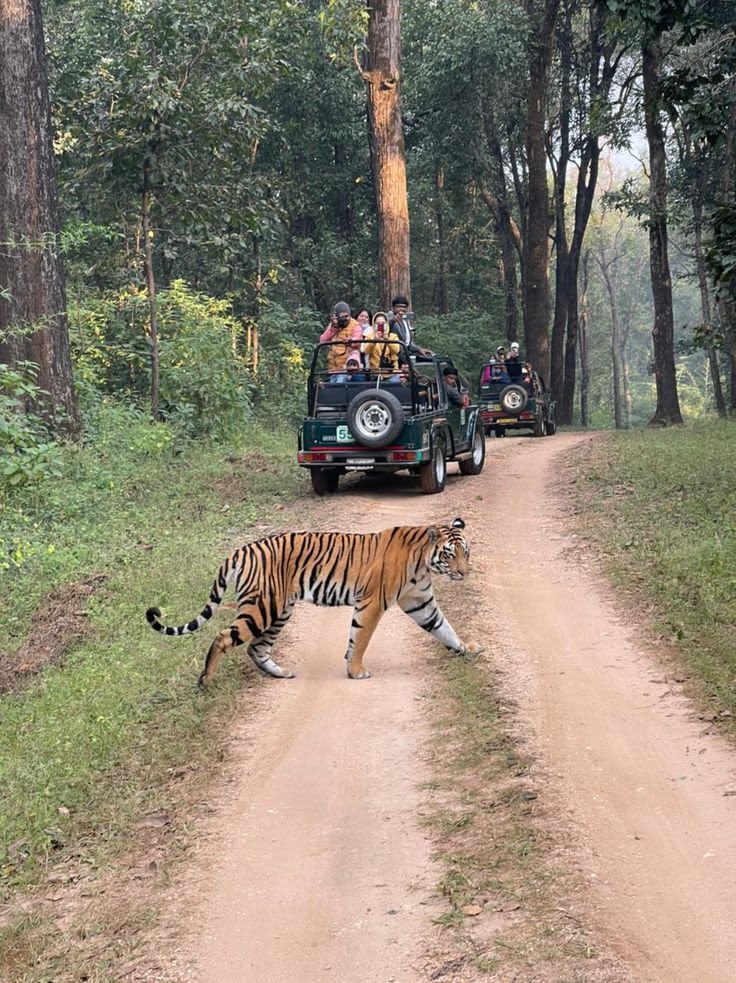
Kanha National Park, one of India's finest and largest tiger reserves spread across the Maikal Hills of Madhya Pradesh, was the inspiration for Rudyard Kipling's 'The Jungle Book' and remains one of the subcontinent's most pristine and biodiverse wilderness areas. The park is renowned not only for tiger sightings but for successfully reviving the critically endangered Barasingha (swamp deer) from the brink of extinction. Kanha's vast meadow-filled valleys, called maidans, teeming with spotted deer and gaur, and its dense sal forests make it one of India's most rewarding national park experiences.

Ranthambore National Park
Ranthambore National Park in Rajasthan is one of India's largest and most famous tiger reserves, renowned for offering some of the most reliable tiger sightings in the country, particularly around its ancient lakes. The ruined 10th-century Ranthambore Fort, a UNESCO World Heritage Site, rises dramatically above the forest and adds a unique historical dimension to wildlife safaris. Beyond tigers, the park shelters leopards, sloth bears, striped hyenas, and abundant birdlife, making every game drive an adventure in this iconic Rajasthani wilderness.
Jim Corbett National Park
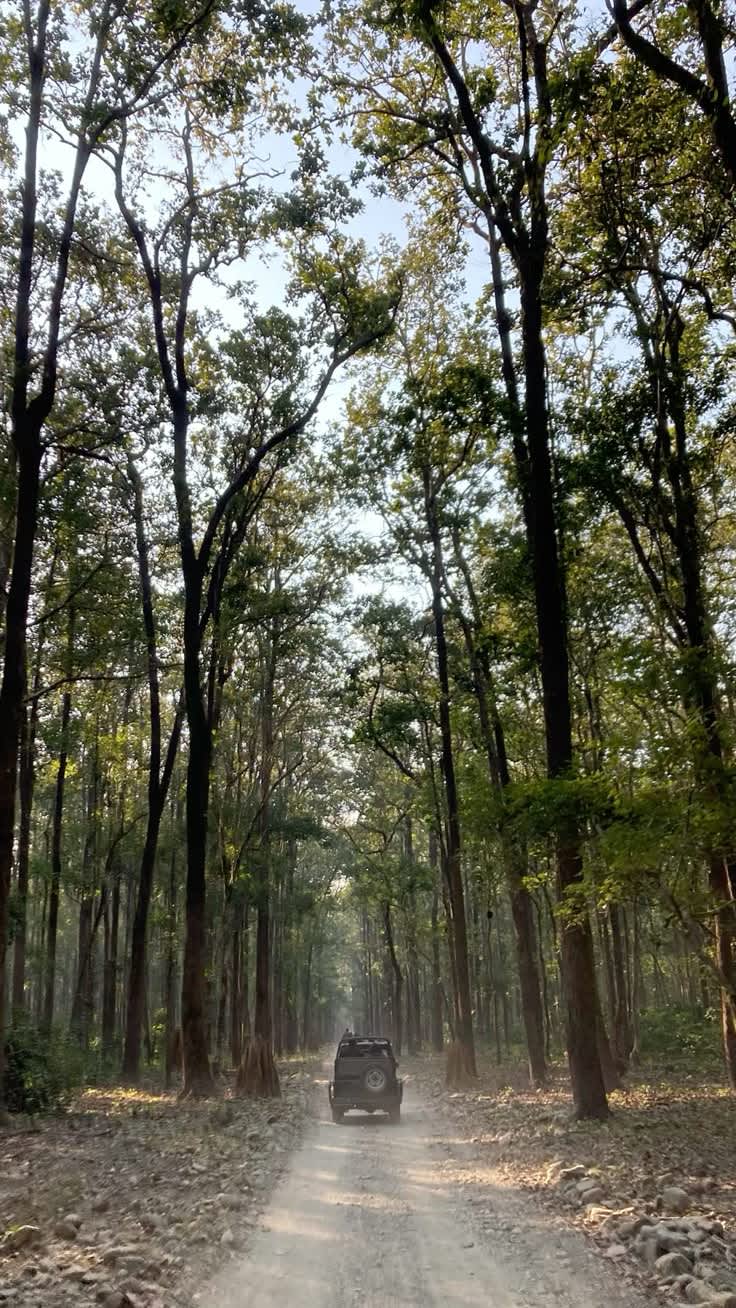
Jim Corbett National Park, established in 1936 as India's first national park and named after the legendary hunter-turned-conservationist Jim Corbett, is one of the best places in the world to spot the majestic Bengal tiger in its natural habitat. Spread across over 1,300 square kilometers in the Shivalik foothills of Uttarakhand, the park encompasses dense sal forests, grasslands, and the Ramganga River, supporting rich biodiversity including elephants, leopards, gharials, and over 600 bird species. Jeep safaris into the Dhikala and Bijrani zones offer thrilling wildlife encounters in a remarkably pristine natural setting.
Nearby destinations
Kanha National Park
158 km · Kanha National Park, one of India's finest and largest tiger reserves spread across the Maikal Hills of Madhya Pradesh, was the inspiration for Rudyard Kipling's 'The Jungle Book' and remains one of the subcontinent's most pristine and biodiverse wilderness areas. The park is renowned not only for tiger sightings but for successfully reviving the critically endangered Barasingha (swamp deer) from the brink of extinction. Kanha's vast meadow-filled valleys, called maidans, teeming with spotted deer and gaur, and its dense sal forests make it one of India's most rewarding national park experiences.
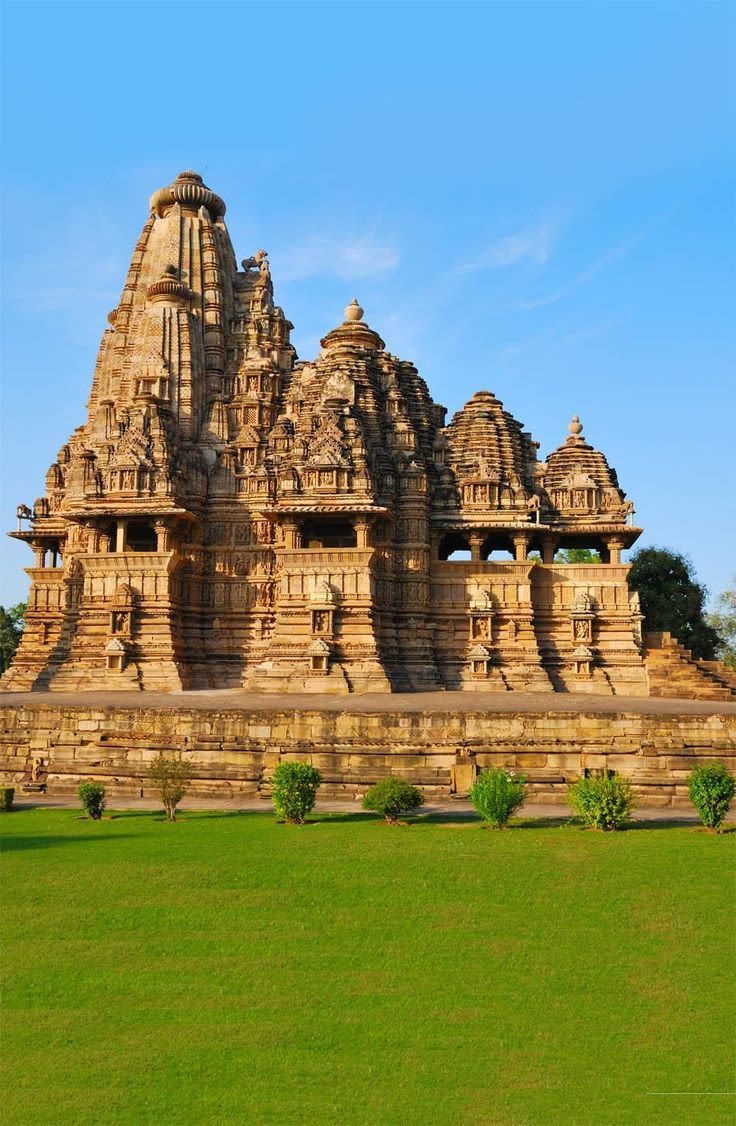
Khajuraho
168 km · Khajuraho, a small town in Madhya Pradesh, is home to one of India's most extraordinary UNESCO World Heritage Sites — a group of medieval Hindu and Jain temples built by the Chandela dynasty between 950 and 1050 CE, celebrated worldwide for their exquisite erotic sculptures that represent only a fraction of the temples' vast iconographic program. The three temple complexes — Western, Eastern, and Southern — contain 20 surviving temples of the original 85, each a masterpiece of Nagara-style architecture adorned with thousands of meticulously carved figures depicting every aspect of human life, divine beings, and erotic union. The annual Khajuraho Dance Festival held in front of the illuminated temple facades is a cultural highlight of India's classical arts calendar.
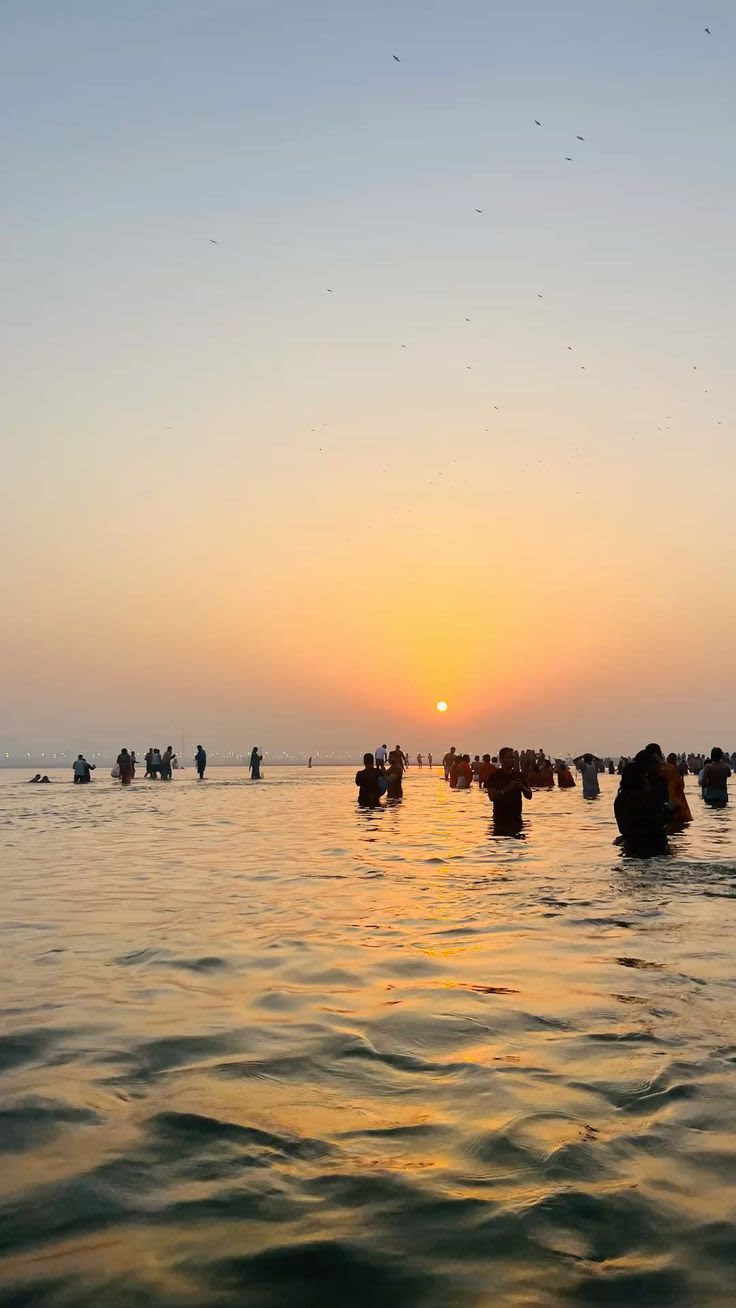
Prayagraj
210 km · Prayagraj, formerly known as Allahabad, is one of Hinduism's most sacred cities, situated at the Triveni Sangam — the holy confluence of the Ganges, Yamuna, and the mythical Saraswati rivers — a site of such spiritual significance that bathing here is believed to wash away all sins. Every 12 years, the Maha Kumbh Mela held at Prayagraj becomes the world's largest human gathering, drawing over 100 million pilgrims in a single season. The Kumbh Mela 2026 and 2036 promises to be a once-in-a-generation event. Beyond the ghats, the Allahabad Fort, the Anand Bhawan museum (former home of the Nehru-Gandhi family), and the beautiful Khusro Bagh make Prayagraj a city of great historical depth.