Best places to visit in Banaras
Best places to visit in Banaras
Varanasi, one of the world's oldest continuously inhabited cities and Hinduism's most sacred destination, sits on the banks of the Ganges in Uttar Pradesh and is believed by Hindus to be the city where dying releases one from the cycle of rebirth. The ghats of Varanasi — 84 in all — are the spiritual heartbeat of India, where the faithful bathe at dawn, priests perform elaborate fire rituals, and funeral pyres burn perpetually at the Manikarnika Ghat. The ancient temples, the labyrinthine old city lanes, the evening Ganga Aarti ceremony, and the profound sense of mortality and transcendence make Varanasi the most spiritually intense city in India.

Dashashwamedh Ghat
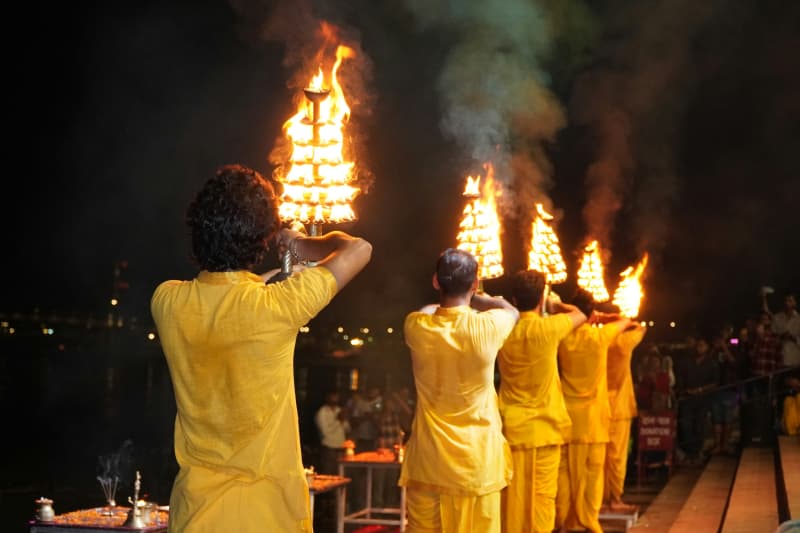
→Dashashwamedh Ghat is Varanasi's most vibrant and sacred ghat — the site where Lord Brahma performed ten Ashwamedha yajnas (horse sacrifices). The nightly Ganga Aarti here — performed by five priests with towering brass lamps, conch shells, and Vedic chanting at sunset — is India's most spectacular riverside ritual. Arrive 30 minutes early to secure a spot. Boat rides offer the best Aarti view. A top Varanasi sightseeing and spiritual experience. Free entry.

Kashi Vishwanath Temple
→Kashi Vishwanath Temple — the Golden Temple of Varanasi — is one of India's 12 Jyotirlinga shrines, the most sacred Shiva temple on earth, and the spiritual heart of Hinduism. The new Kashi Vishwanath Dham corridor (2021) connects the temple directly to the Ganges ghats. Its golden spire, clad in 1,000 kg of gold donated by Maharaja Ranjit Singh, glows over the old city. Advance slot booking required at srikashivishwanath.org. A top Varanasi pilgrimage must.
Assi Ghat
→Assi Ghat, at the confluence of the Assi and Ganga rivers, is Varanasi's southernmost and most relaxed ghat — the social hub of students, sadhus, yoga seekers, and long-stay travellers. The sunrise Subah-e-Banaras programme here is the most peaceful start to a Varanasi day. A sacred bathing ghat and the starting point of the Pancha Kroshi Yatra pilgrimage, it is also famous for its evening aarti, riverside chai stalls, and vibrant intellectual and artistic atmosphere.

Sarnath
→Sarnath, 10 km from Varanasi, is one of Buddhism's four holiest sites — where Gautama Buddha delivered his first sermon (Dhammachakkappavattana Sutta) after attaining enlightenment at Bodh Gaya. The Dhamek Stupa (500 CE), Mulagandha Kuti Vihara, Ashoka Pillar (from which India's national emblem is derived), and the Sarnath Museum (housing the Ashoka Lion Capital) make it a top UNESCO World Heritage and Buddhist pilgrimage destination near Varanasi.

Manikarnika Ghat
→Manikarnika Ghat is Varanasi's most sacred cremation ghat — a site where the eternal fire has burned continuously for centuries and where Hindus believe cremation grants instant moksha (liberation). One of the most profoundly moving and photographically powerful sites in India, the ghat burns around the clock with pyres tended by the Dom community. Photography is restricted out of respect. A deeply confronting and spiritually transformative destination on every Varanasi sightseeing itinerary.
Ramnagar Fort
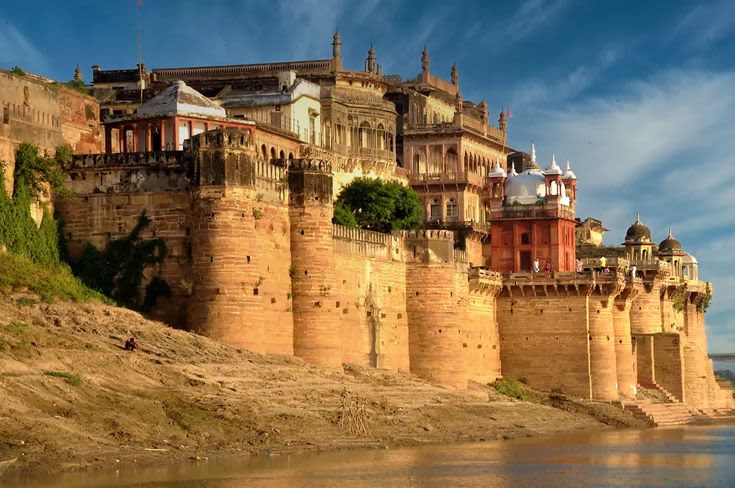
→Ramnagar Fort is a sandstone palace-fortress on the eastern bank of the Ganges opposite Varanasi — the ancestral home of the Maharajas of Banaras, built in 1750 in Mughal architectural style. Its Veda Vyasa Museum houses remarkable royal artefacts including ivory palanquins, vintage cars, weapons, and astronomical clocks. The month-long Ramnagar Ramlila (October) — performed in the streets around the fort — is the world's most elaborate Ramayana performance.