Things to do in Valley of Flowers
Things to do in Valley of Flowers
The Valley of Flowers National Park, a UNESCO World Heritage Site in Uttarakhand's Chamoli district, is a high-altitude Himalayan valley that transforms into a breathtaking carpet of hundreds of alpine wildflower species each monsoon season from July to September. Accessible via a scenic trek from Govindghat through dense forests and alongside glacial streams, the valley sits at 3,352 meters beneath towering snow-capped peaks. The trail also passes through Ghangaria, the gateway to the sacred Hemkund Sahib Gurudwara, making it a journey that combines natural wonder with spiritual significance.
 TrekkingView full guide
2–3 days for the full valley experience
Trekking
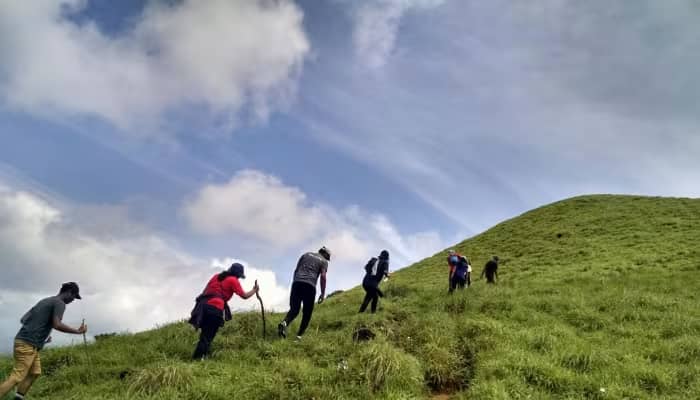
Trek through the 87.5 sq km UNESCO-protected Valley of Flowers National Park — one of the most biodiverse Himalayan ecosystems on Earth. The trail from Govindghat (1,828 m) through Ghangaria (3,050 m) to the valley entrance covers 17 km, ascending through mixed conifer forests, river gorges, and moraines before opening into the colour-drenched flower meadow at 3,352–3,658 m.
- No photoNatureView full guide
Full day in the valley
Alpine Flower Viewing
Witness the Valley of Flowers' extraordinary botanical spectacle — over 500 documented species including 13 endemic plants, Himalayan blue poppy (Meconopsis), Brahmakamal (Saussurea obvallata — Uttarakhand's state flower), cobra lily, marsh marigold, Himalayan bistort, and hundreds of orchids, primulas, and anemones covering every square metre of the valley floor.
- No photoPhotographyView full guide
Full days in the valley
Photography
Photograph one of the Himalayas' most spectacular natural landscapes — a sweeping valley carpeted in billions of wildflowers in purples, yellows, reds, whites, and pinks, with Pushpawati River cascading through the centre and glaciated peaks forming a dramatic frame above.
- No photoWildlife / NatureView full guide
2–3 hours (early morning)
Bird Watching
Spot Himalayan bird species in the Valley of Flowers' diverse ecosystem — Himalayan Monal (Uttarakhand's state bird; iridescent in flight), Snow Partridge, Blood Pheasant, Bearded Vulture (Lammergeier), Red-billed Chough, Snow Pigeon, and several warbler and rosefinch species that breed in the high-altitude meadows.
- No photoSpiritual / TrekkingView full guide
6–8 hours round trip from Ghangaria
Hem Kund Sahib Visit
Undertake the 6 km steep climb from Ghangaria to Hem Kund Sahib (4,633 m) — one of Sikhism's holiest shrines set beside a glacial lake ringed by seven snow peaks. The route passes through extensive rhododendron forests and alpine meadows with dramatic mountain scenery.
- No photoNature / Trekking BaseView full guide
2–3 nights
Camping
Stay at Ghangaria — the base village at 3,050 m — in guesthouses or designated camping areas. No camping is permitted inside the National Park itself, but Ghangaria's rustic accommodation surrounded by rhododendron forests and with the sound of the Pushpawati River makes for an immersive mountain stay.