Ranthambore National Park in Rajasthan is one of India's largest and most famous tiger reserves, renowned for offering some of the most reliable tiger sightings in the country, particularly around its...

Ranthambore National Park
Land of the Royal Bengal Tigers
4.8
Tiger SightingsRanthambore FortWildlife Safari
wildlife
Duration: 2–3 Days
Budget/day: ₹2,500 – ₹8,000
Best season: Oct – Jun
Altitude: 215 m – 500 m
Nearest airport: Jaipur International Airport (160 km)
Nearest railway: Sawai Madhopur Railway Station (10 km)
Best places to visit in Ranthambore National Park


Things to do in Ranthambore National Park
- No photoWildlifeView full guide
3–3.5 hours per safari (morning or evening slot)
Jeep safari for Bengal tigers
Ranthambore is India's most famous tiger reserve and home to some of the most habituated tigers on the planet — animals so comfortable in the open that sightings here are legendary among wildlife photographers and travellers alike. A jeep safari through the park's rocky terrain, dry forests, and lakeside clearings is the single best way to track these magnificent cats in their natural habitat, often spotted hunting, bathing, or simply lounging in full daylight.
- No photoHeritageView full guide
2–3 hours
Ranthambore Fort exploration
Sitting on a rocky hill right inside the national park, the ancient Ranthambore Fort is a UNESCO World Heritage Site with a history stretching back over a thousand years. Driving up to the fort through the jungle — with monkeys on the walls and peacocks in the courtyards — feels entirely surreal. The fort itself has atmospheric ruined temples, medieval stepwells, and sweeping views over the forested valleys below.
- No photoWildlife & BirdingView full guide
2–3 hours (best as part of morning safari)
Bird watching at Padam Talao lake
Padam Talao, the largest lake inside Ranthambore, is a prime birding hotspot where painted storks, herons, kingfishers, and over 300 other species congregate along the water's edge. Early morning safaris past the lake often reveal not just birds but sloth bears, deer, and crocodiles basking on the banks — making it a complete wildlife experience in a single beautiful location.
Best Time to Visit and Weather Info
Best time: October to June
Park closes during peak monsoon (July–September). February to May offers the highest tiger sighting probability.
Winter
Best Time ⭐Oct – Feb
8°C – 26°C
Pleasant weather, dry vegetation makes tigers visible. The famous lakes (Padam Talao, Malik Talao) attract tigers regularly.
- Book Zone 1–5 safari permits well in advance
- Morning safaris are colder — carry a jacket
Summer
Best for Tiger Sightings 🟡Mar – Jun
28°C – 45°C
Hottest months but highest tiger spotting rates as animals congregate near waterholes. Very popular with wildlife photographers.
- April–May have the most consistent tiger sightings
- Carry water and sunscreen — heat is intense
Monsoon
Closed 🔴Jul – Sep
28°C – 40°C
Park closes from July 1. Limited zones may reopen in October. Heavy rains and inaccessible forest roads.
- Park is officially closed
- Some buffer zone areas may be accessible
How to Reach
✈️By Air
Airport: Jaipur International Airport (160 km from Sawai Madhopur)
Duration: ~3 hrs by road
Fly to Jaipur, then taxi or train to Sawai Madhopur. Many resorts offer airport transfers.
Taxi: ₹3,000 – ₹5,000 (Jaipur to Ranthambore)
Airlines: IndiGo, Air India, SpiceJet
🚂By Train
Station: Sawai Madhopur Railway Station (10 km from park)
Direct trains from Delhi, Jaipur, and Mumbai. The most convenient way to reach Ranthambore.
- Rajasthan Sampark Kranti — Delhi (Hazrat Nizamuddin) (~5 hrs to Sawai Madhopur)
- Golden Temple Mail — Mumbai (~14 hrs to Sawai Madhopur)
🚌By Road
State and private buses connect Sawai Madhopur to Jaipur and Kota. Private cabs are the most comfortable option.
- Jaipur: 160 km, 3 hrs via NH-148
- Delhi: 380 km, 6–7 hrs via Agra – Bharatpur – Sawai Madhopur
- Agra: 240 km, 4–5 hrs via Bharatpur
- Kota: 110 km, 2 hrs via NH-27
Itineraries
Local Food
Ranthambore's food scene is centered around resort dining and the town of Sawai Madhopur, which serves classic Rajasthani cuisine.
Dal Baati Churma
Rajasthan's iconic dish — hard wheat balls (baati) served with lentil curry (dal) and sweet churma.
Where: Dhabas in Sawai Madhopur town
₹150 – ₹250
Laal Maas
Rajasthani fiery red mutton curry made with Mathania red chilies — deeply aromatic and spicy.
Where: Non-veg restaurants in Sawai Madhopur
₹280 – ₹450
Gatte ki Sabzi
Gram flour dumplings in a spiced yogurt-based curry — a Rajasthani classic.
Where: Local dhabas
₹100 – ₹160
Ker Sangri
Dried desert beans and berries cooked in Rajasthani spices — a unique wild desert vegetable dish.
Where: Traditional Rajasthani restaurants
₹120 – ₹200
Kachori with Sabzi
Deep-fried flaky pastry stuffed with spiced lentils, served with potato curry — a Rajasthani breakfast staple.
Where: Market stalls in Sawai Madhopur
₹40 – ₹80
Ghevar
Honeycomb-textured sweet made with flour and sugar syrup — a Rajasthani festive dessert.
Where: Sweet shops in Sawai Madhopur
₹200 – ₹400 per kg
Most luxury safari lodges (Oberoi Vanyavilas, Aman-i-Khas, SUJÁN Sher Bagh) include gourmet meals. Budget travelers will find good affordable dhabas in Sawai Madhopur market.
FAQs
- Ranthambore is one of India's most famous tiger reserves, known for having India's most fearless and photogenic tigers. The park also contains the 10th-century Ranthambore Fort — a UNESCO World Heritage site.
Best Places Similar
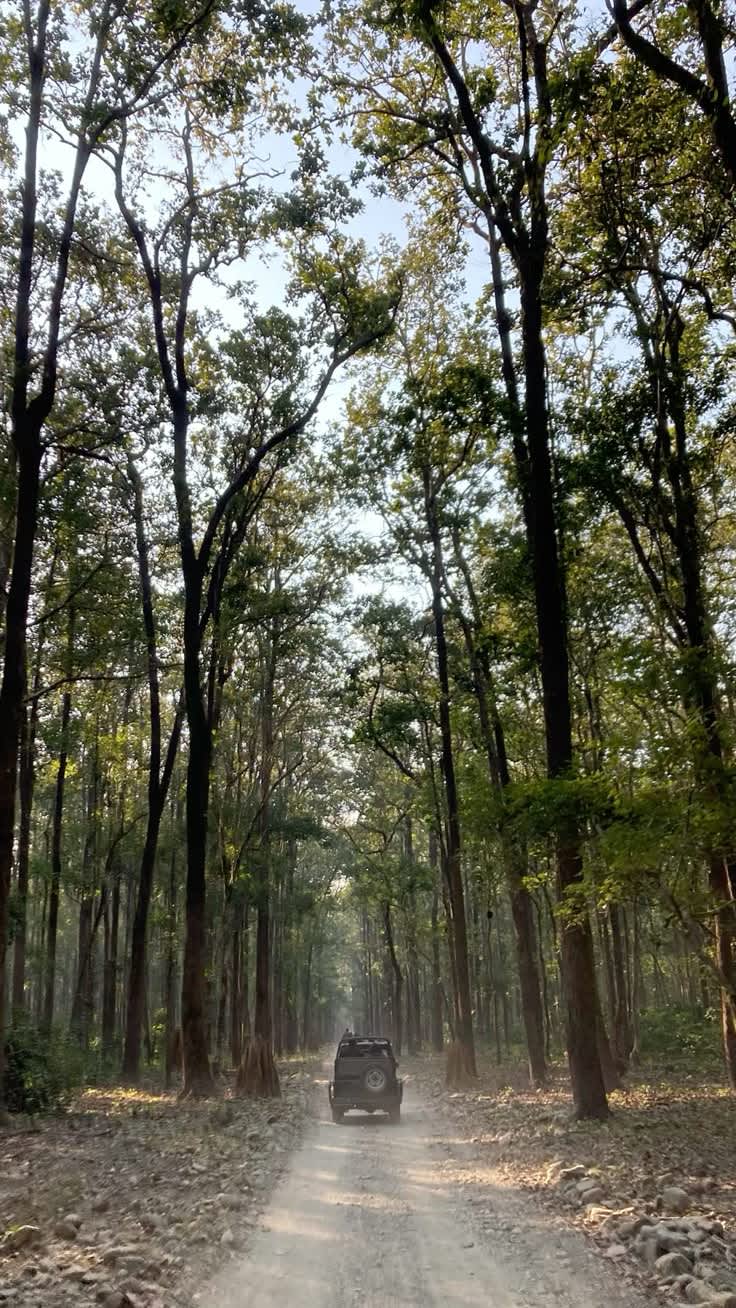
Jim Corbett National Park
Jim Corbett National Park, established in 1936 as India's first national park and named after the legendary hunter-turned-conservationist Jim Corbett, is one of the best places in the world to spot the majestic Bengal tiger in its natural habitat. Spread across over 1,300 square kilometers in the Shivalik foothills of Uttarakhand, the park encompasses dense sal forests, grasslands, and the Ramganga River, supporting rich biodiversity including elephants, leopards, gharials, and over 600 bird species. Jeep safaris into the Dhikala and Bijrani zones offer thrilling wildlife encounters in a remarkably pristine natural setting.
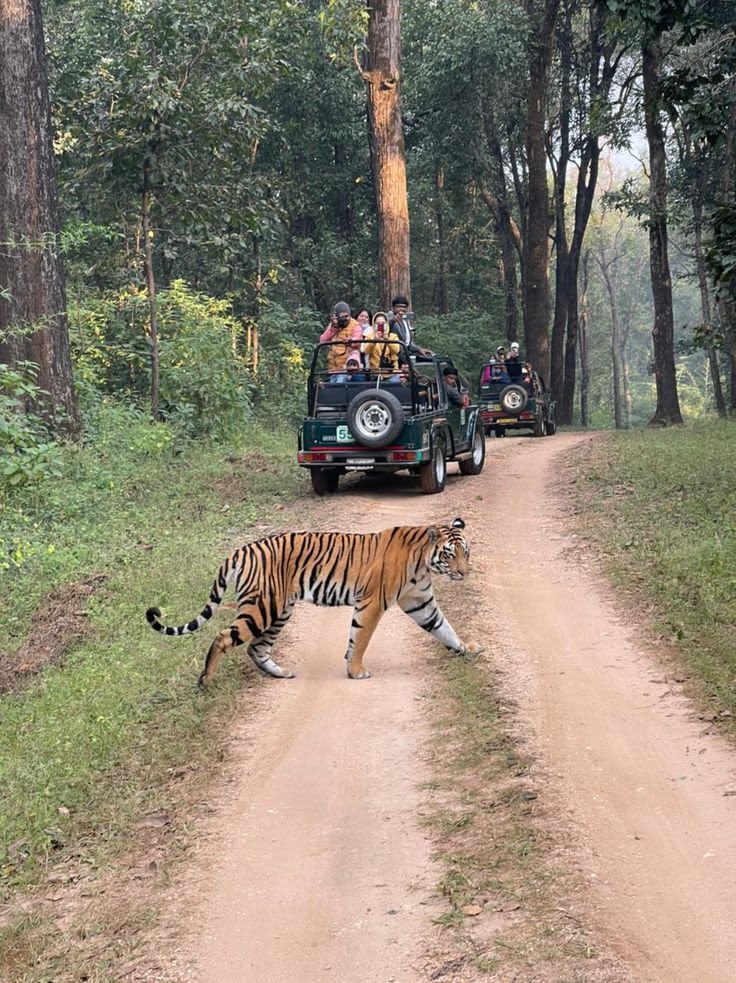
Kanha National Park
Kanha National Park, one of India's finest and largest tiger reserves spread across the Maikal Hills of Madhya Pradesh, was the inspiration for Rudyard Kipling's 'The Jungle Book' and remains one of the subcontinent's most pristine and biodiverse wilderness areas. The park is renowned not only for tiger sightings but for successfully reviving the critically endangered Barasingha (swamp deer) from the brink of extinction. Kanha's vast meadow-filled valleys, called maidans, teeming with spotted deer and gaur, and its dense sal forests make it one of India's most rewarding national park experiences.
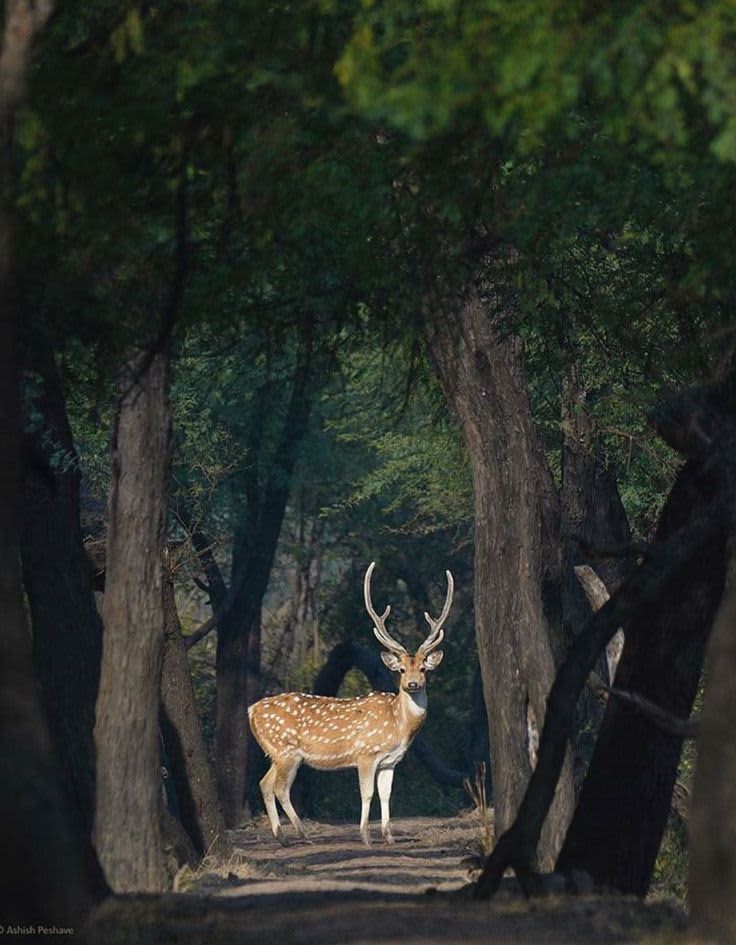
Bandhavgarh National Park
Bandhavgarh National Park in Madhya Pradesh boasts the highest density of Bengal tigers of any national park in India, making it one of the most thrilling destinations for big cat enthusiasts and wildlife photographers. The park's diverse terrain of dense sal forests, meadows, and bamboo groves is dominated by the ancient Bandhavgarh Fort, which according to legend was built by the Hindu god Rama. Multiple daily safari zones, including the highly sought-after Tala zone, ensure excellent opportunities to witness tigers, leopards, sloth bears, and abundant birdlife in their natural environment.
Nearby destinations
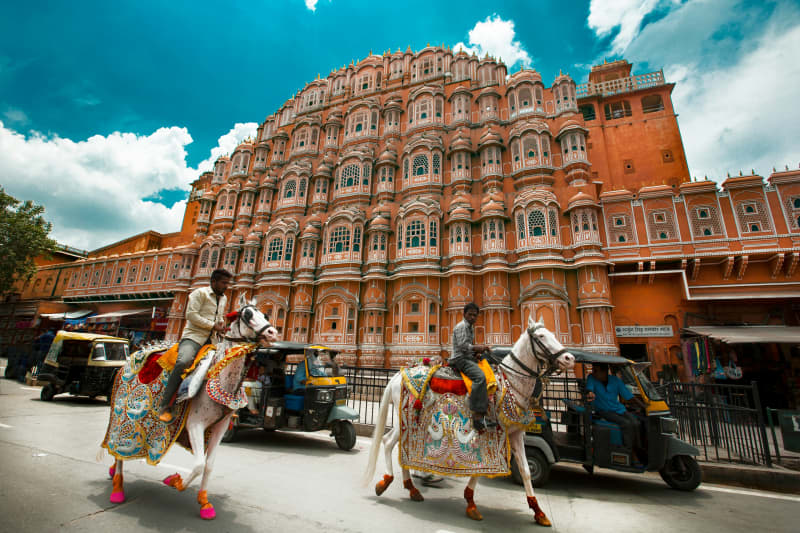
Jaipur
122 km · Jaipur, the Pink City and capital of Rajasthan, is one of India's most vibrant and photogenic destinations, famous for its rose-tinted heritage architecture, colorful bazaars overflowing with textiles and jewelry, and the formidable Amer Fort. Built by Maharaja Jai Singh II in 1727 as India's first planned city, Jaipur's geometric street layout and magnificent palaces — including the City Palace and the iconic Hawa Mahal — reflect the opulence of Rajput royalty. The city is the gateway to Rajasthan's royal heartland and forms the third vertex of India's legendary Golden Triangle alongside Delhi and Agra.
Gwalior
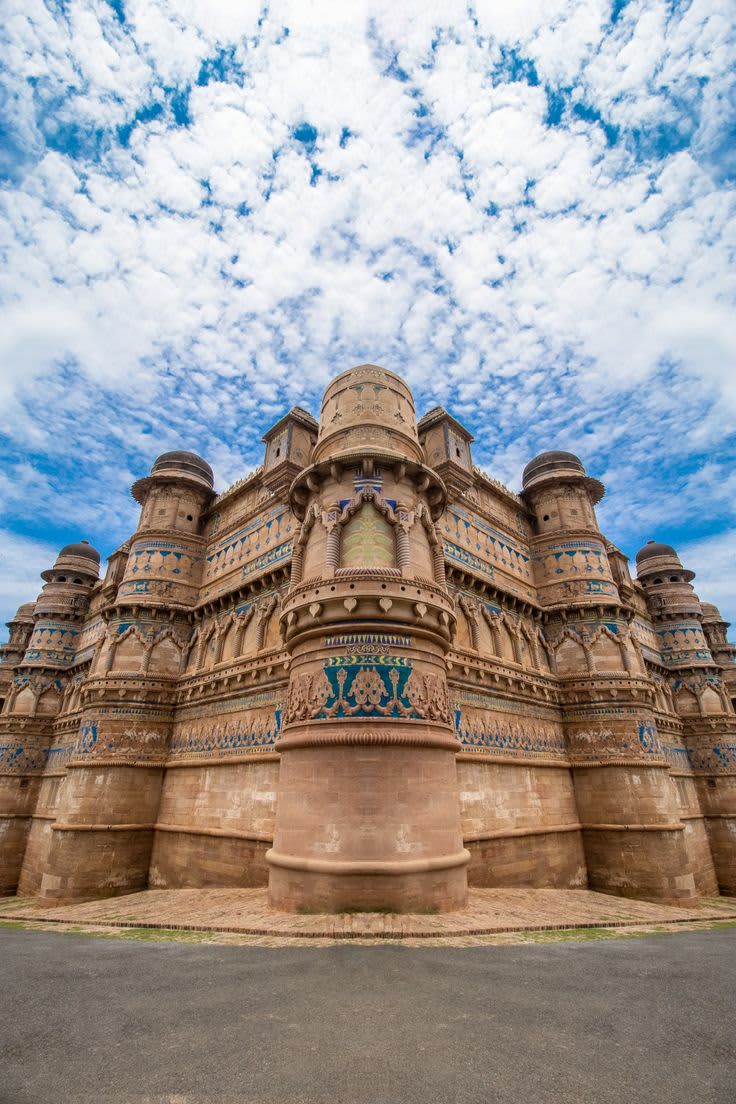
169 km · Gwalior, in Madhya Pradesh, is dominated by one of India's most spectacular forts — the Gwalior Fort, rising 100 meters on a rocky hill above the city, described by the Mughal Emperor Babur as the pearl among fortresses of Hind. The fort complex encompasses palaces including the magnificent Man Mandir Palace with its brilliant tile work, Jain rock-cut sculptures, temples, and water tanks spanning over a thousand years of architectural history. The city also celebrates its deep musical heritage as the birthplace of the Gwalior Gharana, one of the most prestigious classical music traditions in Hindustani music, through the Tansen Music Festival held each November.
Ajmer
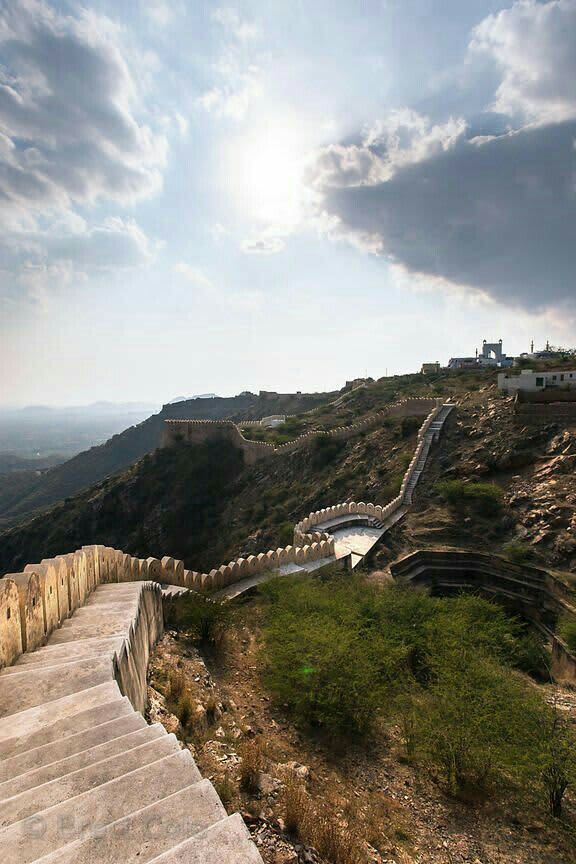
192 km · Ajmer, a city in the heart of Rajasthan, is one of the most important Islamic pilgrimage sites in South Asia, home to the Dargah Sharif — the tomb of the Sufi saint Khwaja Moinuddin Chishti, who is revered by Muslims and Hindus alike as a symbol of love, tolerance, and universal brotherhood. Millions of pilgrims visit the Dargah each year, particularly during the annual Urs festival, to seek blessings at the shrine's gilded tomb. The 12th-century Adhai Din Ka Jhonpra mosque and the stunning Ana Sagar Lake, where Emperor Jahangir built a beautiful marble pavilion, make Ajmer a city of remarkable composite heritage and spiritual significance.