Things to do in Daman
Things to do in Daman
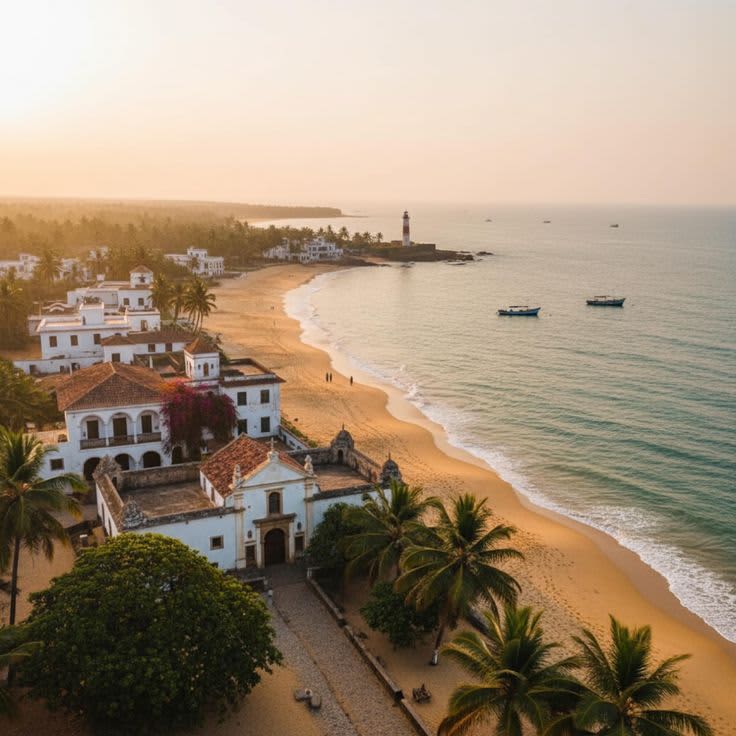
Daman, a Union Territory on India's western coast north of Mumbai, is a compact beach destination with a distinctive Portuguese colonial heritage visible in its old churches, forts, and cobbled streets. The Moti Daman Fort and Nani Daman Fort, both well-preserved Portuguese bastions from the 16th century, flank the Damanganga River mouth and reflect Daman's four centuries of Portuguese rule before independence in 1961. The relatively uncrowded Jampore and Devka beaches, the Church of Bom Jesus, and the duty-free liquor policy that makes Daman popular with visitors from neighboring dry state Gujarat add to the town's laid-back beach holiday appeal.
- No photoHeritage / HistoricalView full guide
2–3 hours
Moti Daman Fort Exploration
Walk the enormous perimeter walls of Moti Daman Fort, built by the Portuguese in the 16th century to protect their maritime trading colony, and explore the churches, lighthouse, and colonial bungalows preserved within its thick laterite battlements. The fort offers sweeping views of the Daman River and the sea.
- No photoLeisure / BeachView full guide
1.5–2 hours
Jampore Beach Sunset
Daman's Jampore Beach is a long, clean, and uncrowded stretch of sand where the Daman locals come for their evening walks, and the sunset here — with fishing boats silhouetted against an orange sky — rivals anything you'd see in Goa but with far fewer tourists.
- No photoFamily / AdventureView full guide
3–4 hours
Devka Beach Water Park
The Devka Amusement Park adjacent to Devka Beach is Daman's most popular family attraction, with water slides, wave pools, and rides that entertain all ages. The rocky beach nearby with its colourful painted statues is a quirky Daman landmark worth exploring after the park.
- No photoHeritage / CulturalView full guide
1.5–2 hours
Nani Daman Fort and St. Jerome Church
Cross the river to explore Nani Daman's smaller Portuguese fort and the magnificent St. Jerome Church within it, which has been described as Daman's most architecturally impressive colonial structure. The carved wooden altar and blue-and-white tile panels are extraordinary examples of Indo-Portuguese art.
- No photoFood / CulturalView full guide
2–3 hours
Daman Seafood and Portuguese Cuisine Trail
Daman has a small but genuinely fascinating culinary tradition that blends Gujarati spices with Portuguese techniques — try sorpotel, bebinca, and local tiger prawn curry at the restaurants along the riverfront. This food trail is a delicious history lesson in colonial culinary fusion.